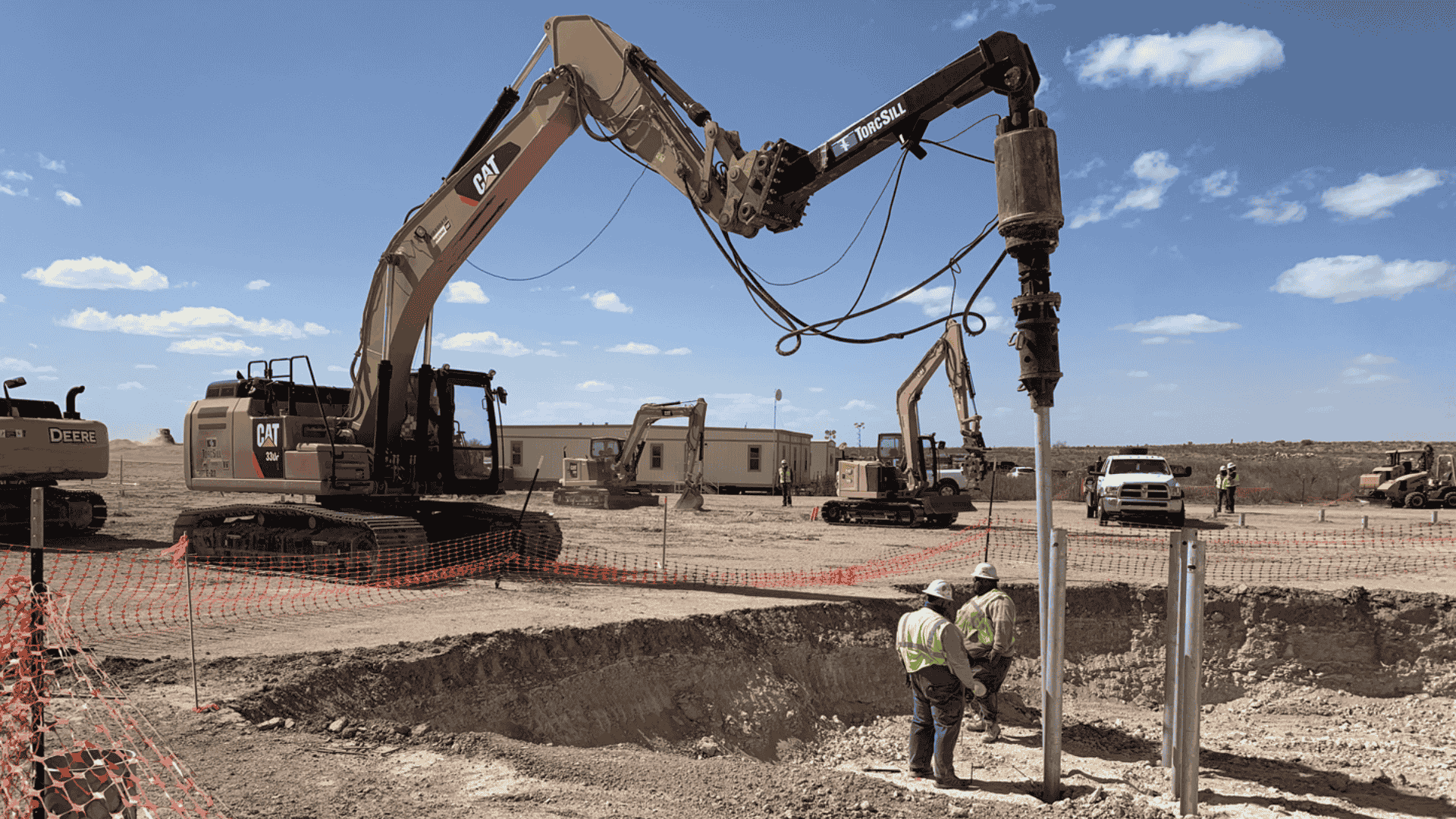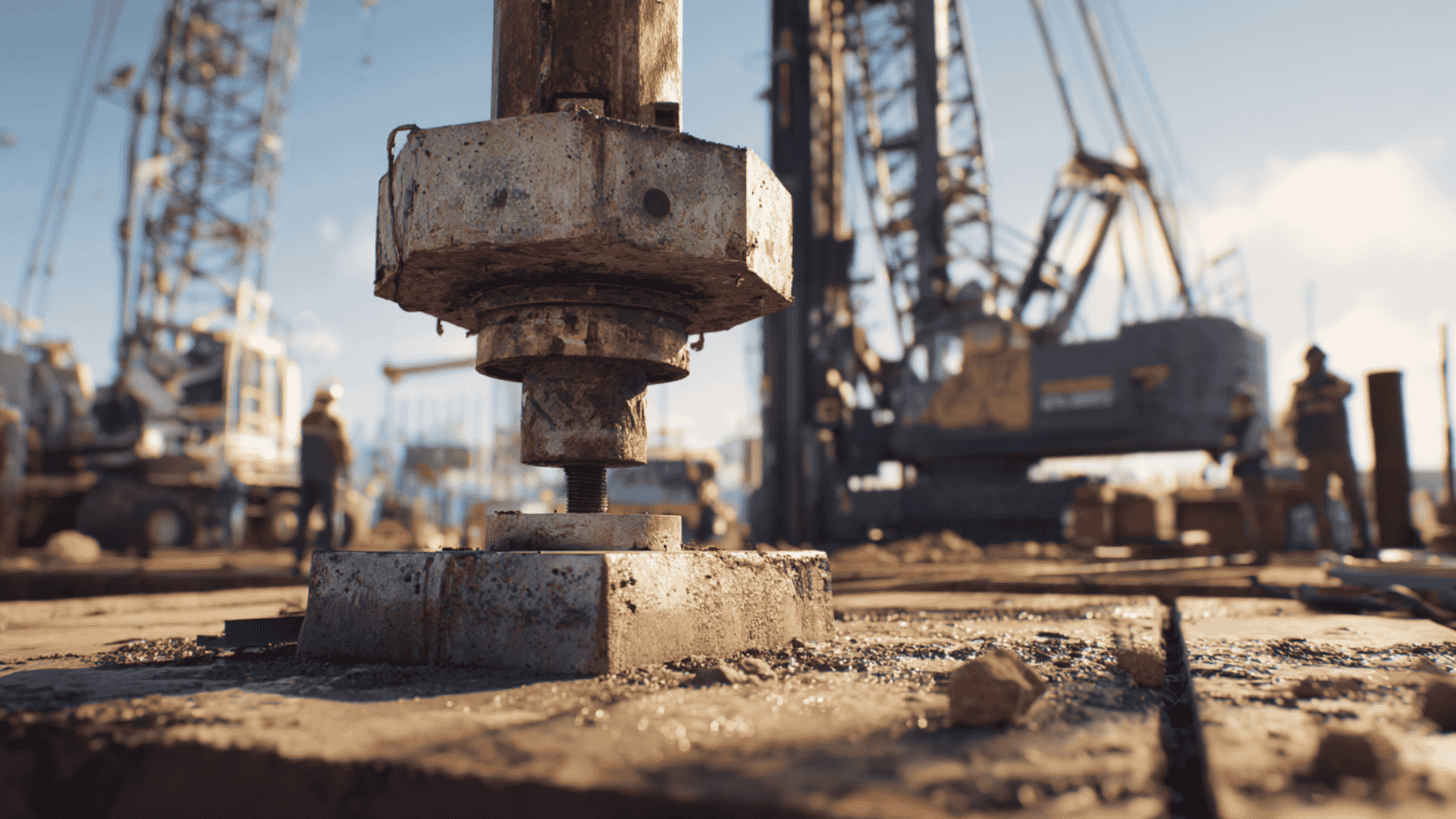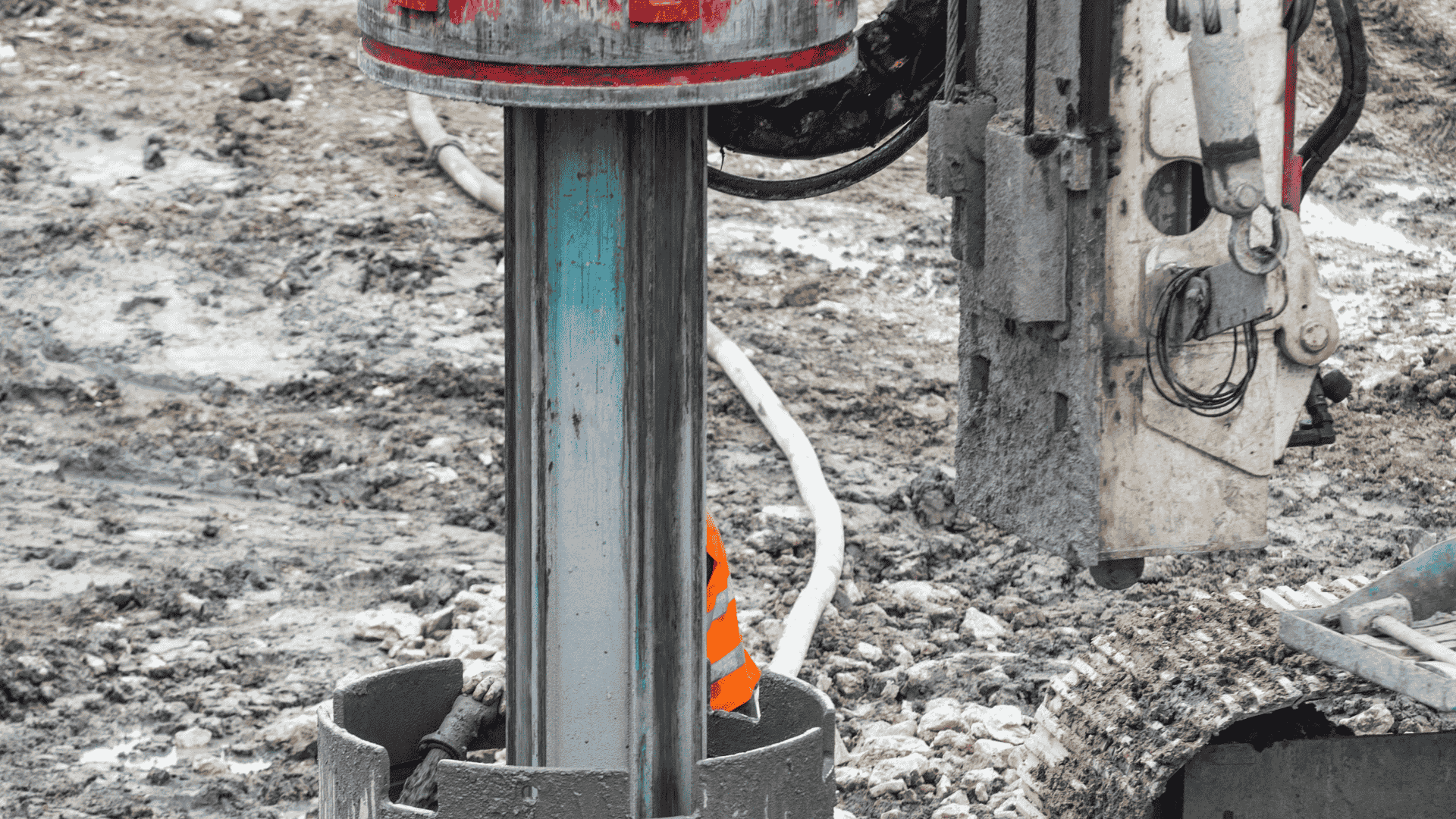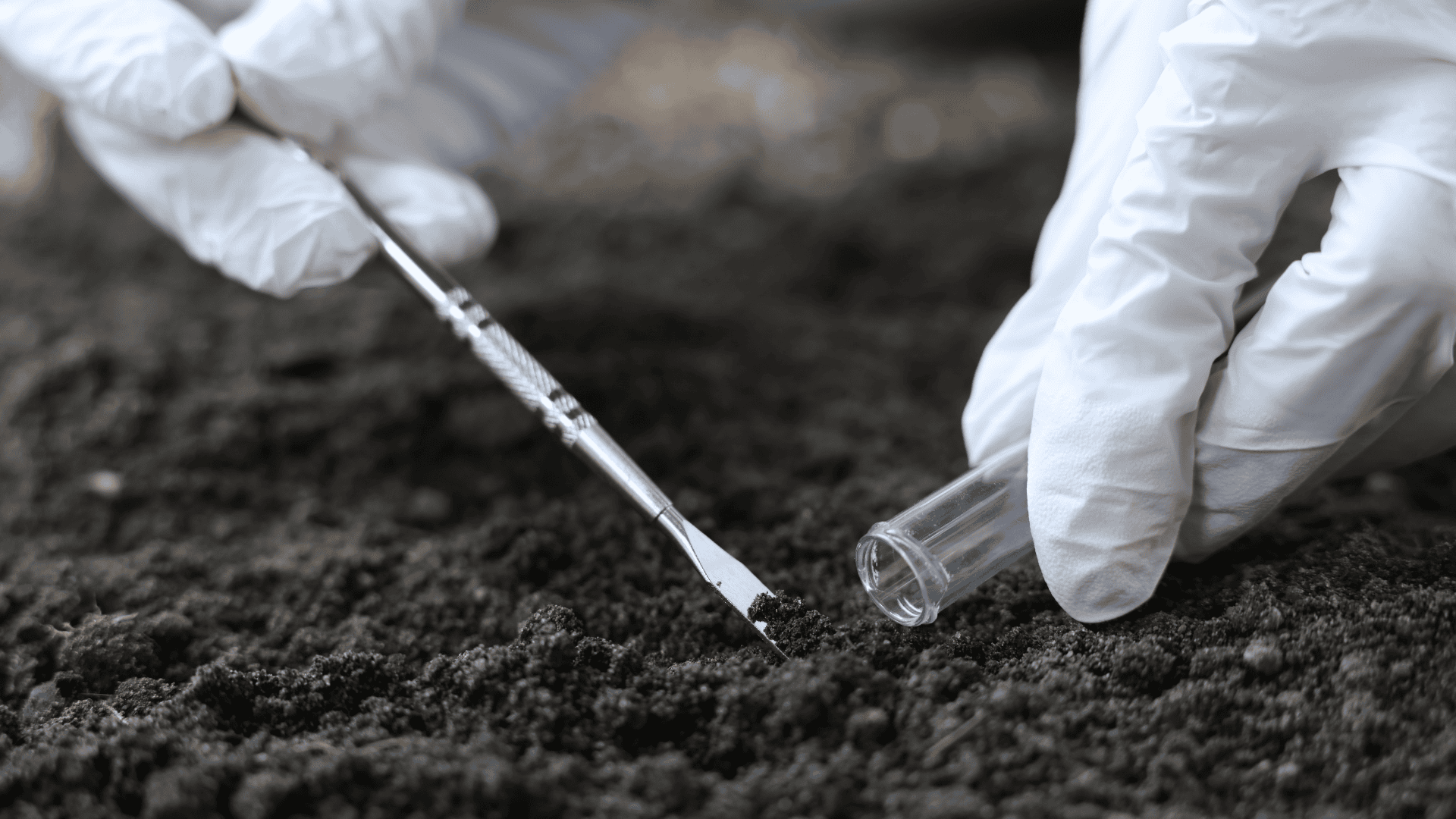
A soil test for foundation design is a critical first step when planning projects that use helical piles. While helical piles can perform in a wide range of ground conditions, their effectiveness depends on a clear understanding of subsurface soils.
Geotechnical investigations help identify soil stratification, strength, and groundwater conditions, enabling engineers to confirm suitability and define pile configuration. By aligning soil test results with helical pile design principles, teams can establish load capacity, select appropriate pile geometry, and determine installation depth.
This guide explains how soil testing informs helical pile design, what investigation methods are commonly used, and how test data is applied during installation to achieve reliable foundation performance.
Key Takeaways
Accurate subsurface data enables engineers to identify competent bearing strata, predict installation behavior, and design helical piles for verified load transfer at depth.
Penetration testing and groundwater data are increasingly correlated with real-time torque monitoring, allowing capacity to be confirmed during helical pile installation rather than assumed.
By prioritizing stratification and resistance at depth, soil testing helps optimize helix configuration and pile length while minimizing unexpected refusal or excessive torque.
Effective use of soil data spans early design, installation planning, field verification, and as-built documentation, improving predictability across variable ground conditions.
Through integrated engineering, manufacturing, drilling, and installation services, TorcSill ensures soil test findings are consistently applied from design through construction, reducing uncertainty on complex sites.
Relevance of Soil Test for Foundations in 2026
In 2026, the soil test for foundation design has become increasingly important as more projects adopt helical piles for speed, constructability, and reduced site disruption.
With development moving into marginal soils, brownfield sites, and load-sensitive structures, early subsurface investigation is essential to confirm whether helical piles can achieve required capacity and performance.
For projects using helical pile foundations, soil testing directly informs design and installation decisions:
Helical pile suitability and depth determination: Soil test results help identify competent strata where helical pile helices can develop bearing resistance and define required embedment depth.
Helix and shaft configuration selection: Soil strength and stratification guide helix diameter, number of helices, and shaft sizing to meet axial and uplift load demands.
Installation torque prediction and control: Geotechnical data allows engineers to anticipate installation torque ranges and reduce the risk of refusal or excessive torque during helical pile installation.
Capacity verification during construction: Soil test findings are increasingly correlated with real-time torque monitoring to confirm helical pile load capacity in the field.
Accurate soil data ensures helical piles are properly sized, installed to the correct depth, and verified for performance, delivering reliable foundations with reduced uncertainty and predictable construction outcomes.
Different Types of Soil Testing for Helical Pile Foundations
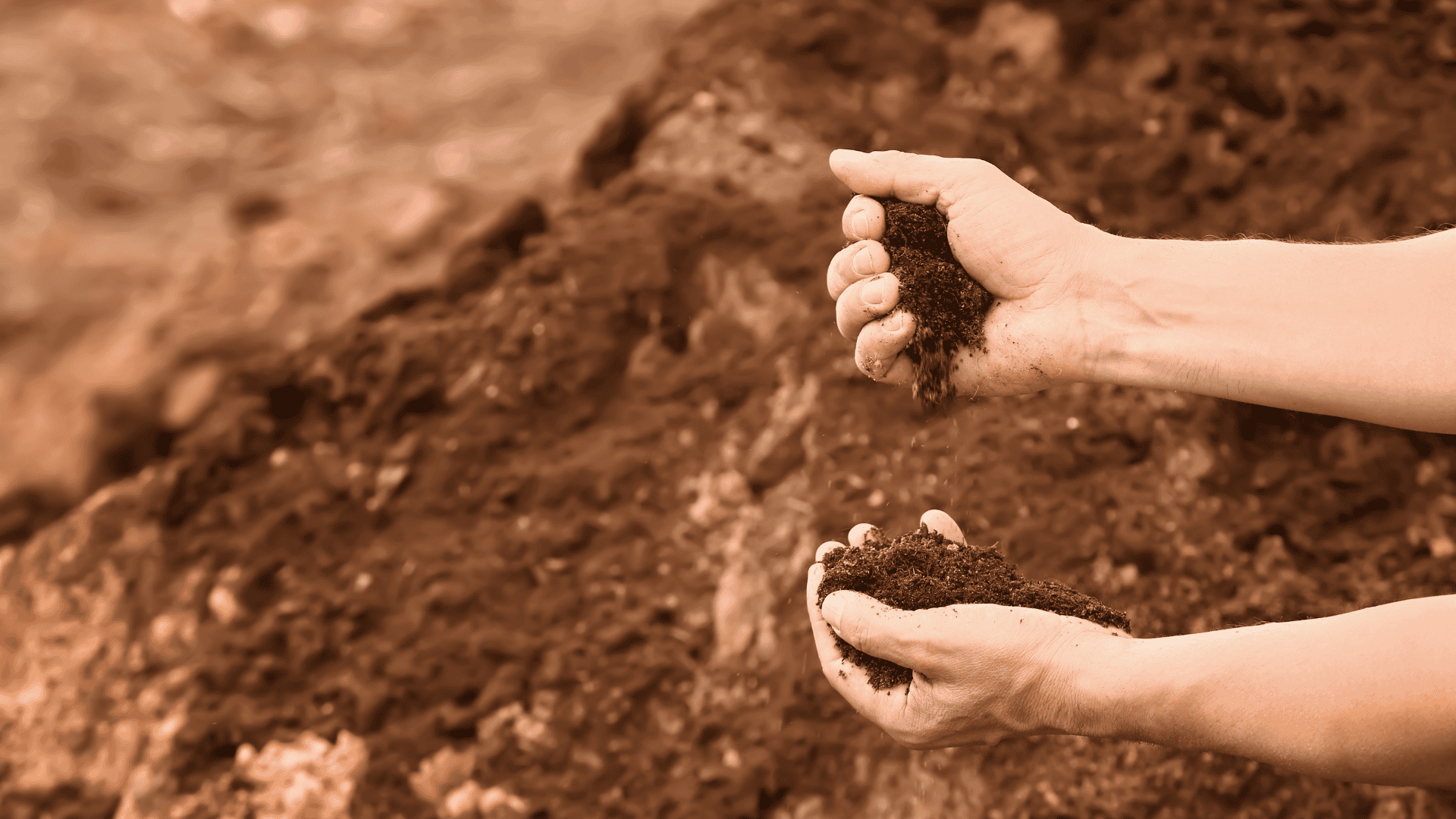
When helical piles are used as the foundation system, soil testing goes beyond basic classification. Each test contributes directly to pile sizing, helix configuration, embedment depth, and installation control.
The following soil tests are most relevant to helical pile foundation design and execution:
Soil Composition and Classification Analysis
Purpose: Identify soil type and stratification, including proportions of sand, silt, clay, and gravel.
Method: Sieve analysis, hydrometer testing, and laboratory soil classification in accordance with geotechnical standards.
Soil composition governs helix bearing behavior and torque response. Granular soils typically provide predictable torque-to-capacity relationships, while cohesive soils influence adhesion and long-term performance.
Understanding stratification allows engineers to position helices in competent layers rather than relying on near-surface soils.
Moisture Content Testing
Purpose: Determine in-situ water content of soil layers.
Method: Oven-drying tests or calibrated moisture measurement techniques.
Moisture content affects soil strength, particularly in clays and silts. For helical piles, this data helps predict installation torque, assess seasonal variability, and evaluate long-term capacity under changing groundwater conditions.
Compaction and Density Testing
Purpose: Assess soil density and compaction characteristics.
Method: Standard and modified Proctor tests, field density testing, and California Bearing Ratio (CBR) where applicable.
While helical piles bypass poorly compacted surface soils, compaction data helps engineers evaluate installation access conditions, lateral stability near grade, and interaction with slabs, grade beams, or pile caps.
Permeability Testing
Purpose: Measure the soil’s ability to transmit water.
Method: Constant head or falling head permeability tests, supported by groundwater observations.
Permeability influences corrosion exposure, pore pressure behavior, and consolidation potential. For helical pile foundations, permeability data supports durability assessments and helps determine whether piles will encounter fluctuating groundwater during installation and service life.
Shear Strength Testing
Purpose: Determine soil resistance to shear failure.
Method: Direct shear tests, triaxial compression tests, and vane shear tests for cohesive soils.
Shear strength directly affects axial compression, uplift, and lateral resistance of helical piles. These values are critical for calculating allowable loads and verifying performance against torque-based capacity correlations.
Soil Bearing Capacity and Penetration Testing
Purpose: Establish soil resistance and load-bearing characteristics at depth.
Method: Standard Penetration Test (SPT), Cone Penetration Test (CPT), plate load testing, and borehole investigations.
SPT and CPT data are especially valuable for predicting helical pile performance, estimating installation torque, and determining target embedment depth. These tests help ensure helices are advanced into competent bearing strata rather than relying on surface soils.
Chemical and Corrosion Potential Testing
Purpose: Identify soil chemistry and corrosive elements.
Method: pH testing, resistivity measurements, and chemical analysis for sulfates, chlorides, and contaminants.
Since helical piles are steel foundation elements, chemical testing supports material selection, corrosion protection strategies, and service-life design, particularly in aggressive or marine environments.
When soil conditions, load demands, and installation criteria vary, engineered analysis helps reduce uncertainty. This is why TorcSill’s helical pile systems are designed using site-specific soil data to deliver predictable capacity and performance. Early engineering involvement helps align testing, design, and installation outcomes.
How Soil Tests Are Performed for Helical Pile Foundations
For helical pile foundations, soil testing is not a single report-driven activity but a staged process that informs design, installation strategy, and field verification.
Each step uses soil data to reduce uncertainty and ensure the piles achieve their intended load capacity at depth:
Step 1: Define Structural Loads and Performance Criteria
The process begins with establishing axial compression, uplift, and lateral loads acting on the structure, along with serviceability requirements such as settlement limits and deflection criteria. These parameters define the minimum performance the helical piles must achieve and influence decisions on pile configuration and embedment depth.
Load definition also considers environmental and operational factors such as wind, seismic effects, thermal loading, and long-term operational demands. For helical pile foundations, these inputs determine how much resistance must be mobilized through helix bearing and shaft interaction.
Step 2: Plan the Scope and Depth of Soil Investigation
Once loading is defined, the soil investigation program is planned to extend beyond the anticipated helix bearing zone. Borehole depth and spacing are selected to capture variability across the site rather than relying on shallow or isolated data points.
For helical piles, emphasis is placed on identifying competent strata at depth rather than surface conditions. Groundwater levels, seasonal fluctuations, and fill zones are also documented to anticipate installation behavior and long-term performance.
Step 3: Perform Field Testing and Sampling
Field investigations typically include borehole drilling combined with Standard Penetration Tests (SPT) or Cone Penetration Tests (CPT). These tests provide continuous or interval-based resistance profiles that help identify soil density, stiffness, and layering.
For helical pile design, penetration resistance trends are used to estimate achievable torque and identify target embedment depths. Abrupt changes in test results often signal transitions that directly affect pile installation and load transfer.
Step 4: Conduct Laboratory Soil Analysis
Recovered soil samples are tested to classify soil type, measure moisture content, and determine shear strength parameters. These properties support analytical capacity calculations and help evaluate how soils will respond under sustained loading.
Laboratory testing also includes chemical analysis where steel piles are proposed. Soil resistivity, pH, and contaminant levels inform corrosion risk and influence material selection or protective measures for helical piles.
Step 5: Develop Preliminary Helical Pile Design Parameters
Soil test data is translated into preliminary design inputs, including helix diameter, number of helices, shaft size, and estimated pile length. These selections aim to mobilize bearing resistance in identified competent strata while maintaining constructability.
Expected installation torque ranges are also established at this stage. These torque estimates serve as a benchmark for confirming pile performance during installation and for identifying deviations from assumed soil conditions.
Step 6: Monitor Installation Torque and Soil Response
During installation, torque is continuously measured as the helical pile advances through the soil profile. Torque response provides immediate feedback on soil strength and confirms engagement with target bearing layers identified in the soil test.
Variations in torque help installers recognize soft zones, dense layers, or obstructions. This real-time information allows for informed adjustments without interrupting construction or compromising foundation performance.
Step 7: Verify Capacity and Adjust in Real Time
Measured installation torque is correlated with established torque-to-capacity relationships to confirm that design loads are achieved. This verification approach reduces reliance on conservative assumptions and improves confidence in foundation performance.
If discrepancies arise between predicted and observed torque, helical pile length or configuration can be modified on site. This adaptability is a key advantage of helical pile foundations in variable soil conditions.
Step 8: Document As-Built Conditions and Final Verification
Final installation records capture pile depth, achieved torque, and notable soil transitions. These records validate the original soil test assumptions and demonstrate compliance with design requirements.
As-built documentation provides a permanent performance record for quality assurance, regulatory review, and future asset management, completing the soil test–to–foundation workflow.
For helical pile foundations, soil testing is an integrated process that spans investigation, design, installation, and verification. By aligning detailed subsurface data with real-time installation feedback, helical pile systems deliver predictable capacity, efficient construction, and long-term foundation reliability.
Best Practices for Conducting Soil Test for Foundations
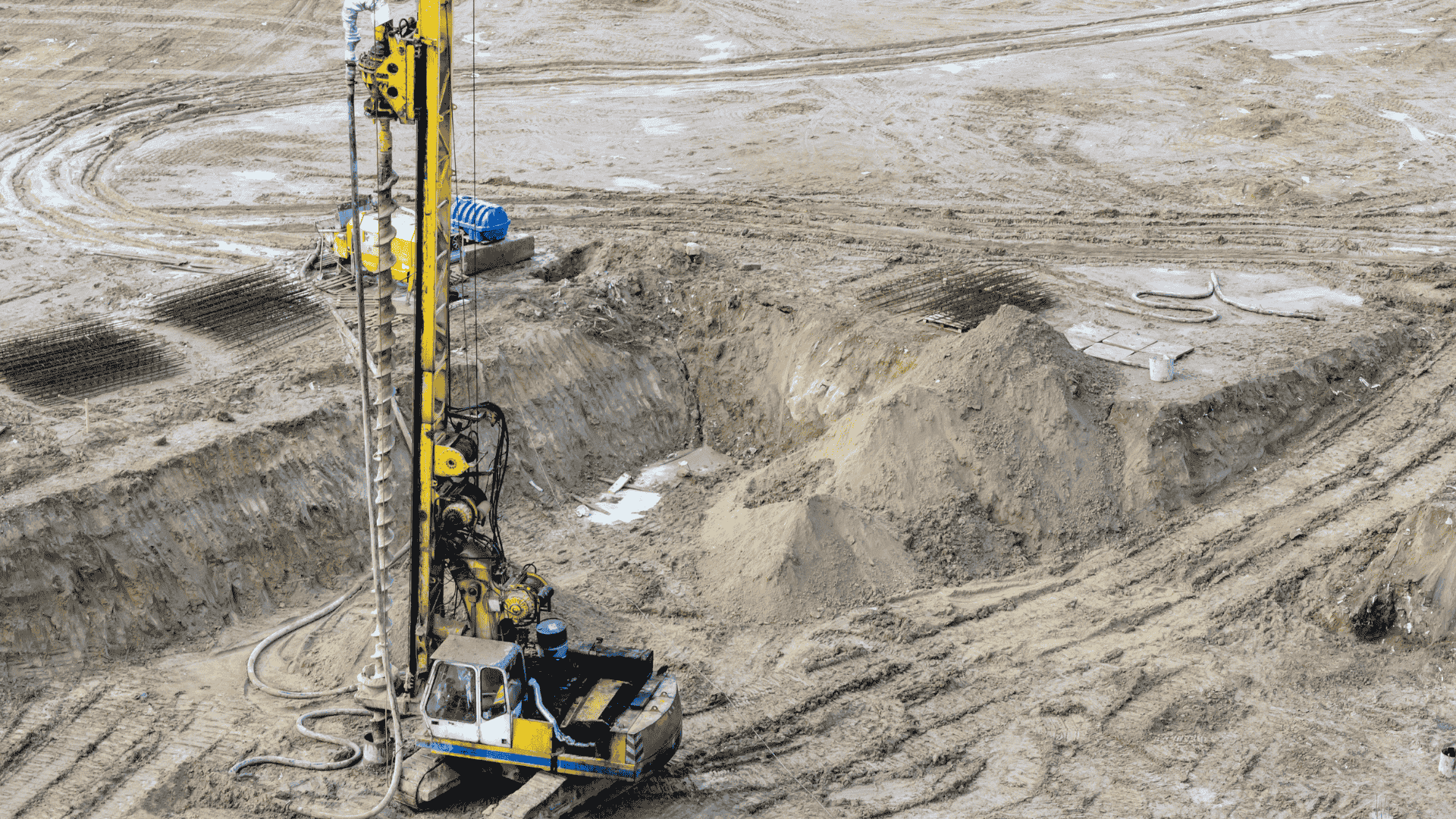
A soil test for foundation design must be approached differently when helical piles are planned. Because helical piles transfer load through torque-generated bearing at depth, soil investigations should focus on identifying competent strata, predicting installation behavior, and supporting capacity verification during construction.
Here are some best practices to follow:
Align Soil Testing With Helical Pile Load Requirements
Soil investigations should be scoped based on expected axial, uplift, and lateral loads. Borehole depths and penetration tests must extend beyond the anticipated helical pile embedment zone to ensure competent bearing layers are properly identified.
Prioritize Subsurface Stratification Over Surface Conditions
Helical piles often bypass weak or uncontrolled surface soils. Soil testing should emphasize deeper strata characterization, including transitions between fill, soft soils, and dense or stiff layers where helices will develop resistance.
Use Penetration Testing to Support Torque Prediction
Standard Penetration Test (SPT) and Cone Penetration Test (CPT) data are especially valuable for helical pile projects. These results help estimate installation torque, anticipate refusal risks, and correlate soil resistance with pile capacity during installation.
Evaluate Groundwater and Seasonal Variability
Groundwater levels and moisture variations influence soil strength and installation torque. Soil testing should capture groundwater conditions and consider seasonal changes that may affect helical pile performance over the structure’s service life.
Include Corrosion Assessment for Steel Piles
Since helical piles are steel foundation elements, soil testing should include chemical and resistivity analysis where applicable. This supports informed decisions on corrosion protection and long-term durability.
Plan for Field Verification During Installation
Best practice is to treat soil test data as a design baseline, not a final answer. Installation torque monitoring should be planned as part of the foundation strategy to confirm load capacity and validate assumptions made during geotechnical evaluation.
When executed correctly, soil testing becomes an active design and verification tool for helical pile foundations. By focusing on depth-specific soil behavior, penetration resistance, and installation feedback, project teams can achieve predictable performance, reduced construction risk, and efficient foundation execution.
How TorcSill Delivers Helical Pile Foundations Backed by Soil Data
Helical pile performance depends on how effectively soil test findings are carried through design, fabrication, and installation.
TorcSill supports this process with an integrated delivery model that connects subsurface data directly to foundation outcomes.
Engineering & Design: Soil test results are used to develop project-specific helical pile designs, including helix configuration, shaft sizing, embedment depth, and target installation torque. Designs are aligned with actual subsurface conditions rather than generalized assumptions.
Manufacturing: Helical piles and components are manufactured to match engineered requirements, supporting predictable torque development and load transfer in the soils identified during investigation.
Construction Services: Installation is executed with real-time torque monitoring to confirm engagement with competent strata and verify capacity in the field. Adjustments are made as required to reflect actual ground conditions.
Drilling Services: Where site conditions demand it, drilling services support access through obstructions or dense surface layers, ensuring helical piles reach their designed bearing zones without compromising performance.
By maintaining continuity from soil test through installation, TorcSill delivers helical pile foundations with verified capacity, controlled execution, and reduced uncertainty across complex ground conditions.
Conclusion
Soil tests for foundations are fundamental to achieving predictable performance, particularly when helical piles are used in variable ground conditions. Foundation behavior is directly influenced by soil stratification, strength, groundwater, and installation response, all of which must be understood before and during construction.
Early geotechnical evaluation, combined with real-time monitoring during helical pile installation, helps manage subsurface uncertainty, confirm load capacity, and adjust pile configuration where actual conditions differ from design assumptions.
Consult a TorcSill engineer to review soil test data, helical pile design parameters, and installation feedback, ensuring foundations are engineered, installed, and verified to perform reliably over their intended service life.
Frequently Asked Questions (FAQs)
How does early soil testing reduce risk on helical pile projects?
Early soil testing allows foundation design to be aligned with actual subsurface conditions before construction begins. For helical pile projects, this reduces the risk of unexpected refusal, excessive pile lengths, or late design changes that can impact schedule and cost.
Which soil data is most valuable for helical pile installation planning?
Beyond classification, penetration resistance trends, groundwater observations, and depth-specific variability are critical. These data points help predict installation behavior and allow installation torque targets to be set realistically, improving field efficiency.
What happens if field conditions differ from the soil report?
TorcSill integrates soil test data with real-time installation feedback. When field conditions differ from reported profiles, pile depth or configuration can be adjusted during installation without compromising load performance or requiring foundation redesign.
Can soil testing help avoid overdesigned helical piles?
Yes. Accurate soil data allows helical piles to be designed to engage specific bearing strata rather than assuming conservative soil properties. This often reduces unnecessary pile length, steel usage, and installation time.
When is pre-drilling recommended for helical pile foundations?
Soil test results help identify obstructions, dense layers, or access constraints early. This enables better planning for equipment selection, drilling support, and installation sequencing, minimizing disruption on active or constrained sites.