Pile installation plays an important role in foundation performance because it controls how loads are transferred from the structure into competent soil or rock. Unlike above-ground construction, installation occurs in unseen conditions where small deviations in method, depth, or alignment can alter load capacity, settlement behaviour, and long-term stability.
The installation process therefore becomes the final validation of the foundation design, not just a means of placing piles in the ground. Modern projects treat pile installation as an engineered operation governed by method selection, equipment control, and field verification.
This blog explains how pile installation works, common installation methods, influencing factors, and how helical pile installation has emerged as a modern solution where conventional approaches face limitations.
Key Takeaways
Pile installation directly governs foundation capacity, settlement behaviour, and long-term structural performance, making it a critical engineering activity rather than a routine construction step.
Installation methods, equipment selection, and field controls determine how effectively design loads are transferred into competent soil or rock.
Verification during installation, through depth, alignment, and method-specific performance data, reduces uncertainty between design assumptions and actual ground conditions.
Modern pile installation increasingly relies on real-time monitoring and documented installation records to manage risk and confirm performance during construction.
Helical pile installation represents a modern pile installation method that enables in-situ verification and predictable performance where traditional driven or bored piles face site, access, or environmental constraints.
What Is Pile Installation?
Pile installation is the process of constructing deep foundation elements that transfer structural loads from the surface into competent soil or rock at depth. It is typically required when shallow foundations cannot provide adequate bearing capacity or settlement control.
Unlike surface-level construction activities, pile installation occurs largely below ground, where soil conditions cannot be visually confirmed. As a result, the installation method and execution quality directly influence foundation capacity, settlement behaviour, and long-term performance.
Pile installation works by mobilising one or more load-transfer mechanisms:
End bearing, where loads are transferred to dense soil or rock at the pile tip
Shaft resistance, developed through friction between the pile surface and surrounding soil
Combined behaviour, where both mechanisms contribute to capacity
The specific installation approach depends on project conditions such as:
Subsurface soil profile and variability
Structural load requirements
Groundwater conditions
Access, vibration, and noise limitations
Construction schedule and environmental constraints
Common pile installation methods include:
Driven piles
Bored or drilled shafts
Continuous flight auger (CFA) piles
Micropiles
Helical piles
Regardless of method, pile installation forms the critical link between geotechnical design assumptions and actual ground behaviour, making it a defining stage in foundation performance verification.
How Pile Installation Works in 2026
Pile installation follows a structured sequence that converts foundation design parameters into load-bearing elements embedded in the ground.
While techniques vary by pile type, the fundamental process remains consistent across deep foundation systems.
Step 1: Site Preparation and Layout
Pile locations are set out based on structural drawings and verified against site conditions. Access routes, working platforms, overhead clearances, and installation tolerances are established before equipment mobilisation.
In the case of helical piles, installation often requires minimal site preparation and can proceed in restricted or low-headroom locations without large working platforms.
Step 2: Equipment Selection and Setup
Installation equipment is selected according to pile type, target depth, torque or driving resistance requirements, and site constraints. Proper equipment sizing is essential to achieve design capacity without overstressing the pile or surrounding soil.
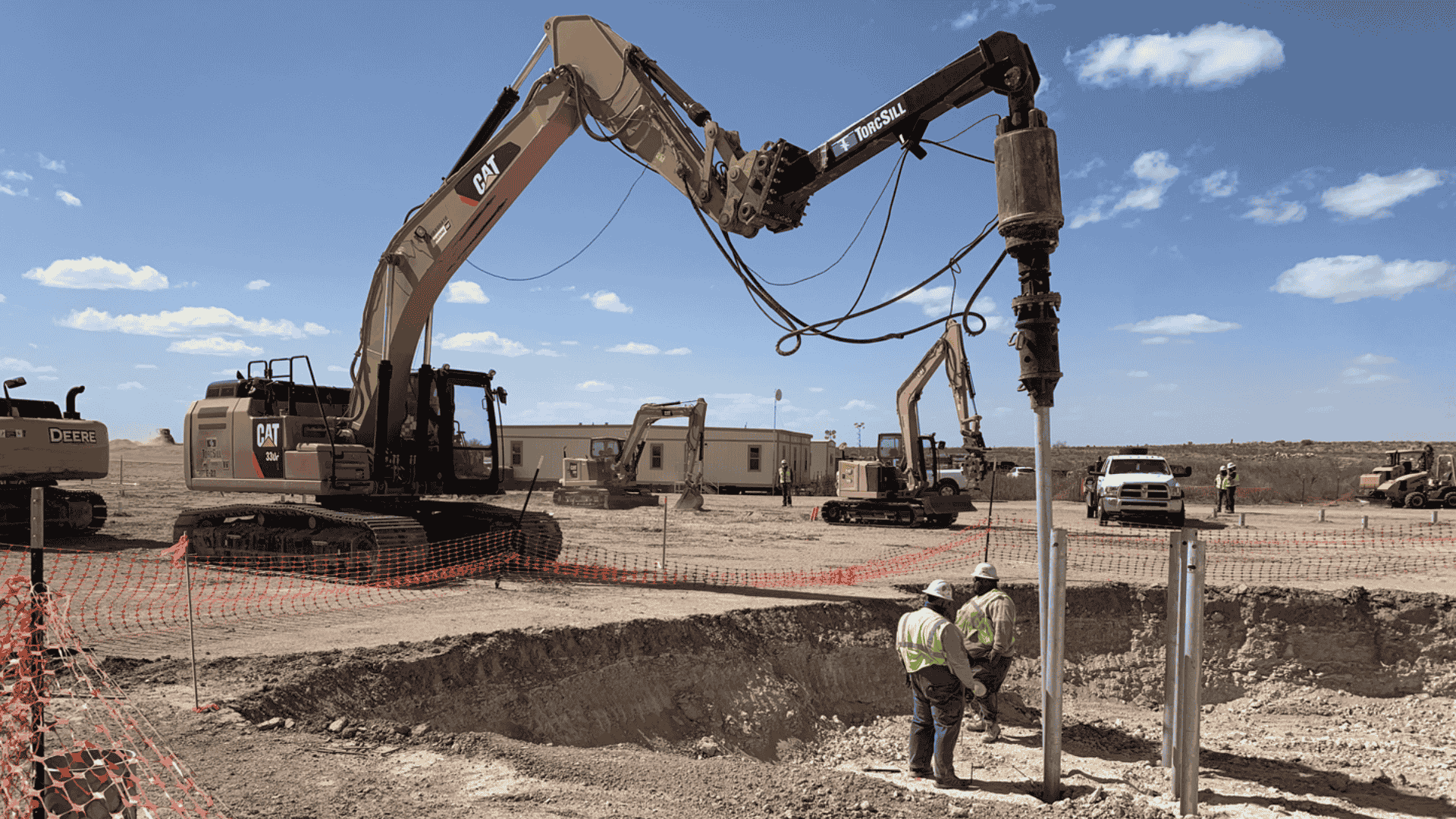
In the case of helical piles, hydraulic drive heads are matched to the required torque capacity defined in the engineering design.
Step 3: Pile Positioning and Alignment
Each pile is positioned at the specified location and aligned vertically or at the designed batter angle. Alignment control during initial penetration is critical, as early deviations are difficult to correct at depth.
In the case of helical piles, alignment is maintained throughout installation to ensure axial loads remain concentric with the pile shaft.
Step 4: Installation to Design Criteria
Piles are advanced into the ground using the selected installation method, like driving, drilling, augering, grouting, or rotation, until design depth or resistance criteria are achieved.
In the case of helical piles, installation continues until the target depth and required installation torque are reached, confirming engagement with competent bearing strata.
Step 5: Monitoring and Data Collection
Key installation parameters are monitored and recorded to verify field performance against design assumptions. Depending on pile type, this may include depth, blow counts, drilling parameters, grout volumes, or torque.
In the case of helical piles, continuous torque and depth monitoring provides real-time confirmation of load capacity and installation quality.
Step 6: Verification and Acceptance
Installation records are reviewed against project criteria to confirm that piles meet design requirements. Where necessary, additional load testing or engineering review may be conducted prior to foundation acceptance.
In the case of helical piles, installation data often serves as the primary verification method, reducing the need for extensive post-installation testing.
Step 7: Cut-Off, Connection, and Load Transfer
Once accepted, piles are cut to final elevation and connected to pile caps, grade beams, or structural elements, allowing loads to be safely transferred into the foundation system.
In the case of helical piles, immediate loading is typically possible once installation criteria are met.
When soil conditions, depth requirements, and load demands vary, engineered foundation solutions reduce cost uncertainty. TorcSill’s helical pile systems are designed for challenging ground conditions while delivering predictable load capacity. Early engineering involvement helps align design assumptions with installation behaviour and supports more accurate budgeting.
Pile Installation Methods and Equipment Explained
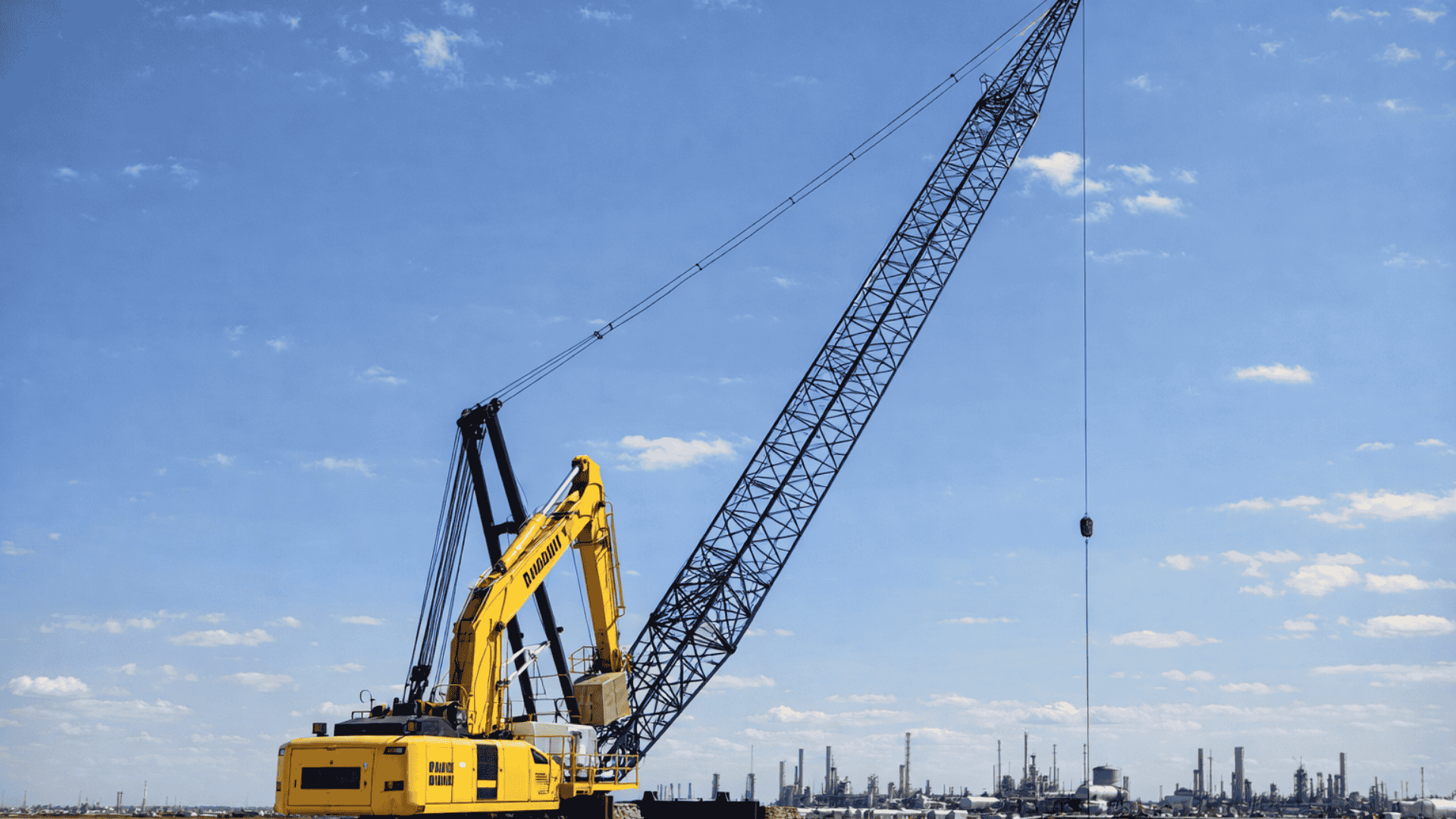
Pile installation methods vary based on soil conditions, load requirements, depth, site access, and environmental constraints.
Each method uses specific equipment and produces different ground responses, which directly influence constructability, verification, and long-term foundation performance.
Common pile installation methods include:
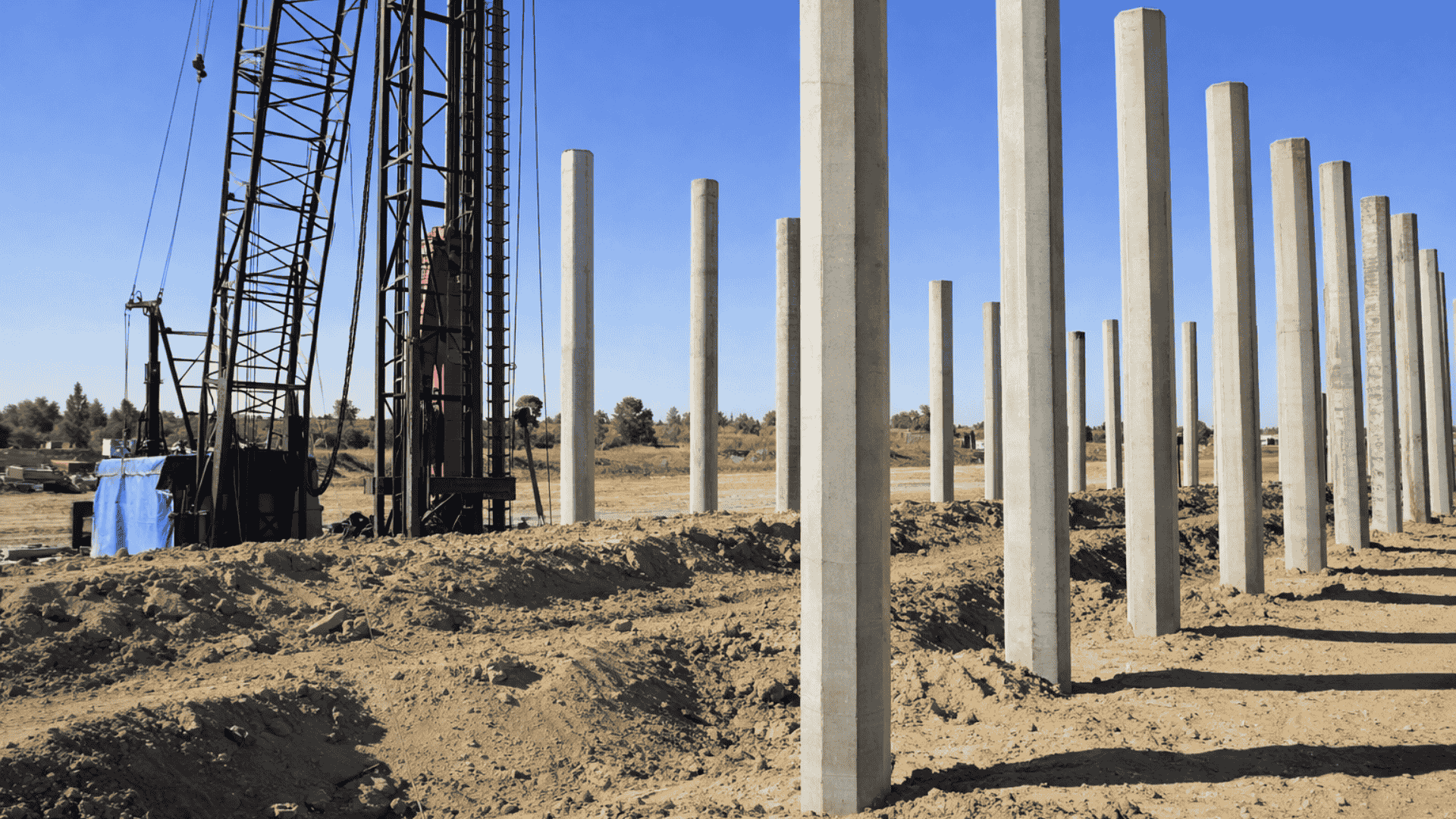
1. Driven piles: Steel, precast concrete, or timber piles installed using impact hammers or vibratory drivers. Capacity is developed through displacement and resistance during driving, making them suitable for dense soils but sensitive to noise and vibration limits.
2. Bored or drilled shafts: Installed by drilling or augering soil to depth, placing reinforcement, and filling with concrete. These piles are commonly used for high axial loads but require spoil handling and groundwater control.
3. Continuous flight auger (CFA) piles: Installed by advancing a hollow-stem auger and pumping concrete during withdrawal. CFA piles reduce vibration but rely heavily on equipment control and continuous monitoring to ensure shaft integrity.
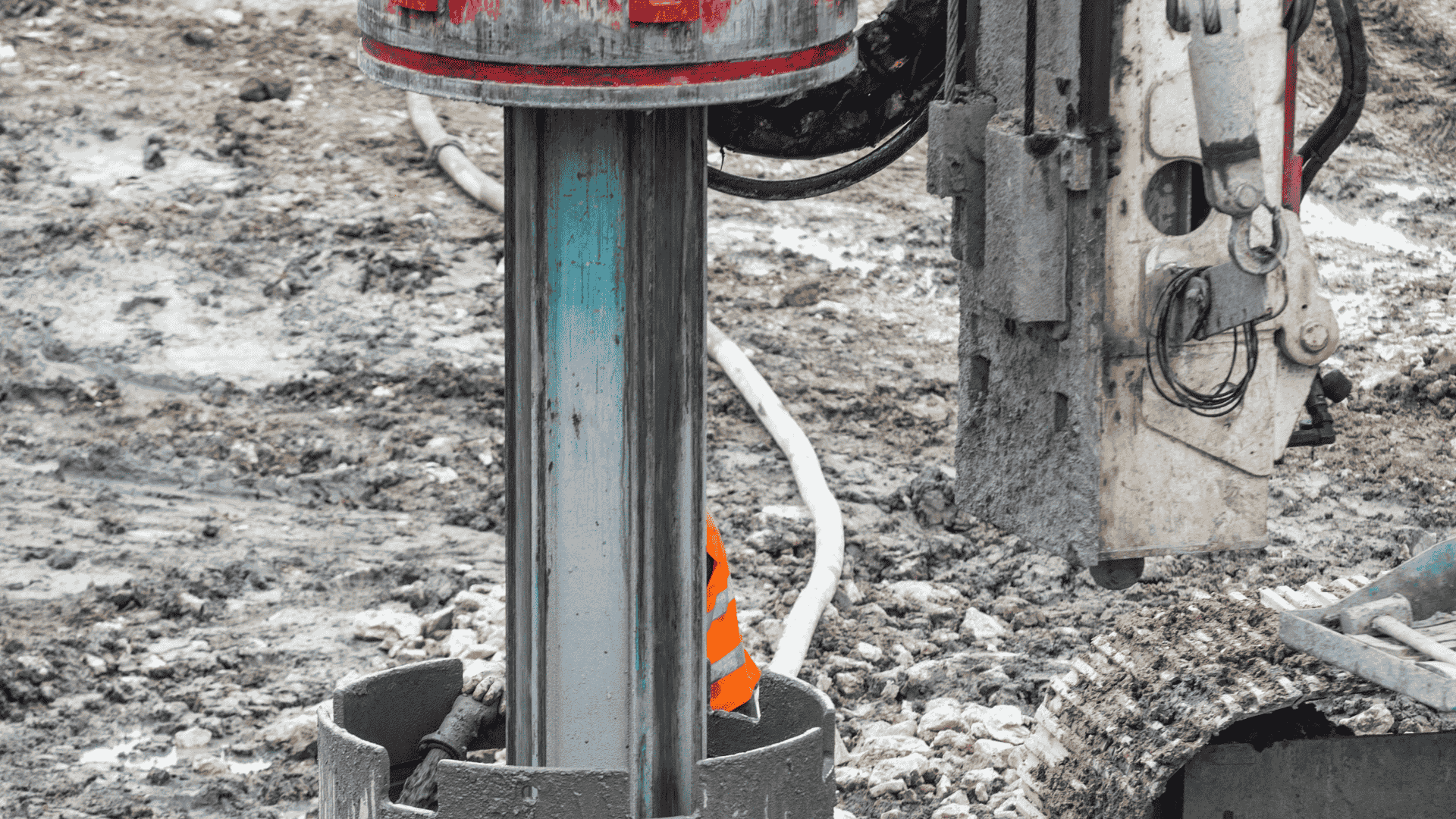
4. Micropiles: Small-diameter drilled and grouted piles used where access is restricted or loads must be transferred through weak surface soils. Installation typically involves casing, drilling, grouting, and steel reinforcement placement.
5. Helical piles: Steel shafts with helical bearing plates installed through controlled rotation. Capacity is developed through bearing at the helices, with installation torque used as a direct indicator of load resistance.
Equipment Used For Pile Installation
The equipment required depends on the selected installation method and performance criteria. It includes:
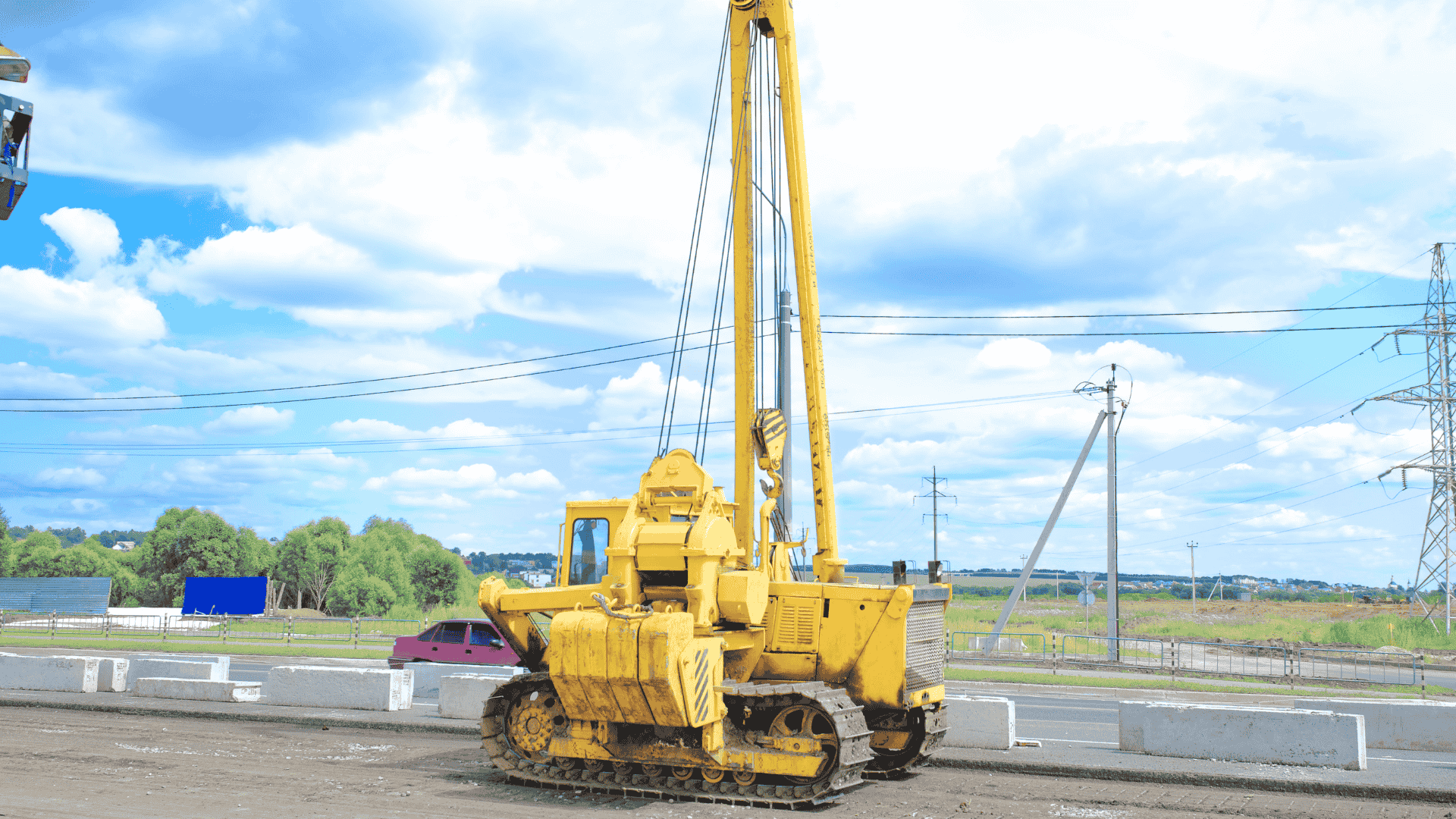
Impact hammers and vibratory drivers for driven piles
Rotary drilling rigs and augers for bored and CFA piles
Grout pumps, casing systems, and drill heads for micropiles
Hydraulic torque motors and drive heads for helical piles
Cranes, excavators, or compact carriers depending on access and pile size
Instrumentation systems for recording depth, resistance, torque, or drilling parameters
Selecting the appropriate installation method and equipment is essential for controlling soil disturbance, achieving design depth, and verifying pile performance during construction.
In modern foundation projects, equipment capability and monitoring systems are often as critical as the pile itself.
Factors Affecting Pile Installation Quality in 2026
Pile installation quality directly influences load capacity, settlement behaviour, and long-term foundation performance.
Even with sound engineering design, deviations during installation can alter load-transfer mechanisms and introduce variability that cannot be corrected after construction.
Several interrelated factors determine whether installed piles perform as intended:
Subsurface conditions: Soil stratification, density changes, obstructions, and groundwater conditions affect penetration resistance and achievable depth. Variations between borehole locations can lead to differences in pile behaviour across the same site.
Installation method selection: Each installation method interacts with soil differently. Driven piles displace soil, drilled piles remove it, and rotational systems mobilise bearing through controlled penetration. Selecting an inappropriate method can increase disturbance or reduce capacity.
Equipment capability and calibration: Installation equipment must be capable of achieving required depth, resistance, or torque without overstressing the pile or surrounding soil. Poor calibration or insufficient capacity can lead to incomplete installation or unreliable verification data.
Alignment and positional control: Verticality and batter tolerances influence load distribution within the pile and connection forces at pile caps. Early alignment errors typically worsen with depth and are difficult to correct once installation progresses.
Operator technique and execution: Installation speed, applied force or torque, and response to changing ground conditions depend heavily on operator experience. Consistent execution is critical to achieving repeatable performance across multiple piles.
Monitoring and documentation: Accurate recording of depth, resistance, torque, and installation sequence provides the basis for engineering verification. Incomplete or inconsistent data reduces confidence in performance and limits effective quality control.
Managing these factors through engineered installation procedures and real-time monitoring helps ensure that pile foundations perform in line with design intent rather than assumptions made before construction.
Introducing Helical Pile Installation as a Modern Method
As project constraints become more complex, traditional pile installation methods do not always provide the constructability, verification, or schedule flexibility required on modern sites. This has led to increased adoption of alternative foundation systems that offer greater control during installation.
Helical pile installation is one such modern method, developed to address limitations commonly encountered with driven and drilled piles. Instead of relying on impact or excavation, helical piles are advanced into the ground through controlled rotational torque, allowing load-bearing elements to be installed with minimal vibration and soil disturbance.
Helical pile installation is particularly suited to conditions where:
Site access is restricted or headroom is limited
Vibration and noise must be controlled near existing structures
Groundwater or loose soils complicate drilled installations
Immediate loading is required to maintain construction schedules
Real-time verification of capacity is preferred during installation
From an engineering perspective, helical piles transfer load primarily through bearing at the helical plates, supported by shaft resistance along the pile length. Installation torque provides a measurable correlation to axial capacity, enabling performance to be assessed as piles are installed rather than inferred afterward.
When properly engineered, helical pile installation offers predictable behaviour under compression, uplift, and lateral loading, making it a reliable option within modern deep foundation systems, particularly where traditional installation methods face practical or environmental constraints.
Key characteristics of helical pile installation include:
Rotational advancement, not excavation or impact: Piles are screwed into the ground, limiting soil disturbance and vibration.
Torque-based capacity verification: Installation torque provides a real-time proxy for axial capacity, reducing reliance on assumed soil strength.
Progressive load development: Bearing plates and shaft resistance are mobilised gradually, improving predictability in variable soils.
Immediate load readiness: Because capacity is achieved during installation, piles can often be loaded without curing delays.
Alignment and tolerance control: Verticality, batter, and cut-off elevations are verified during installation, supporting precise structural connections.
As construction schedules tighten and subsurface uncertainty increases, helical pile installation has become a preferred method for reducing foundation risk. By combining installation and verification into a single, measurable process, engineers gain confidence that load transfer, settlement behaviour, and long-term performance are confirmed before the structure is built.
Types of Helical Pile Installation in 2026
Helical pile installation is not a single, fixed approach. In 2026, installation methods are selected based on load demand, soil behaviour, access constraints, and the level of verification required during construction.
While all helical piles are installed through controlled rotation, the installation configuration and execution strategy can vary to match engineering intent and site conditions.
Below are the primary types of helical pile installation used in modern projects:
Vertical Helical Pile Installation
This is the most common installation method, where piles are advanced vertically to resist axial compression, uplift, or combined loads.
Vertical installation is typically used for:
Building columns and load-bearing walls
Equipment foundations and pipe racks
Solar, battery storage, and modular structures
Installation torque is monitored continuously to confirm axial capacity and settlement behaviour. Precise verticality control is critical to ensure loads transfer axially into the helices and surrounding soil without inducing bending stresses.
Batter (Inclined) Helical Pile Installation
In batter installations, helical piles are installed at a designed angle rather than vertically. This approach is used when lateral loads, overturning moments, or combined load cases govern foundation performance.
Battered helical piles are commonly applied in:
Seawalls, bulkheads, and waterfront structures
Transmission structures and sign gantries
Foundations subject to wind, wave, or seismic forces
Because torque can still be measured along the installation path, engineers retain real-time verification of capacity even when piles are installed at an angle.
Limited-Access Helical Pile Installation
Some sites restrict the use of large piling equipment due to space, overhead clearance, or proximity to existing structures. In these conditions, helical piles are installed using compact excavators, skid steers, or handheld hydraulic drive systems.
This method is frequently used for:
Retrofit and underpinning projects
Urban infill construction
Industrial facilities that must remain operational
Despite smaller equipment, torque monitoring remains central to performance verification, ensuring reduced access does not compromise capacity or reliability.
High-Capacity Helical Pile Installation
For projects with heavy structural loads, larger-diameter shafts, multiple helices, or extended embedment depths are used to increase load resistance.
High-capacity installations are typically associated with:
Industrial buildings and heavy equipment
Energy and infrastructure projects
Pile cap and grade beam foundations
Installation focuses on achieving higher target torque values and maintaining alignment tolerances that support efficient load sharing across pile groups.
Temporary and Removable Helical Pile Installation
Helical piles are increasingly used for temporary or semi-permanent structures where future removal is required. These installations prioritize controlled embedment and extraction feasibility without compromising performance during service life.
Typical applications include:
Temporary works and construction platforms
Modular or relocatable facilities
Event, access, or monitoring structures
Because capacity is developed mechanically rather than through curing or grouting, piles can be removed with minimal site restoration.
Why Installation Type Matters
Across all installation types, the defining advantage of helical piles is that capacity is confirmed during installation, not inferred later. Torque, depth, and alignment data allow engineers to adjust installation in real time, reducing uncertainty and minimizing the need for conservative redesign or post-installation remediation.
Selecting the appropriate helical pile installation approach helps align foundation performance, constructability, and verification, particularly under the compressed schedules and site constraints common in 2026 projects. Early engagement with a reliable engineer allows installation method, ground conditions, and performance data to be evaluated together, supporting clearer design decisions and more reliable construction outcomes.
Best Practices for Reliable Helical Pile Installation in 2026
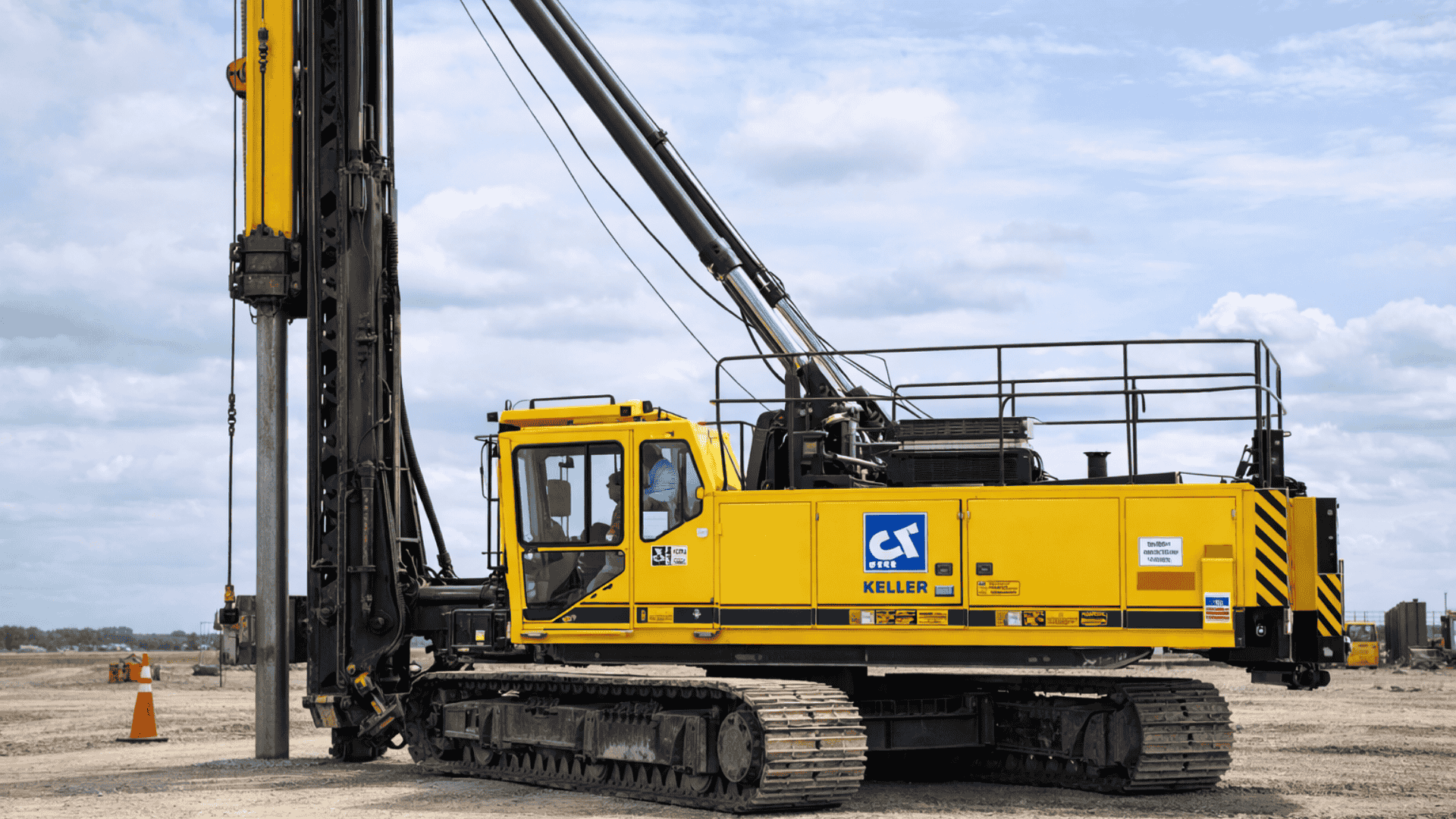
Reliable helical pile installation depends on disciplined execution, verified data, and alignment between design intent and field behaviour.
In 2026, best practice is less about rigid procedures and more about maintaining engineering control throughout installation.
Below are the practices that consistently lead to predictable performance and lower foundation risk:
Align Installation Criteria With Design Assumptions
Target torque, embedment depth, and helix configuration must be directly linked to the design load model. Installation criteria should be defined upfront so field measurements clearly confirm, rather than approximate, foundation capacity.
Treat Installation as an Engineering Verification Activity
Helical pile installation should be continuously monitored and reviewed, not treated as repetitive construction. Torque progression, penetration rate, and resistance trends provide real-time insight into soil behaviour and pile performance.
Use Calibrated Equipment and Controlled Installation
Hydraulic drive heads, torque motors, and monitoring systems must be calibrated and maintained. Reliable torque data is essential when installation measurements are used as the primary basis for capacity verification.
Control Alignment and Tolerances From the Start
Verticality, batter angle, and pile positioning should be controlled using guides or frames before resistance increases. Early control prevents unintended bending stresses and simplifies pile cap or structural connections.
Adapt to Ground Conditions With Engineering Oversight
Unexpected soil behaviour should trigger review, not force installation to preset targets. Adjustments to embedment depth or installation approach should be guided by engineering interpretation of torque trends and soil stratigraphy.
Maintain Clear Documentation and Traceability
Each pile should be fully traceable, with installation logs linking torque, depth, location, and observed conditions. High-quality records support verification, inspections, and future foundation assessment.
Integrate Design, Manufacturing, Installation, and Verification
Helical pile performance improves when these phases are coordinated rather than handed off. Projects benefit most when helical pile design, manufacturing, installation, and verification are coordinated under a single engineering-led workflow.
This reduces interpretation gaps, improves accountability, and ensures that installed foundations perform as modelled, not just as assumed.
When these best practices are applied consistently, helical pile installation becomes a controlled, verifiable process that delivers predictable foundation performance under modern construction constraints.
How TorcSill Facilitates Helical Pile Installation in 2026
Helical pile installation is where foundation design assumptions are confirmed, or challenged, by real ground behaviour. In 2026, installation data such as torque progression, embedment depth, and alignment is not just a construction record; it is a primary engineering input that determines capacity, settlement performance, and long-term reliability.
TorcSill supports helical pile installation decisions by acting as an engineering partner throughout this critical phase, helping project teams interpret field behaviour and adjust foundation strategy before risk propagates into the structure.
On energy and industrial projects with variable soils, TorcSill has supported helical pile installation where torque trends identified changing strata early, allowing pile lengths to be adjusted before production installation.
How TorcSill adds value during helical pile installation:
Engineering & design for tailored foundation engineering: TorcSill defines load paths, helix configurations, and target torque criteria based on site-specific geotechnical data and structural demands, ensuring installation parameters directly reflect design intent.
Manufacturing for quality helical piles & components: Consistent shaft tolerances, helix geometry, and weld quality ensure torque readings and installation behaviour remain reliable and comparable across piles, supporting accurate capacity correlation.
Construction services for site execution & installation: Installation is carried out with controlled procedures and real-time monitoring, allowing torque trends, penetration behaviour, and alignment to be reviewed as engineering data—not just recorded as logs.
Drilling services for site preparation & soil access: Where access, obstructions, or sensitive ground conditions exist, TorcSill enables installation strategies that maintain alignment, minimise disturbance, and preserve the integrity of installation data.
By integrating engineering, manufacturing, and field execution, TorcSill ensures that installation behaviour is understood, verified, and aligned with foundation performance objectives.
Conclusion
Pile installation is a critical phase in foundation construction, where design assumptions are tested against real ground conditions and construction constraints. When installation is planned, monitored, and interpreted correctly, it provides confidence that piles will achieve their intended capacity and long-term performance.
TorcSill provides targeted engineering insight to help teams align installation behaviour with design intent and site conditions. This support enables informed decisions during construction, rather than reactive fixes after issues arise.
For commercial and industrial projects, early technical review of pile installation data reduces risk, supports constructability, and helps deliver efficient, durable foundation systems.
Consult a TorcSill engineer to determine how your pile installation approach should inform foundation design and construction decisions.
Frequently Asked Questions (FAQs)
1. How do engineers know when a pile has reached adequate capacity?
Capacity is inferred from installation parameters such as achieved depth, resistance, torque (for helical piles), or driving response. These values are correlated with design assumptions and, where required, confirmed through load testing.
2. Can pile installation methods be changed after construction starts?
Yes, but only with engineering review. Unexpected ground conditions, access constraints, or installation refusal may require method adjustments to ensure piles still meet performance requirements.
3. What installation records are typically required for compliance?
Common records include depth or penetration logs, driving resistance or torque data, installation rates, equipment used, and any deviations from planned procedures. These records support both quality assurance and future assessments.
4. How does pile installation affect long-term settlement performance?
Installation method influences soil disturbance, stress redistribution, and load transfer mechanisms. Poorly controlled installation can increase settlement risk even if nominal capacity appears adequate.
5. How does TorcSill support pile installation decisions on active projects?
TorcSill provides foundation-focused engineering input by reviewing installation data, correlating field behaviour with design assumptions, and advising on adjustments needed to manage risk and maintain performance intent during construction.