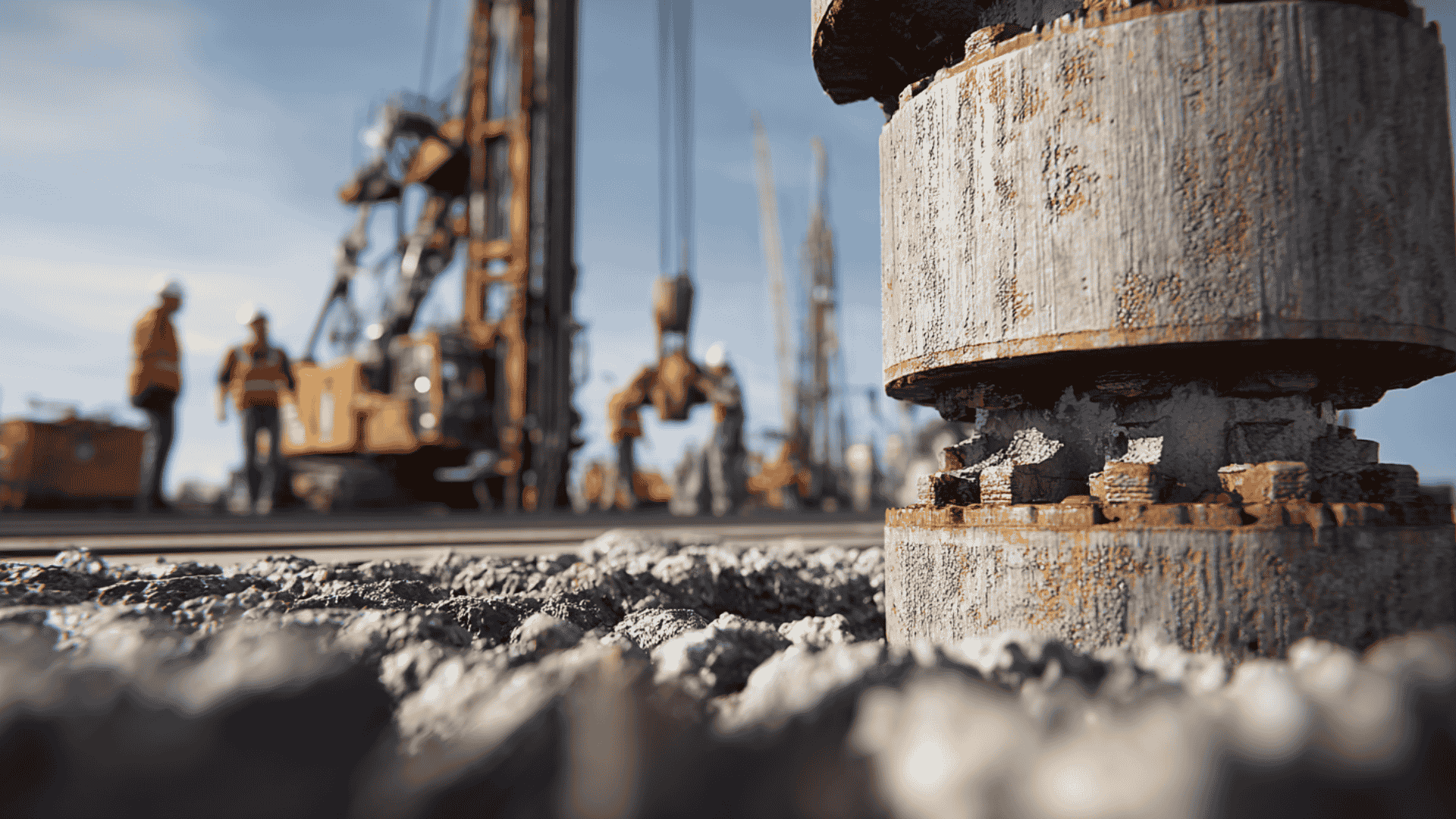
When projects involve weak soils, heavy structures, or constrained urban sites, foundations can make or break a project. Engineers and EPCs across sectors often face unpredictable soil conditions, tight schedules, and the risk of settlement or structural delays.
Choosing the wrong foundation type can lead to costly rework and project setbacks. Driven pile foundations provide a proven solution for these challenges. They ensure stability and long-term reliability even under demanding conditions by transferring structural loads deep into stable soil or rock.
This blog will guide you through the design principles of driven piles and the key benefits they bring to complex construction projects. You’ll gain practical insights to decide when and why driven piles are the best foundation choice for your project.
Quick Recap
Deep Load Transfer: Driven piles carry structural loads down to stable soil or rock, providing long-term stability even on weak, waterlogged, or inconsistent ground.
Material and Design Flexibility: Available in steel, concrete, timber, and composite forms, driven piles can be tailored to site constraints, load requirements, and budgets.
Efficient Installation: Installed using impact or vibratory methods, driven piles allow fast, reliable construction with minimal spoil and immediate load-bearing capacity.
Predictable Performance: They perform consistently across diverse soil types, resist lateral and seismic forces, and maintain structural integrity over the long term.
What Is a Driven Pile?
A driven pile is a deep foundation element designed to support structural loads or resist applied forces by transferring them into stronger soil layers below the surface. It is a long, slender structural member made from preformed materials with a fixed shape and size, allowing it to be inspected before and during installation.
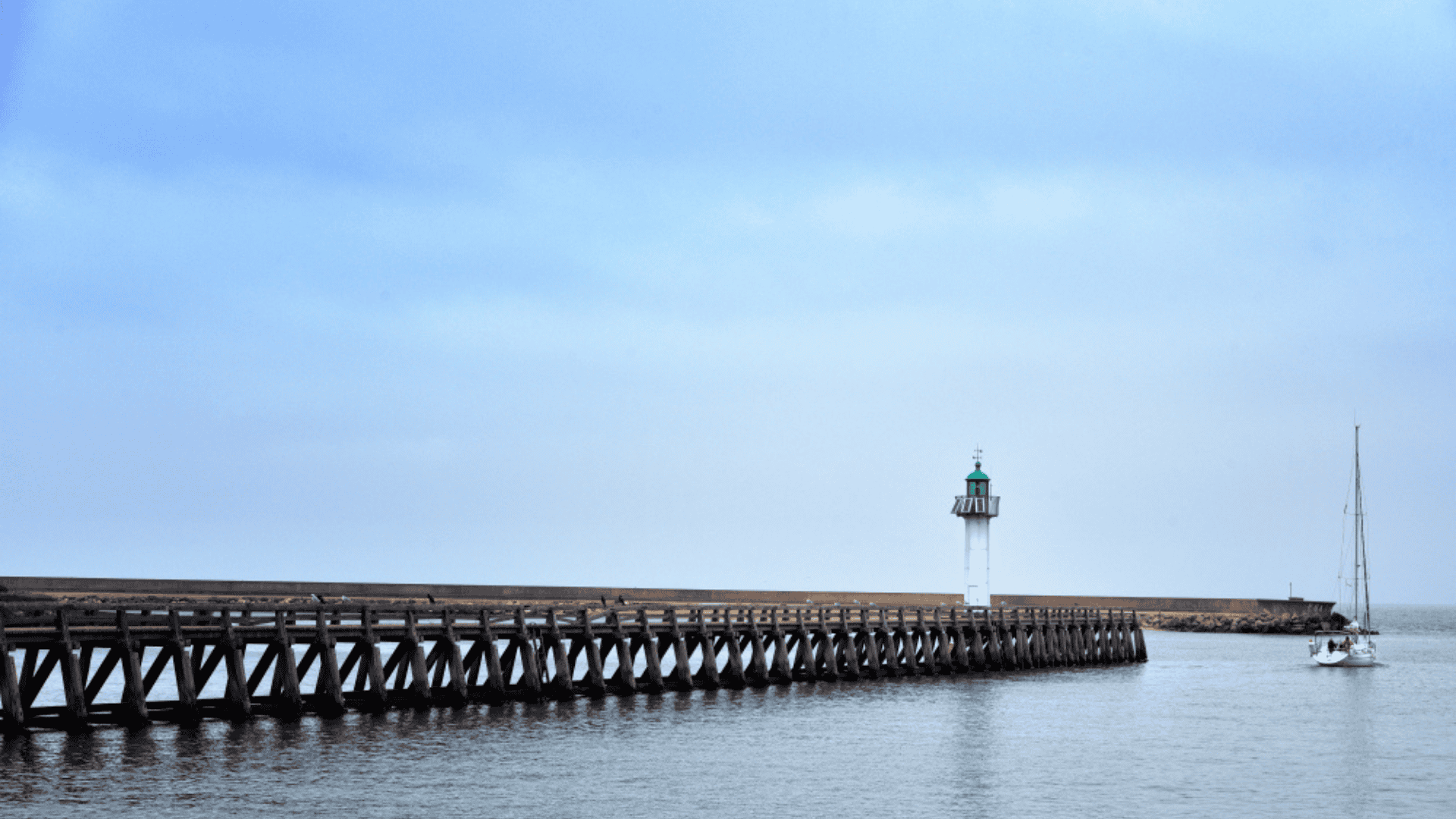
Ideal for marine, coastal, and waterfront projects, driven piles allow immediate use without waiting for concrete curing. They also support top-down construction for bridges or piers and can form temporary trestles over water or wetlands.
Design Principles & Retaining Applications of Driven Piles
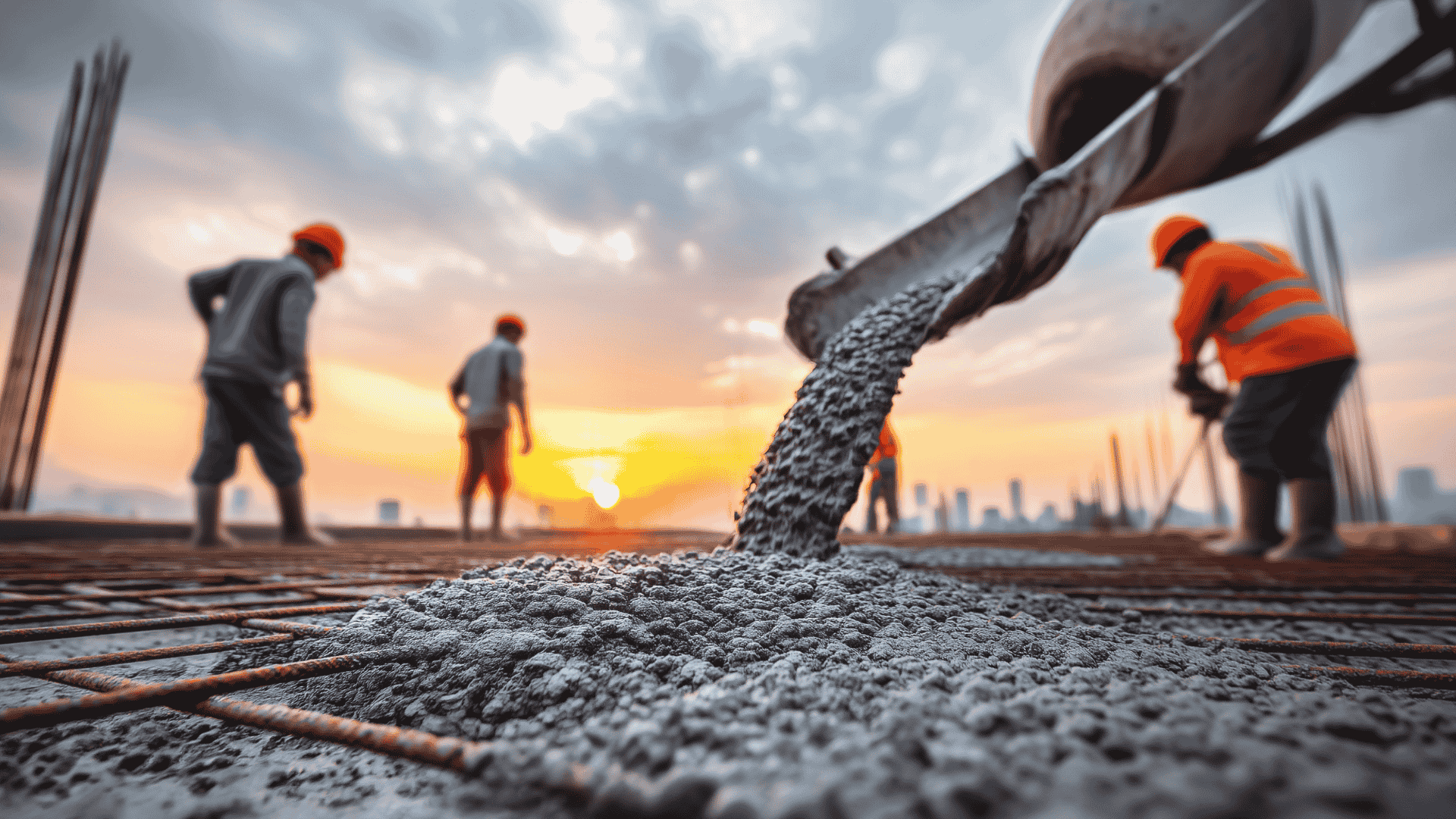
Driven piles serve both load-bearing and lateral support roles in infrastructure projects. They are commonly used beneath structures and along retaining walls or sound barriers where ground movement must be controlled.
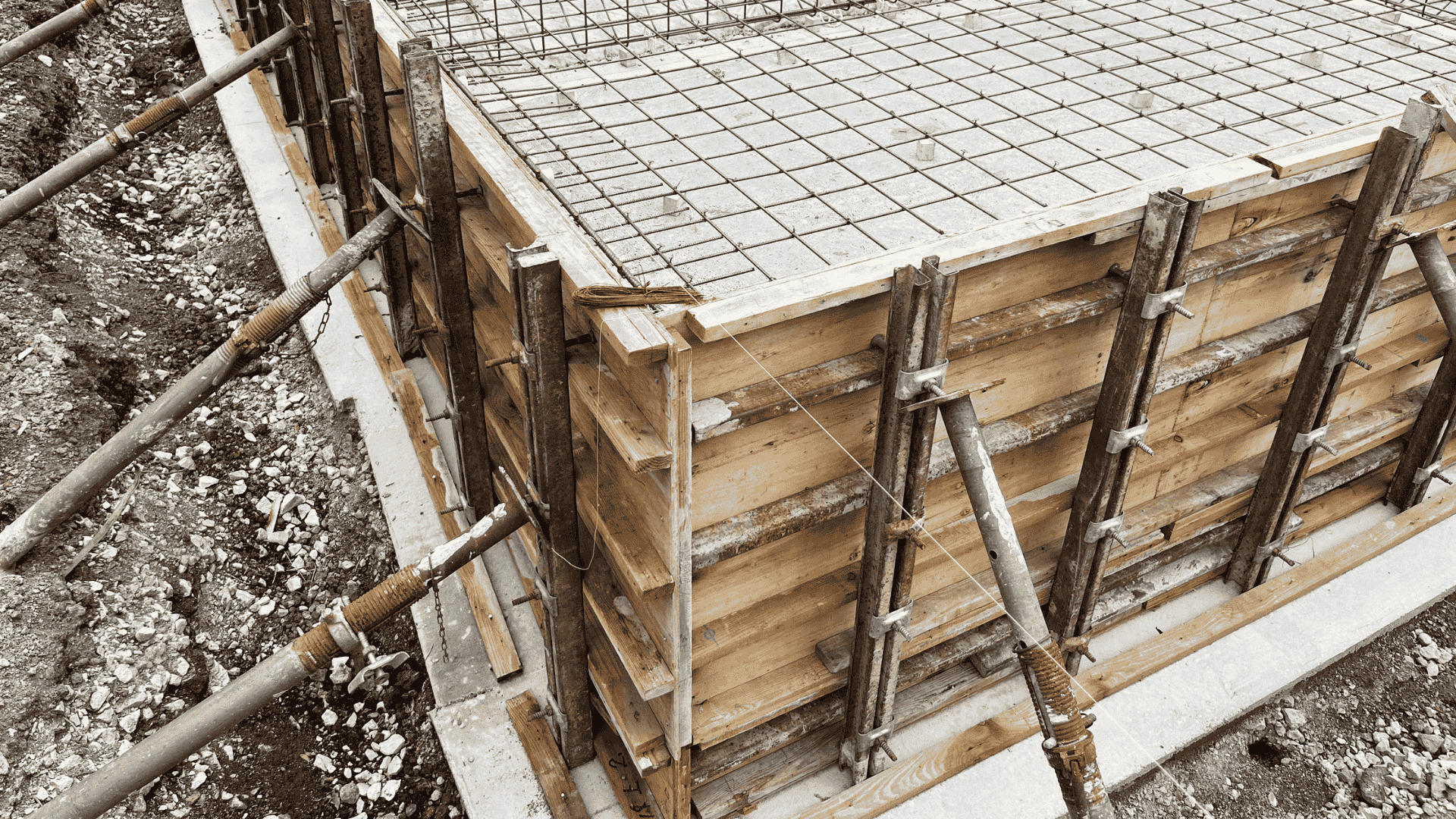
Structural Load Support: Driven piles transfer vertical loads to deeper, stable soil layers and resist lateral and uplift forces once integrated with pile caps.
Earth Retention Systems: Steel sheet piles and pipe piles are often used to support retaining walls, soundwalls, and excavation edges under lateral soil pressure.
Fast, Clean Construction: No excavation spoil or curing time allows continuous installation and faster overall project completion.
Driven piles deliver reliable structural performance while supporting efficient construction across demanding site conditions.
With this in mind, it becomes easier to identify the site conditions and scenarios where driven piles provide the most reliable performance.
Site Conditions That Favor Driven Pile Foundations
Driven pile foundations are selected when projects require predictable performance, high load capacity, and rapid installation under challenging ground conditions.
Loose or Saturated Soils: Driven piles perform well in sands, silts, and soft clays by displacing and densifying surrounding soil during installation.
High Load Requirements: They are well-suited for structures carrying heavy vertical or lateral loads, including bridges, industrial plants, and marine infrastructure.
Need for Immediate Load Capacity: Driven piles can often be loaded immediately after installation, helping projects stay on schedule.
Sites with Minimal Excavation Tolerance: Installation generates little to no spoil, making driven piles practical where soil removal is limited or costly.
Marine and Waterfront Environments: Driven piles are commonly used where waterlogged soils, scour, or erosion make shallow foundations unreliable.
Large or Repetitive Foundation Programs: Driven piles offer efficiency and consistency for projects with multiple foundations or long pile runs.
When conditions favor soil displacement and rapid installation, driven piles provide a reliable, time-tested foundation solution.
For projects requiring reliable deep foundations under challenging soil conditions, TorcSill’s engineered helical piles deliver predictable performance, rapid installation, and long-term stability.
Once you know why driven piles are chosen, the next step is to examine the different types, materials, and configurations that make them suitable for each project.
How Driven Piles Are Classified by Type, Material, and Use
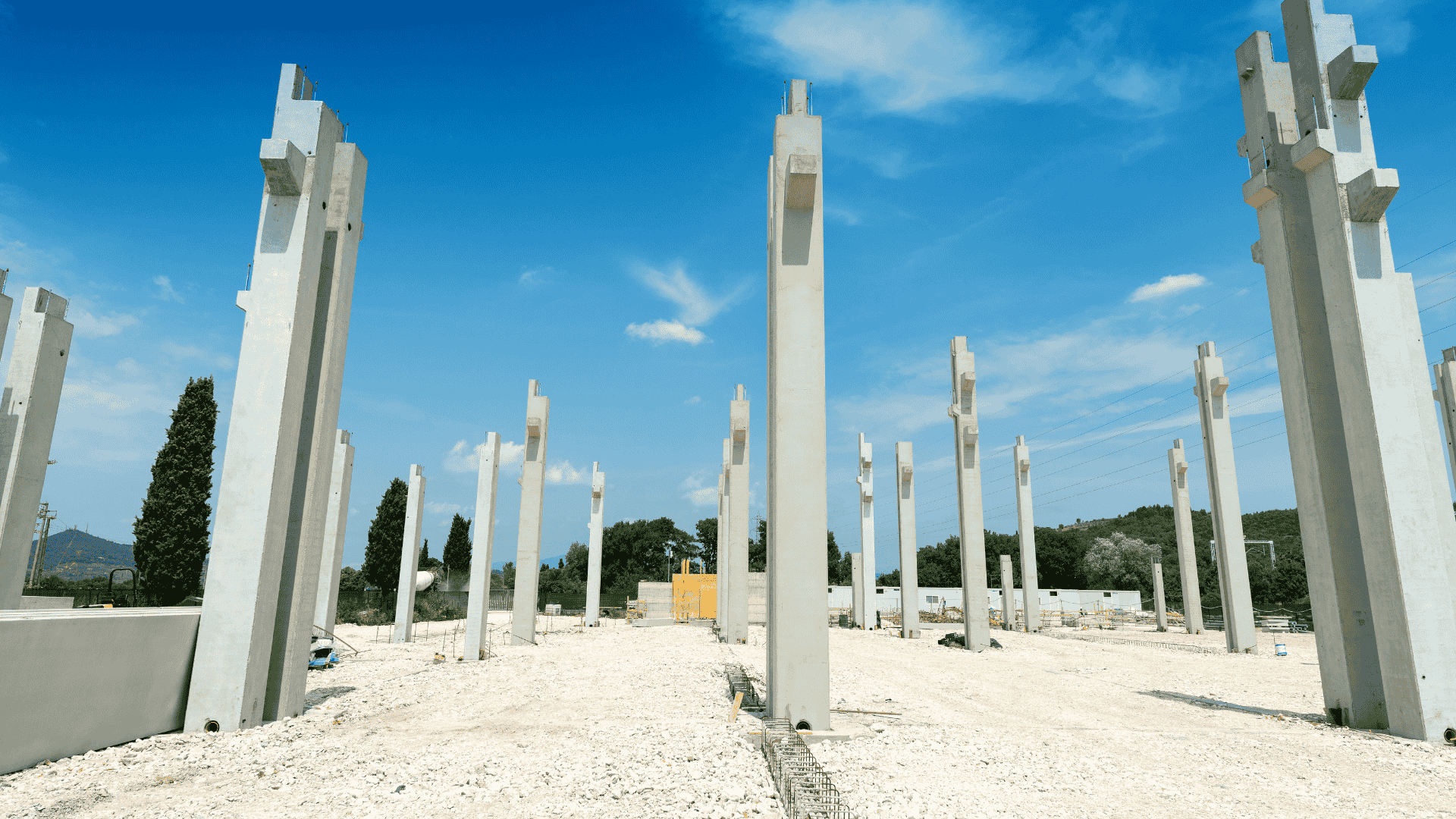
Driven piles can be customized to suit a structure’s requirements, soil conditions, and project budget, making them a versatile solution across various infrastructure projects.
Materials and Types:
Steel Piles: H‑piles, pipe piles (open- or closed-end), tapered piles, shell (mandrel-driven), and sheet piles. Ideal for high loads, variable soils, and minimal vibration requirements.
Concrete Piles: Precast or cast-in-place; shapes include square, octagonal, cylindrical, or sheet piles. Suitable for heavy structural loads and long-term durability.
Timber Piles: Typically used for lighter loads or temporary structures, particularly in waterfront or near-shore applications.
Composite Piles: Combine materials, such as steel-tipped concrete piles, to optimize performance and penetration through dense soils or rock.
Driven piles adapt to variable site conditions to provide uniform minimum capacity with high reliability. They are installed to meet design criteria, such as blow counts per unit penetration.
Installation Method
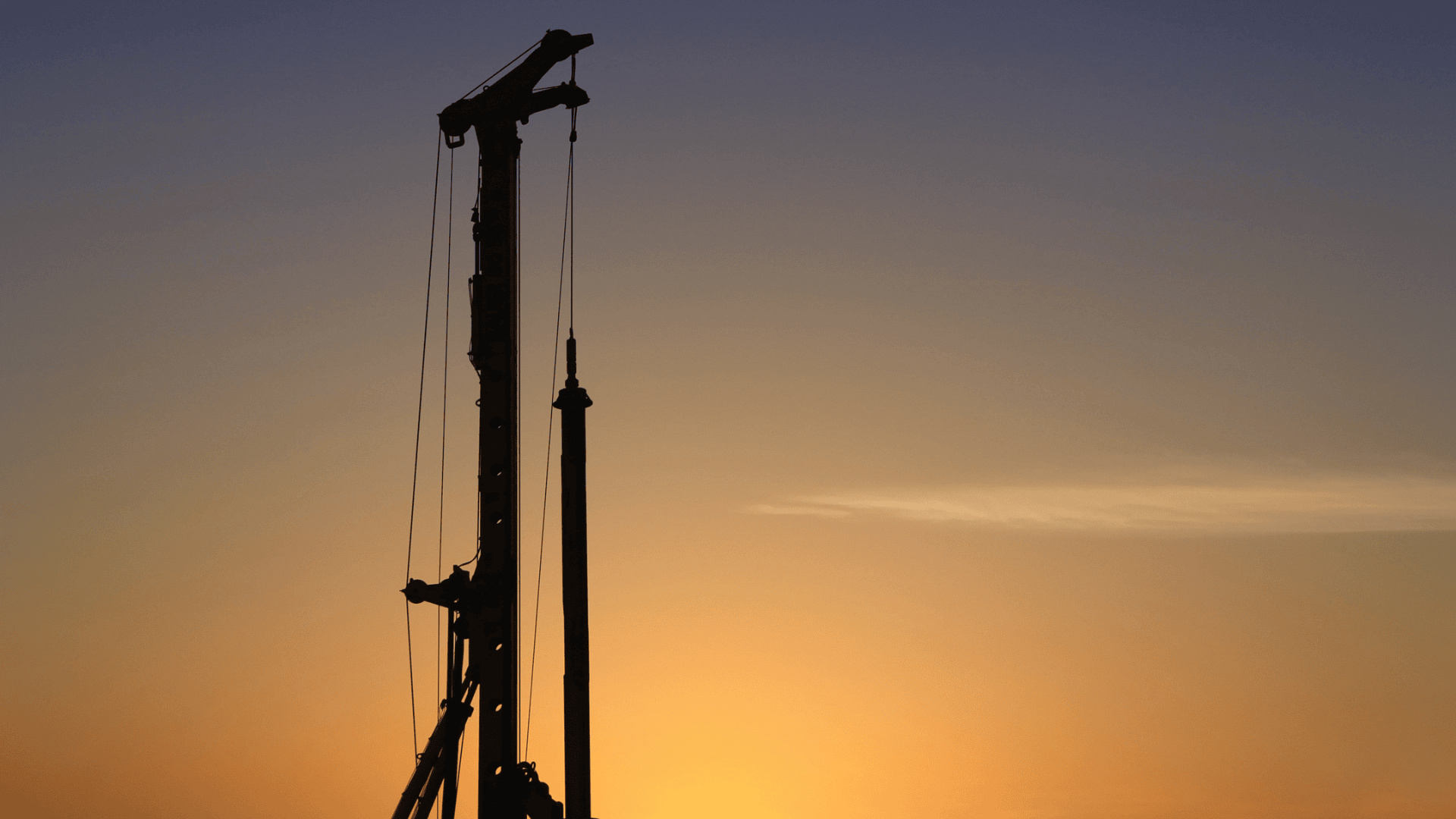
Driven piles are installed by driving them into the ground using impact hammers or vibratory equipment. This method works for a wide range of soil conditions and allows rapid, reliable installation.
Precast piles are manufactured off-site and driven into the ground, while cast-in-place piles are formed and concreted after creating a bore or displacement.
With their versatility and adaptability to challenging site conditions, driven piles remain a chosen foundation solution for a wide range of construction projects.
Next, let's learn why driven piles are favored in construction, offering several key benefits that ensure stability and efficiency.
The Performance Advantages Behind Driven Pile Foundations
Driven pile foundations are widely used because they deliver predictable performance across varied ground conditions, while offering speed, reliability, and long-term value.
Suitable for Most Ground Conditions: Driven piles perform well in soft, loose, saturated, and variable soils, making them a dependable choice across diverse site environments.
Wide Range of Pile Sizes and Materials: Available in steel, concrete, timber, and composite forms, driven piles can be tailored to meet structural, soil, and budget requirements.
Cost-Effective Foundation Solution: High load capacity and efficient installation often reduce the number of piles required, lowering overall foundation costs.
Integrated Engineering Approach: Design, installation, and testing work together to deliver predictable performance and eliminate uncertainty in foundation capacity.
Consistent Material Quality: Driven piles are manufactured to precise tolerances using high-strength materials that meet ASTM standards and verified quality controls.
Shape Integrity During Installation: Piles maintain their cross-section during driving, avoiding bulging or deformation even in soft or saturated soils.
Verifiable Performance: Static and dynamic testing confirm load capacity, pile integrity, and hammer performance, providing clear documentation of results.
Reduced Equipment and Labor Needs: Optimized designs can use lighter equipment and fewer piles, delivering measurable savings in time and construction costs.
Adjustable Length and Configuration: Piles can be spliced, cut off, or fitted with shoes to match variable subsurface conditions and depth requirements.
These advantages make driven pile foundations a reliable, efficient, and adaptable choice for projects facing challenging soils, heavy loads, or complex site conditions.
Facing challenging soils or tight schedules? TorcSill’s helical pile solutions deliver predictable strength, fast installation, and minimal site disruption, engineered to keep your project on track.
With these advantages in mind, it’s worth considering how TorcSill can provide driven pile solutions that combine design expertise with reliable installation.
TorcSill: Expert Solutions for Driven Pile Foundations
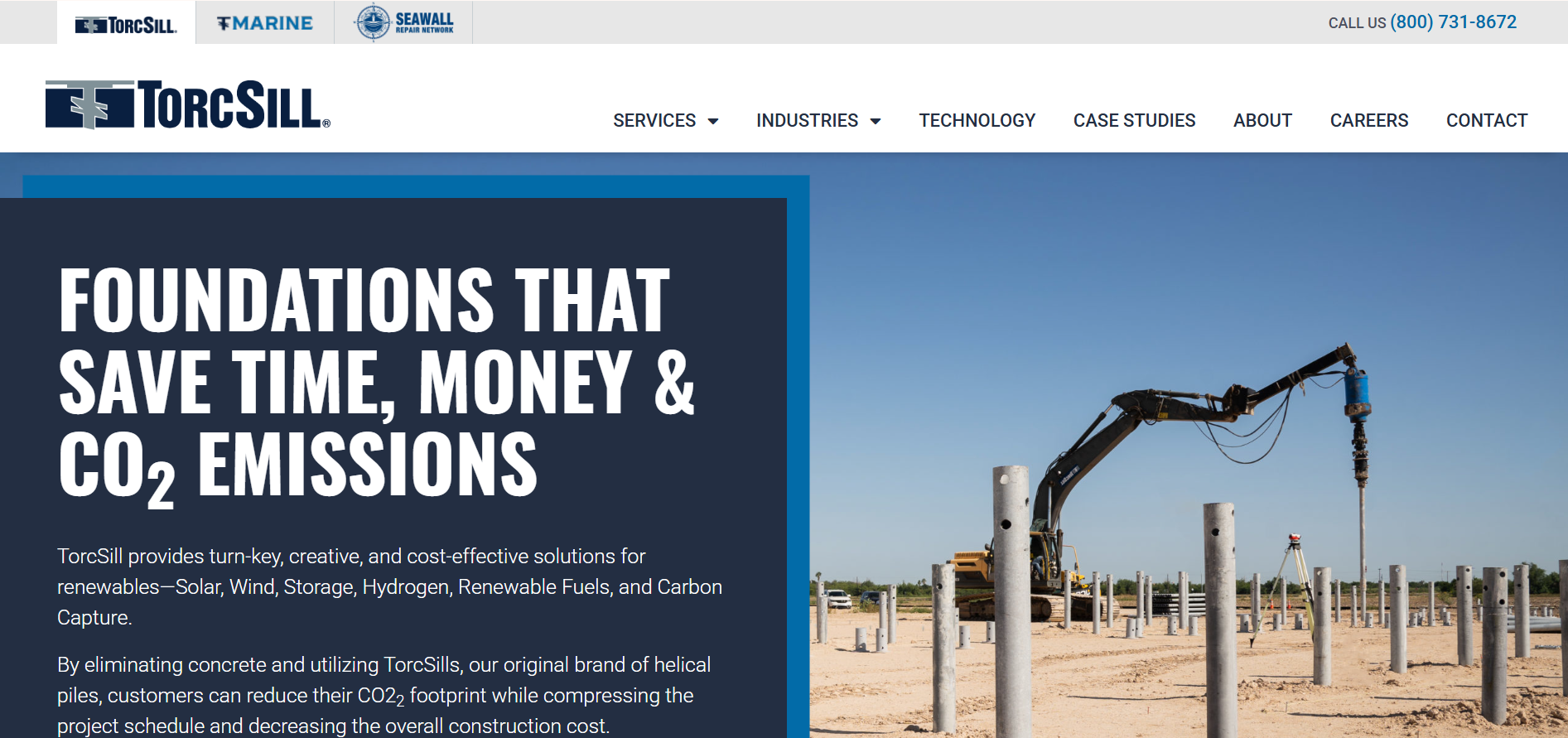
When your project demands precision, reliability, and efficiency, TorcSill delivers engineered pile solutions tailored to challenging soils, heavy loads, and complex site conditions:
Engineered Design Solutions: Foundations designed based on soil data, load requirements, and structural needs for predictable performance.
Wide Material Expertise: Helical piles and screw pile systems crafted to match project-specific requirements and environmental conditions.
Turnkey Installation: From manufacturing to on-site driving, we manage every stage of the foundation process.
Rapid, Low-Impact Installation: Minimal vibration, reduced spoil, and immediate load application to keep projects on schedule.
Marine and Industrial Expertise: Proven solutions for ports, offshore, energy, industrial, and heavy infrastructure projects.
Durability and Quality Assurance: Piles meet rigorous standards, with coatings and treatments to resist corrosion and extend service life.
Partner with TorcSill for helical pile foundations that combine strength, reliability, and speed, ensuring your project is built to last.
Conclusion
Driven pile foundations offer a dependable solution for projects on weak soils, waterlogged areas, or sites with heavy structural demands. By transferring loads deep into stable soil or rock, they provide long-term stability, minimize settlement risks, and adapt to challenging site conditions.
For projects that demand precision, efficiency, and lasting performance, TorcSill offers engineered helical pile solutions that combine strength, adaptability, and speed, ensuring your foundation is built to perform from design through installation.
Ensure your project stands on solid ground. Partner with TorcSill for expert helical pile solutions today.
FAQs
1. What is a driven pile foundation?
A driven pile foundation is a deep foundation where prefabricated piles (steel, concrete, or timber) are hammered or vibrated into the ground to transfer structural loads to stable soil or rock.
2. What are the disadvantages of driven piles?
Driven piles can generate noise and vibration, require heavy equipment, and may be challenging in areas with underground obstructions or strict access limitations.
3. What is the difference between driven and bored piles?
Driven piles are installed by hammering or vibrating prefabricated elements into the ground, while bored piles are cast-in-place after drilling, minimizing vibration but often taking longer to construct.
4. How deep can driven piles go?
Driven piles can reach tens of meters, depending on soil conditions, pile type, and load requirements, and can be spliced to extend to the required depth.
5. What types of materials are used for driven piles?
Common materials include steel (H‑piles, pipe piles), concrete (precast or cast-in-place), timber, and composite piles combining different materials for enhanced performance.