The foundation you choose can make or break your project, quite literally. In recent years, screw piles have rapidly moved from niche engineering solution to mainstream foundation choice across residential, commercial, and infrastructure projects.
Screw piles deliver reliable load-bearing capacity with faster installation, minimal site disruption, and improved adaptability compared to traditional options like concrete footings. The global market reflects this momentum, with the screw piles industry valued at approximately USD 851.5 million in 2024 and expected to grow at a CAGR of 4.20% from 2024 to 2031, an indicator of widespread adoption and growing confidence in this technology.
This complete price guide breaks down every cost component you need to understand if you’re planning a screw pile foundation.
Key Highlights from This Guide
Screw pile costs vary based on soil conditions, pile size, access, and project scale, not just the number of piles.
Residential projects like decks and fences are typically more affordable, while full foundations require engineered designs and a higher investment.
Hidden costs such as soil testing, permits, brackets, and load verification can significantly impact the final budget.
Professional installation often reduces long-term costs by ensuring correct load capacity, alignment, and code compliance.
Partnering with experienced providers like TorcSill helps achieve accurate pricing, reliable performance, and cost-effective foundation solutions.
What Are Screw Piles and How Do They Work?
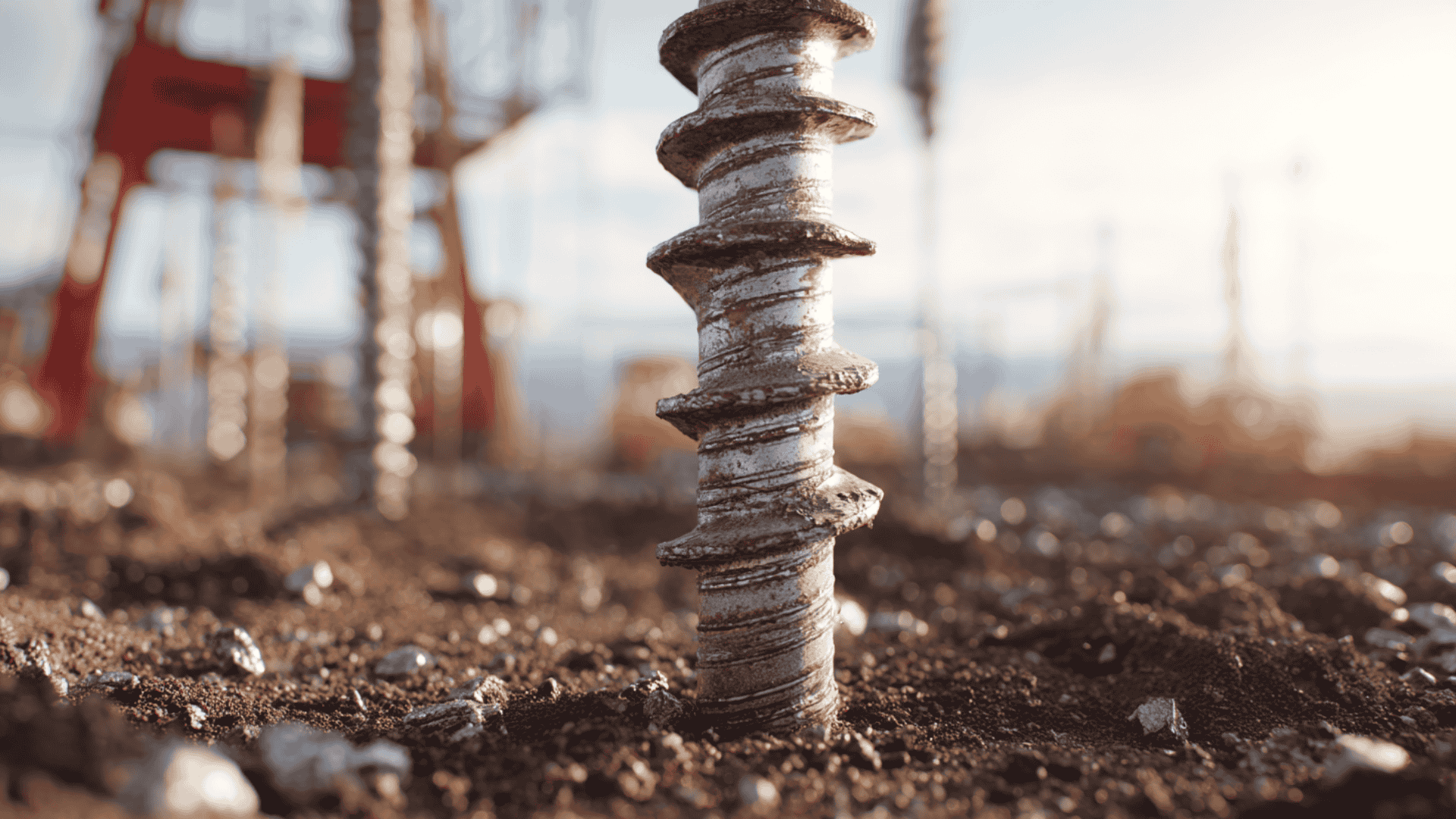
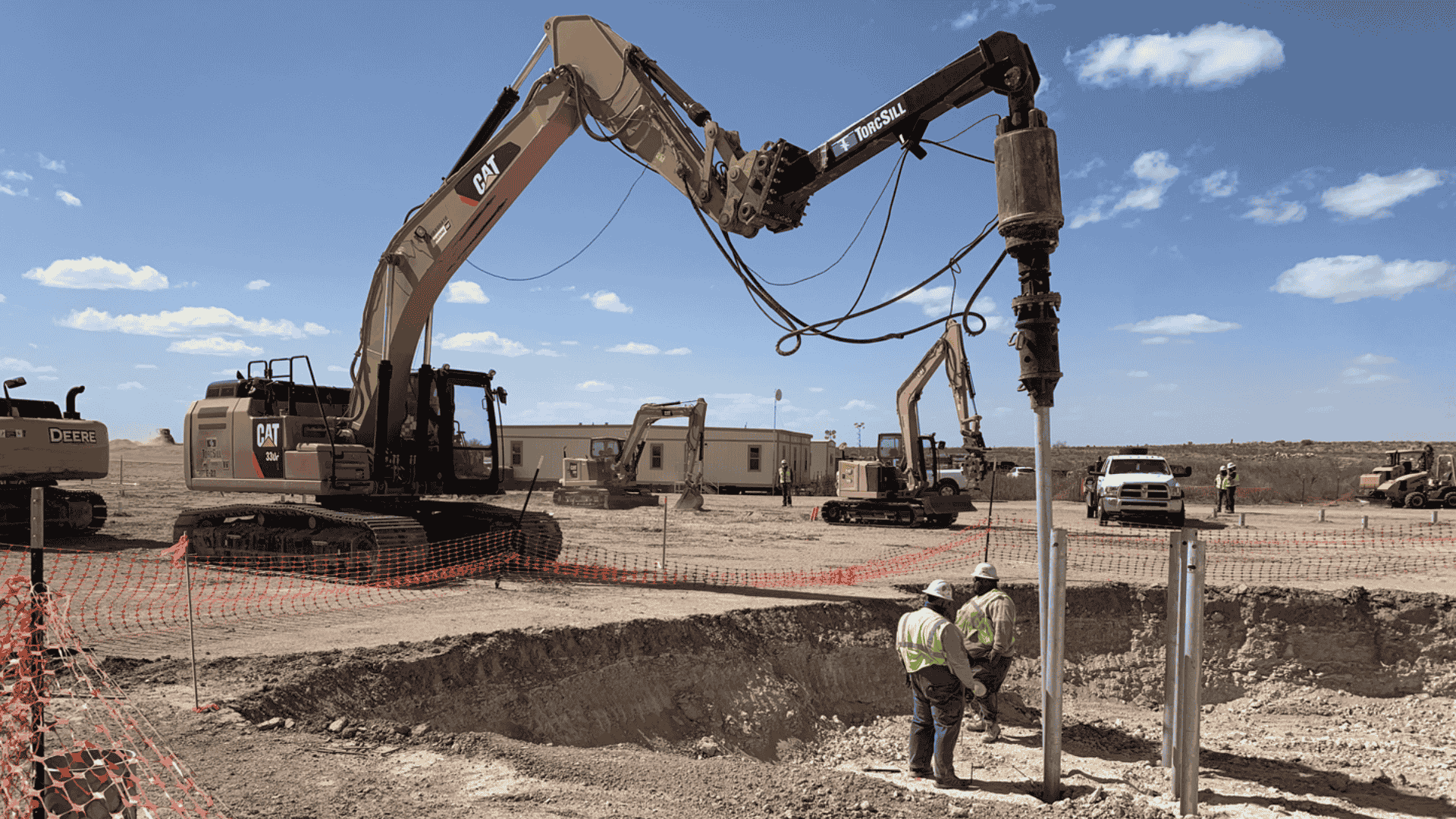
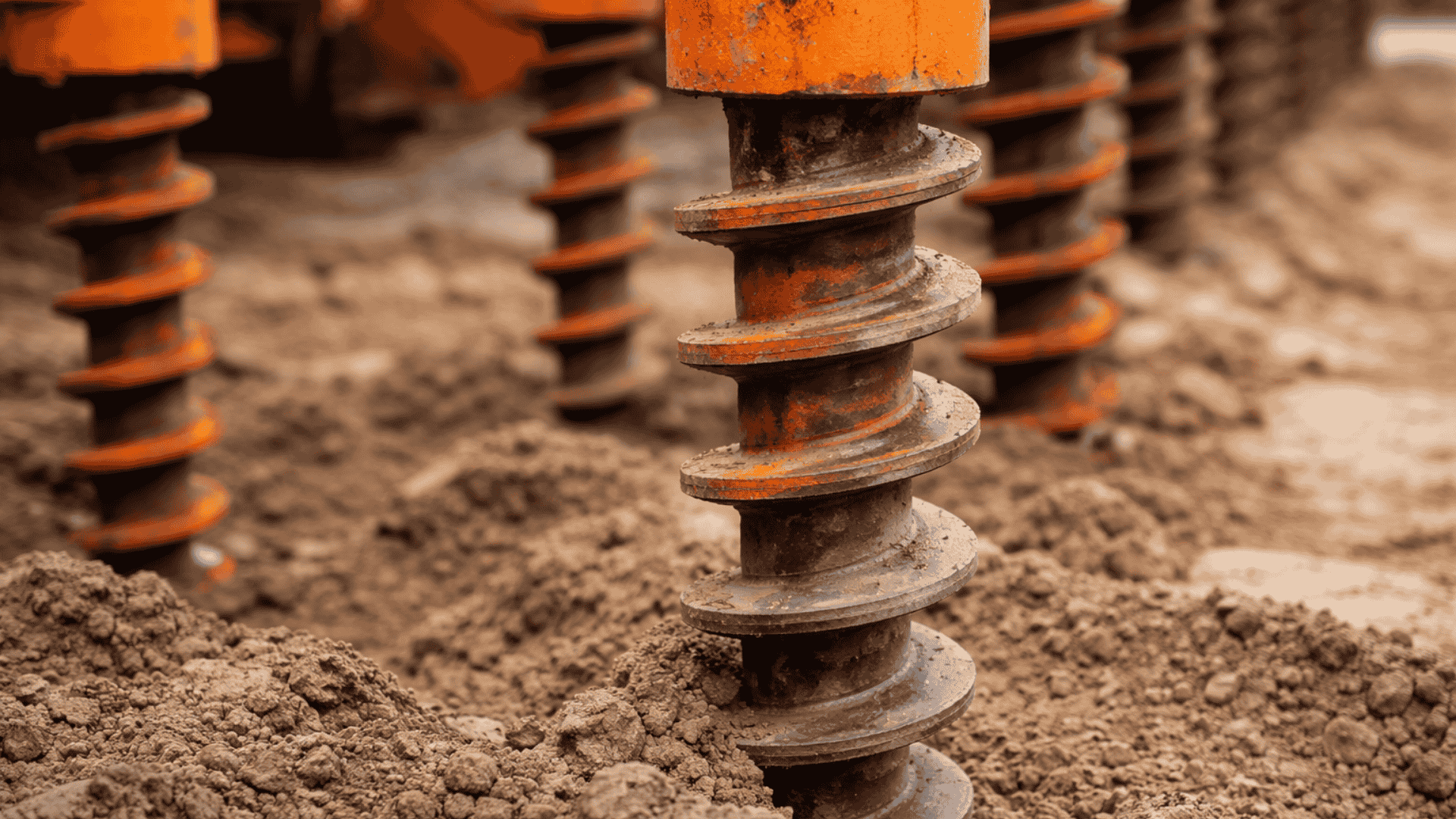
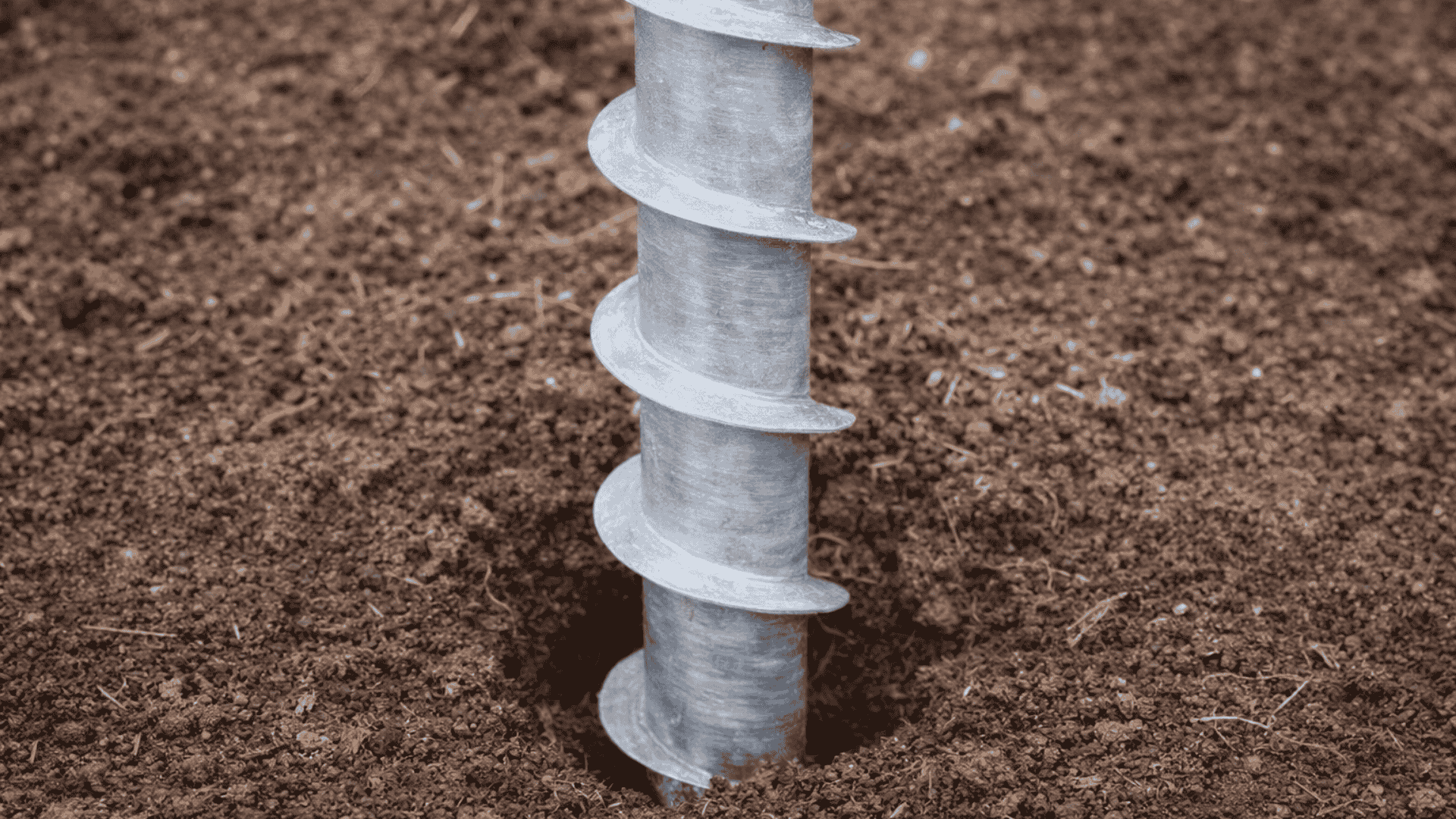
Screw piles (also known as helical piles or screw anchors) are steel foundation elements with one or more helical plates welded to a central shaft. They are installed by rotating (screwing) them into the ground, much like a large screw, until they reach soil with sufficient load-bearing capacity.
Instead of relying on curing time like concrete, screw piles achieve immediate structural support through a combination of:
End-bearing from the helical plates
Skin friction along the steel shaft
Torque resistance, which directly correlates to load capacity
This installation method allows precise depth control, predictable performance, and consistent results across varying soil conditions.
Typical Use Cases for Screw Piles
Screw piles are highly versatile and used across a wide range of residential, commercial, and infrastructure projects:
1. Residential Applications
Decks and verandas
Fences and retaining structures
Home extensions and renovations
New house foundations (including reactive soils)
2. Commercial & Industrial Applications
Modular buildings and site offices
Boardwalks and walkways
Solar panel foundations
Light industrial structures
3. Specialized Applications
Sloping or difficult sites
Environmentally sensitive areas
Temporary or removable structures
Their ability to perform in tight-access sites, unstable soils, and time-sensitive builds makes them especially attractive for modern construction.
Screw Piles vs Concrete Footings (Cost & Performance Comparison)
Factor | Screw Piles | Concrete Footings |
|---|---|---|
Installation time | Same day, no curing | Several days (including cure time) |
Soil disruption | Minimal excavation | Significant digging |
Load capacity | Immediate & measurable | Delayed until cured |
Weather impact | Can be installed in most conditions | Weather-dependent |
Upfront cost | Often slightly higher per unit | Lower material cost |
Overall project cost | Often lower due to speed | Higher due to labor & delays |
Environmental impact | Low | High (excavation & concrete use) |
Cost perspective: While concrete footings may appear cheaper upfront, screw piles frequently reduce total project cost by eliminating excavation, reducing labor hours, and avoiding delays. For many projects, the time savings alone offset the higher material price.
Performance perspective: Screw piles outperform concrete in poor or reactive soils, provide consistent load data during installation, and can be removed or adjusted if designs change, something concrete simply cannot offer.
Save time and reduce project costs by choosing the right foundation system. TorcSill’s engineered screw piles provide immediate load support, minimal disruption, and long-term reliability.
What Influences Screw Pile Cost?
Screw pile costs vary because no two sites or structures are the same. Factors like soil conditions, pile size, access, and location all directly affect material requirements, labor, and installation time.
1. Project Size & Quantity Needed
Smaller projects such as decks or fences usually require fewer piles and lighter equipment, keeping overall costs lower. Larger foundations need more piles, higher load ratings, and often engineering input, but the cost per pile can decrease due to bulk pricing and shared setup costs.
2. Ground Conditions
Soil type has a major impact on cost. Soft or sandy soils allow quicker installation, while clay or rocky ground may require deeper piles, slower installation, or pre-drilling. In more complex conditions, soil testing or load verification can add to the total price.
3. Screw Pile Diameter & Length
Larger and longer screw piles cost more because they use more steel and take longer to install. Smaller diameters suit light structures, while medium to large shafts are required for decks, houses, and commercial projects where higher load capacity is essential.
4. Material Type & Corrosion Protection
Standard galvanized screw piles are suitable for most residential builds, but harsh environments such as coastal or highly reactive soils may require premium coatings. These increase upfront cost but significantly improve durability and lifespan.
5. Accessibility & Site Preparation
Sites with tight access, steep slopes, or existing obstacles can increase labor time and may require specialized equipment. Easier access generally means faster installation and lower overall costs.
6. Regional Pricing Differences
Screw pile pricing can vary by location due to differences in labor rates, material availability, and transport costs. Urban areas often benefit from easier access to installers, while rural or remote projects may include additional mobilization fees.
Screw Pile Cost Breakdown (2026 Pricing — USA)
Screw pile (helical pile) costs in the U.S. are usually calculated per pile installed, then adjusted based on soil conditions, load requirements, site access, and local regulations. The ranges below reflect realistic 2026 U.S. pricing for new construction, with higher ranges noted where repair or complex conditions apply.
Expense Category | Typical Range (USD) | Notes |
|---|---|---|
Screw pile supply (per pile) | $150 – $600 | Varies by shaft diameter, length, steel grade, and corrosion protection. Deeper piles increase material cost quickly. |
Installation labor (per pile) | $350 – $900 | Depends on region, load rating, and soil resistance. U.S. averages for new construction often fall in this range. |
Machinery & mobilization | $500 – $2,500 | Covers crew, equipment, and travel. Often bundled into per-pile pricing but higher for remote or tight-access sites. |
Soil testing / geotechnical | $650 – $2,100 (basic) | Required for engineered structures or challenging soils; optional for small residential projects. |
Permits & inspections | $500 – $3,100 | Highly location-dependent and set by local authorities. |
Total typical cost (small job) | $3,500 – $12,000 | Decks, pergolas, or fences (≈4–8 piles). Installed averages often land around $680–$790 per pile before add-ons. |
Total typical cost (medium job) | $9,000 – $35,000 | Additions or light structures (≈10–20 piles), often including permits and limited engineering. |
Total typical cost (large job) | $25,000 – $100,000+ | Full house or commercial foundations (25+ piles). Repair or underpinning projects can exceed $1,500–$2,000 per pile. |
Screw piles may appear more expensive per unit than concrete footings, but faster installation, minimal excavation, and reduced labor often lower the total project cost, especially for larger or time-sensitive builds.
Screw Pile Cost Per Application (USA)
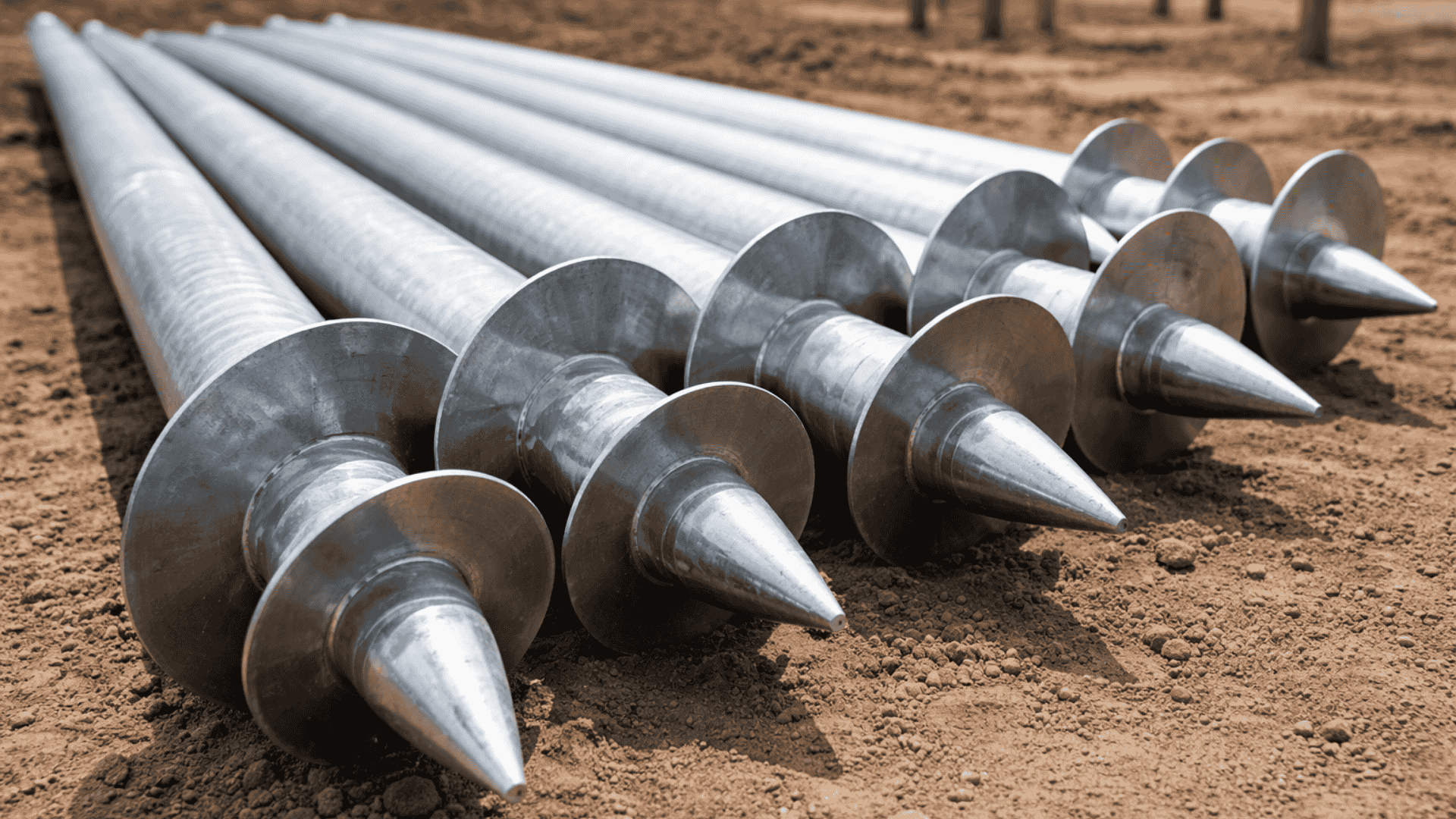
Screw pile costs vary significantly depending on how they’re used. Below is a practical breakdown of common applications, including typical pile counts and realistic budget ranges based on U.S. pricing.
1. Residential Deck Foundations
Residential decks are one of the most common and cost-effective uses of screw piles, especially where fast installation and minimal ground disturbance are priorities.
Typical pile count: 4–12 piles (depending on deck size and load)
Average cost: $3,500 – $12,000 installed
Smaller decks on good soil sit at the lower end, while multi-level or elevated decks requiring deeper or larger-diameter piles push costs higher.
2. Fencing & Screening
Fencing projects usually require smaller-diameter screw piles and lighter equipment, making them one of the most affordable applications.
Typical pile/post count: Varies by fence length and spacing
Average cost: $250 – $600 per post installed
Typical project budget: $1,500 – $5,000
Costs remain relatively low unless the soil is rocky or access is restricted.
3. Light Buildings & Sheds
Sheds, garages, and small modular buildings require larger screw piles than decks and often need deeper installation for stability.
Typical pile count: 6–16 piles
Average cost: $6,000 – $25,000
Additional labor, heavier machinery, and higher load requirements increase costs compared to residential decks, especially for permanent structures.
4. House Foundations
Using screw piles for full house foundations involves engineered design, load verification, and often deeper piles to reach competent bearing soil.
Typical pile count: 20–40+ piles
Average cost: $25,000 – $100,000+
Costs rise due to larger pile diameters, corrosion protection requirements, engineering oversight, and inspections. While the upfront price is higher, screw piles often reduce overall build time and excavation costs compared to traditional foundations.
The more structural responsibility the screw piles carry, the higher the cost, but also the greater the performance benefits. Choosing the right pile size and quantity for each application is critical to balancing safety, compliance, and budget.
Hidden & Optional Costs to Watch For
Beyond the visible per-pile pricing, several often-overlooked costs can affect the final price of a screw pile project. These don’t apply to every job, but they’re important to account for early to avoid budget overruns.
Soil testing: While small residential projects may skip formal testing, engineered structures often require a soil report or geotechnical assessment. This adds upfront cost but helps ensure correct pile sizing and long-term stability.
Permits and approvals: Local authorities may require permits, inspections, or stamped engineering drawings, especially for decks, additions, or full foundations. Fees vary widely by jurisdiction and project scope.
Concrete caps or structural brackets: Screw piles usually need brackets, plates, or concrete caps to connect them to beams or slabs. These components are modest individually, but can add up across larger projects.
Load testing and verification: Some projects require torque monitoring or formal load testing to confirm capacity. This is common for commercial or engineered residential builds and adds labor and reporting costs.
Removal or modification of existing foundations: If old footings, concrete pads, or buried obstructions are present, additional work may be required to remove or work around them, adding time and expense.
Weather-related delays: Although screw piles are less weather-dependent than concrete, severe weather can still slow access, scheduling, or inspections, increasing labor or mobilization costs.
DIY vs Professional Screw Pile Installation
Screw piles are often marketed as a fast and simple foundation solution, which leads many homeowners to consider DIY installation. In reality, whether DIY makes sense depends heavily on project size, load requirements, and risk tolerance.
Category | DIY Installation | Professional Installation |
|---|---|---|
Suitable project types | Small, non-structural items (light fencing, garden structures, small sheds) | Structural and load-bearing projects |
Soil & site conditions | Soft, uniform soils with easy access | Variable soils, restricted access, or complex sites |
Load verification | No verified load or torque testing | Torque monitoring and load verification during installation |
Installation accuracy | Higher risk of misalignment or insufficient depth | Precise placement and embedment |
Code & inspection compliance | Higher risk of permit or inspection issues | Designed and installed to meet code and engineering requirements |
Long-term performance | Higher risk of settlement or failure | Proven capacity and long-term stability |
Cost outcome | Lower upfront cost, higher correction risk | Higher upfront cost, lower lifecycle cost |
DIY may seem tempting, but professional installation ensures precision, compliance, and longevity. TorcSill team offers full engineering and installation support to safeguard your investment.
How to Get Accurate Screw Pile Quotes (Step-by-Step)
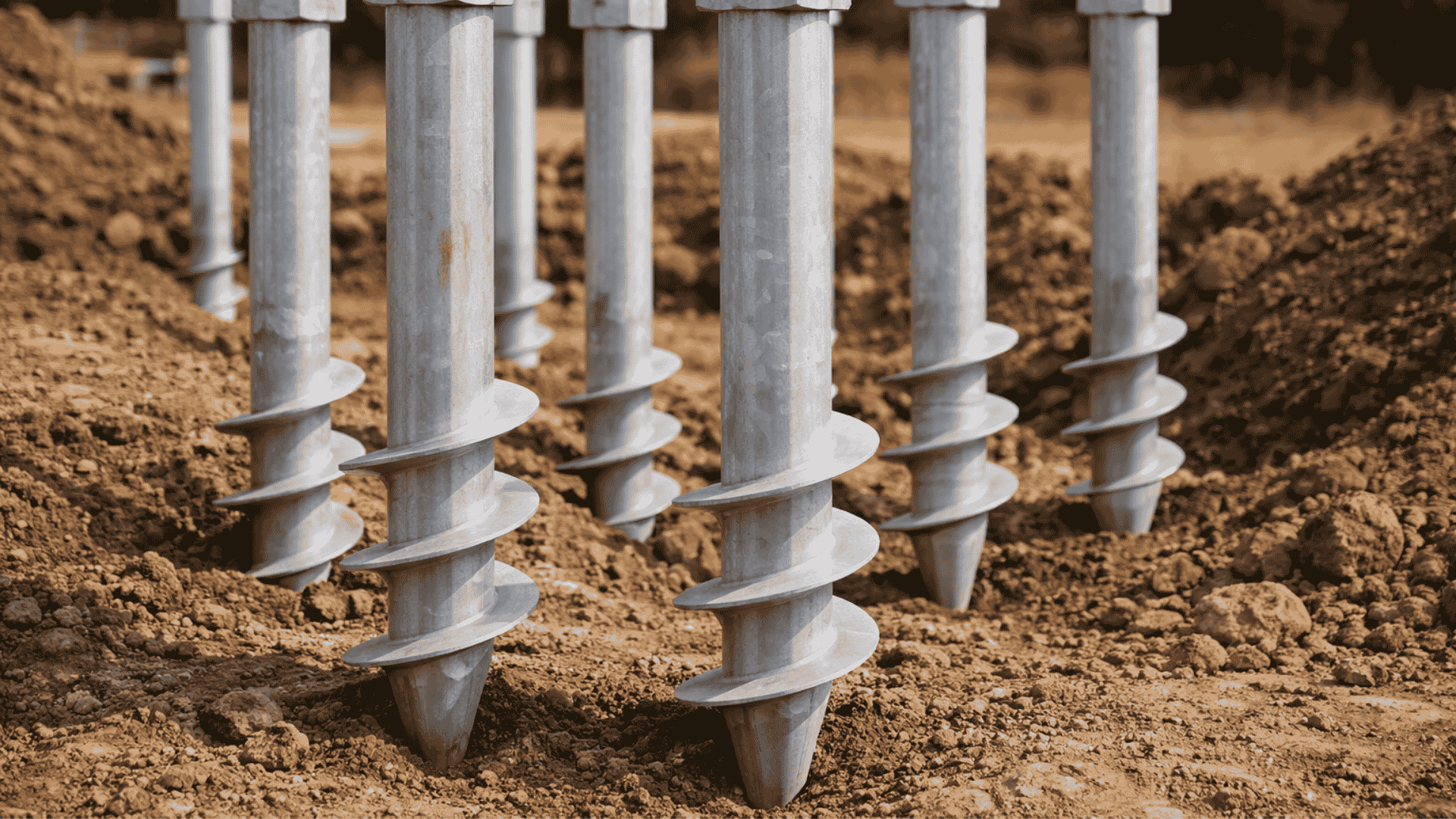
Accurate pricing starts with clear information. Screw pile quotes can vary widely, and the difference often comes down to what’s included or missing from the initial scope. Following these steps helps you compare quotes fairly and avoid unexpected costs.
Step 1: Schedule a Site Inspection
A physical site visit allows installers to assess access, slope, obstructions, and soil conditions. Quotes based only on photos or plans are usually less reliable and more likely to change later.
Step 2: Confirm Whether a Soil Report Is Needed
For larger or structural projects, a soil or geotechnical report may be required. This ensures piles are sized correctly and priced accurately for the ground conditions they’ll be installed in.
Step 3: Define a Clear Scope of Work
Make sure drawings, load requirements, pile locations, and connection details are clearly documented. Ambiguity in scope is one of the most common reasons costs increase mid-project.
Step 4: Get Multiple Comparable Quotes
Aim for at least two to three quotes and confirm they’re pricing the same pile sizes, quantities, depths, and inclusions. The cheapest quote isn’t always the best value if key items are excluded.
Step 5: Ask the Right Questions
Before choosing a contractor, clarify:
Are piles engineered and load-verified?
Does the price include brackets, caps, and mobilization?
How are difficult soils or obstructions handled?
Are permits, inspections, and reports included?
What warranties or guarantees are provided?
A detailed quote may look more expensive upfront, but it’s often the most accurate and the least likely to produce surprise costs once work begins.
How TorcSill Supports Screw Pile Projects
TorcSill provides engineered helical pile solutions designed for demanding foundation applications across the U.S. Their products and services directly support projects where reliability, speed, and structural performance are critical.
Engineered Helical Pile Solutions: TorcSill manufactures helical piles (TorcSills) designed to deliver immediate load-bearing capacity with minimal ground disturbance. Their systems are used in applications ranging from commercial and industrial foundations to energy, marine, and infrastructure projects, where soil conditions and load requirements can vary significantly.
In-House Manufacturing & Quality Control: All helical piles and components are produced in TorcSill’s ISO 9001:2015–certified manufacturing facility in Houston, Texas. This ensures consistent material quality, precise fabrication, and reliable performance, key factors that influence durability, corrosion resistance, and long-term cost efficiency.
Engineering & Installation Services: TorcSill offers integrated engineering, design, and professional installation services, helping ensure piles are correctly specified and installed to meet project loads and site conditions. This reduces risk, minimizes rework, and supports compliance with project and regulatory requirements.
Nationwide Capability Across Industries: With experience across industrial, commercial, marine, oil & gas, and energy sectors, TorcSill supports projects that require scalable foundation solutions and dependable execution, regardless of complexity or location.
TorcSill combines engineering expertise, controlled manufacturing, and professional installation to support screw pile projects where performance, accuracy, and long-term value matter most.
Conclusion
Screw pile costs vary based on soil conditions, pile size, access, and installation requirements, but with the right planning, they deliver excellent value. Accurate site assessment, correct pile selection, and professional installation are the keys to keeping foundation costs controlled while ensuring long-term performance.
For a cost-effective and reliable foundation solution, working with experienced specialists is essential. TorcSill provides engineered helical pile systems, in-house manufacturing, and professional installation services across the U.S.
Contact TorcSill to get a tailored quote based on your project’s specific soil conditions, load requirements, and budget.
FAQs
1. How long do screw piles last?
Screw piles typically last 50–100 years or more, depending on steel grade, corrosion protection, and soil conditions. Proper galvanization or specialty coatings significantly extend their service life.
2. Are screw piles suitable for Australian soils?
Yes. Screw piles perform well in a wide range of Australian soil types, including reactive clay, sand, and coastal conditions, when correctly engineered and protected against corrosion.
3. What warranties are available for screw piles?
Warranties vary by manufacturer and installer but commonly cover materials, coatings, and workmanship. Many systems also include engineering-backed performance assurances when professionally installed.
4. Can screw piles be reused or removed?
Yes. One major advantage of screw piles is that they can often be unscrewed and reused, making them ideal for temporary structures or projects where future relocation is possible.
5. Do screw piles require curing time like concrete?
No. Screw piles provide immediate load-bearing capacity, allowing construction to continue the same day without waiting for curing or drying.