Helical pile foundations are often seen as a modern solution, but their origins stretch back nearly two centuries. They were developed to solve one of construction’s hardest problems: how to create stable foundations in weak, saturated, and unpredictable soils.
As construction methods evolved, faster driven piles temporarily took over due to easier installation. Helical piles faded, not because they failed, but because installation technology had not yet caught up.
With the arrival of high-torque hydraulic drives, modern engineering standards, and verified load testing, helical piles have re-emerged as a reliable deep foundation system.
This guide explains how helical pile foundations work, why they are gaining momentum in 2026, where they are most effective, and how modern engineering and installation methods have made them a dependable alternative to traditional deep foundations.
Key Takeaways
Helical pile foundations verify load capacity during installation using torque data, aligning field performance with engineered design assumptions.
Helical piles provide immediate load capacity with no curing time, reducing sequencing risk for steel, modular, and fast-track construction projects.
Engineered helix geometry allows precise control of settlement, stiffness, and load distribution in variable and layered soil conditions.
Minimal excavation, vibration, and spoil make helical piles ideal for urban, constrained, and environmentally sensitive construction sites.
TorcSill’s integrated design, manufacturing, and installation approach delivers predictable, low-risk helical pile foundations for 2026 projects.
Helical Piles Explained: Everything You Need to Know in 2026
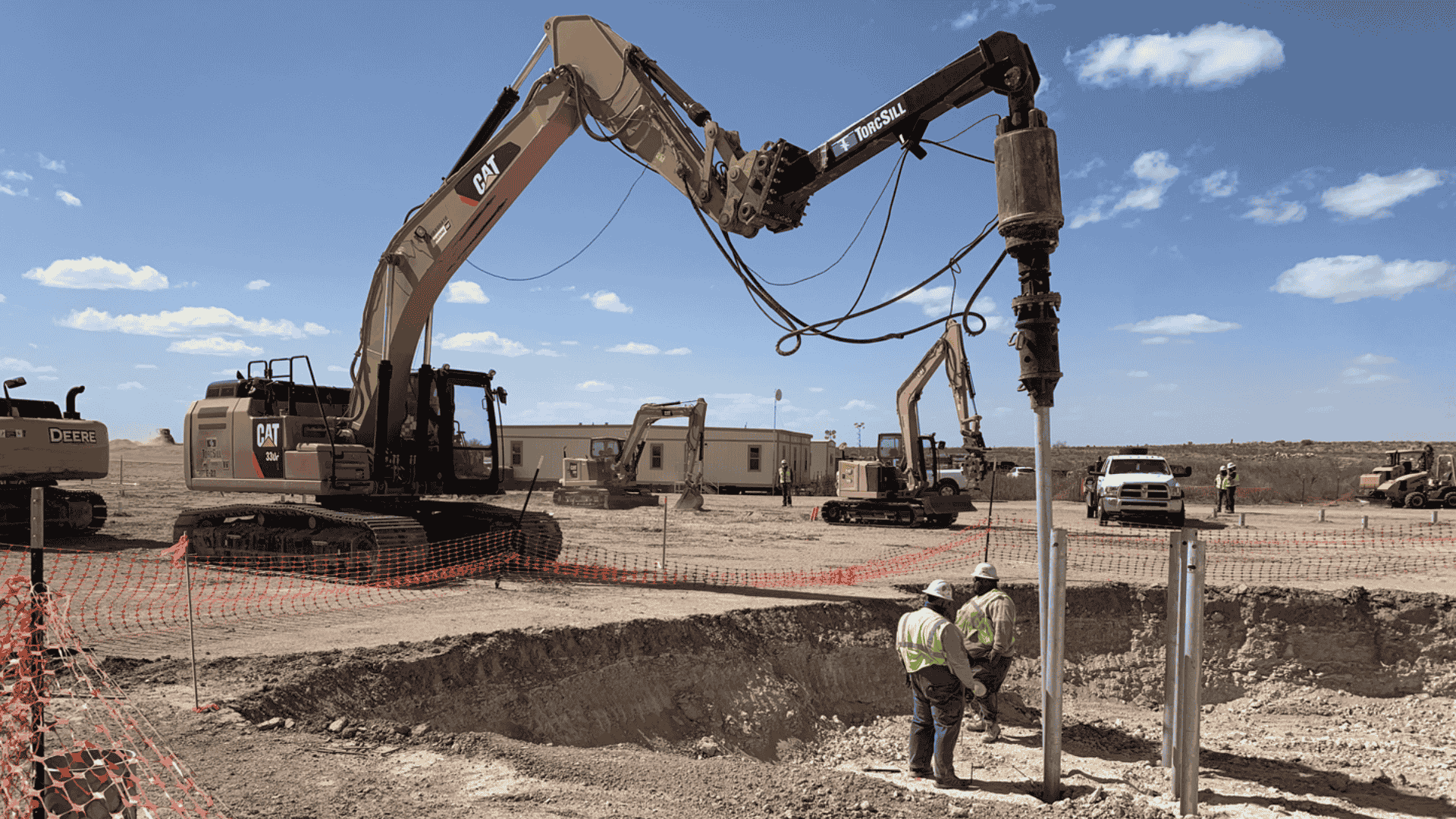
Helical piles are deep foundation elements designed to transfer structural loads into competent soil or rock using a steel shaft with one or more helical plates welded near the tip. Rather than relying on impact or vibration, they are installed by rotating the pile into the ground using controlled torque.
This installation method allows engineers to verify capacity in real time, since applied torque directly correlates with load-bearing performance. Once the target torque and embedment depth are achieved, the pile can support structural loads immediately, with no curing or waiting period.
Helical piles are commonly used where soil conditions are variable, access is limited, or construction schedules demand predictable outcomes. Their performance is governed by soil strength, helix geometry, spacing, and shaft configuration, all of which are engineered based on site-specific data.
Key Characteristics of Helical Piles
Torque-based capacity verification: Installation torque provides a measurable indicator of axial capacity during construction.
Immediate load capability: Structures can be supported as soon as installation is complete.
Minimal site disturbance: No excavation, spoil removal, or high-vibration driving is required.
Versatile load resistance: Properly designed helical piles resist compression, tension, and lateral loads.
Adaptability to challenging sites: Suitable for restricted access areas, existing structures, and environmentally sensitive locations.
In modern foundation design, helical piles offer engineers a high level of control over performance while reducing uncertainty associated with variable subsurface conditions.
Their ability to align engineering intent with constructability has made them a practical choice across structural steel, infrastructure, energy, and industrial projects in 2026.
What Makes Helical Pile Foundations a Preferred Choice for Projects?
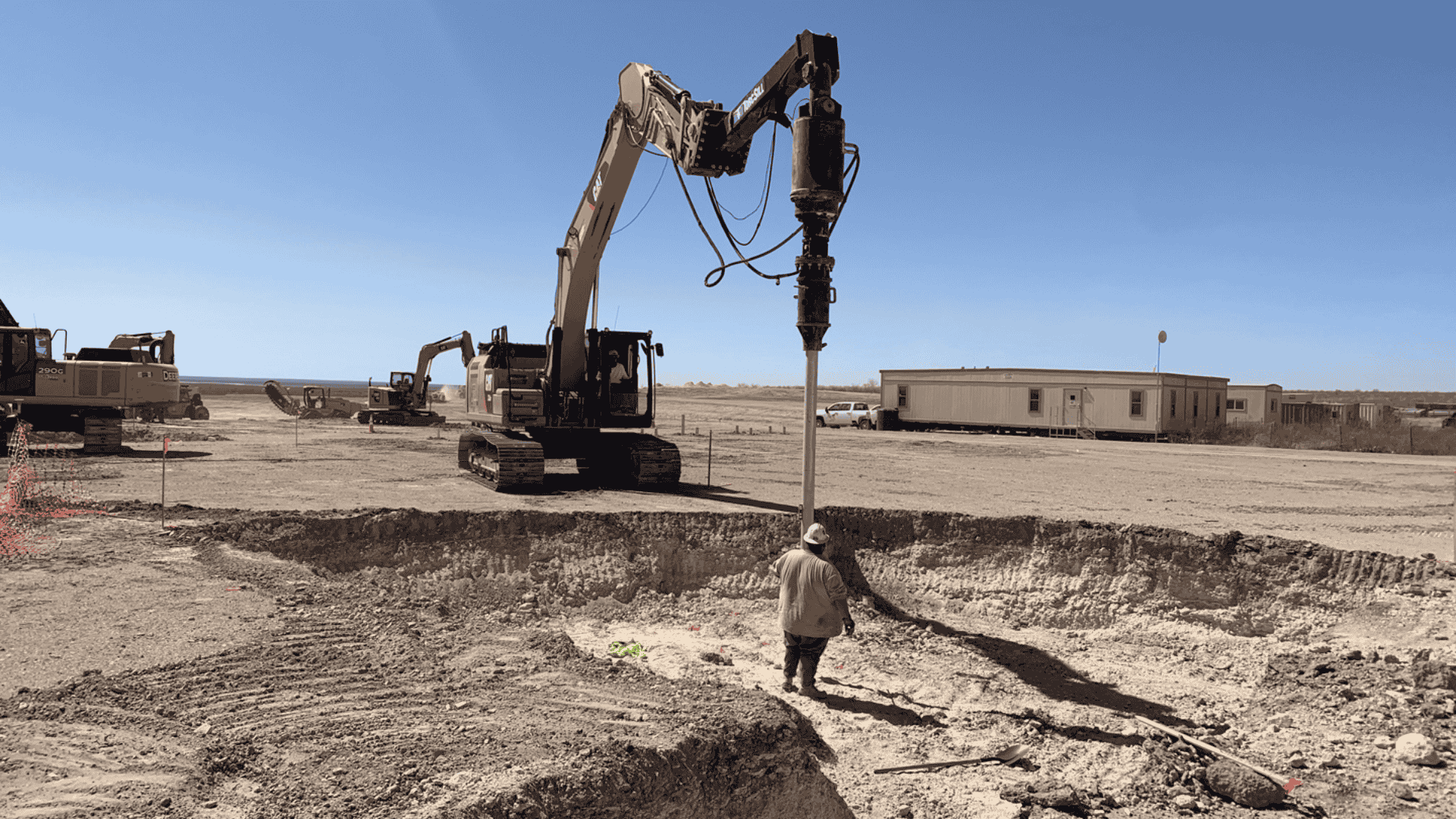
Helical pile foundations are increasingly specified not just for ease of installation, but for the level of engineering control they provide over load transfer, stiffness, and long-term behavior.
Unlike foundation systems that rely on mass or soil displacement, helical piles engage the ground through defined bearing interfaces, allowing designers to predict and manage performance with greater accuracy.
Each helix functions as an individual bearing plate, transferring load into competent soil layers while the central shaft controls axial stiffness and buckling resistance. By adjusting helix diameter, spacing, and embedment depth, engineers can distribute loads across multiple strata rather than concentrating capacity at a single point. This improves redundancy and reduces sensitivity to isolated weak zones.
Here are some reasons helical pile foundations are preferred:
Distributed load transfer: Multiple helices engage the soil at different depths, reducing stress concentration and improving reliability in layered or variable soil profiles.
Engineered stiffness control: Helix geometry and spacing can be designed to manage elastic settlement and limit long-term movement under sustained loads.
Predictable settlement behavior: Bearing-based resistance allows more consistent settlement performance compared to displacement-driven systems.
Performance under combined loading: Helical piles resist compression, uplift, and lateral loads within a single element, making them well suited for structures exposed to wind, seismic, or cyclic forces.
Field-verified design assumptions: Installation torque provides measurable feedback that aligns as-built performance with analytical design models.
As construction in 2026 continues to move toward performance-based foundation design, helical pile systems offer a level of precision that traditional methods often lack.
They allow engineers to shape how loads interact with the ground, rather than compensating for uncertainty through overdesign or conservative assumptions.
Need confidence that your foundation design will perform as engineered? TorcSill’s engineering team can evaluate soil data and installation requirements early.
Where Helical Pile Foundations are Used in Modern Construction
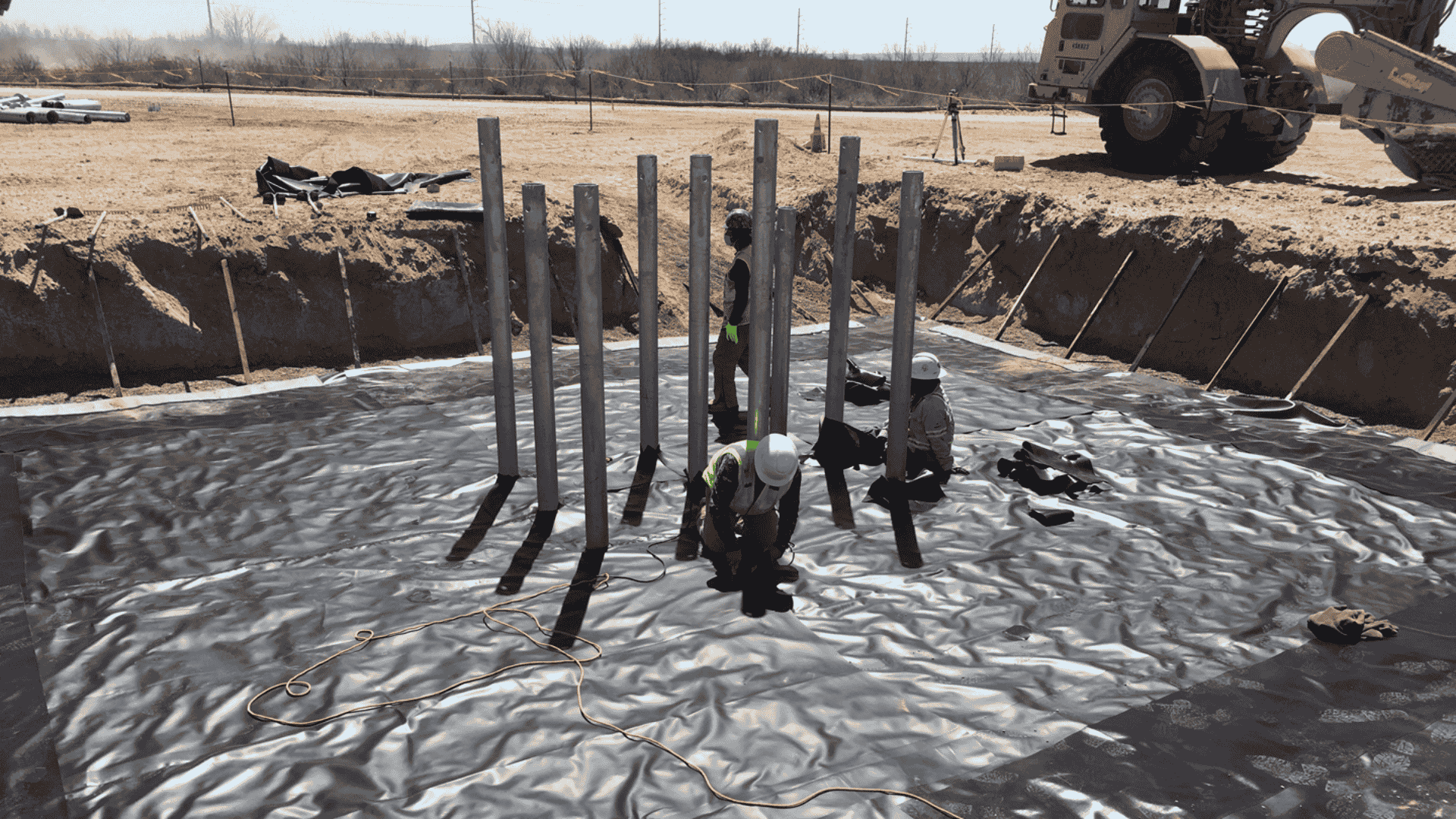
Helical pile foundations are used across industries where ground conditions, access limits, and schedule pressure make traditional foundation systems difficult or risky. Their ability to deliver verified capacity with minimal disturbance has expanded their use well beyond light construction into critical infrastructure and high-liability projects.
Rather than serving a single market, helical piles support a wide range of structural and operational demands by adapting pile geometry, embedment depth, and installation method to each use case.
Construction and Commercial Buildings
Helical piles are widely used for low- to mid-rise commercial buildings, modular construction, and structural steel frameworks.
They allow foundations to be installed quickly without excavation or curing delays, making them well suited for tight urban sites and phased construction.
Common uses include:
Structural steel columns and load-bearing walls
Modular and prefabricated buildings
Building additions and vertical expansions
Temporary shoring and construction supports
Industrial and Manufacturing Facilities
Industrial projects often require foundations that support heavy equipment, cranes, racks, and dynamic machinery loads.
Helical piles provide predictable axial and uplift resistance while allowing installation around existing operations.
Typical applications include:
Equipment and machinery foundations
Mezzanines and access platforms
Pipe racks and utility supports
Plant expansions where downtime must be minimized
Energy, Utilities, and Renewables
Helical piles are extensively used in energy and utility projects where foundations must resist uplift, lateral loads, and cyclic forces.
Installation torque data helps confirm capacity in variable soil conditions commonly found along utility corridors.
Applications include:
Transmission and distribution structures
Substations and electrical equipment foundations
Solar racking and wind-related infrastructure
Battery storage and energy facility supports
Transportation and Infrastructure Upgrades
In transportation projects, helical piles are often used where access is limited or where work must proceed alongside active infrastructure.
Their low vibration profile makes them suitable near existing roads, bridges, and rail systems.
Typical uses include:
Sign structures and lighting foundations
Sound walls and retaining systems
Bridge retrofits and foundation strengthening
Temporary works for staged construction
Marine and Waterfront Structures
In coastal and waterfront environments, helical piles are used for structures that require reliable load transfer in saturated or soft soils without large-scale excavation.
Common applications include:
Boardwalks and pedestrian structures
Docks, piers, and access platforms
Seawall tiebacks and marine anchors
Temporary marine construction supports
Mining and Heavy Industrial Operations
Mining and heavy industrial sites demand foundations that perform under high loads, vibration, and aggressive conditions.
Helical piles offer a practical solution where conventional foundations would require extensive overdesign or difficult excavation.
Applications include:
Conveyor supports and structural frames
Processing equipment foundations
Remote or fast-track industrial installations
Temporary and relocatable infrastructure
Across industries, helical pile foundations are selected not as a one-size-fits-all solution, but as a flexible, engineered system that adapts to site constraints, load demands, and construction realities.
Their continued adoption reflects a broader shift toward foundations that prioritize verification, constructability, and lifecycle performance.
Why Projects Choose TorcSill Helical Pile Foundations in 2026
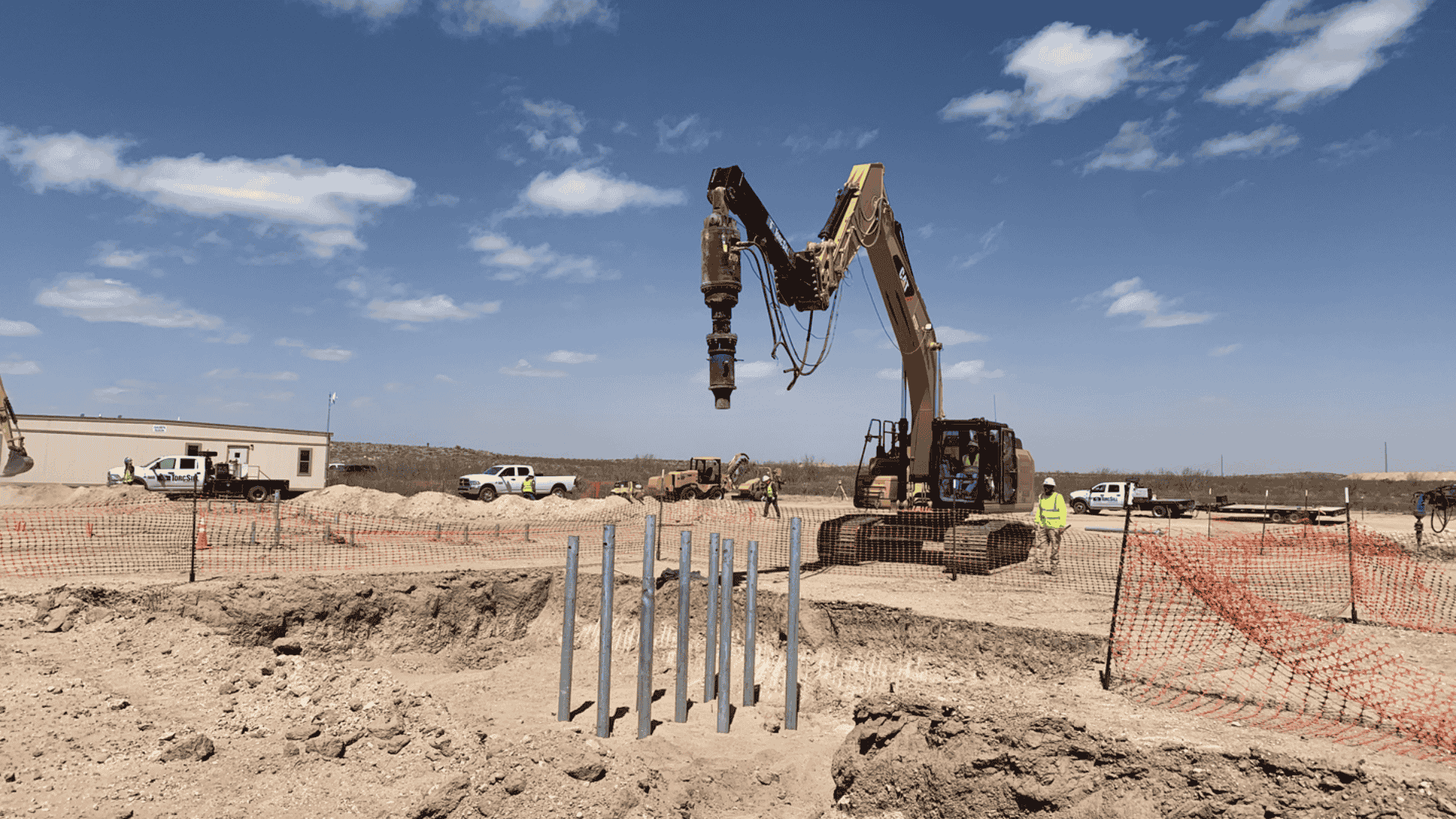
Foundation design is shaped by tighter construction schedules, restricted access, and a growing need for verified performance at the point of installation.
Many projects cannot afford uncertainty around settlement, load transfer, or sequencing delays. Helical pile foundations respond to these pressures by offering a highly controlled, engineerable system that delivers predictable results in a wide range of ground conditions.
TorcSill specializes exclusively in engineered helical pile foundations, applying a system-level approach that integrates design, manufacturing, and installation. Instead of relying on post-install validation, TorcSill’s helical piles develop capacity through embedment and measured installation torque, allowing performance to be confirmed as the foundation is installed.
Here are some reasons TorcSill is preferred by construction partners:
Engineered load predictability: Helical piles are designed using site-specific soil data and calibrated torque-to-capacity relationships, enabling engineers to manage settlement, stiffness, and load sharing across the foundation system.
Installation verification: Real-time torque monitoring provides immediate confirmation that design capacities are achieved, reducing uncertainty and limiting the need for conservative overdesign.
Immediate load capacity: Because performance does not depend on curing or soil reconsolidation, structures can be supported as soon as installation is complete, simplifying sequencing for steel and modular construction.
Reduced ground disturbance: Helical piles advance with minimal soil displacement and no spoil generation, preserving surrounding soil structure and reducing environmental and site impacts.
Adaptability to constrained sites: Compact installation equipment and modular pile configurations allow foundations to be installed in restricted access areas, retrofit projects, and active facilities without compromising performance.
By focusing solely on helical pile foundation systems, TorcSill delivers a solution tailored to modern construction constraints rather than adapting legacy approaches.
In 2026, this precision-driven, verifiable foundation method supports faster delivery, lower risk, and long-term structural reliability across demanding project environments.
Conclusion
Modern foundation projects demand systems that deliver verified capacity, predictable performance, and minimal site disruption under increasingly tight schedules. As construction moves into more constrained sites and variable ground conditions, foundations must perform as designed without introducing uncertainty, rework, or sequencing delays.
TorcSill addresses these requirements through engineered helical pile foundation systems designed for controlled installation and immediate performance. By integrating in-house engineering, ISO-certified manufacturing, and on-site execution, TorcSill enables load capacity to be verified during installation while reducing excavation, material use, and environmental impact.
For projects where reliability, constructability, and long-term performance cannot be compromised, helical pile foundations provide a practical, proven solution.
Speak with a TorcSill engineer to evaluate whether a helical pile foundation is the right fit for your site conditions and structural demands.
Frequently Asked Questions (FAQs)
1. How long do helical pile foundations typically last?
Helical pile foundations are designed for long-term structural performance. When properly engineered and protected against corrosion based on site conditions, service life can exceed several decades, comparable to or longer than many traditional foundation systems.
2. Can helical pile foundations be used in seismic or high-wind zones?
Yes. Helical piles are well suited for seismic and high-wind regions because they provide predictable load paths, controlled stiffness, and strong resistance to uplift and lateral forces when designed appropriately for dynamic loading conditions.
3. Do helical pile foundations require concrete at all?
In many cases, no. Helical piles can support structures without cast-in-place concrete foundations. Where concrete is used, it is often limited to pile caps or grade beams rather than mass foundations, reducing material usage and construction time.
4. How do corrosion considerations affect helical pile design?
Corrosion protection is addressed during design based on soil chemistry, moisture, and exposure conditions. Options include increased steel thickness, protective coatings, or sacrificial steel allowances to ensure the pile meets its intended design life.
5. Are helical pile foundations suitable for permanent structures or only temporary use?
Helical pile foundations are widely used for permanent structures, including industrial facilities, energy infrastructure, and commercial buildings. Their ability to deliver verified capacity and long-term performance makes them suitable well beyond temporary or modular applications.