Steel foundation piers have long been used to bypass weak soils and transfer structural loads to competent strata, but not all steel piers offer the same level of control, verification, or constructability. In 2026, increasing scrutiny on foundation performance, tighter construction schedules, and constrained site conditions are reshaping how engineers evaluate deep foundation systems.
Helical piles have emerged as the preferred steel foundation piers because they provide measurable capacity during installation, predictable load transfer, and minimal site disruption. By combining engineered steel shafts with torque-verified performance, they reduce uncertainty where traditional driven or pressed systems rely on assumptions.
This guide explains why helical piles have become the preferred steel foundation piers in 2026, how they outperform conventional alternatives, and where they deliver the greatest engineering and construction value.
Key Takeaways
Helical piles are the most verifiable steel foundation piers, with installation torque providing real-time confirmation of axial capacity.
Steel foundation pier performance is governed by installation behaviour, and helical piles offer the highest level of control over load transfer and settlement.
Low-disturbance installation makes helical piles suitable for constrained, sensitive, or operational sites, where driven or pressed piers introduce risk.
Immediate load readiness simplifies sequencing and reduces schedule exposure, particularly for modular and prefabricated structures.
Engineering-led interpretation of installation data reduces overdesign, a core advantage when helical piles are designed and delivered as a system.
Helical Piles as Steel Foundation Piers in 2026
Steel foundation piers are deep foundation elements designed to transfer structural loads through weak or unstable soils into competent strata below. Their effectiveness depends on how reliably load paths are developed, how installation affects surrounding soil, and how confidently capacity can be verified in the field.
In 2026, helical piles represent the most advanced form of steel foundation piering. They retain the core advantages of steel piers—high strength, slender geometry, and adaptability to constrained sites—while addressing the key limitations of traditional driven, pressed, or drilled steel systems.
Among steel foundation piers, helical piles stand apart by combining deep steel load paths with measurable installation resistance, allowing engineers to verify performance as the pier is installed rather than inferred later through testing or conservative assumptions.
Key characteristics that define helical piles as modern steel foundation piers include:
Torque-verified capacity: Installation torque provides a direct, repeatable correlation to axial capacity, reducing uncertainty during construction.
Controlled load transfer: Helical plates engage bearing strata while the steel shaft contributes shaft resistance, creating predictable load-sharing behavior.
Minimal soil disturbance: Rotational installation limits vibration, spoil, and stress redistribution compared to impact or press-in methods.
Immediate load readiness: Capacity is achieved during installation, supporting fast-track sequencing without curing or waiting periods.
Precision in constrained conditions: Small equipment footprints and tight alignment control make helical piles suitable for retrofit, infill, and sensitive sites.
Rather than replacing steel foundation piers, helical piles refine and modernize them. They transform steel piering from a largely assumption-based solution into a verifiable, performance-driven foundation system aligned with the demands of 2026 construction.
Types of Steel Foundation Piers Used in 2026
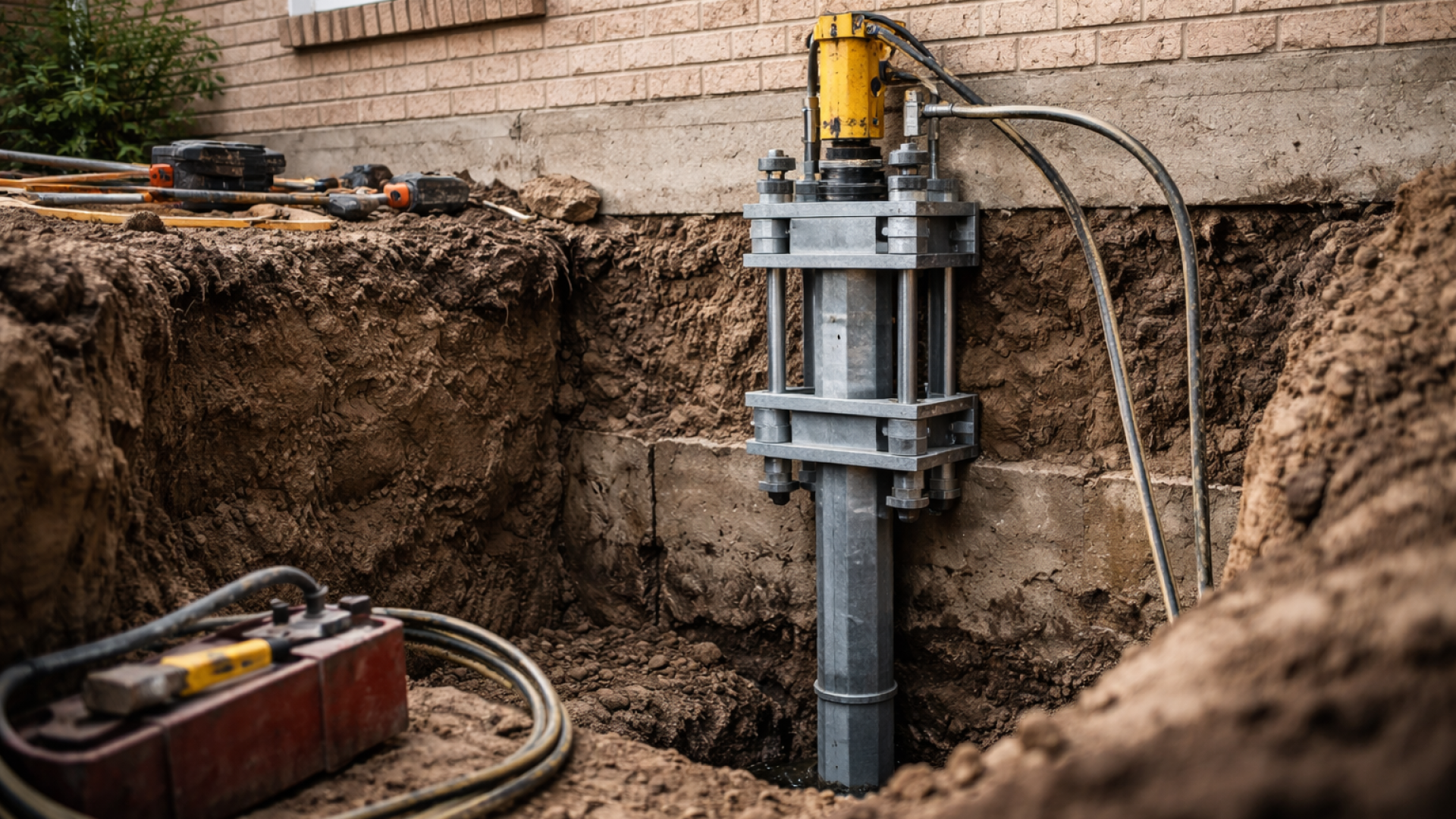
Steel foundation piers are selected based on how effectively they transfer load, how installation affects surrounding soils, and how confidently performance can be verified in the field. Today, engineers view these systems as context-specific tools, not interchangeable solutions.
Below is how the main steel pier types are used today, and where their limitations typically appear.
1. Driven Steel Piers: Driven piers are installed using impact or vibratory hammers to advance steel sections into the ground. They can achieve high capacities in uniform soils and are common in heavy civil and marine work.
Limitation: Installation introduces vibration and noise, and capacity is largely inferred from driving response, with definitive verification often occurring only after load testing.
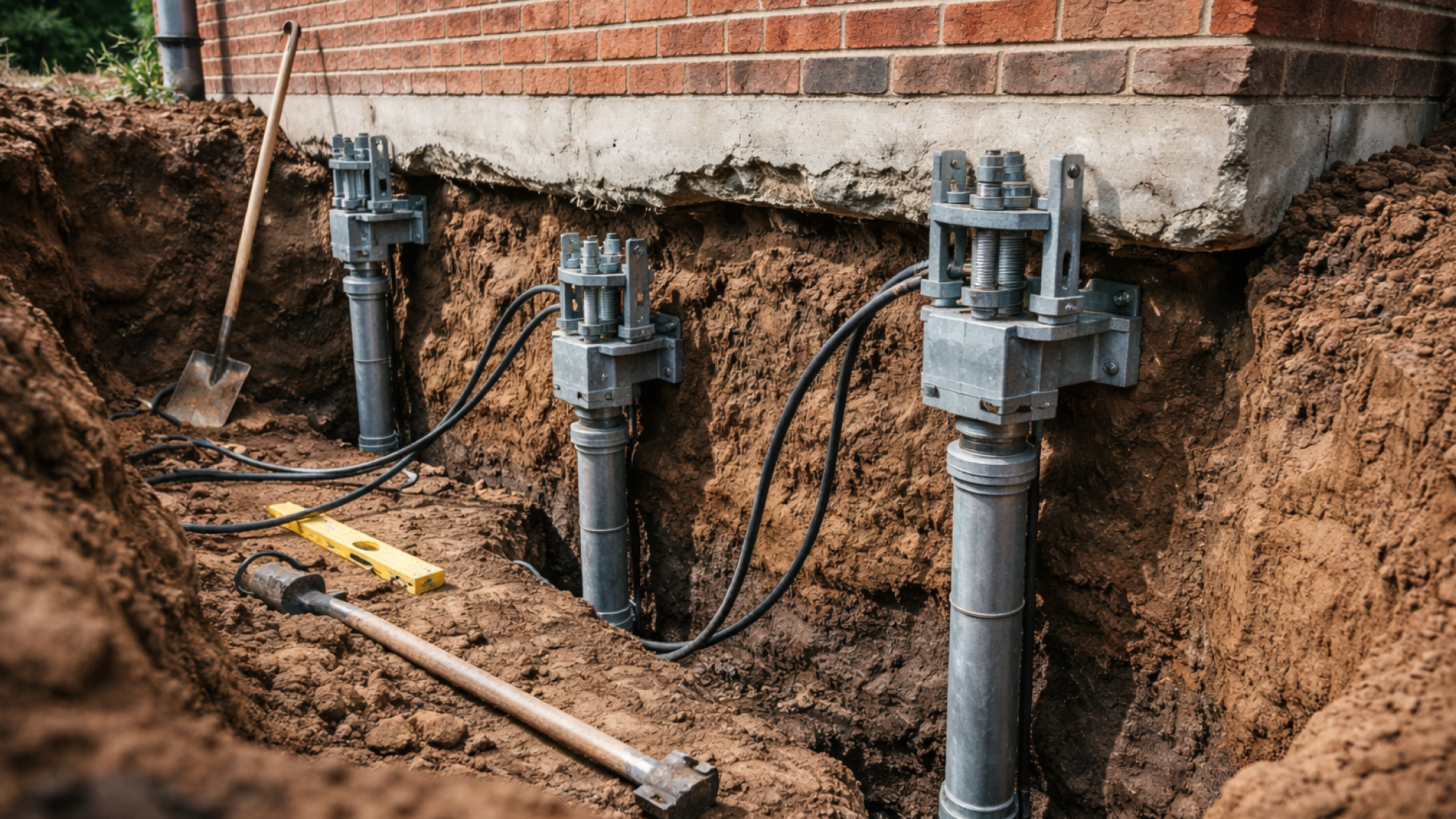
2. Press-In (Static Jacked) Steel Piers: Press-in piers are advanced using hydraulic jacks, applying steady force without vibration. They are well suited to sensitive urban or retrofit sites.
Limitation: Installation capacity is constrained by available reaction force, making performance dependent on adjacent structures or temporary reaction systems.
3. Rotary or Drilled Steel Piers: Rotary-installed piers use drilling or displacement techniques to reach target depth, sometimes with casing or grouting. They offer flexibility in layered soils and obstruction-prone sites.
Limitation: Drilling alters in-situ soil conditions, and shaft resistance is often assumed rather than directly measured during installation.
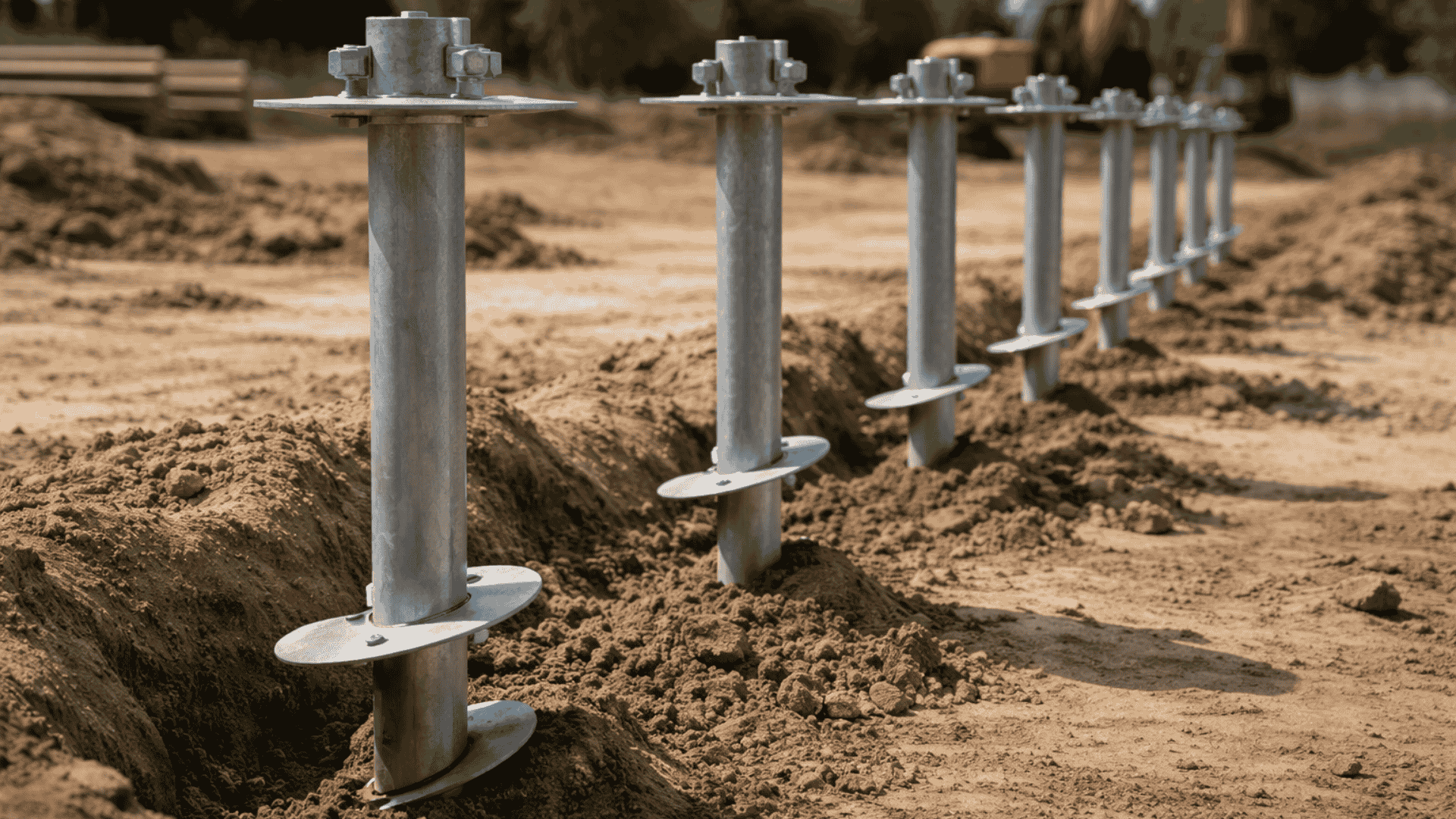
4. Helical Steel Piers (Helical Piles): Helical piers are installed through controlled rotation, advancing steel shafts with helical bearing plates into the ground. Load resistance is developed through a combination of end bearing at the helices and shaft friction.
Unlike other systems, installation torque provides a measurable proxy for axial capacity, allowing engineers to verify performance continuously as the pier is installed. Helical piers also generate minimal vibration, require no excavation, and can be loaded immediately.
Why Helical Piles Are the Most Adaptable Steel Foundation Piers
While each steel pier type serves a defined purpose, helical piles uniquely combine low-impact installation, real-time capacity verification, and immediate load readiness. This makes them the most adaptable and predictable steel foundation pier system across variable soils, restricted access, and accelerated schedules.
From an engineering standpoint, the distinction is clear:
Other steel piers often rely on assumed performance confirmed later through testing or conservative design.
Helical piles allow performance to be confirmed during installation, reducing uncertainty before superstructure loads are applied.
Where driven, pressed, or drilled piers are limited by vibration, reaction force, or soil disturbance, helical piles maintain consistent behavior across a wider range of site conditions.
When soil variability, access limitations, and performance risk intersect, adaptable foundation systems reduce uncertainty. TorcSill’s helical pile solutions are engineered to deliver verifiable capacity and consistent installation control across diverse site conditions. Early engineering involvement helps align foundation selection, installation behaviour, and project budgeting.
Consult with a TorcSill engineer and get expert guidance to select the right steel foundation pier type and installation approach, ensuring performance, reliability, and long-term structural integrity.
How Helical Piles Are Installed as Foundation Piers
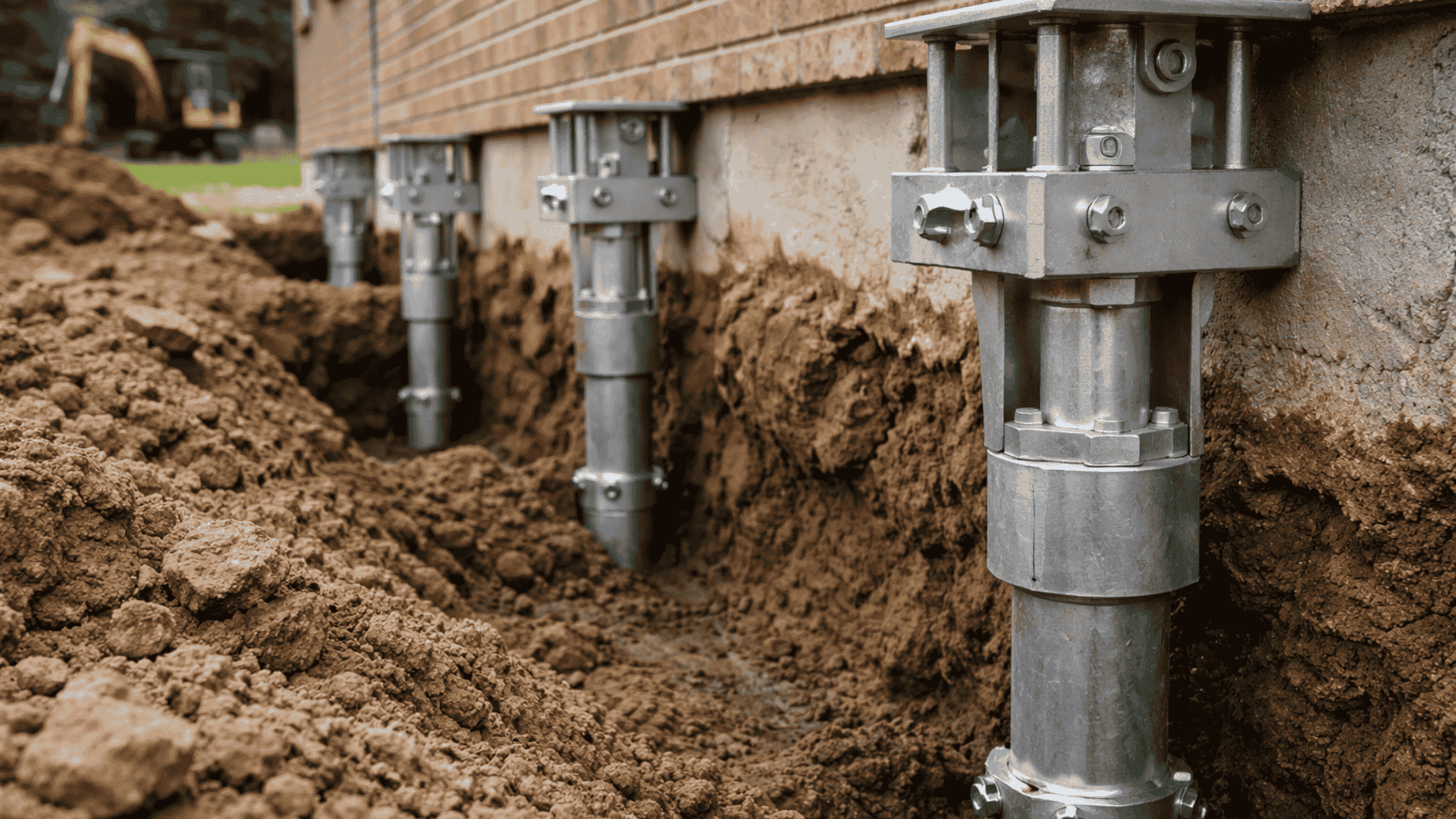
Helical pile installation is a controlled, engineering-led process designed to translate subsurface uncertainty into verified foundation performance.
Unlike many deep foundation systems where performance is assumed until testing occurs later, helical piles integrate installation and verification into a single, continuous operation.
1. Pre-Installation Engineering and Planning: Engineers begin by reviewing geotechnical data, structural loads, and site constraints to define pile size, helix configuration, target embedment, and acceptance criteria.
Installation torque targets are established based on required axial capacity and soil conditions, linking field measurements directly to design intent.
2. Site Preparation and Layout: Pile locations are surveyed and marked to align with structural load paths. Access, working platforms, and equipment positioning are verified to maintain alignment and minimize disturbance during installation.
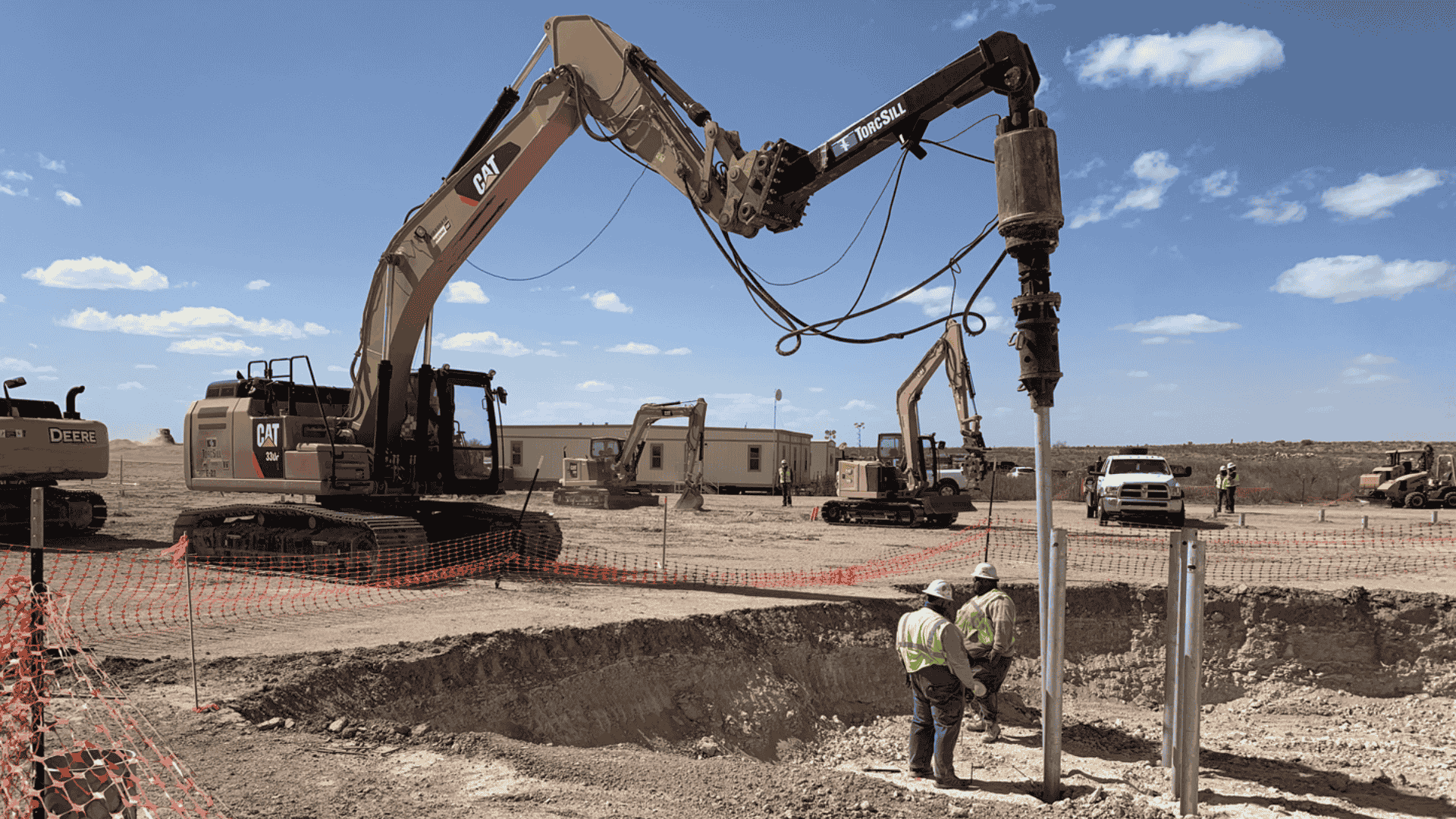
3. Equipment Setup and Alignment: Helical piles are installed using hydraulic rotary drive heads mounted on excavators or specialized rigs.
Alignment is confirmed before installation begins to control verticality or specified batter angles, ensuring predictable load transfer.
4. Rotational Installation and Advancement: The pile is rotated into the ground at a controlled rate. Helical plates advance through the soil with minimal displacement, while installation torque, rotation speed, and depth are monitored continuously.
Changes in resistance provide real-time insight into soil variability and bearing layer engagement.
5. Installation Monitoring and Verification: Installation data is recorded throughout the process, including torque progression with depth and final achieved values.
For helical piles, installation itself functions as a verification phase. Torque measurements confirm axial capacity before pile caps or superstructure loads are introduced, reducing downstream foundation risk and limiting reliance on conservative assumptions or post-installation correction.
6. Achieving Design Criteria: Installation continues until the predefined torque and embedment criteria are met, confirming that the pile has developed the required resistance in competent soil.
If criteria are not achieved, adjustments to pile length or configuration can be made immediately, while access and equipment are still in place.
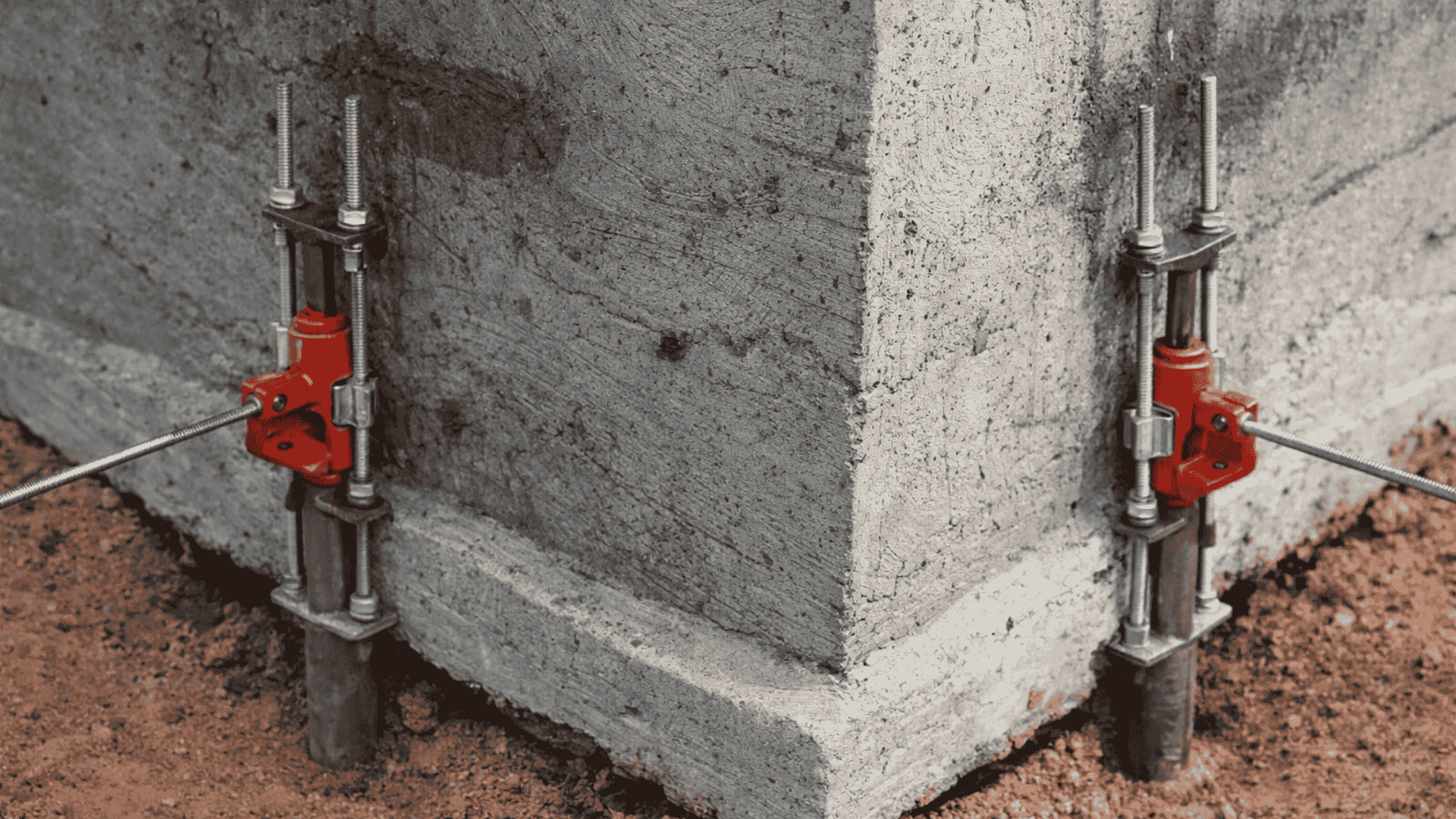
7. Cut-Off and Structural Integration: Once accepted, the pile is cut to the specified elevation and prepared for connection to pile caps, grade beams, or direct structural interfaces.
Because capacity is already verified, follow-on construction can proceed without curing delays or staged loading. By embedding verification into the installation process, helical piles give engineers a higher degree of control over foundation performance.
This shift, verifying capacity before the structure is built rather than after, is a primary reason helical piles are preferred over other steel foundation pier systems where certainty, speed, and risk reduction matter.
Best Practices for Helical Pile Foundation Systems in 2026
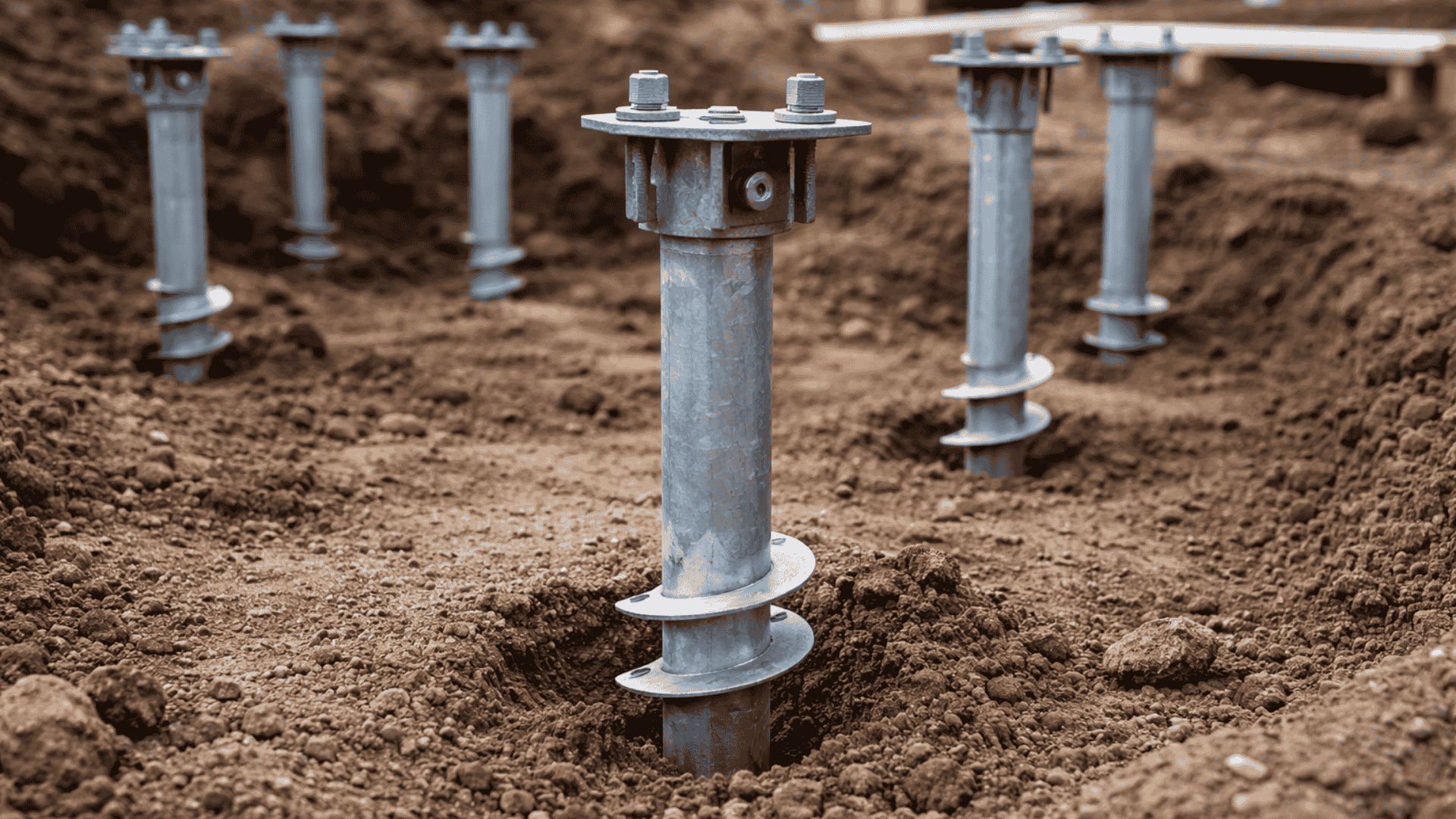
Helical piles have become the reference case because they integrate installation, measurement, and engineering interpretation into a single, controlled process. Other steel pier systems are now evaluated against this benchmark rather than treated as equal alternatives.
The following best practices reflect how helical piles are engineered, installed, and validated for reliable long-term foundation performance.
Align Installation Torque With Engineering Intent
Installation torque is not just a construction metric; it is an engineering control parameter. Target torque values must be established during design based on required axial capacity, soil conditions, and safety factors. During installation, torque trends with depth should be reviewed by engineers to confirm engagement with competent strata and to identify changes in soil behaviour that may affect load transfer.
Treat Installation as a Continuous Verification Process
Helical pile installation should be monitored in real time, with torque, depth, and rotation recorded continuously. This allows engineers to verify capacity during installation rather than relying on assumed performance or delayed load testing. When unexpected resistance patterns appear, adjustments can be made immediately while access and equipment are still available.
Maintain Strict Alignment and Tolerances
Because helical piles are installed rotationally, maintaining alignment directly affects both capacity verification and pile cap geometry. Deviations from verticality or specified batter angles can alter torque readings, introduce unintended bending, and complicate structural connections. Proactive alignment control from the start is essential for predictable load transfer and efficient pile cap construction.
Use Calibrated Equipment and Consistent Installation Methods
Torque motors, hydraulic systems, and monitoring instruments must be calibrated and matched to pile size and soil resistance. Consistent rotation speed and applied downforce improve the reliability of torque–capacity correlations and reduce variability across production piles.
Interpret Field Data, Do Not Install Blindly
Best practice requires active engineering oversight during installation. Torque profiles, penetration rates, and refusal behaviour should be interpreted against geotechnical expectations rather than treated as pass–fail thresholds. This interpretation distinguishes helical piles from other steel pier systems that often rely on post-installation verification.
Integrate Installation With Structural Sequencing
Because helical pile capacity is verified during installation, pile caps, grade beams, or direct connections can be constructed without waiting for curing or staged loading. Coordinating installation data with structural sequencing reduces foundation-driven schedule risk and supports efficient project delivery.
Document Installation for Long-Term Confidence
Detailed installation records linking torque, depth, pile configuration, and location provide a defensible performance record. This documentation supports inspections, future modifications, and asset management over the life of the structure.
By treating helical piles as the standard for steel foundation pier best practice, project teams gain earlier verification, tighter engineering control, and reduced uncertainty.
TorcSill Delivers Helical Piles as a Complete Steel Pier System
TorcSill approaches helical piles not as discrete components, but as a complete steel foundation pier system, designed, installed, and validated as one integrated solution.
On energy and industrial projects with restricted access and variable soils, TorcSill has delivered helical pile foundations where torque-verified capacity allowed immediate superstructure erection without redesign or remediation.
This outcome is achieved by controlling every phase that influences foundation performance, not just the pile itself.
1. Engineering & Design for Tailored Foundation Engineering: TorcSill’s engineers begin by translating structural loads and geotechnical data into pile configurations with defined torque-to-capacity relationships. Installation criteria are established up front so that measured torque directly confirms axial performance, settlement behaviour, and load-path assumptions during construction.
2. Manufacturing for Quality Helical Piles & Components: Design intent is preserved through controlled manufacturing. Helical piles and connectors are produced with consistent geometry, weld quality, and material traceability, ensuring that field-measured torque reflects true structural capacity rather than fabrication variability.
3. Construction Services for Site Execution & Installation: Installation is treated as a verification phase, not a routine activity. TorcSill monitors torque, depth, and alignment in real time, interpreting field data against engineering expectations and making informed adjustments when subsurface conditions vary.
4. Drilling Services for Site Preparation & Soil Access: Where access, sensitivity, or ground conditions constrain conventional methods, TorcSill’s drilling and access capabilities enable precise installation without compromising verification or surrounding structures.
By integrating engineering, manufacturing, installation, and access under one accountable framework, TorcSill ensures helical piles perform as intended from the moment they are installed.
Conclusion
Steel foundation piers play a critical role in transferring structural loads through variable ground conditions where shallow foundations are not viable. Their performance depends not only on material and geometry, but on how installation behaviour, soil response, and verification data align with design assumptions.
Targeted engineering review during pier selection and installation helps confirm capacity, manage uncertainty, and avoid over- or under-designed solutions. Early interpretation of field behaviour reduces risk and supports predictable, long-term foundation performance.
Consult a TorcSill engineer to evaluate how steel foundation pier selection, installation data, and ground conditions should inform your foundation design.
Frequently Asked Questions (FAQs)
1. When are steel foundation piers preferred over concrete/timber piles?
Steel foundation piers are often selected where access is restricted, installation must occur with minimal excavation, or soil conditions require deep penetration to reach competent strata. Their high strength-to-size ratio makes them suitable for retrofit, underpinning, and sites with variable ground profiles.
2. How do corrosion considerations affect steel foundation pier design?
Corrosion risk is evaluated based on soil chemistry, groundwater conditions, and service life requirements. Protective coatings, sacrificial steel thickness, or galvanised systems may be specified. Engineering review ensures durability assumptions align with site-specific exposure conditions rather than generic design values.
3. Can steel foundation piers be installed near existing structures without causing damage?
Yes, when installation methods and load paths are carefully planned. Low-vibration and controlled installation techniques reduce the risk of ground movement or stress transfer to adjacent foundations. Engineering oversight is critical to manage these risks on constrained or occupied sites.
4. How are steel foundation pier capacities verified during construction?
Capacity may be inferred from installation parameters, such as torque or resistance, and supplemented by load testing where required. Interpreting this data correctly ensures that installed performance matches design intent, particularly where subsurface conditions vary across the site.
5. How does TorcSill support decision-making for steel foundation pier projects?
TorcSill provides foundation-focused engineering input by reviewing pier behaviour, installation data, and subsurface conditions together. This helps project teams confirm whether installed piers meet performance expectations and whether design or construction adjustments are warranted before structural loads are applied.