Structures transfer enormous loads into the ground, often through deep foundation systems that remain out of sight for decades. Where soil conditions are variable, loads are high, or tolerances are tight, helical pile cap foundations have become a preferred solution for controlling load transfer, alignment, and long-term performance.
In these systems, helical piles provide verified deep capacity while engineered pile caps distribute forces efficiently to the superstructure. This integration allows engineers to manage settlement, lateral forces, and construction sequencing with far greater precision than traditional deep foundations alone.
This guide explains how pile cap foundations work, key design and construction considerations, common configurations, and how engineers apply them to deliver reliable, buildable foundation systems.
Key takeaways
Pile cap foundations rely on torque-verified helical piles to transfer loads into competent strata, providing predictable axial, lateral, and uplift performance under variable soil conditions.
Rather than serving as the foundation themselves, pile caps connect multiple helical piles, control load sharing, manage alignment, and provide a stable interface for columns, walls, or equipment bases.
Installation torque provides real-time confirmation of pile performance, reducing uncertainty in load transfer and allowing pile cap design to be based on verified, not assumed, foundation capacity.
Helical pile cap systems reduce excavation, eliminate curing delays, and simplify construction sequencing, particularly valuable on constrained sites and accelerated 2026 project schedules.
Through engineering-led design, in-house manufacturing, and coordinated installation, TorcSill ensures helical piles and pile caps perform as a unified foundation system aligned with real soil behavior and project constraints.
What Is a Pile Cap Foundation? Key Elements
A pile cap foundation is a structural element that connects a group of deep foundation elements and transfers loads from the superstructure into the supporting piles below. In modern systems, pile caps are increasingly designed specifically to work with helical piles, forming an integrated foundation solution rather than a standalone concrete component.
When used with helical piles, pile caps function as precision interfaces. They translate torque-verified deep foundation capacity into controlled, predictable support for columns, walls, grade beams, or equipment bases. Rather than simply covering pile heads, the pile cap governs how loads are shared, aligned, and distributed across the pile group.
In commercial, industrial, energy, and infrastructure projects, helical pile cap foundations are commonly used where surface soils are weak or variable, settlement tolerances are tight, or construction sequencing demands immediate load readiness.
Key elements of a helical pile cap foundation include:
Helical pile group configuration: A defined layout of torque-verified helical piles designed to meet axial, lateral, and uplift demands while controlling settlement and rotation.
Engineered pile cap structure: A reinforced concrete cap designed to resist bending, shear, and punching forces while distributing loads evenly to each helical pile.
Load transfer interface: The structural connection between the superstructure and the pile cap, ensuring continuous and predictable load paths from above grade into competent soils at depth.
Reinforcement detailing and stress flow control: Steel reinforcement arranged to manage force distribution between piles, limit cracking, and maintain load sharing under service and ultimate conditions.
Pile head integration and alignment: Accurate embedment, elevation control, and alignment of helical pile heads within the cap to preserve the verified capacity achieved during installation.
By tying torque-verified helical piles into a unified structural interface, pile cap foundations improve load distribution, reduce differential movement, and deliver reliable performance under demanding soil conditions and accelerated construction schedules.
Main Types of Pile Cap Foundations Used in 2026
Pile cap foundations are configured based on structural load demands, pile layout, superstructure geometry, and site constraints. In helical pile cap systems, the cap geometry is designed around verified pile capacity and achievable installation tolerances, rather than conservative assumptions or material mass.
Selecting the appropriate pile cap configuration ensures efficient load transfer, constructability, and long-term performance.
Common types of pile cap foundations, especially for helical piles, include:
Single-pile cap: A single-pile cap connects one helical pile directly to a column or structural element. This configuration is typically used for light to moderate loads where torque-verified capacity provides sufficient confidence in axial and uplift performance, and where redundancy is not required.
Two-pile cap: Two-pile caps are used where loads or overturning moments exceed the capacity of a single pile or where layout constraints limit pile placement. The cap is designed to manage bending between piles and control eccentricity, with reinforcement detailing driven by verified pile resistance.
Multi-pile cap: Multi-pile caps connect three or more helical piles and are common in commercial, industrial, and infrastructure applications. This configuration improves load sharing, redundancy, and control of differential settlement under high vertical, lateral, or uplift loads.
Strip pile cap: Strip pile caps run continuously along a line of helical piles and are typically used to support walls, pipe racks, or linear structural elements. Load transfer is distributed along the pile line, reducing localized stresses and simplifying superstructure detailing.
Combined pile cap: Combined pile caps support multiple columns or structural elements on a shared group of helical piles. They are often used where column spacing is tight or where site constraints prevent the use of individual caps without overlap.
Special-purpose pile caps: Certain applications require pile caps designed for significant uplift, lateral loading, or dynamic forces. These are common in marine, energy, and industrial environments, where wind, wave action, thermal movement, or equipment vibration governs foundation behavior.
In pile cap foundations using helical piles, these configurations are optimized around pile spacing, torque-verified capacity, and installation tolerances, allowing engineers to simplify cap geometry while maintaining predictable load transfer, settlement control, and constructability under modern project constraints.
When pile layout, structural loads, and site constraints vary, engineered pile cap solutions help eliminate design uncertainty. TorcSill’s helical pile cap systems are developed to accommodate verified pile capacity while supporting efficient load transfer and constructability.
How Engineers Construct a Pile Cap Foundation for Helical Piles
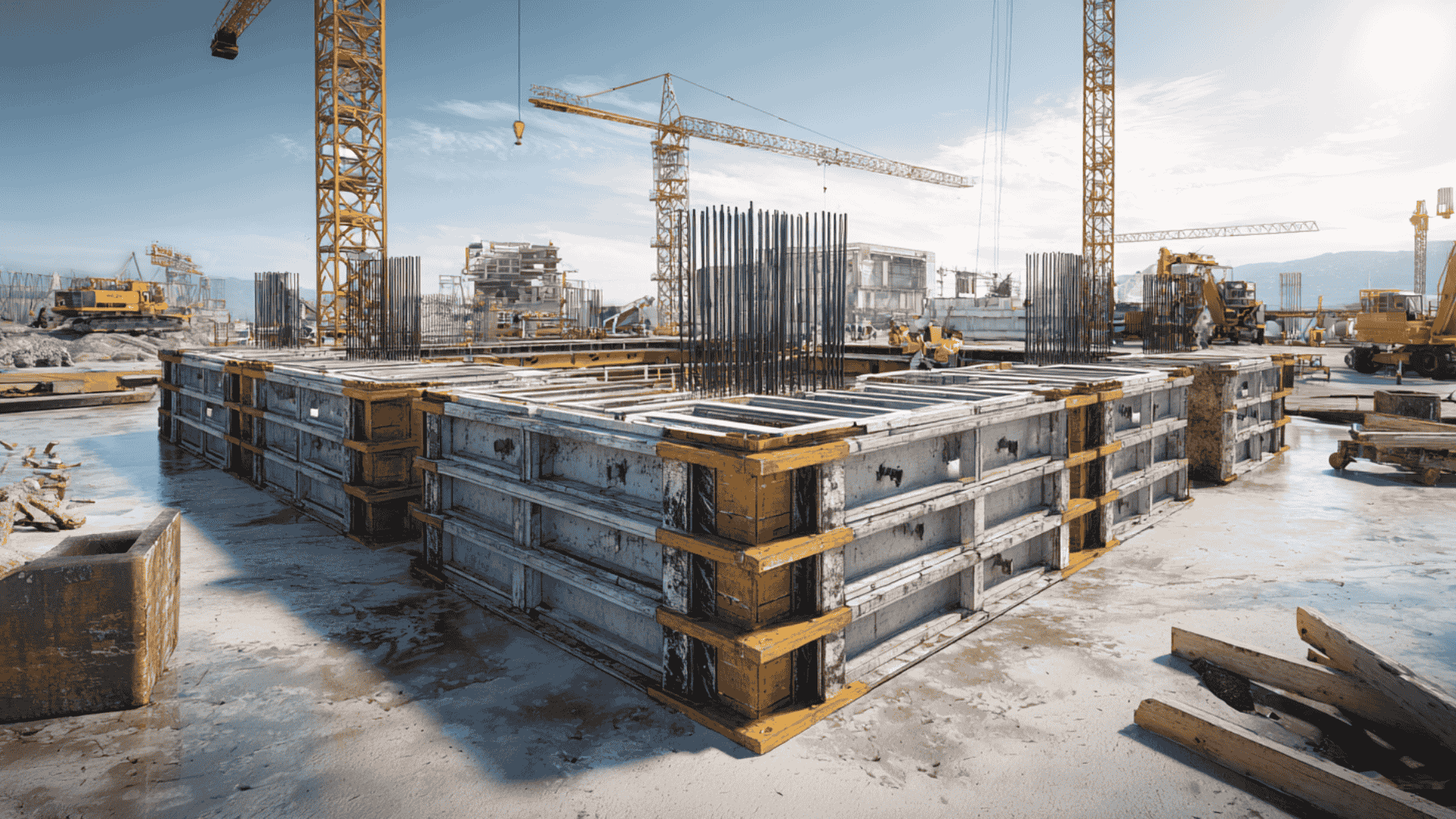
The construction of a pile cap foundation for helical piles follows a controlled, sequential process designed to translate verified deep foundation capacity into reliable structural support.
Compared to traditional systems, this sequence reduces uncertainty earlier in construction and improves alignment between design intent and field performance.
Step 1: Site Investigation and Foundation Layout
Before construction begins, geotechnical data is reviewed to confirm soil conditions, bearing strata, and design assumptions for the helical piles. Survey teams then establish precise pile locations, pile cap dimensions, and reference elevations based on approved drawings.
This step ensures pile spacing, alignment, and cap geometry are coordinated with verified load requirements rather than generalized assumptions.
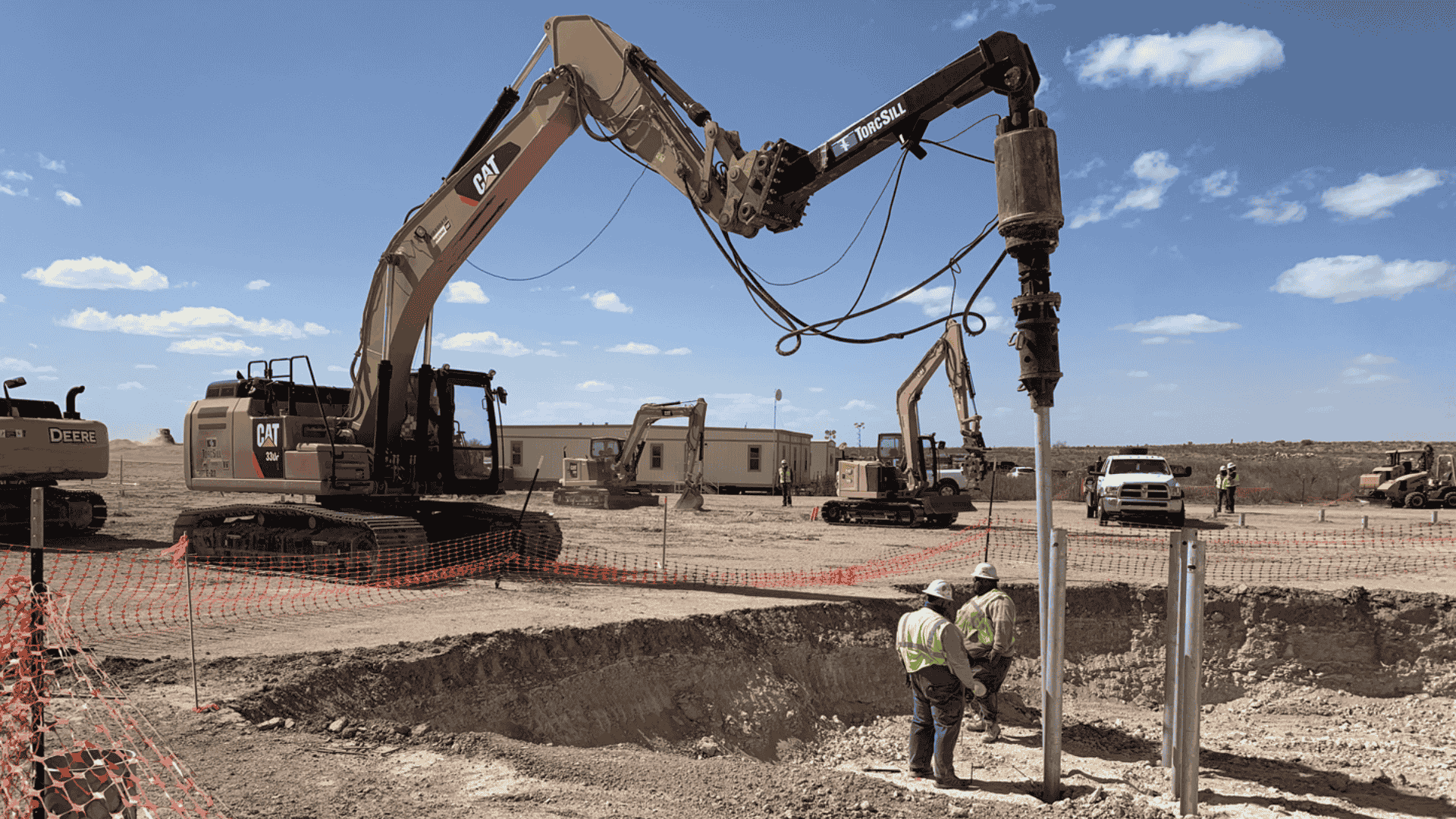
Step 2: Helical Pile Installation
Helical piles are installed by controlled rotation to the required depth and target torque. Installation records document torque, depth, and alignment for each pile, providing direct correlation to load capacity.
Because helical pile capacity is verified during installation, engineers enter pile cap construction with confirmed load data rather than assumed performance. This allows pile spacing, cap geometry, and reinforcement detailing to be executed with confidence in actual foundation behavior.
Pile heads are then cut or adjusted to achieve uniform elevation and proper embedment within the pile cap.
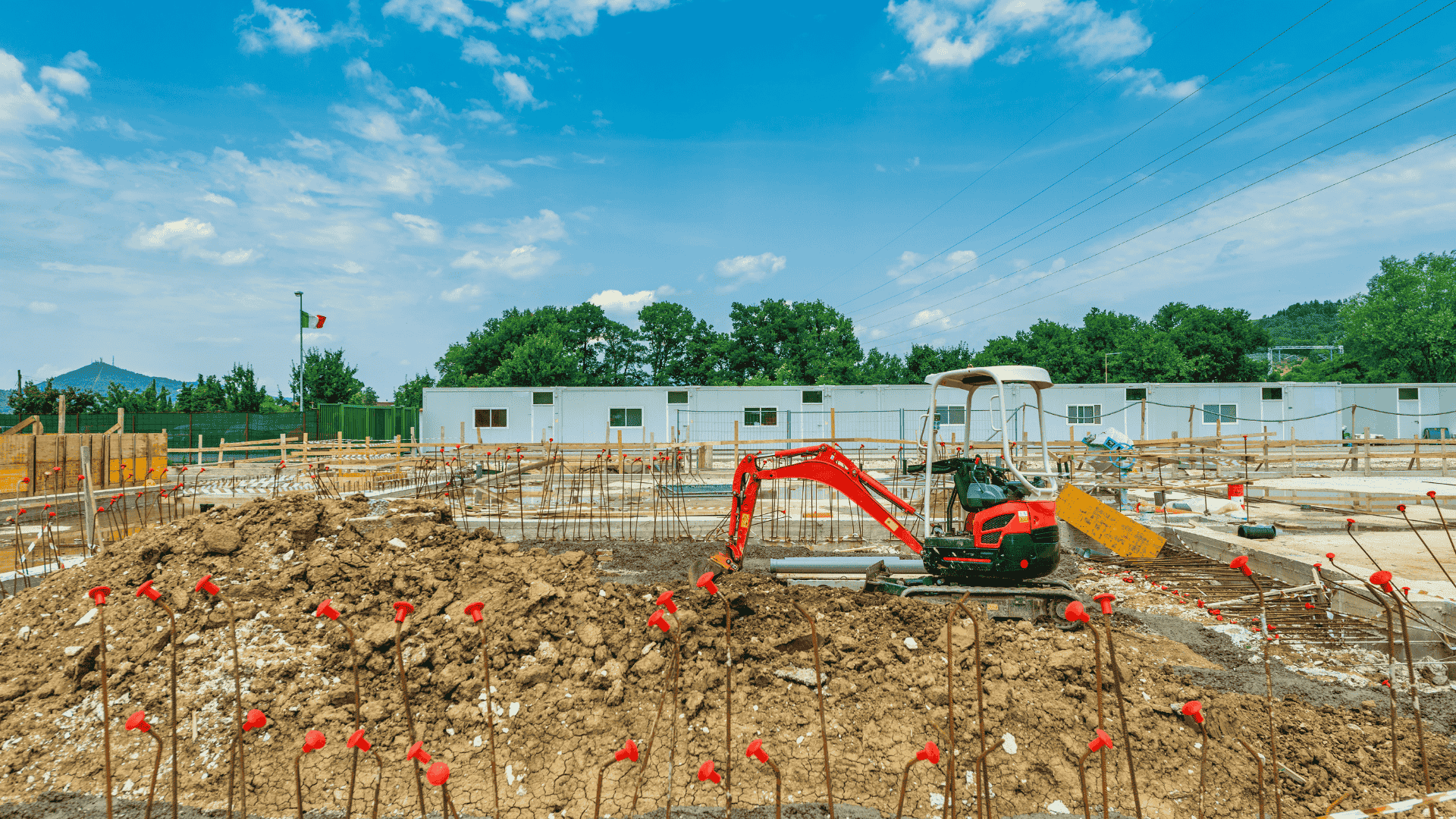
Step 3: Excavation for Pile Cap Formation
Excavation is carried out around the installed piles to the required depth and footprint of the pile cap. Temporary shoring or dewatering may be required depending on soil stability and groundwater conditions.
Compared to traditional pile groups, excavation scope is often reduced because helical piles do not require oversized caps to compensate for capacity uncertainty.
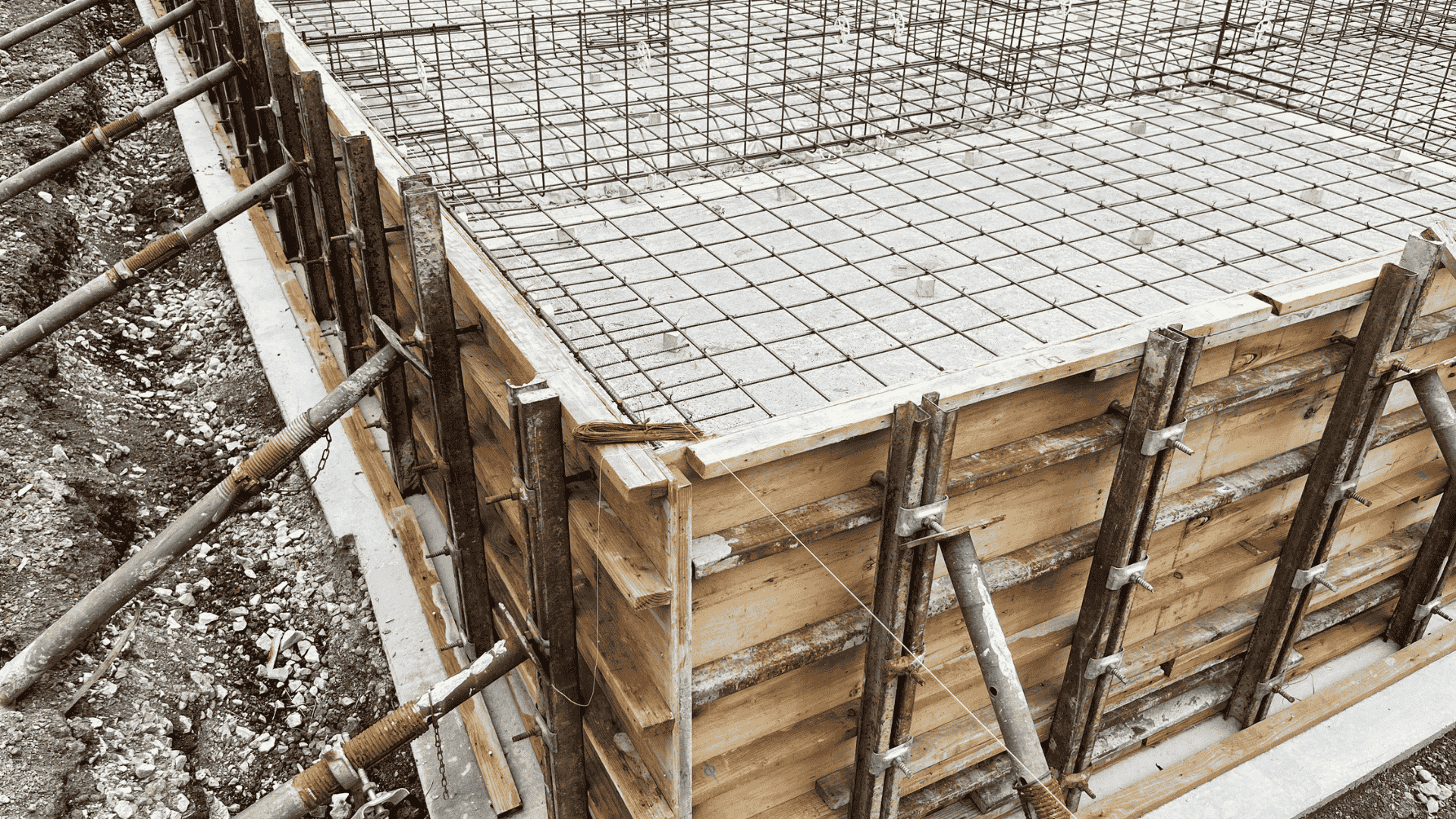
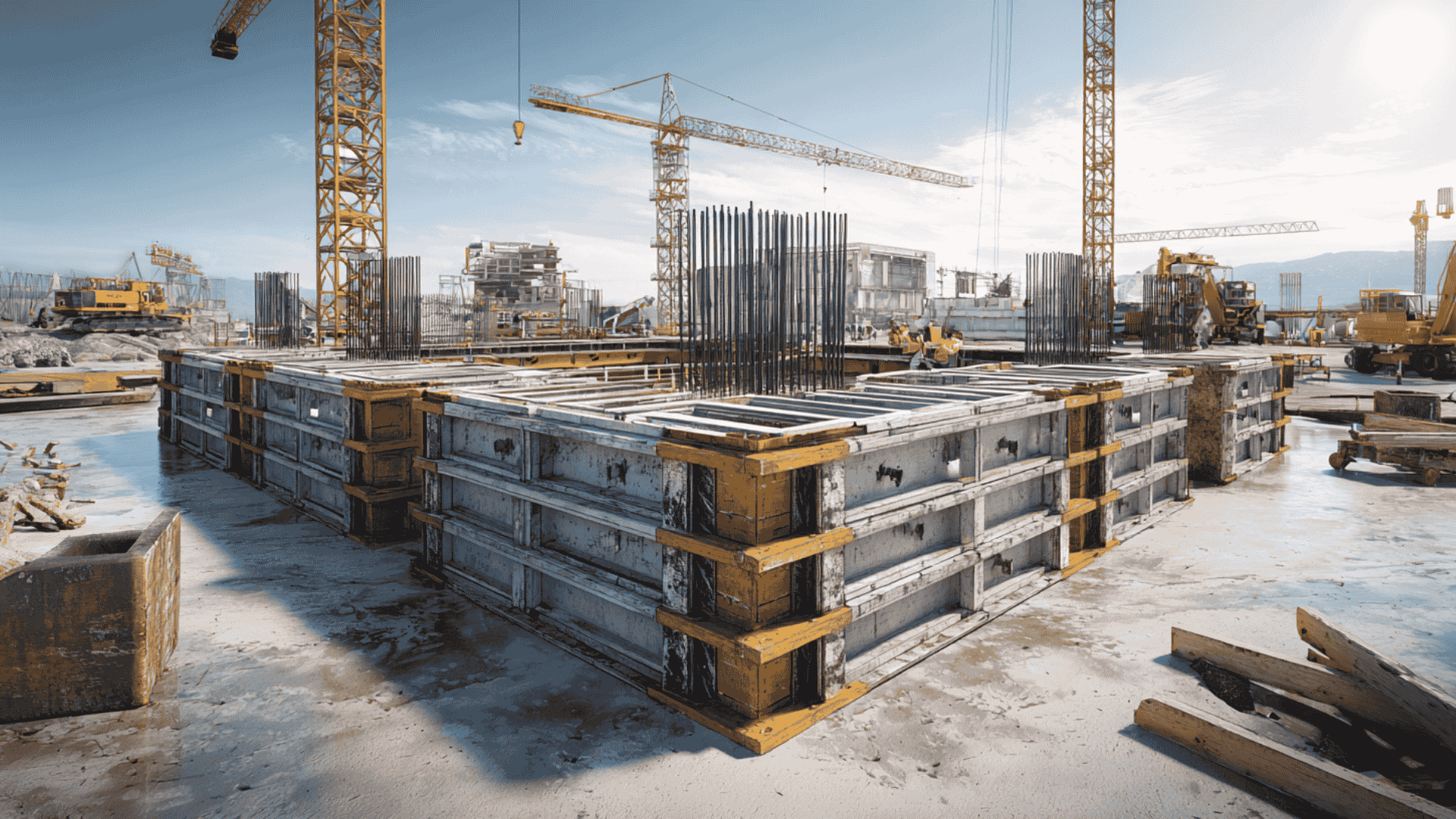
Step 4: Formwork and Pile Head Preparation
Formwork is installed to define the pile cap shape and dimensions. Pile heads are cleaned and prepared to ensure proper bonding with concrete and accurate load transfer.
At this stage, pile head alignment and embedment are verified to maintain consistent load sharing across the helical pile group.
Step 5: Reinforcement Installation
Steel reinforcement is placed according to structural drawings, including bottom and top mats, shear reinforcement, and connection details for columns or grade beams.
Reinforcement detailing reflects verified pile reactions, allowing stress flow to be managed efficiently without unnecessary congestion or overdesign.
Step 6: Concrete Placement and Curing
Concrete is placed in a controlled manner to fully encapsulate reinforcement and pile heads. Proper placement and curing ensure the pile cap achieves its required strength before superstructure loads are applied.
While curing is still required, the foundation system is already supported by confirmed deep capacity, reducing schedule risk tied to post-installation verification.
Step 7: Form Removal and Inspection
Once sufficient concrete strength is achieved, formwork is removed and the pile cap is inspected for dimensional accuracy, surface condition, and reinforcement cover. Required documentation and engineering sign-off are completed before superstructure work begins.
This sequencing reduces uncertainty compared to traditional driven or cast-in-place systems, where capacity confirmation often occurs after pile cap construction is complete, increasing the risk of redesign or remediation.
By verifying deep foundation performance early and integrating it directly into pile cap construction, helical pile cap foundations deliver greater predictability, reduced construction risk, and improved alignment between design assumptions and as-built behavior.
Common Design Considerations for Helical Pile Cap Foundations
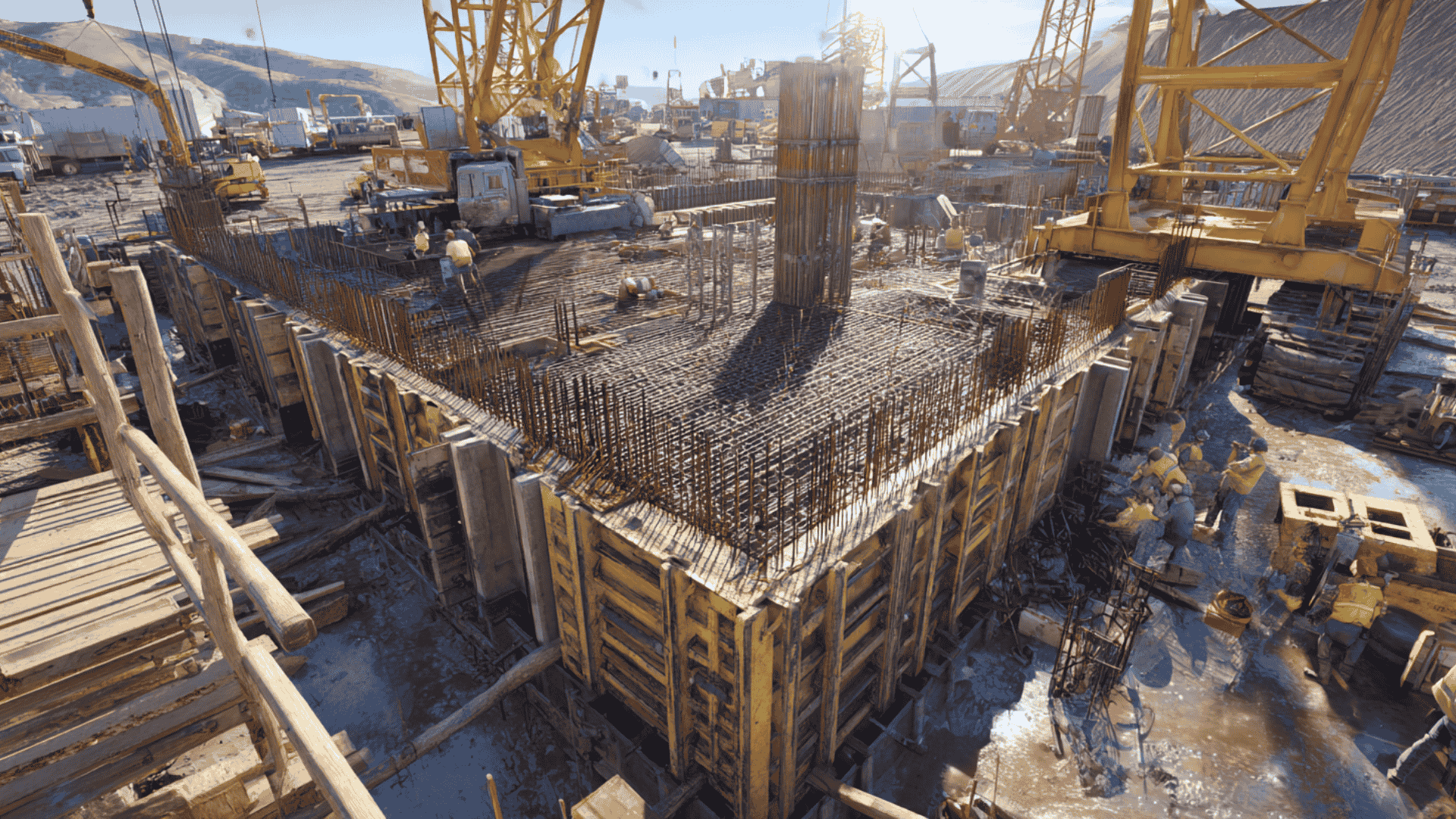
Designing helical pile cap foundations requires coordination between verified pile behavior, structural demand, and site constraints. Unlike traditional systems that rely on assumed pile capacity, helical pile cap design is anchored in measured installation performance, allowing engineers to optimize load transfer, constructability, and long-term reliability.
Key design considerations include:
Helical Pile Layout and Spacing
The number, spacing, and arrangement of helical piles determine how loads are distributed across the foundation system.
Helical pile spacing is governed by torque-verified capacity and actual load demand, allowing pile caps to be designed for performance rather than conservative assumptions. This improves load sharing, reduces unnecessary pile count, and limits differential settlement and rotation.
Load Magnitude and Load Combinations
Helical pile cap foundations must resist vertical, lateral, and uplift forces, including transient loads from wind, seismic activity, thermal effects, or equipment operation.
Verified pile capacity allows engineers to evaluate governing load combinations with greater confidence under both ultimate and serviceability limit states.
Pile Cap Thickness and Geometry
Cap depth and plan dimensions influence bending resistance, shear capacity, and punching behavior around columns or pile heads.
Because pile reactions are known, cap geometry can often be optimized to resist actual stress flow rather than oversized to account for uncertainty.
Soil and Geotechnical Conditions
Subsurface conditions influence pile embedment depth, helix configuration, and load transfer behavior. Soil stiffness, bearing strata, groundwater levels, and erosion potential are evaluated to ensure pile performance assumptions align with field conditions.
Helical piles reduce sensitivity to near-surface variability by transferring load to competent strata at depth.
Reinforcement Detailing and Load Distribution
Reinforcement is detailed to manage stress flow between the superstructure and the helical pile group. Proper continuity, anchorage, and congestion control are critical to maintaining even load sharing and limiting cracking under service loads.
Connection to the Superstructure
Columns, walls, grade beams, or equipment bases must be integrated into the pile cap with clear and continuous load paths.
Connection detailing governs how axial and lateral forces are introduced into the helical pile group and directly affects foundation performance.
Construction Tolerances and Sequencing
Designs must reflect achievable field tolerances for pile positioning, elevation control, and alignment.
Helical pile installation tolerances directly influence cap geometry, making coordination between pile installation and cap design essential to avoid misalignment, rework, or uneven load transfer.
Durability and Exposure Conditions
Environmental exposure affects concrete cover, reinforcement protection, and long-term durability.
Marine environments, aggressive soils, freeze–thaw cycles, and chemical exposure require additional detailing to ensure the pile cap maintains integrity over its service life.
By anchoring pile cap design to verified helical pile performance and coordinating installation realities with structural detailing, engineers can deliver foundation systems that are efficient, constructible, and reliable under the constraints shaping projects in 2026.
How TorcSill Supports Helical Pile Cap Foundation Decisions
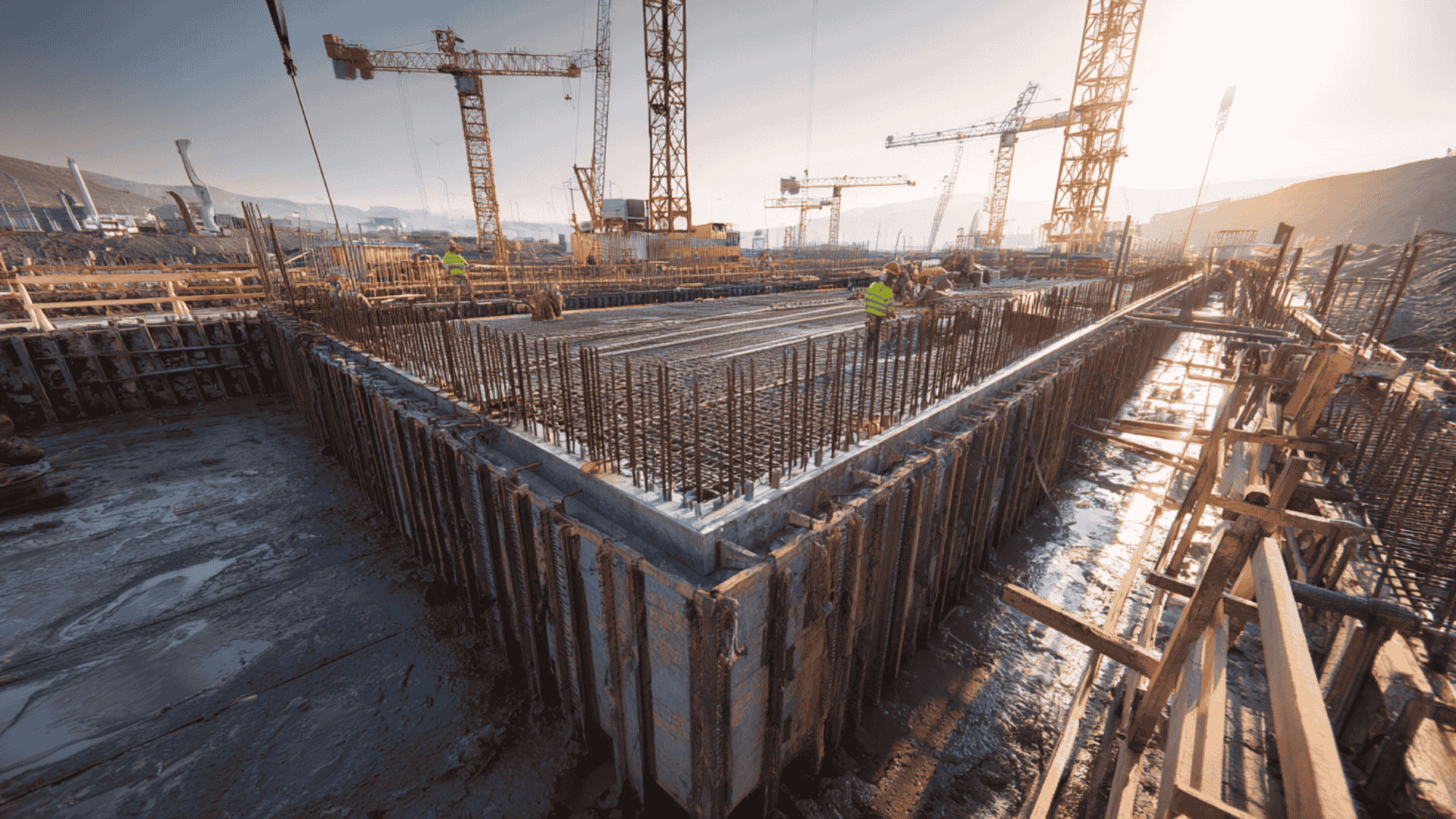
Helical pile cap foundations perform best when deep foundation behavior, structural load paths, and constructability are addressed as a single engineered system. In 2026, project teams increasingly look for partners who can control that system end to end rather than coordinating disconnected scopes.
On industrial and energy projects with high column loads and limited excavation tolerance, TorcSill has delivered helical pile cap foundations where verified pile capacity was achieved prior to cap construction, allowing immediate superstructure sequencing and reducing foundation-driven schedule risk.
TorcSill supports helical pile cap foundation decisions through vertically integrated delivery:
Engineering & Design for Tailored Foundation Engineering: Site-specific analysis of soil behavior, load demand, pile configuration, and cap geometry to ensure predictable load transfer and settlement control.
Manufacturing for Quality Helical Piles & Components: ISO-certified fabrication of helical piles and connection elements to maintain consistency between design intent and field performance.
Construction Services for Site Execution & Installation: Torque-monitored installation verifies pile capacity during construction, providing confirmed inputs for pile cap detailing and sequencing.
Drilling Services for Site Preparation & Soil Access: Specialized drilling capabilities support access in dense soils, rock, or constrained environments where conventional excavation is impractical.
By integrating engineering, manufacturing, and field execution, TorcSill ensures helical pile cap foundations are designed, delivered, and validated as a complete structural system.
Conclusion
Effective pile cap foundation planning goes beyond verifying geometry or material specifications. It requires understanding how loads are distributed, how piles interact with soil, and how construction constraints affect long-term performance. Early evaluation of these factors is critical to ensuring structural reliability, constructability, and cost efficiency.
TorcSill supports foundation-focused decisions by providing specialised engineering insight into load transfer, pile behaviour, and site conditions. This guidance helps teams determine whether traditional pile caps are optimal or if targeted deep foundation solutions, such as helical piles, can meet project requirements with reduced impact.
For commercial and industrial projects where foundation performance drives structural outcomes, early technical assessment reduces risk, prevents costly rework, and supports informed foundation decisions.
Consult a TorcSill engineer to evaluate whether pile cap design, modification, or alternative solutions are appropriate for your site and structural needs.
Frequently Asked Questions (FAQs)
1. Can pile cap foundations be used on weak or compressible soils?
Yes. Pile caps transfer structural loads through piles into deeper, more competent strata, making them suitable for soils with low bearing capacity or high compressibility. Proper geotechnical assessment ensures that pile type, length, and cap design accommodate site-specific soil behaviour.
2. How does groundwater affect pile cap performance?
High or fluctuating groundwater levels can influence concrete curing, excavation stability, and pile load capacity. Designers account for hydrostatic pressure, buoyancy effects, and potential scour to ensure pile caps maintain structural integrity over time.
3. Are pile caps suitable for seismic regions?
Pile caps can be designed to resist seismic loads when paired with appropriately designed piles and reinforcement detailing. Seismic considerations include lateral load resistance, ductility, and foundation flexibility to accommodate ground motion without compromising structural safety.
4. How is maintenance different for pile cap foundations compared to shallow footings?
Pile caps generally require minimal routine maintenance once installed. However, inspection of exposed concrete for cracking, reinforcement corrosion, or settlement indicators is recommended periodically, particularly in industrial or marine environments where exposure risks are higher.
5. Can existing pile cap foundations be retrofitted for increased loads?
Yes. Existing pile caps can be strengthened or supplemented with additional piles, larger caps, or reinforced overlays. TorcSill evaluates load redistribution, constructability, and soil conditions to determine whether retrofit interventions or alternative deep foundation systems provide the most efficient solution.