Offshore piling plays a critical role in supporting the infrastructure that powers coastal economies and offshore energy systems across the United States. It requires specialized engineering, equipment, and execution methodologies that go far beyond standard land-based construction practices.
Demand for engineered offshore piling solutions in the U.S. correlates with substantial investment and project pipelines in offshore energy infrastructure. According to recent market projections, the U.S. offshore wind project development and operational pipeline grew 53% in 2024, reaching a potential generating capacity of 80,523 megawatts (MW).
This highlights the need for robust foundation systems like monopiles and driven piles to support turbines and platforms. Significant segments of this pipeline rely on monopile and deep foundation solutions, with over 1,250 monopiles deployed in U.S. projects between 2024 and 2025 and more scheduled as wind developers advance construction.
As offshore energy development, coastal resilience projects, and marine infrastructure investment continue to expand, the demand for engineered, turnkey offshore piling solutions has grown significantly.
This guide provides a comprehensive overview of offshore piling procedures and installation methods, offering the technical insight needed to plan, execute, and verify offshore pile foundations with confidence.
Key Takeaways:
Offshore piling ensures stable foundations for energy, marine, and coastal structures, resisting dynamic loads, corrosion, and complex seabed conditions.
The selection of pile type and installation method depends on soil conditions, water depth, environmental forces, and project-specific load requirements.
Real-time monitoring, load testing, and quality verification are essential for confirming pile capacity and long-term offshore performance.
Corrosion protection, fatigue-resistant design, and maintenance planning are critical to extend service life in harsh marine environments.
Turnkey solutions integrate engineering, fabrication, and installation, improving safety, efficiency, and accountability for offshore and nearshore foundation projects.
What Is Offshore Piling?
Offshore piling is a deep foundation technique used to transfer structural loads from offshore and marine structures into the seabed. It involves installing piles, typically steel tubular piles, drilled shafts, or engineered anchors, below the seafloor to achieve adequate axial, lateral, and uplift resistance under marine loading conditions.
Offshore piles are designed to perform in highly variable subsurface environments while resisting continuous exposure to waves, currents, wind, and corrosion.
Unlike onshore piles, offshore piles must be installed from floating or jack-up vessels, requiring precise positioning, marine-grade equipment, and real-time monitoring to ensure alignment and embedment meet design specifications.
Load transfer occurs through a combination of end bearing, skin friction, and, in some cases, mechanical interlock with rock or dense strata. The reliability of this load transfer is essential to the long-term stability and safety of offshore assets.
Offshore Environmental and Site Conditions
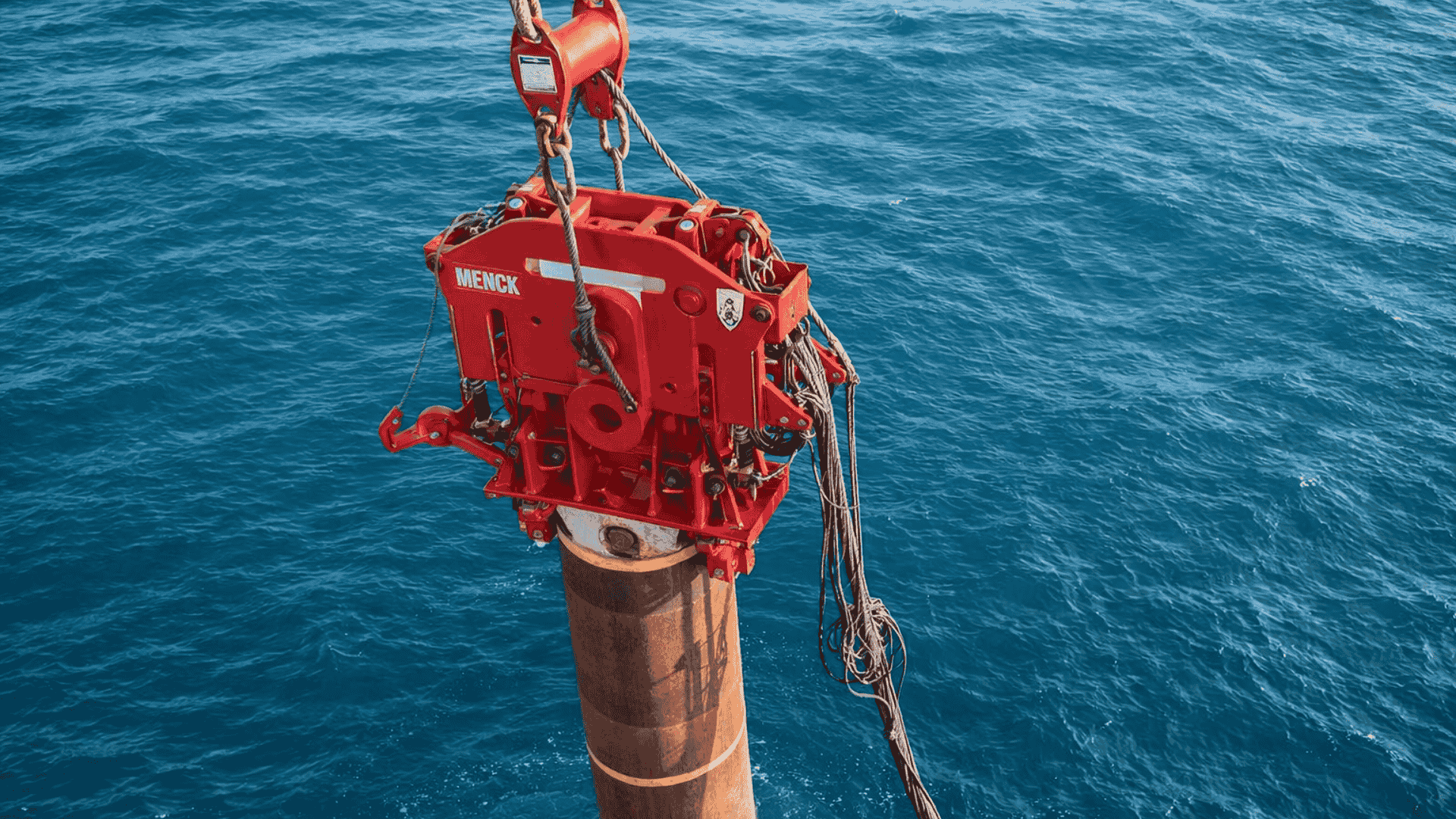
Offshore piling performance is highly dependent on environmental and site-specific conditions. Unlike land-based projects, offshore foundations must be designed and installed in environments where soil behavior, water movement, and external forces interact continuously.
A thorough understanding of these conditions is essential for selecting the appropriate pile type, installation method, and corrosion protection strategy.
Seabed Soil Conditions
Offshore seabed profiles often consist of soft clays, loose to dense sands, layered soils, or weathered rock, frequently varying over short distances. Soft marine clays can present challenges related to low shear strength, consolidation, and long-term settlement, while sandy seabeds may be susceptible to liquefaction or scour under cyclic loading.
Layered soil conditions are common offshore and require careful interpretation of geotechnical data to ensure piles achieve sufficient embedment into competent strata. Inadequate understanding of seabed variability can result in reduced load capacity or unexpected installation resistance.
Water Depth and Tidal Influences
Water depth directly affects vessel selection, installation equipment, and pile length requirements. Shallow nearshore projects may be influenced by tidal fluctuations, while deeper offshore installations require specialized vessels and longer piles to achieve target embedment depths.
Tides influence working windows, pile positioning accuracy, and installation sequencing. Changes in water level can affect hammer performance, drilling efficiency, and alignment tolerances, making tidal planning a critical component of offshore piling operations.
Wave, Current, and Wind Loading
Environmental forces such as waves, currents, and wind impact both installation activities and long-term pile performance. During installation, these forces affect vessel stability, pile verticality, and equipment control. Post-installation, they contribute to lateral loads, cyclic stresses, and fatigue demands on the pile and surrounding soil.
Designs must account for site-specific metocean data, including extreme and operational conditions, to ensure piles maintain structural integrity throughout their service life.
Scour and Seabed Erosion Risks
Scour is a major concern in offshore piling, particularly around piles exposed to strong currents or wave action. Localized erosion can reduce effective embedment depth and compromise lateral and axial capacity over time.
Scour assessments often drive decisions related to pile length, diameter, and the need for mitigation measures such as rock dumping, mattresses, or engineered scour protection systems.
Offshore Piling Design Considerations
Designing offshore piling systems requires a comprehensive evaluation of structural demands, seabed behavior, and long-term environmental exposure. Sound design decisions are critical to ensuring safety, durability, and predictable performance over the full service life of the structure.
Axial, Lateral, and Uplift Load Requirements
Offshore piles are typically subjected to a combination of:
Axial compression
Axial tension (uplift)
Lateral loads
Vertical loads originate from the self-weight of structures, equipment, and operational loads, while lateral and uplift forces are driven by wind, waves, currents, buoyancy, and mooring forces.
Design must account for load combinations under both operating and extreme environmental conditions. In many offshore applications, lateral and uplift demands govern pile sizing, embedment depth, and spacing, particularly for jackets, mooring systems, and pipeline supports.
Fatigue and Cyclic Loading
Cyclic loading is a defining characteristic of offshore piling design. Repeated wave and current action can induce fatigue stresses in piles and lead to degradation of soil resistance over time. Even when individual load cycles are relatively small, cumulative effects can significantly influence long-term performance.
Design methodologies typically evaluate fatigue life using site-specific metocean data and consider cyclic soil behavior to ensure that piles maintain capacity throughout their design life.
Geotechnical Investigations and Marine Surveys
Accurate offshore piling design depends on high-quality geotechnical and marine survey data. Site investigations may characterize strength, stiffness, and stratigraphy by including:
Seabed mapping
Boreholes
Cone Penetration Testing (CPT)
Laboratory soil testing
Marine surveys also provide critical information on bathymetry, obstructions, and seabed features that influence pile positioning and installation feasibility. Early integration of geotechnical findings into foundation design reduces uncertainty and construction risk.
Selection of Pile Type and Embedment Depth
Pile type selection, such as driven piles, drilled and grouted piles, or helical piles and anchors, is driven by soil conditions, load demands, installation constraints, and project objectives. Embedment depth is determined by achieving the required axial, lateral, and uplift resistance while accounting for potential scour and long-term soil degradation.
Optimized designs balance structural capacity with constructability, minimizing installation time and vessel costs without compromising performance.
Step-by-Step Offshore Piling Procedure
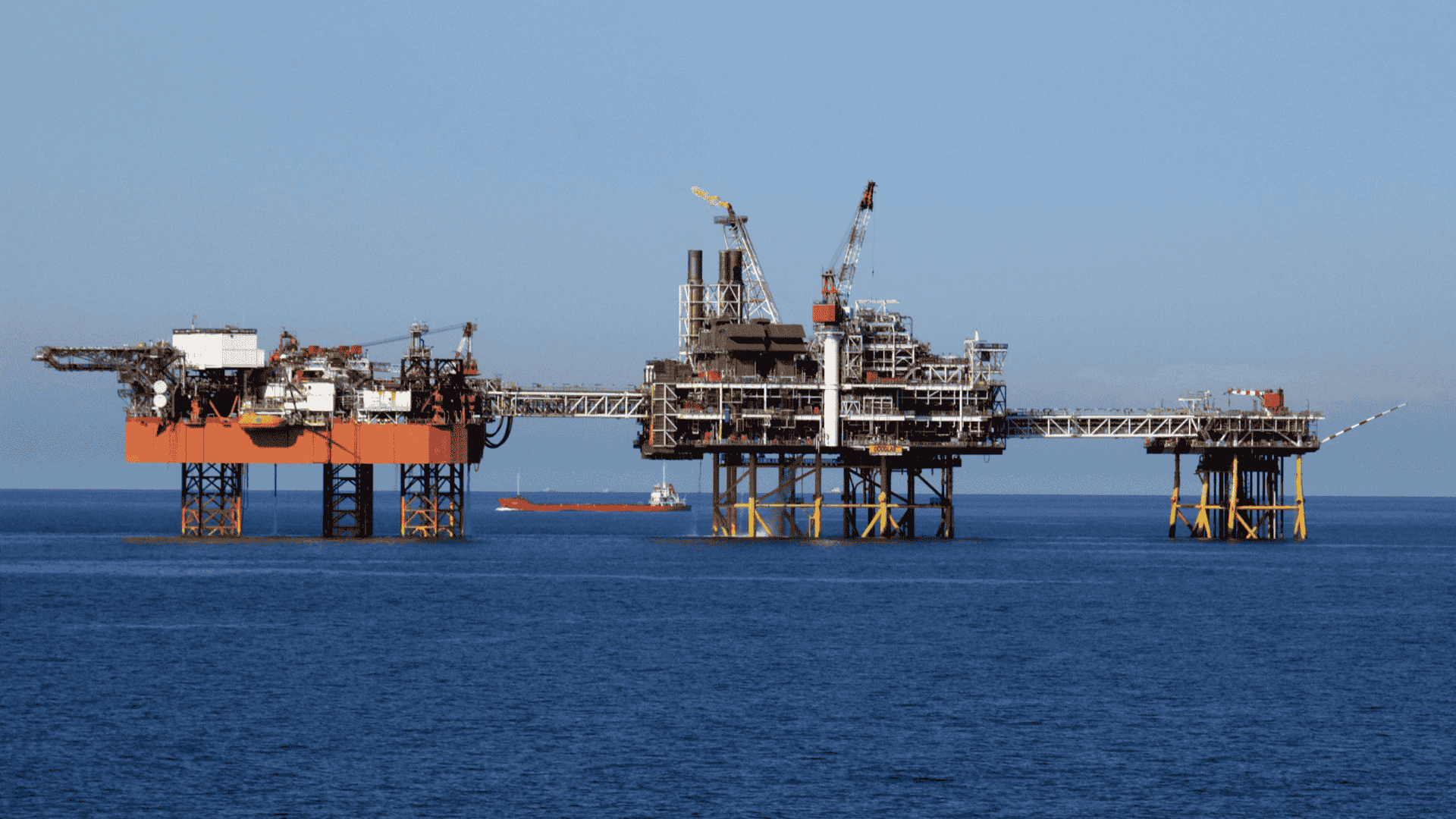
A well-defined offshore piling procedure is essential for achieving design capacity, maintaining safety, and minimizing installation risk. While specific steps may vary based on pile type and site conditions, the following sequence represents best-practice execution for offshore piling projects in U.S. marine environments.
Step 1: Pre-Installation Marine Survey and Positioning
Offshore piling operations begin with detailed marine surveys to confirm:
Seabed conditions
Water depth
Absence of obstructions
Survey data is used to establish precise pile locations and installation tolerances. GPS-based positioning systems and marine survey equipment ensure accurate alignment with design coordinates, which is critical for structural fit-up and load distribution.
Step 2: Equipment Mobilization and Vessel Setup
Installation vessels, barges, and piling equipment are mobilized to the site based on project requirements and water depth. This includes:
Cranes
Hammers or drilling rigs
Power units
Monitoring systems
Vessel stability, mooring arrangements, or dynamic positioning systems are verified to maintain control during installation, even under variable sea states.
Step 3: Pile Positioning and Alignment
Piles are lifted, handled, and positioned using marine cranes and guide frames or templates. Accurate verticality and orientation are essential to ensure proper load transfer and structural compatibility.
Alignment is continuously monitored throughout installation to prevent deviations that could compromise capacity or connection detailing.
Step 4: Installation to Design Depth or Torque Criteria
Depending on the installation method, piles are driven, drilled, or torque-installed to achieve the specified embedment depth or installation resistance.
For driven piles, hammer energy and blow counts are tracked, while drilled piles are advanced to target depth before grouting.
For helical piles and anchors, installation torque is measured and recorded as a direct indicator of capacity.
Step 5: Verification of Pile Capacity
Installation data is reviewed in real time to confirm compliance with design criteria. This may include comparing achieved depths, torque values, or driving resistance against engineering requirements.
Early verification reduces the likelihood of rework and ensures foundation performance meets expectations.
Step 6: Final Connection and Structural Integration
Once piles are installed and accepted, final connections are completed between the piles and the supported structure. This may involve welding, bolting, or grouted connections, depending on design requirements.
Proper integration ensures load transfer from the structure into the pile system as intended.
Corrosion Protection and Durability Measures
Continuous exposure to saltwater, oxygen, and biological activity accelerates material degradation and can significantly reduce pile capacity if not properly addressed. Effective durability strategies ensure offshore piles achieve their intended design life with minimal maintenance.
Material Selection for Offshore Piles: Offshore piles are typically fabricated from high-grade structural steel selected for strength, weldability, and corrosion resistance. Material specifications often include corrosion allowances that account for anticipated section loss over the design life of the structure.
Protective Coatings and Galvanization: Protective coatings are widely used to reduce corrosion rates in offshore piles. These may include epoxy-based systems, polyurethane coatings, or specialized marine-grade paints designed to withstand abrasion and chemical exposure.
Cathodic Protection Systems: Cathodic Protection (CP) is a proven method for controlling corrosion in submerged and buried offshore piles. Systems may include sacrificial anodes or impressed current systems designed to maintain protective electrical potential across the pile surface.
Designing for Long-Term Exposure and Maintenance: Offshore piling systems are often difficult and costly to access once installed. As a result, durability measures emphasize robust initial design, conservative corrosion allowances, and low-maintenance protection systems.
Safety Management in Offshore Piling Operations
Effective safety management systems protect personnel, equipment, and the environment while ensuring uninterrupted project execution.
Offshore Safety Planning and Hazard Identification: Project-specific hazard identification and risk assessments are conducted to address marine operations, lifting activities, pile handling, and environmental exposure. These assessments inform method statements, job safety analyses, and contingency planning tailored to offshore conditions.
Training, Certifications, and Stop Work Authority: Personnel involved in offshore piling must be appropriately trained and certified for marine construction activities. This includes vessel safety training, lifting and rigging qualifications, and emergency response preparedness.
Vessel and Equipment Safety: Installation of vessels, barges, and piling equipment must meet applicable maritime and industry standards. Regular inspections, maintenance, and operational checks ensure cranes, hammers, drilling systems, and power units function reliably under offshore conditions.
Emergency Response Planning: Coordination with marine support services and adherence to established response procedures enable rapid and effective action when needed.
Common Challenges and Risk Mitigation Strategies
Identifying potential risks early and implementing effective mitigation strategies are essential for maintaining schedule, safety, and foundation performance.
Unpredictable Seabed Conditions
Even with thorough site investigations, offshore seabed conditions can vary significantly across a project area. Unexpected soft layers, obstructions, or changes in stratigraphy may affect pile penetration and capacity.
Mitigation Strategies:
Design flexibility, conservative embedment assumptions, and real-time monitoring during installation allow adjustments to pile length or installation parameters as needed. Integrated engineering and construction teams can rapidly respond to subsurface variability.
Weather and Sea-State Delays
Adverse weather, high waves, and strong currents can restrict vessel operations and reduce installation productivity. Limited weather windows are a common cause of offshore project delays.
Mitigation Strategies:
Advanced weather forecasting, contingency planning, and selecting installation methods suitable for expected conditions help minimize downtime. Efficient mobilization and execution reduce exposure to prolonged offshore operations.
Equipment Positioning and Stability
Maintaining precise pile alignment and vessel stability is challenging in dynamic marine environments. Poor positioning can lead to installation errors or safety incidents.
Mitigation Strategies:
Use of dynamically positioned vessels, stable jack-up platforms, and robust pile guides improves accuracy and control. Continuous survey verification ensures compliance with design tolerances.
Corrosion and Long-Term Performance Risks
Corrosion and fatigue can compromise pile integrity over time if not adequately addressed during design and installation.
Mitigation Strategies:
Incorporating corrosion protection systems, fatigue-resistant designs, and conservative safety factors enhances durability. Lifecycle-focused design reduces long-term maintenance and replacement risks.
Best Practices for Successful Offshore Piling Projects
Successful offshore piling projects require a combination of sound engineering, disciplined execution, and proactive risk management. Applying proven best practices throughout the project lifecycle improves safety, quality, and overall project outcomes.
Early Integration of Engineering and Marine Construction Teams: Involving engineering and marine construction teams from the earliest project stages ensures that design assumptions align with installation realities.
Selecting Installation Methods Based on Site-Specific Conditions: No single piling method is suitable for all offshore environments. Best results are achieved by matching installation methods to seabed conditions, water depth, environmental constraints, and project objectives.
Real-Time Monitoring and Quality Control: Continuous monitoring of installation parameters provides immediate verification of pile performance.
Thorough Documentation and As-Built Records: Accurate documentation of installation data, test results, and as-built conditions supports regulatory compliance, future inspections, and asset management.
TorcSill: Marine & Offshore Foundation Expertise
TorcSill is a full‑service engineered foundation solutions provider specializing in helical pile and anchoring systems for demanding offshore, marine, and onshore environments. With an integrated model that includes engineering, design, manufacturing, and field installation, TorcSill delivers turnkey steel foundation solutions tailored to complex energy, coastal, and infrastructure projects.
TorcSill’s marine segment provides advanced foundation and anchoring services specifically engineered for offshore platforms, pipeline stabilization, coastal infrastructure, and waterfront projects.
Marine Helical Piles & Anchors: Engineered helical systems designed to deliver high load capacity, corrosion resistance, and durability in saltwater environments, reducing disturbance and installation time compared to traditional driven or weight‑based anchoring.
Pipeline Buoyancy & Stabilization: TorcSill’s AnchorPipe team designs and installs custom helical anchor solutions for offshore pipelines and subsea infrastructure to control buoyancy and hydrodynamic loads.
Marine Construction Services: Specialized vessel‑mounted and waterside installation equipment supports structures from shallow nearshore installations to deeper offshore settings, maintaining precise control under dynamic marine conditions.
Corrosion Protection & Engineering Design: Solutions include advanced coatings and corrosion management integrated into structural design, enhancing long‑term performance in marine environments.
TorcSill’s marine expertise extends from offshore pipeline anchoring and buoyancy control to waterfront and coastal structure foundations, making it a trusted partner for engineered offshore piling and foundation needs.
Schedule a call today to get started.
Conclusion
Successful offshore piling projects depend on engineered design, precise installation, rigorous verification, and proactive risk management. Addressing corrosion, fatigue, and environmental compliance early in the project lifecycle reduces uncertainty and protects asset performance over decades of service.
By aligning engineering, marine construction, and quality control under a single execution strategy, project teams can reduce schedule risk, improve safety outcomes, and deliver foundations built for the demands of harsh marine environments.
Need Reliable Offshore or Marine Piling Solutions?
TorcSill delivers engineered offshore piling and anchoring systems designed for demanding marine conditions and long-term performance. Whether supporting offshore pipelines, marine structures, or nearshore energy assets, TorcSill brings the expertise and accountability needed to deliver offshore foundations with confidence.
Book a call with our engineers today.
FAQs
1. What are the typical materials used for offshore piles besides steel?
While steel is most common, offshore piles can also be fabricated from reinforced concrete, composite materials, or fiberglass-reinforced polymers for specific applications such as lightweight mooring anchors or corrosion-resistant components in highly saline or tidal environments.
2. How do engineers predict seabed behavior in areas with limited geotechnical data?
In cases of limited site data, engineers use geophysical surveys, remote sensing, and numerical modeling to predict soil layering, stiffness, and potential scour. Probabilistic design approaches are then applied to account for uncertainties and reduce structural risk.
3. What technological innovations are improving offshore pile installation accuracy
Modern offshore piling increasingly relies on GPS-guided positioning systems, real-time torque monitoring for helical piles, dynamic sensors for hammer impact, and autonomous drones or ROVs to verify alignment and embedment, improving efficiency and safety.
4. How is marine life considered during offshore piling?
Environmental considerations include bubble curtains to reduce noise for marine mammals, seasonal work restrictions during breeding or migration periods, and minimizing seabed disturbance to protect benthic habitats.
5. Can offshore piles be reused or relocated after decommissioning?
In certain cases, modular or removable pile systems, such as helical anchors or temporary mooring piles, can be retrieved and reused. Permanent driven piles or grouted foundations are generally not reusable due to seabed integration and material deformation.