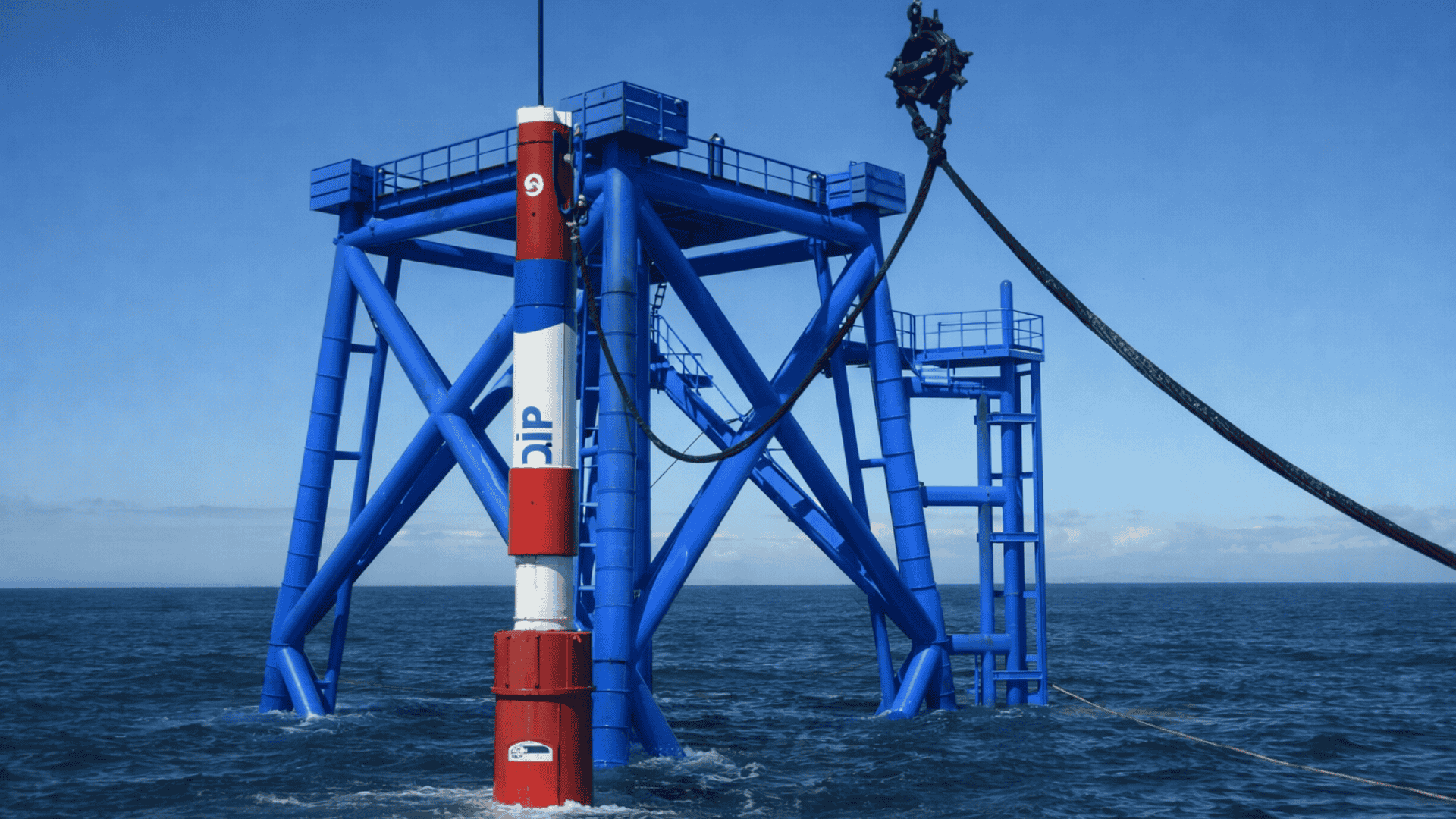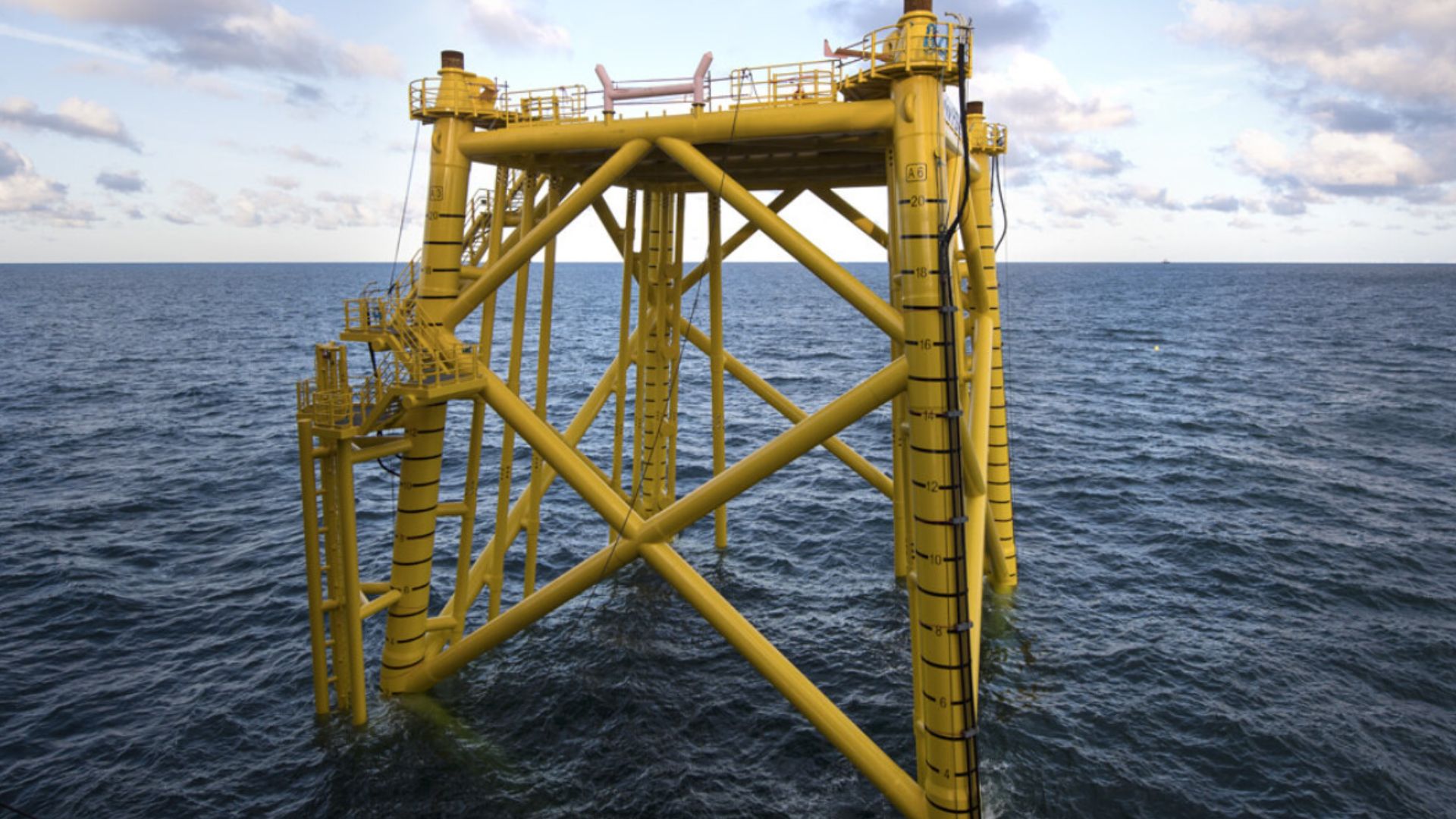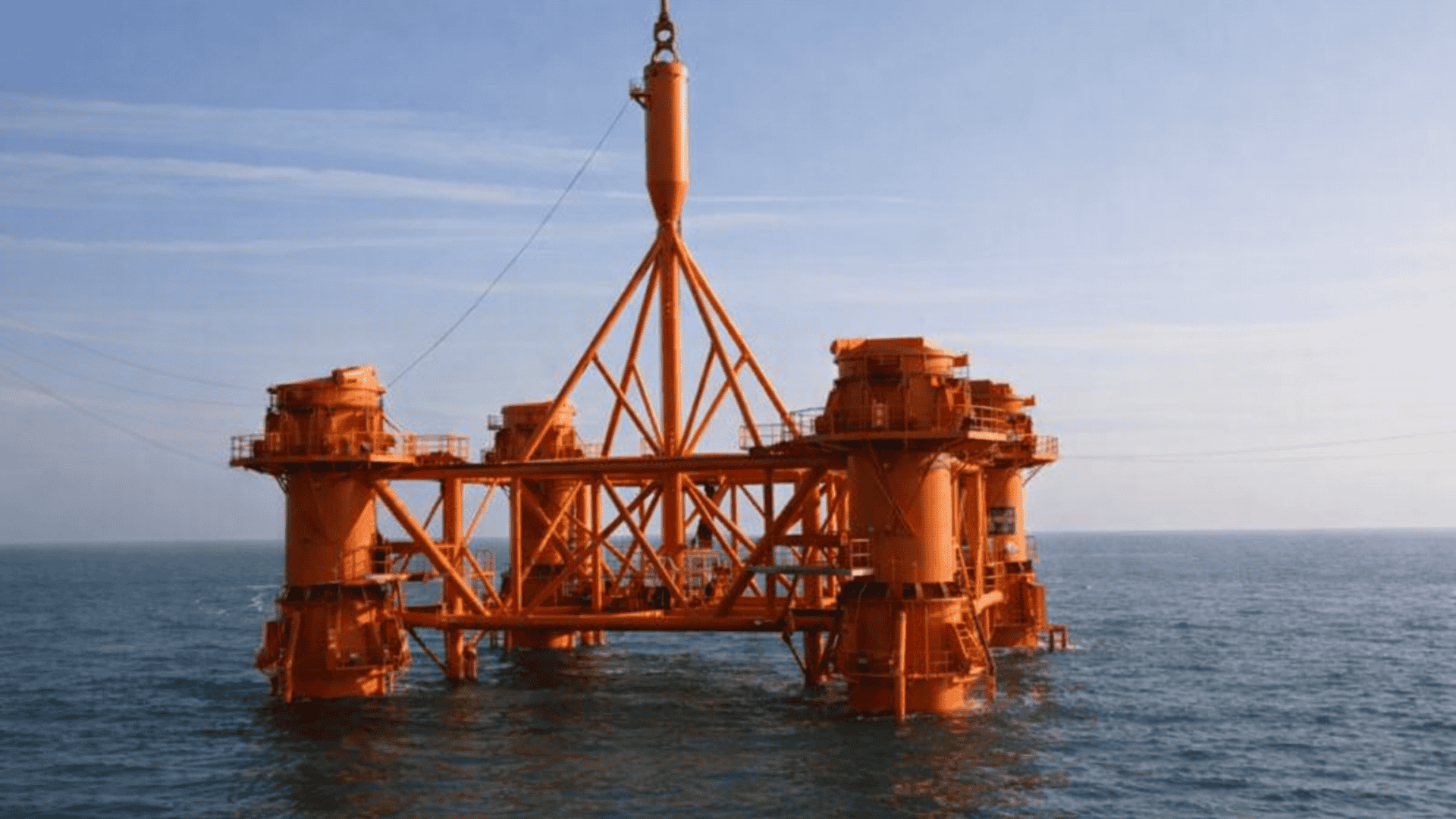
Unlike onshore substations, offshore installations face unique environmental and engineering challenges. Harsh marine environments, variable seabed conditions, and dynamic loads from waves, wind, and currents make precision engineering and foundation integrity paramount.
A robust substation foundation is not just about supporting the weight of transformers and switchgear. It ensures long‑term operational reliability, safety, and resilience against extreme conditions. Engineered foundations and properly installed piling systems form the backbone of offshore substations.
Offshore substations collect, transform, and transmit power from offshore generation facilities to onshore grids, ensuring reliable and continuous energy delivery. By mid‑2025, global installed offshore wind capacity surpassed ~83 GW, enough to power millions of homes, with another ~48 GW under construction worldwide.
This guide offers best practices for offshore substation installation, with a focus on safety, efficiency, and engineered foundation expertise.
Key Takeaways:
Offshore substations require engineered foundations to safely transfer structural and environmental loads, ensuring long-term operational reliability in harsh marine conditions.
Proper site surveys, soil analysis, and pile selection are critical for foundation performance, stability, and efficient offshore installation processes.
Driven, drilled, and helical piles each offer distinct advantages, with helical piles providing precision, minimal disturbance, and environmental compliance.
Turnkey solutions like TorcSill integrate design, fabrication, and installation, reducing project risk, improving safety, and ensuring reliable offshore energy infrastructure.
Understanding Offshore Substations
Offshore substations serve as the central hubs for collecting and transmitting electrical power generated by offshore energy facilities. Their primary role is to step up voltage from turbines or platforms and transfer it efficiently to onshore transmission networks. A properly designed substation ensures minimal energy loss, safe operation, and long-term reliability even in challenging marine conditions.
Key Components
An offshore substation typically includes:
Transformers: Convert generated electricity to higher voltages for efficient transmission.
Switchgear: Protects and controls electrical circuits, ensuring safe operation.
Platforms: Structural decks supporting equipment, personnel access, and operational systems.
Support Structures: Foundations and pilings that anchor the substation to the seabed, maintaining stability under environmental loads.
Foundations and Pilings
Foundations are the unsung heroes of offshore substations. They transfer vertical and lateral loads from heavy equipment and environmental forces into the seabed, preventing tilting, settlement, or structural failure. Depending on site conditions, driven piles, drilled shafts, or helical anchors may be used, each offering distinct advantages in terms of installation speed, precision, and environmental impact.
Understanding the substation’s function, components, and foundation requirements is the first step in ensuring a safe, durable, and efficient offshore installation. Correct design and material selection at this stage can significantly reduce long-term maintenance and operational risks.
Offshore Environmental and Site Challenges
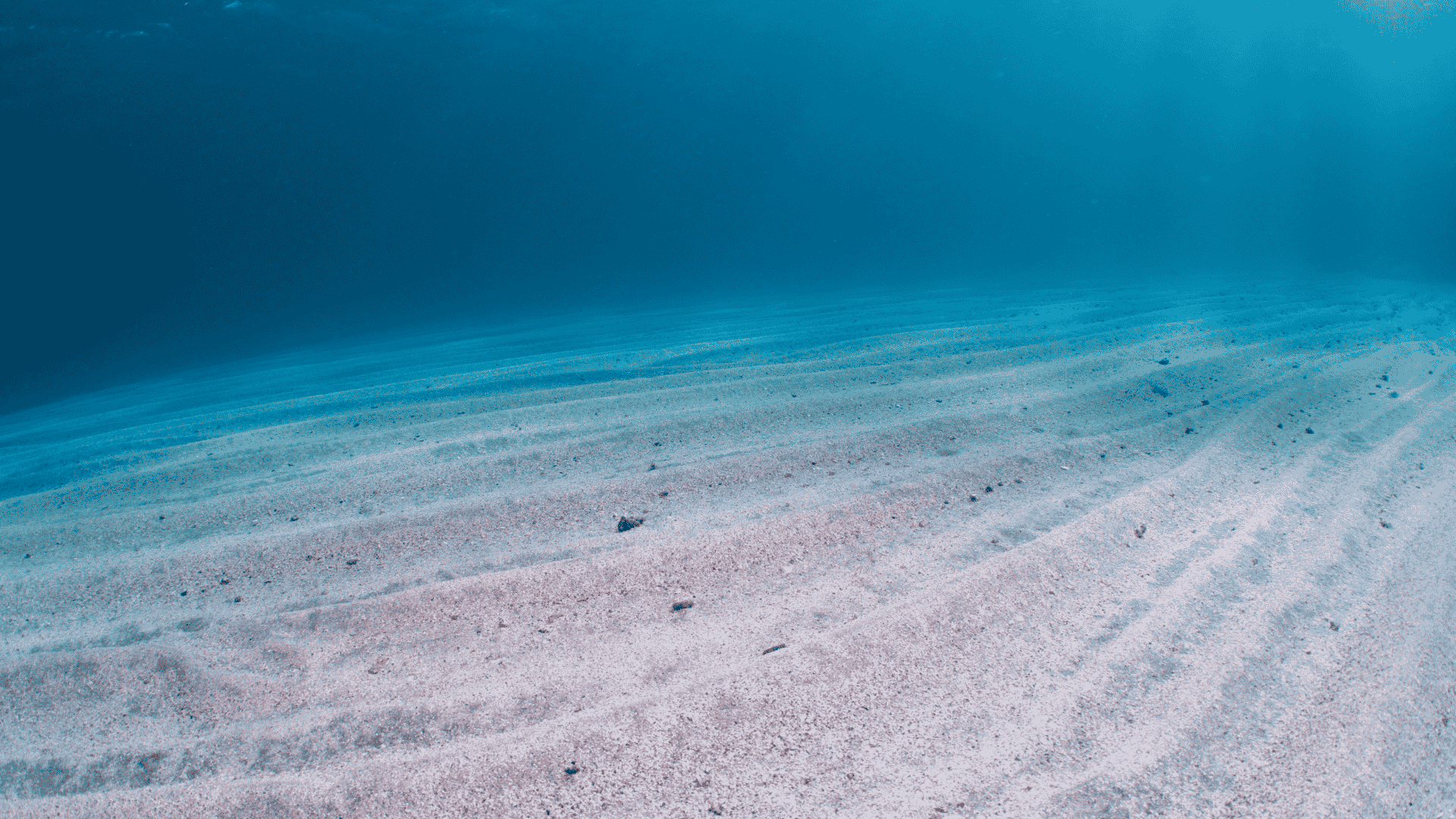
Installing offshore substations comes with a unique set of environmental and site-specific challenges that can significantly impact foundation design, piling methods, and overall project execution. Understanding these factors upfront is critical for ensuring structural stability, operational reliability, and safe installation.
Seabed Conditions
The seabed is rarely uniform. It may consist of sand, silt, clay, or rock layers, each presenting different bearing capacities and installation challenges. Accurate geotechnical data is essential to select the appropriate piling method and foundation depth, ensuring the substation remains stable under long-term loads.
Water Depth, Tides, and Currents
Varying water depths influence the choice of foundation type and installation equipment. Strong currents, tidal fluctuations, and seasonal changes in sea level can affect vessel positioning, pile driving operations, and structural alignment.
Wave, Wind, and Ice Loading
Offshore substations must withstand dynamic environmental loads, including:
Wave action generating lateral and cyclic forces.
High winds causing uplift and sway.
Ice formation or drifting ice in colder regions, which can impact structural members and pile integrity.
Corrosion and Material Degradation
Saltwater environments accelerate corrosion and material fatigue. Proper material selection, protective coatings, and cathodic protection systems are essential to prevent degradation and extend the substation’s operational life.
Scour and Seabed Erosion
Currents, waves, and tides can erode the seabed around foundations, known as scour. Without proper mitigation, scour can undermine piles, reducing their load-bearing capacity and threatening structural stability. Solutions include scour mats, rock dumping, or designing deeper embedment lengths for piles.
Key Takeaway: Early identification and mitigation of environmental and site challenges are essential for safe, efficient, and long-lasting offshore substation installations. Ignoring these factors can lead to costly delays, safety hazards, and reduced service life of the facility.
Pre-Installation Planning and Engineering
Successful offshore substation installation begins long before the first pile hits the seabed. Thorough planning and engineering are critical to ensure structural integrity, operational efficiency, and compliance with regulatory and environmental standards.
Geotechnical Surveys and Soil Investigations
Understanding the seabed is the foundation of any offshore project. Comprehensive geotechnical surveys, including boreholes, Cone Penetration Tests (CPT), and seabed sampling, determine soil composition, bearing capacity, and the presence of obstacles such as boulders or buried debris. These insights guide pile selection, depth requirements, and foundation type, minimizing risks during installation.
Substation Layout and Structural Design
A well-planned substation layout balances equipment weight, accessibility, and load distribution. Engineers must consider:
Transformer and switchgear placement to optimize structural loading.
Platform deck design to resist lateral, vertical, and dynamic forces.
Integration of cable entries, maintenance access, and safety systems.
Pile Type Selection
Based on geotechnical data and load requirements, the appropriate foundation system, driven piles, drilled and grouted piles, or helical anchors, is selected. Key considerations include:
Soil type and variability
Water depth and seabed slope
Environmental sensitivity
Expected operational loads and dynamic forces
Regulatory and Permitting Requirements
Offshore projects in the USA are subject to strict regulations and permitting processes, including compliance with:
U.S. Army Corps of Engineers (USACE)
Bureau of Ocean Energy Management (BOEM)
Environmental Protection Agency (EPA) standards
Securing permits requires detailed project plans, environmental assessments, and a demonstration of safe construction practices.
Environmental Impact Assessment (EIA)
Before installation, an EIA identifies potential impacts on marine habitats, water quality, and fisheries. Mitigation strategies, such as timing restrictions, noise control, and sediment management, ensure the project minimizes ecological disruption and meets legal obligations.
Key Takeaway: Investing time and resources into meticulous planning, engineering, and regulatory compliance ensures that offshore substations are structurally sound, environmentally responsible, and operationally efficient.
Foundation and Piling Options for Offshore Substations
Selecting the right foundation and piling system is crucial for offshore substations. The choice depends on seabed conditions, water depth, structural loads, and environmental considerations.
1. Driven Piles
Driven piles are installed by hammering or vibrating pre-fabricated steel or concrete piles into the seabed.
Key Features & Benefits:
Suitable for deep water and dense soils.
Rapid installation, especially with vibratory hammers.
High load-bearing capacity for heavy substation structures.
Considerations:
Noise and vibration may impact marine life.
Difficult to install in very hard or layered seabeds.
Requires precise alignment to avoid bending or structural damage.
2. Drilled and Grouted Piles
Drilled piles involve creating a borehole and filling it with concrete and reinforcement, often referred to as drilled and grouted piles.
Key Features & Benefits:
Ideal for rocky or layered seabeds where driving is impractical.
Provides strong axial and lateral capacity.
Can be engineered to specific depths and diameters to accommodate complex loads.
Considerations:
Longer installation time compared to driven piles.
Requires specialized drilling vessels and equipment.
Careful monitoring is needed to prevent the collapse of boreholes in loose soils.
3. Helical Piles and Anchors
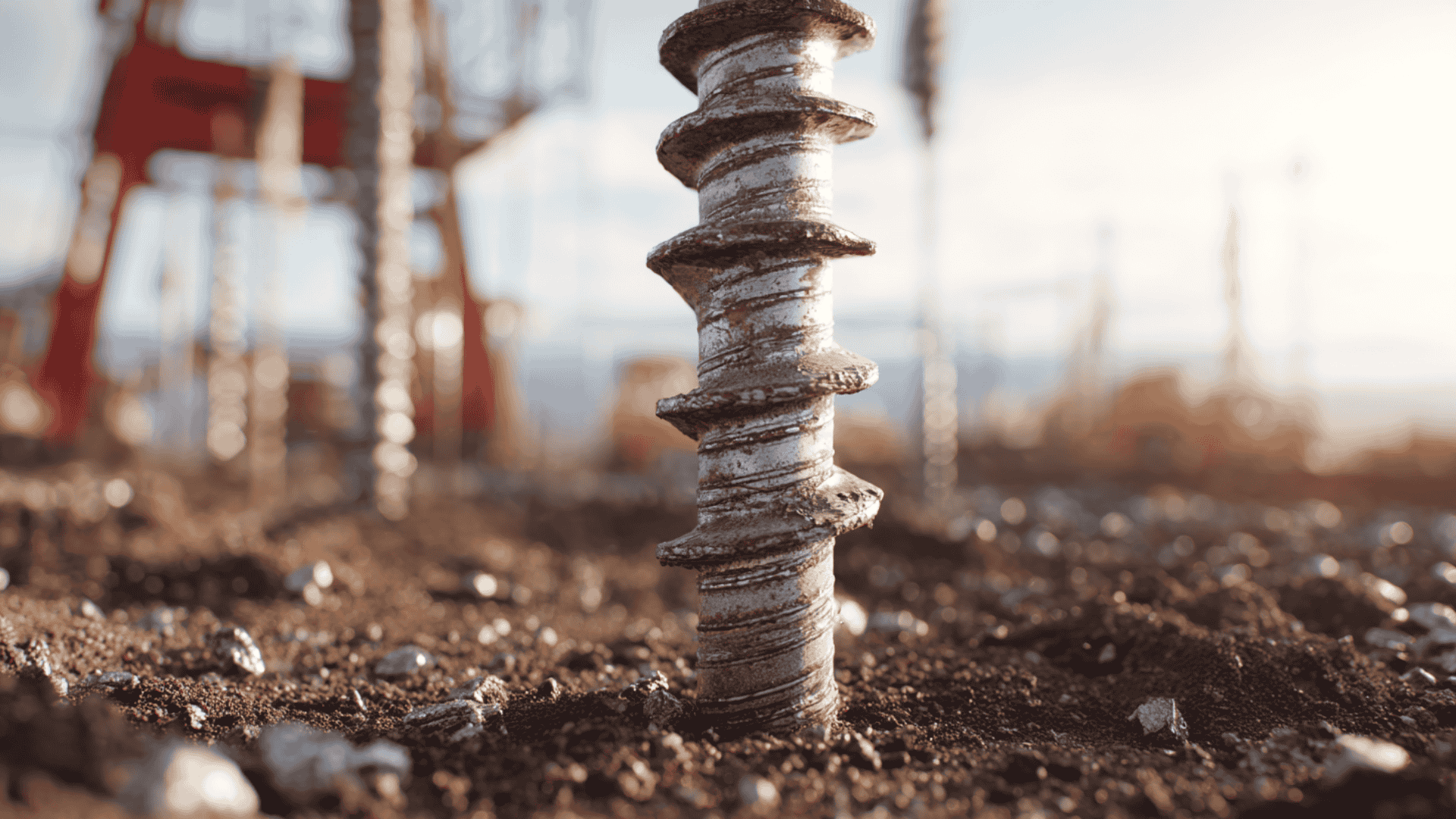
Helical piles are screw-like steel shafts installed by torque, transferring loads directly to deeper, competent soil layers.
Key Features & Benefits:
Torque-monitored installation ensures precise load-bearing capacity.
Minimal seabed disturbance, ideal for environmentally sensitive areas.
Supports both temporary and permanent structures, offering flexibility for phased offshore projects.
Faster mobilization and reduced reliance on heavy hammering equipment.
Offshore Substation Installation Procedure
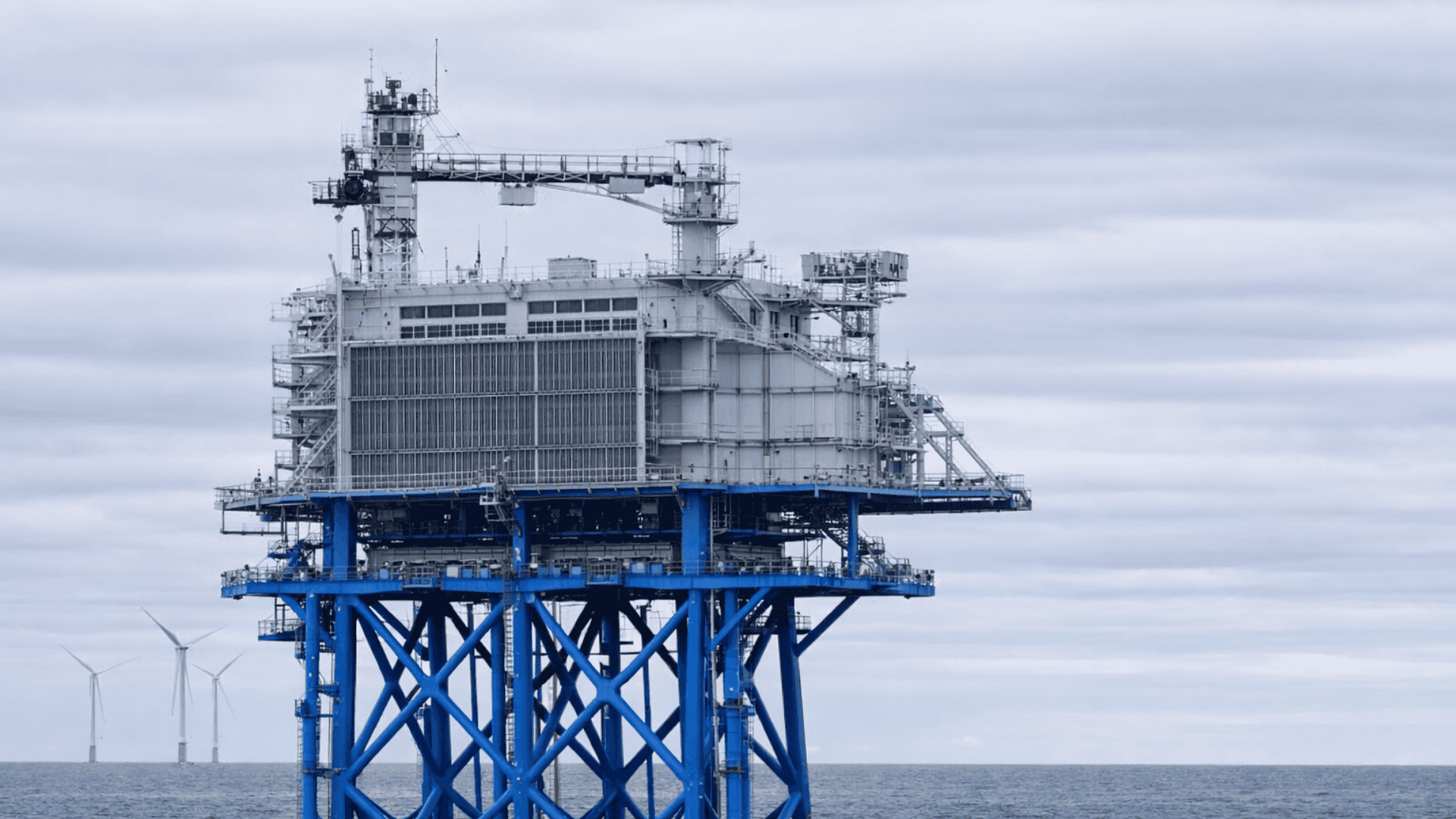
Installing an offshore substation requires a carefully sequenced process to ensure structural integrity, safety, and compliance with environmental and regulatory standards. The procedure combines precision engineering, specialized vessels, and coordinated operations.
1. Pre-Mobilization Site Survey and Planning
Before any equipment reaches the site, teams conduct:
Detailed seabed mapping and confirmation of geotechnical data.
Verification of water depth, tidal conditions, and current patterns.
Coordination with vessels, cranes, and piling equipment to ensure safe operations.
2. Equipment and Vessel Staging
Efficient offshore operations rely on meticulous preparation:
Transport of piles, anchors, and structural components to the staging area.
Positioning of installation vessels equipped with cranes, torque monitors, or pile hammers.
Verification of safety systems, communication protocols, and contingency plans.
3. Pile or Foundation Installation
Depending on the chosen method—driven, drilled, or helical piles—installation includes:
Aligning piles precisely according to design specifications.
Driving, drilling, or screwing piles while monitoring loads and torque.
Ensuring verticality and lateral alignment to meet engineering tolerances.
4. Load Testing and Capacity Confirmation
Installed piles undergo static and dynamic testing to confirm design load capacity, ensuring the substation foundation can withstand operational and environmental loads.
5. Structural Assembly of the Substation Platform
After foundation verification:
Platform modules, transformers, switchgear, and ancillary systems are assembled on the foundation.
Bolted or welded connections are checked for alignment and integrity.
Access ladders, safety rails, and cable trays are installed to meet operational and safety standards.
6. Final Commissioning and Inspection
The final phase ensures the substation is fully operational and compliant:
Verification of electrical and mechanical systems.
Inspection of pile-to-platform connections, corrosion protection, and safety systems.
Documentation of installation parameters for regulatory compliance and long-term monitoring.
Safety Management in Offshore Substation Projects
Safety is paramount in offshore substation projects, where harsh marine environments, heavy equipment, and complex operations present significant risks. Implementing robust safety management systems protects personnel, assets, and the environment while ensuring smooth project execution.
Offshore Safety Protocols and Training Programs
Mandatory safety induction for all offshore personnel, covering:
Vessel operations and emergency procedures
Pile installation hazards
Personal Protective Equipment (PPE) requirements
Specialized training for crane operators, divers, and foundation engineers to handle offshore equipment safely.
Stop Work Authority and Hazard Identification
Personnel are empowered to halt operations if unsafe conditions are detected.
Continuous hazard identification ensures that risks, from sudden weather changes to equipment malfunctions, are mitigated proactively.
Vessel and Equipment Safety Procedures
Proper positioning and stabilization of installation vessels reduce collision and tipping risks.
Regular inspection and maintenance of cranes, pile hammers, torque monitors, and other critical machinery.
Safe handling and storage of heavy components like piles, anchors, and transformer modules.
Emergency Response Planning
Comprehensive plans for medical emergencies, spills, fire, or severe weather events.
Coordination with the coast guard, onshore support teams, and local authorities.
Pre-planned evacuation routes and muster points on vessels and platforms.
Best Practices for Efficient Offshore Substation Installation
Efficiency in offshore substation installation is achieved through careful planning, collaboration, and real-time monitoring, ensuring projects are delivered safely, on schedule, and within budget. Adopting industry best practices reduces downtime, minimizes environmental impact, and improves long-term performance.
Early Collaboration Between Teams: Integrating design and installation teams during planning helps identify potential challenges before they occur. Aligning structural, electrical, and foundation engineers ensures smooth coordination between piling, platform assembly, and equipment installation.
Selecting Optimal Piling/Foundation Method Based on Site Data: Using accurate geotechnical surveys and load calculations to choose the best foundation solution reduces installation risks and material waste. Tailoring foundation methods to seabed conditions and water depth enhances efficiency and structural reliability.
Real-Time Monitoring and Quality Control: Monitoring torque, load, and alignment during pile installation ensures that foundations meet design specifications. Quality assurance checks at each stage prevent costly rework.
Integration of Design, Fabrication, Drilling, and Installation: A turnkey approach streamlines communication and reduces project delays. It ensures seamless handoffs between vessels, crews, and equipment for uninterrupted workflow.
Planning for Contingencies and Challenging Weather Conditions: Scheduling work windows around seasonal weather patterns minimizes disruption. Maintaining contingency plans for vessel downtime, extreme sea states, or equipment malfunctions ensures continuity.
Common Challenges and Risk Mitigation
Offshore substation projects are inherently complex, with numerous factors that can impact schedule, safety, and structural performance. Anticipating challenges and implementing mitigation strategies is essential for reliable, efficient, and safe installations.
Unpredictable Seabed or Soil Variability
Variations in soil composition, boulders, or debris can complicate pile installation.
Mitigation: Conduct detailed geotechnical surveys, use adaptable foundation solutions, and maintain real-time monitoring to adjust installation parameters as needed.
Weather Delays and Sea-State Limitations
High winds, rough seas, and strong currents can halt vessel operations or affect pile alignment.
Mitigation: Schedule work during favorable weather windows, have contingency plans, and use dynamic positioning systems for precise vessel control.
Corrosion and Material Degradation
Saltwater accelerates corrosion, threatening the longevity of piles, anchors, and platform structures.
Mitigation: Employ corrosion-resistant materials, protective coatings, cathodic protection systems, and regular inspection protocols.
Vessel Positioning and Operational Safety
Offshore vessels face challenges in maintaining stability during heavy lifts and piling operations.
Mitigation: Use advanced dynamic positioning, trained personnel, and pre-planned vessel maneuvering procedures to prevent accidents.
Ensuring Long-Term Structural Stability
Substations must resist combined environmental and operational loads over decades.
Mitigation: Conduct load testing, monitor foundation performance, and implement proactive maintenance programs to address settlement, scour, or fatigue issues.
TorcSill: Engineered Helical Foundation Experts
TorcSill is a U.S.‑based leader in engineered helical pile foundation and anchoring solutions, delivering turnkey deep foundation systems across energy, industrial, power, marine, and infrastructure markets. As a vertically integrated specialty contractor, TorcSill provides end‑to‑end services to meet the most demanding project requirements nationwide.
Helical Pile Technology: TorcSill’s proprietary helical piles (also known as TorcSills, helical piers, or screw piles) are steel deep foundation elements designed to deliver immediate load‑bearing capacity, reduced site disturbance, and minimal environmental impact compared to traditional concrete foundations.
Engineering & Design: With Professional Engineering licenses in 23 U.S. states, TorcSill’s team conducts soil analysis, torque profile interpretation, custom pile design, and full foundation engineering tailored to project loads and site conditions.
Manufacturing Excellence: All helical piles are produced in an ISO 9001:2015 certified manufacturing facility with AWS D1.1 welding standards, ensuring high quality and consistency across projects.
Construction & Installation: Nationwide construction teams execute safe and efficient installation, whether onshore, near‑shore, or in marine and offshore environments, using specialized equipment and rigorous quality controls.
TorcSill blends technical expertise, quality manufacturing, and safety‑focused installation services to meet the evolving needs of offshore energy infrastructure. Schedule a call today to get started.
Conclusion
Offshore substation installation is a complex, high-stakes process that demands meticulous planning, precision engineering, and rigorous safety and environmental management. From understanding substation components and site-specific challenges to selecting the right foundation system and executing load-tested installations, each step plays a vital role in ensuring long-term operational reliability.
Engineered foundations and properly installed piling systems, whether driven, drilled, or helical, form the backbone of offshore substations, transferring structural loads safely to the seabed and resisting harsh environmental forces. Adhering to best practices, proactive risk mitigation, and environmental stewardship ensures projects are delivered efficiently, safely, and sustainably.
Looking for Safe, Efficient Offshore Substation Installation?
TorcSill delivers engineered foundation and piling solutions for offshore substations with unmatched precision, safety, and environmental responsibility. Our turnkey services cover every stage of the project, ensuring load-ready, durable, and compliant installations.
Partner with TorcSill to ensure your offshore substation is installed efficiently, safely, and built to last. Contact us now to discuss your next project.
FAQs:
1. What is the typical lifespan of an offshore substation foundation?
Offshore substation foundations are designed to last 25–40 years, depending on environmental conditions, material selection, and maintenance practices. Corrosion protection and regular inspections are critical to achieving the full service life.
2. How long does it take to install an offshore substation?
Installation timelines vary by water depth, seabed conditions, and foundation type. Typical offshore substations can take 6–12 months from foundation installation to commissioning, with complex sites potentially extending beyond a year.
3. Are helical piles suitable for deep-water installations?
Helical piles are generally preferred for shallow to moderate water depths or environmentally sensitive areas. For deep-water projects, driven or drilled piles are often more suitable due to load-bearing and alignment requirements.
4. What factors determine the choice between driven, drilled, or helical piles?
Key factors include seabed composition, water depth, structural loads, environmental sensitivity, and installation efficiency. Each method offers specific advantages: driven piles for dense soils, drilled piles for rock or layered soils, and helical piles for precision and minimal disturbance.
5. How is scour around offshore piles mitigated?
Scour mitigation strategies include rock dumping, scour mats, deeper pile embedment, and seabed shaping to prevent sediment erosion around foundations, protecting load-bearing capacity and long-term stability.