The first sign your foundation is in trouble usually isn’t a dramatic crack; it’s the slow creep of “little” problems: a door that sticks, a hairline crack above a window, a floor that feels slightly off. Foundations fail quietly, and that’s exactly why so many homeowners miss the early warnings.
Here’s the part most people get wrong: they treat a foundation inspection like an optional add-on, an expense to avoid, when it’s really a safeguard against the kind of damage that compounds fast.
In the U.S., the American Society of Civil Engineers has been widely cited for estimating that about 1 in 4 homes has some damage linked to shrink–swell (expansive) soils. And when foundation issues do escalate, the “fix it later” approach can get expensive.
A proper inspection doesn’t just look for what’s visible; it helps you catch what’s starting, figure out what’s causing it, and stop a small shift from turning into a major structural (and financial) hit.
Key Highlights
Foundation problems are often hidden, making inspections a critical first step rather than an optional expense.
Accurate foundation inspections provide essential data on loads, soil conditions, and movement patterns needed for proper helical pile design.
Inspection costs are minimal compared to the high cost of overengineered systems, rework, or long-term structural repairs.
Data-driven inspections help avoid unnecessary helical piles and ensure efficient, targeted stabilization.
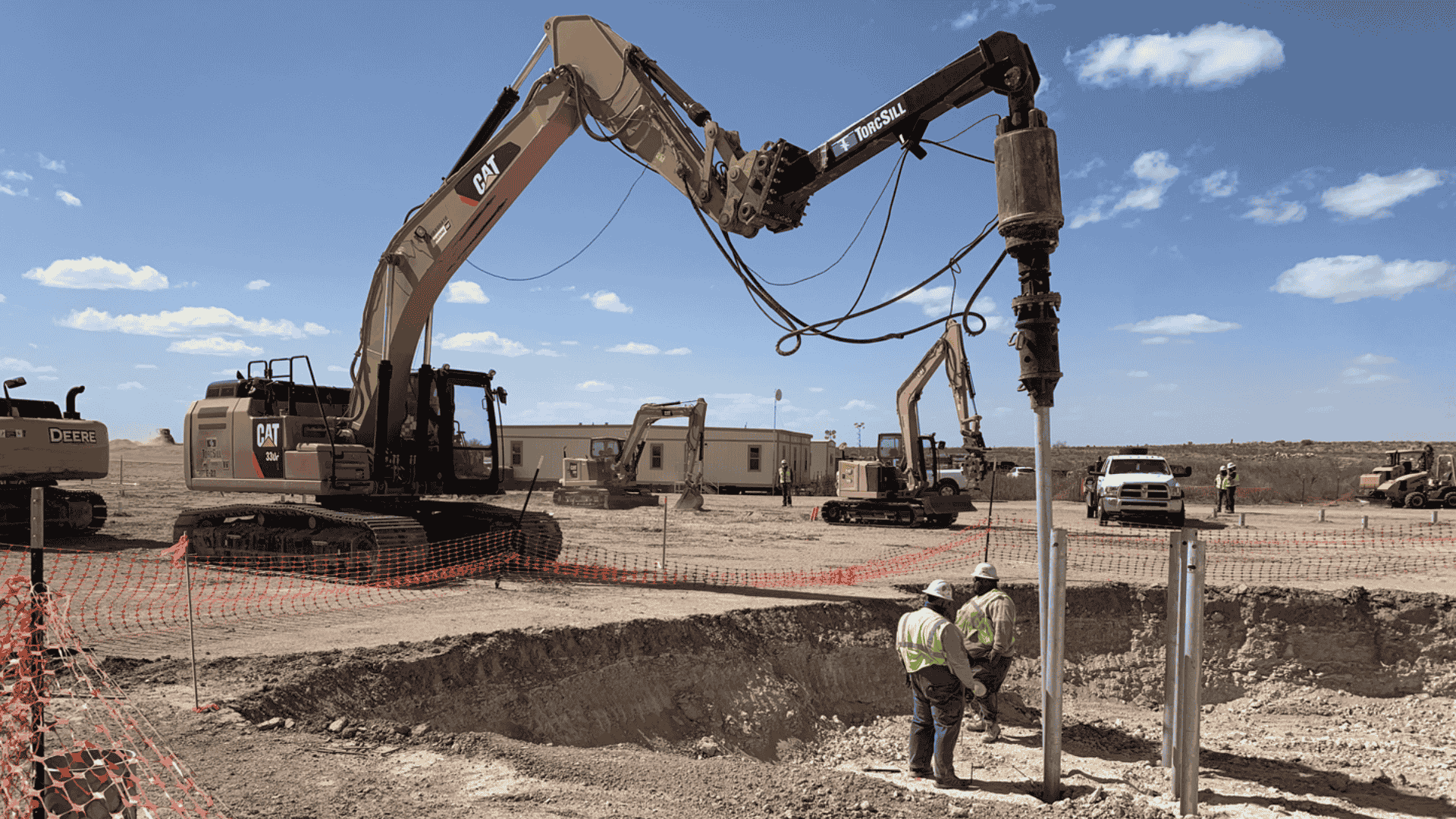
Engineered helical pile solutions, such as those offered by TorcSill, perform best when built on precise inspection data.
What Is a Foundation Inspection?
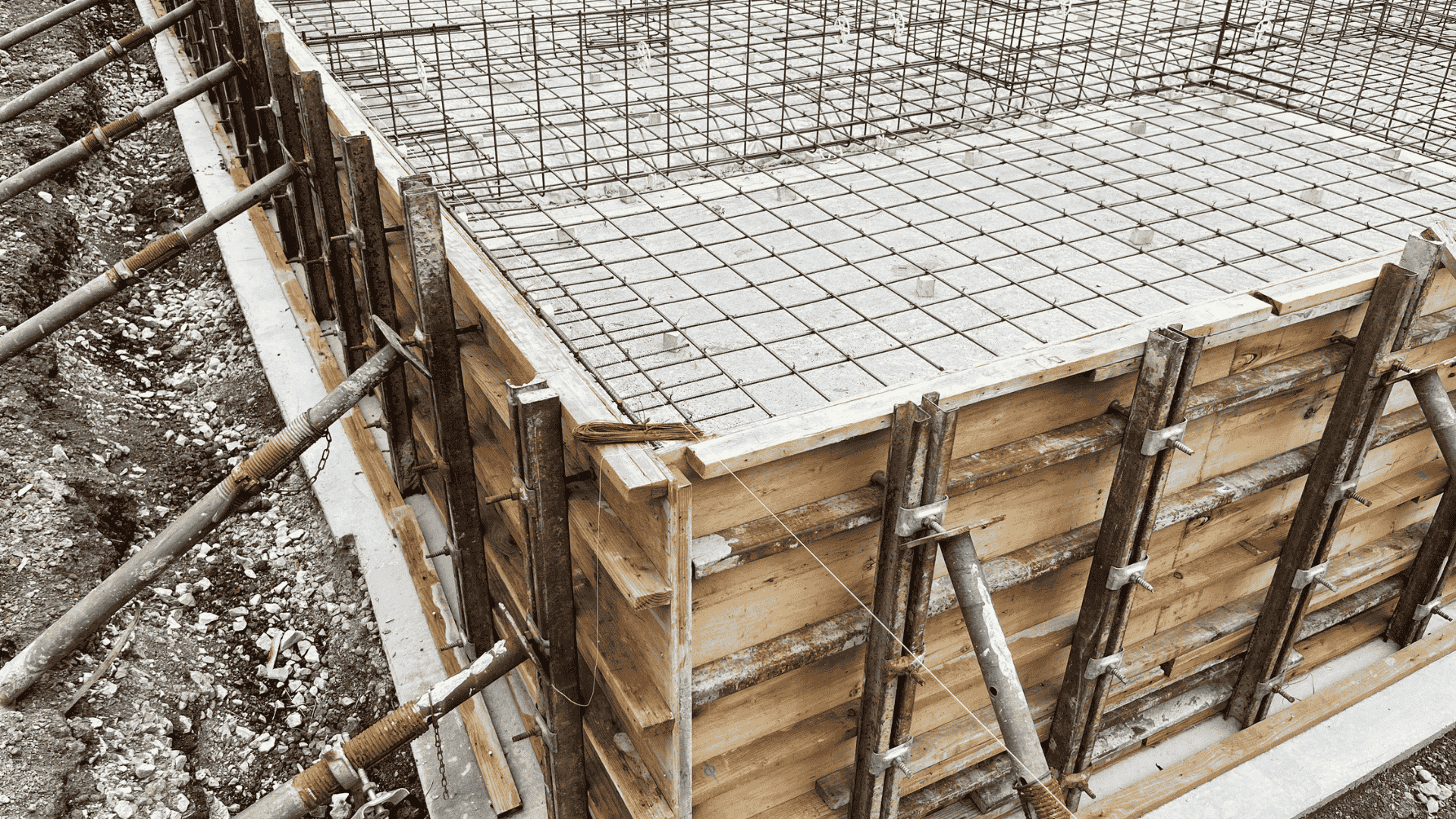
A foundation inspection is a focused evaluation of your home’s structural base, designed to identify early signs of movement, stress, or failure, before those issues turn into costly repairs. Unlike a general home inspection, this process looks specifically at how your foundation is performing and why it may be changing over time.
Here’s what a professional foundation inspection typically includes:
1. Visual Assessment
The inspector starts with a detailed visual review of both the interior and exterior of the home. This includes checking for:
Cracks in foundation walls, slabs, or brickwork
Uneven or sloping floors
Doors and windows that stick, don’t latch, or sit out of square
Gaps around trim, ceilings, or exterior joints
These visible symptoms help pinpoint where movement may already be occurring.
2. Structural Measurements
Next comes precise measurement. Inspectors often use levels, lasers, or elevation tools to map floor heights and detect subtle variations across the structure. Even small deviations can indicate foundation settlement, heaving, or rotation that isn’t obvious to the naked eye.
3. Load and Design Considerations
A foundation doesn’t exist in isolation, it supports the entire weight of the home. Inspectors evaluate how loads are being distributed based on the home’s layout, additions, rooflines, and structural elements. Changes such as remodels or added stories can alter load paths and stress the foundation over time.
4. Soil and Site Factors
Soil plays a major role in foundation performance. Inspectors consider factors such as:
Expansive or clay-heavy soils that swell and shrink with moisture
Drainage patterns around the home
Signs of erosion, pooling water, or improper grading
These conditions often explain why foundation movement is happening, not just where.
A foundation inspection isn’t about finding problems, it’s about understanding risk. By combining visual clues, measurements, and environmental factors, the inspection creates a clear picture of your foundation’s current condition and what it may need to stay stable long-term.
Typical Foundation Inspection Costs (and What Influences Them)
Foundation inspection costs can feel confusing because there’s no single flat rate. The price depends on how much information you need, how complex the structure is, and how deeply the inspector has to investigate to give you reliable answers.
Below is a clear breakdown of average inspection costs, followed by the key factors that influence pricing, with brief context under each heading so you understand why those factors matter.
Average Foundation Inspection Costs
Foundation inspection costs can vary widely depending on the property size, foundation type, and the complexity of potential issues.
Type of Inspection | What It Typically Includes | Average Cost Range |
|---|---|---|
Basic Visual Inspection | Visual checks, minor measurements, general condition assessment | $300 – $500 |
Standard Foundation Inspection | Visual review, elevation measurements, interior & exterior evaluation | $500 – $800 |
Engineer Inspection (Stamped Report) | Structural analysis, measurements, formal written report | $700 – $1,200+ |
Inspection with Soil / Specialty Testing | Moisture testing, soil evaluation, and advanced diagnostics | $900 – $1,500+ |
Costs vary by region, home size, and inspection depth, but most homeowners fall within the $500–$1,000 range for a thorough inspection.
What Influences Foundation Inspection Costs
Several factors influence foundation inspection costs, including the type of foundation, property size, location, and the level of inspection required.
1. Property Size and Layout: Larger homes take longer to inspect and require more measurement points to accurately assess foundation performance. Multiple levels, additions, or complex layouts increase inspection time and effort.
2. Severity of Visible Symptoms: Homes showing significant cracking, sloping, or structural distortion usually require deeper investigation. The more signs of movement present, the more detailed (and time-intensive) the inspection becomes.
3. Foundation Type: Not all foundations are equally simple to evaluate. Slab foundations are generally quicker, while crawl spaces, basements, and pier-and-beam systems involve more components and access challenges that affect pricing.
4. Accessibility: Limited access slows everything down. Tight crawl spaces, finished basements, landscaping obstacles, or blocked exterior walls can add labor time and increase inspection costs.
5. Testing and Measurement Requirements
A basic inspection may be enough for peace of mind, but advanced tools like laser leveling, soil moisture readings, or load analysis add accuracy and cost. These tests are often crucial for diagnosing root causes, not just symptoms.
6. Professional Credentials: Licensed structural engineers typically charge more than general inspectors, but their evaluations carry more authority. Engineer reports are often required for real estate negotiations, permitting, or major repairs.
7. Geographic Location: Local labor rates, soil conditions, and regional building risks all influence pricing. Areas with expansive clay soils, seismic activity, or extreme weather patterns often see higher inspection costs.
Why Helical Pile Solutions Require Accurate Foundation Data
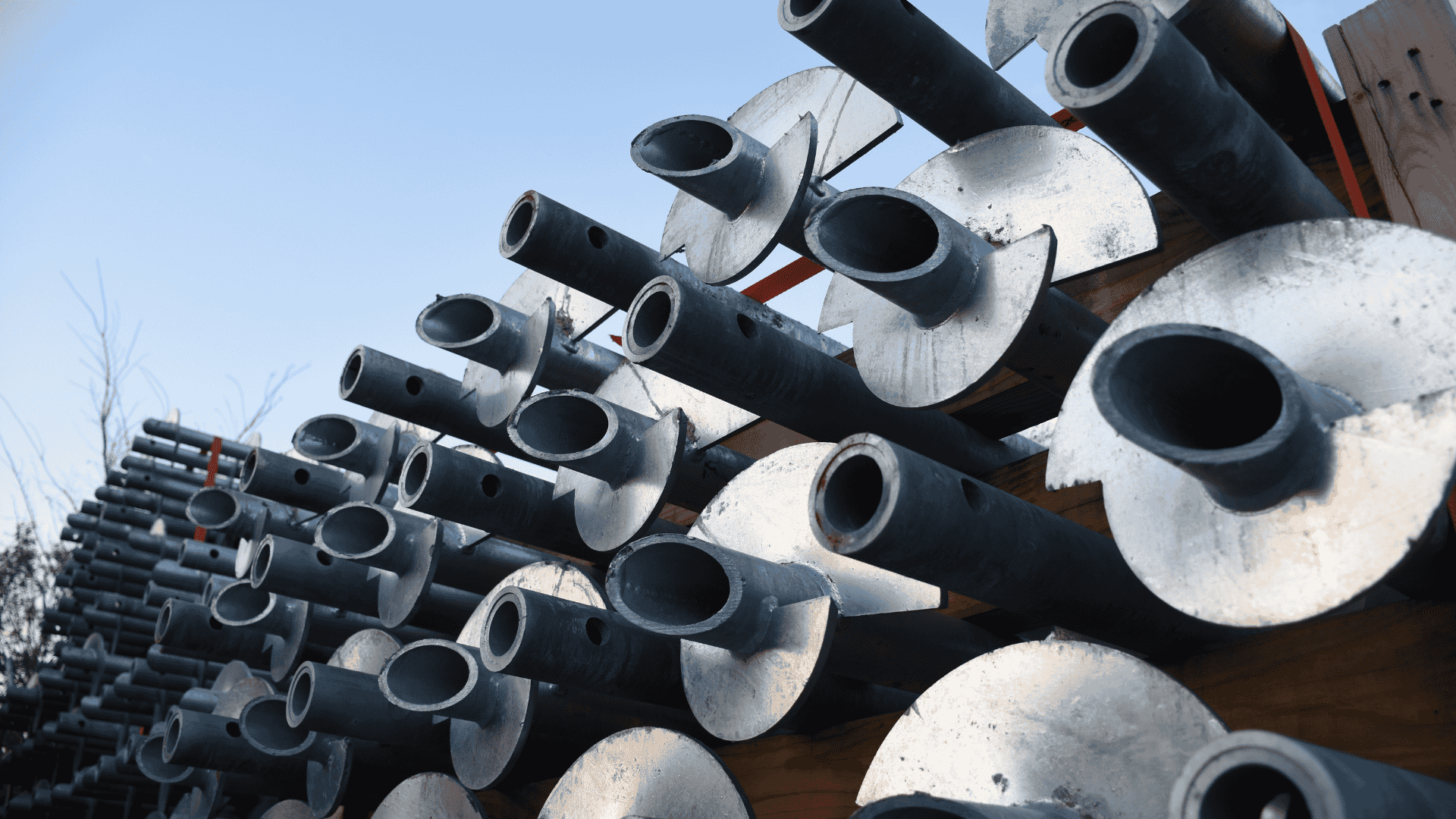
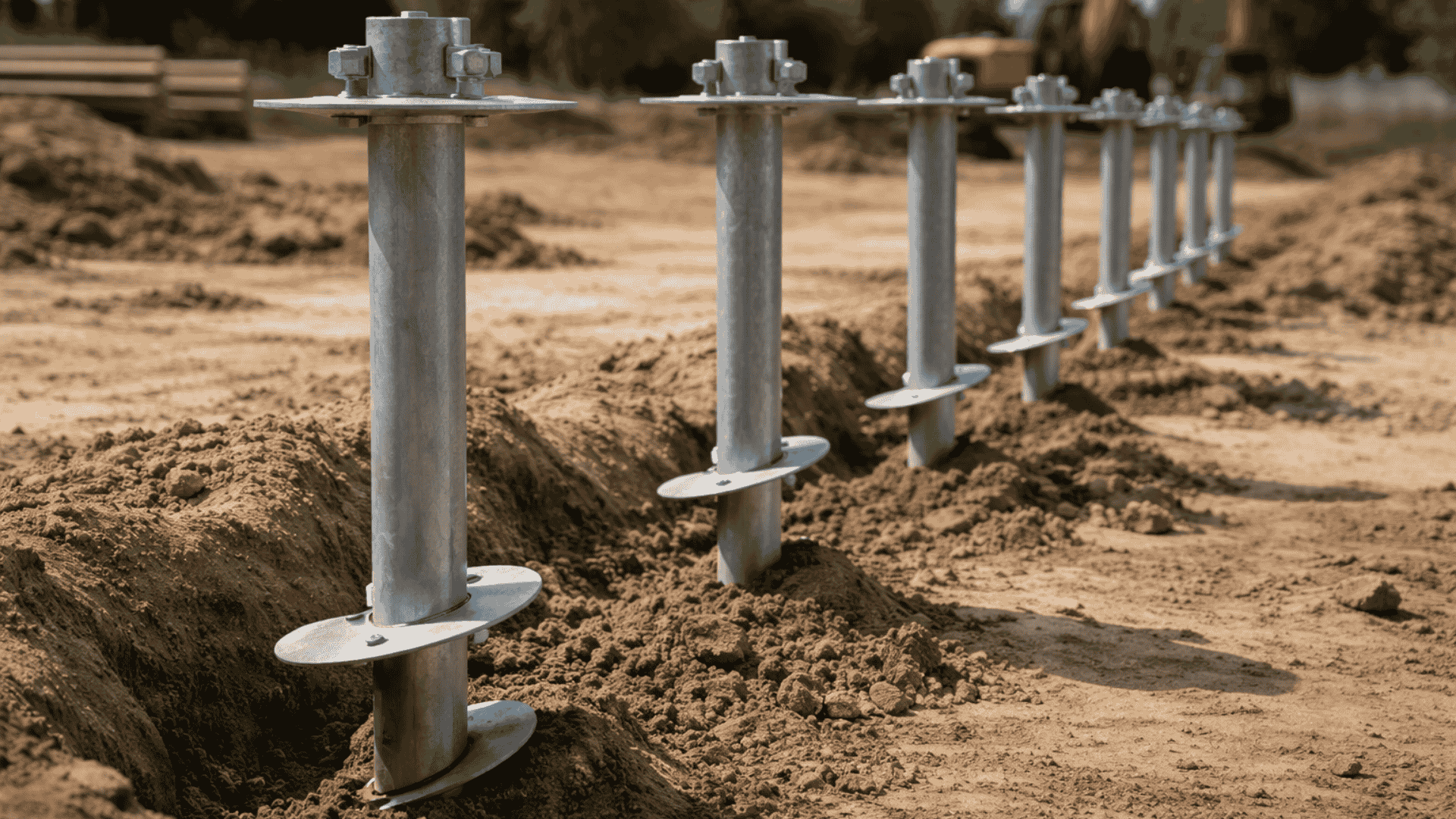
Helical piles aren’t a one-size-fits-all fix. They’re engineered systems, and their success depends entirely on the quality of data collected before design and installation. Without accurate foundation information, even the best helical pile system can underperform or solve the wrong problem.
Here’s why precise foundation data matters so much.
1. Load Calculations Drive the Entire Design
Every helical pile is designed to carry a specific load. That load isn’t guessed; it’s calculated based on the structure’s weight, layout, and how forces are transferred through the foundation. Inaccurate load data can lead to piles that are undersized (risking continued movement) or oversized (unnecessary cost).
Accurate inspections ensure:
Proper pile diameter and shaft selection
Correct number of piles
Safe load distribution across the structure
2. Soil Conditions Determine Capacity
Helical piles rely on soil strength to perform. Different soil layers, such as clay, sand, silt, or fill, offer very different resistance. Without knowing where stable bearing strata exist, piles may be installed too shallow or too deep, affecting both performance and price.
Foundation inspections help identify:
Soil type and variability
Moisture-related expansion or shrinkage risks
Depth to competent load-bearing layers
This data allows piles to be engineered to reach reliable soil, not just a convenient depth.
3. Foundation Movement Patterns Matter
Not all foundation movement is the same. Settlement, heaving, rotation, or differential movement each requires different pile placement strategies. Installing piles without understanding how and where the foundation is moving can stabilize one area while stressing another.
Accurate data reveals:
Which sections are actively moving
Direction and magnitude of movement
Whether movement is ongoing or historic
This ensures piles are placed strategically, not reactively.
4. Installation Torque Relies on Expectations
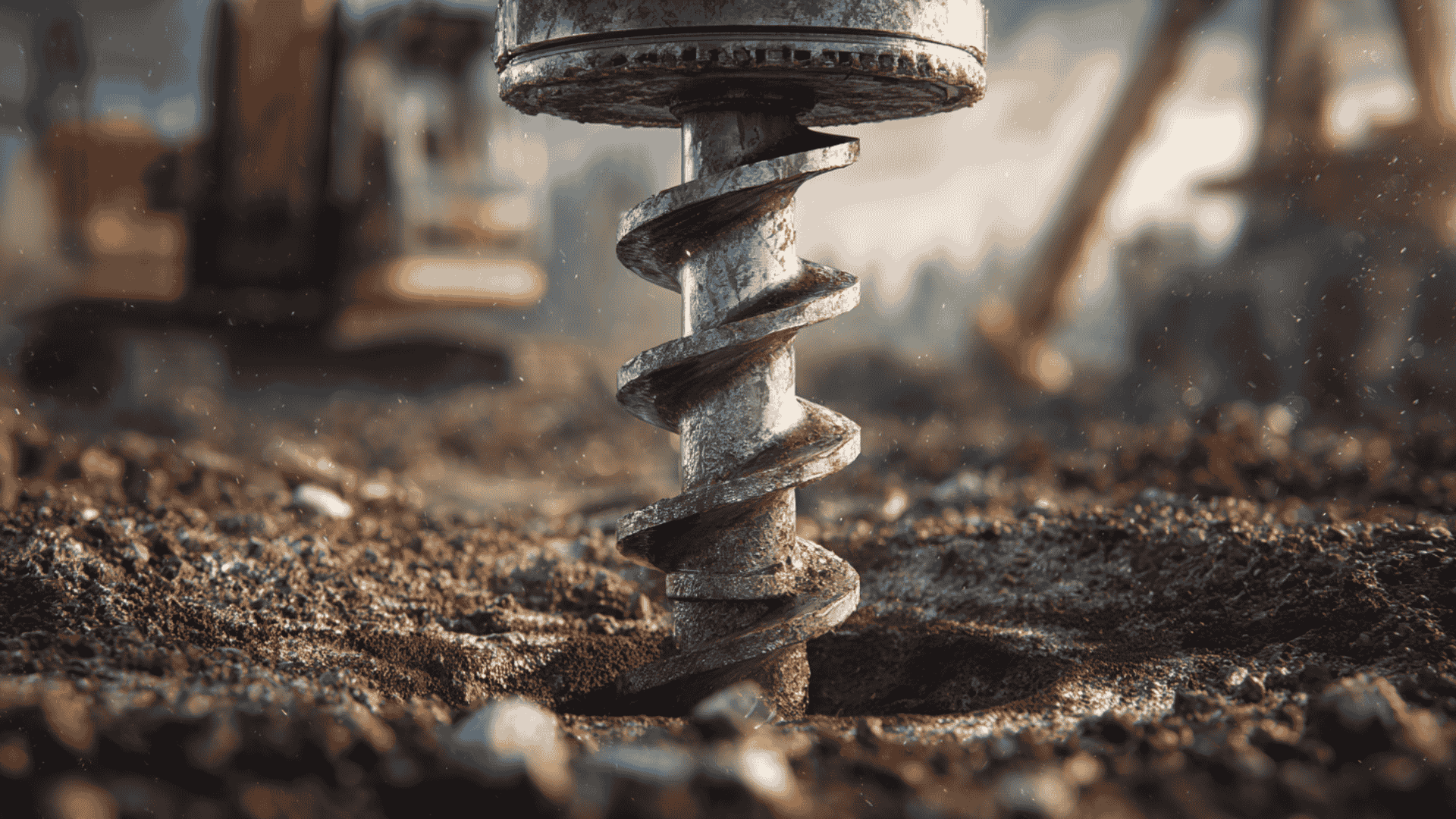
Helical pile capacity is often verified during installation using torque measurements. If soil and load expectations are wrong going in, torque readings can be misleading or misinterpreted. Good pre-installation data sets realistic torque targets and confirms performance in the field.
Accurate inspection data is the foundation of effective helical pile design. TorcSill combines engineered inspection insights with high-capacity helical piles, ensuring your foundation solution is precise, efficient, and cost-effective.
How Inspection Costs Can Save You Money on Helical Pile Installation
It’s easy to see a foundation inspection as an added cost before helical pile installation, but in reality, it’s one of the most effective ways to control your total project budget. Accurate inspection data doesn’t just guide the design; it actively prevents overspending, mistakes, and repeat work.
Here’s how a relatively small upfront inspection cost can translate into major savings.
1. Avoiding Overengineering
When installers don’t have precise load, soil, and movement data, designs tend to play it safe. That usually means more piles, larger shafts, or deeper installations than necessary. Inspections reduce uncertainty, allowing engineers to design exactly what’s required, no more, no less.
Less guesswork means:
Fewer piles
Optimized pile sizes
Lower material and labor costs
2. Preventing Unnecessary Piles
Not every crack or uneven floor requires structural reinforcement. A proper inspection can distinguish between cosmetic issues, historic movement, and active settlement. This prevents piles from being installed where they won’t provide real value.
Strategic placement based on data ensures:
Piles are installed only where loads demand them
Budget is focused on critical areas
Structural corrections are targeted, not blanket solutions
3. Reducing Rework and Change Orders
Rework is one of the biggest cost drivers in foundation projects. When piles are installed based on assumptions, it’s not uncommon to discover mid-project that adjustments are needed, leading to delays, redesigns, and added expenses.
Accurate inspection data upfront helps:
Set realistic torque and depth expectations
Eliminate mid-installation surprises
Keep the project on schedule and on budget
4. Lowering Long-Term Repair Costs
Helical piles are meant to be permanent solutions. If they’re designed or placed incorrectly due to poor data, movement can continue, leading to cracked finishes, misaligned framing, or the need for additional piles later.
Inspections protect your investment by:
Addressing root causes, not symptoms
Ensuring long-term stability
Reducing the likelihood of future corrective work
Clear inspection data creates a measurable standard. Engineers, installers, and homeowners all work from the same baseline, reducing disputes and ensuring everyone is aligned on performance expectations.
Foundation Inspection vs. Repair Costs: A Cost Comparison
When budgets are tight, inspections are often the first thing people consider skipping. The problem is that inspection costs are predictable and limited, while repair costs, especially from incorrect helical pile design or installation, are open-ended and expensive.
The table below shows a practical, real-world comparison to make the difference clear.
Scenario | Typical Cost Range | What That Cost Covers | Financial Risk Level |
|---|---|---|---|
Foundation Inspection | $300 – $1,000 | Measurements, load evaluation, soil, and movement analysis. | Low, controlled |
Engineered Inspection (Stamped Report) | $700 – $1,200+ | Detailed calculations, design guidance, documentation. | Low, controlled |
Overengineered Helical Pile Installation | $3,000 – $8,000+ extra | Unnecessary piles, oversized shafts, and excess labor. | High |
Incorrect Pile Placement (Rework Required) | $5,000 – $15,000+ | Additional piles, removal, redesign, delays. | Very high |
Ongoing Settlement After Poor Design | $8,000 – $25,000+ | New piles, interior repairs, structural correction. | Extreme |
Major Structural Remediation | $15,000 – $40,000+ | Extensive foundation repair, framing damage, and finishes. | Extreme |
Spending a few hundred dollars to verify loads, soil conditions, and movement patterns protects you from spending tens of thousands fixing preventable mistakes. In foundation work, inspections don’t add cost; they limit it.
How TorcSill Services Support Accurate, Cost-Effective Helical Pile Solutions
TorcSill offers services that closely align with the intent of this blog: reducing risk, avoiding overengineering, and ensuring helical pile systems are designed from accurate foundation data rather than assumptions.
Integrated engineering and design services that rely on precise load calculations and site data, reinforcing the need for accurate foundation inspections before pile selection and layout.
Helical pile and anchoring solutions engineered for specific soil and load conditions, not generic applications, which directly tie inspection findings to real design decisions.
Immediate load-bearing pile systems, where correct inspection data is essential to safely load structures without delays or corrective work.
Quality-controlled manufacturing processes, ensuring piles are built to exact specifications derived from inspection and engineering inputs.
Application-specific solutions across energy, industrial, marine, and commercial projects, where inaccurate foundation data would significantly increase risk and cost.
Reduced reliance on concrete foundations, highlighting how properly designed helical piles, supported by accurate inspections, can lower material use, installation time, and overall project expense.
Installation efficiency and predictability, which depends on knowing soil behavior and load requirements in advance to avoid field modifications or rework.
Together, these services demonstrate why foundation inspections are not an added step, but a critical starting point, providing the data that allows engineered helical pile systems like TorcSill’s to perform as intended, on budget, and over the long term.
Conclusion
Foundation inspections are not an added cost; they’re the safeguard that prevents unnecessary spending later. By providing accurate load data, soil conditions, and movement analysis, inspections ensure helical pile systems are designed correctly from the start, avoiding overengineering, rework, and long-term repairs.
Engineered solutions from TorcSill are built around precision and performance, both of which depend on accurate foundation data. The right inspection turns a helical pile system into a smart investment, not a costly correction.
Contact TorcSill to review your inspection findings and explore engineered helical pile solutions that protect both your structure and your budget.
FAQ
1. How much does a foundation inspection typically cost?
Most inspections range from a few hundred to around a thousand dollars, depending on home size, foundation type, and testing needs. This cost is small compared to potential repair expenses.
2. Do I need a foundation inspection before installing helical piles?
Yes. Helical pile design depends on accurate load calculations, soil conditions, and movement patterns. Without inspection data, pile systems risk being oversized, misplaced, or ineffective.
3. Can a foundation inspection help reduce helical pile installation costs?
Absolutely. Inspections prevent overengineering, eliminate unnecessary piles, and reduce the likelihood of rework, often saving thousands overall.
4. Are all foundation cracks a sign that helical piles are needed?
No. Many cracks are cosmetic or related to past movement. A professional inspection helps distinguish between cosmetic issues and active structural problems.
5. Who should perform a foundation inspection?
Qualified inspectors or structural engineers with experience in foundation movement and helical pile systems provide the most reliable and usable results.