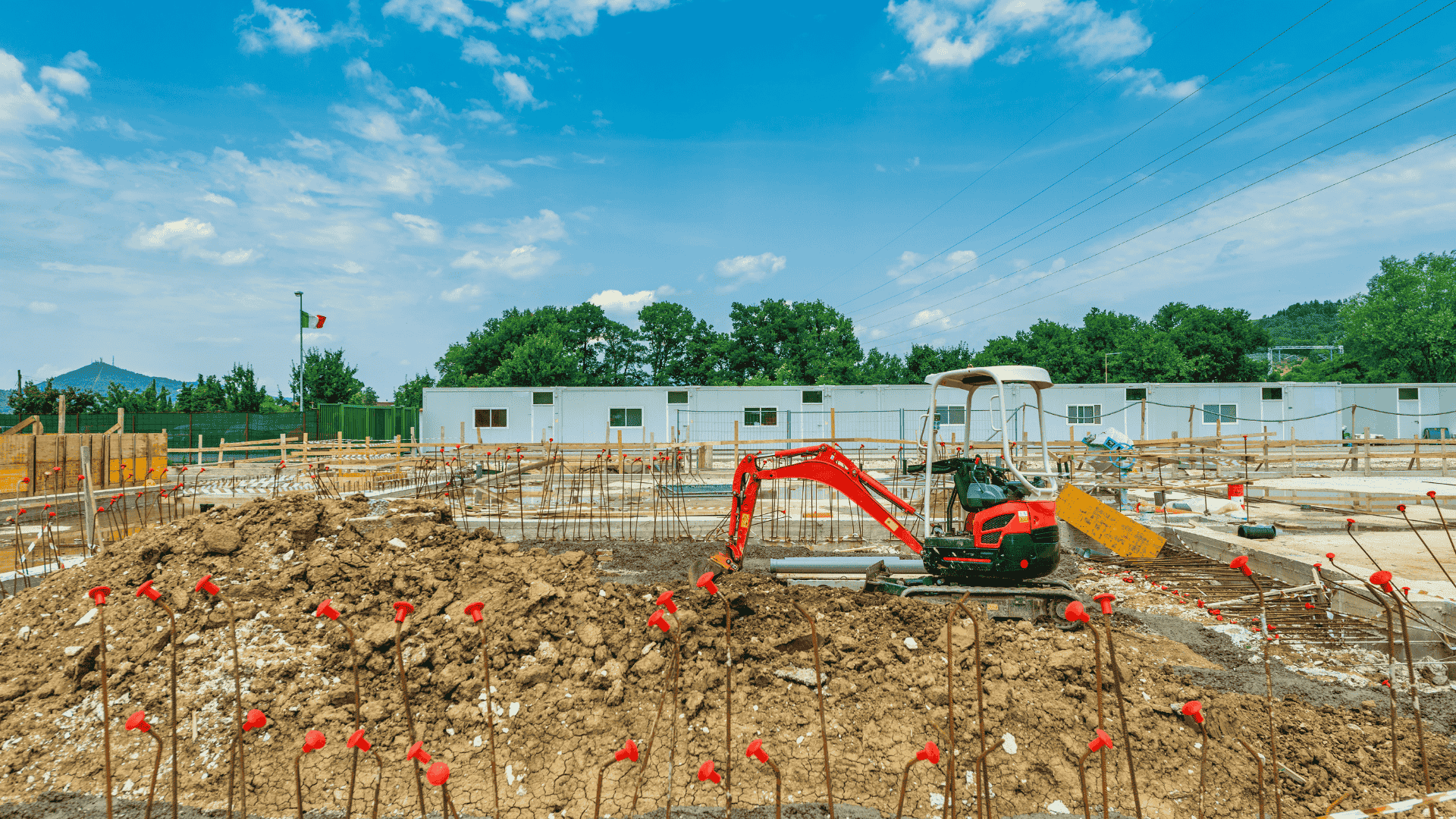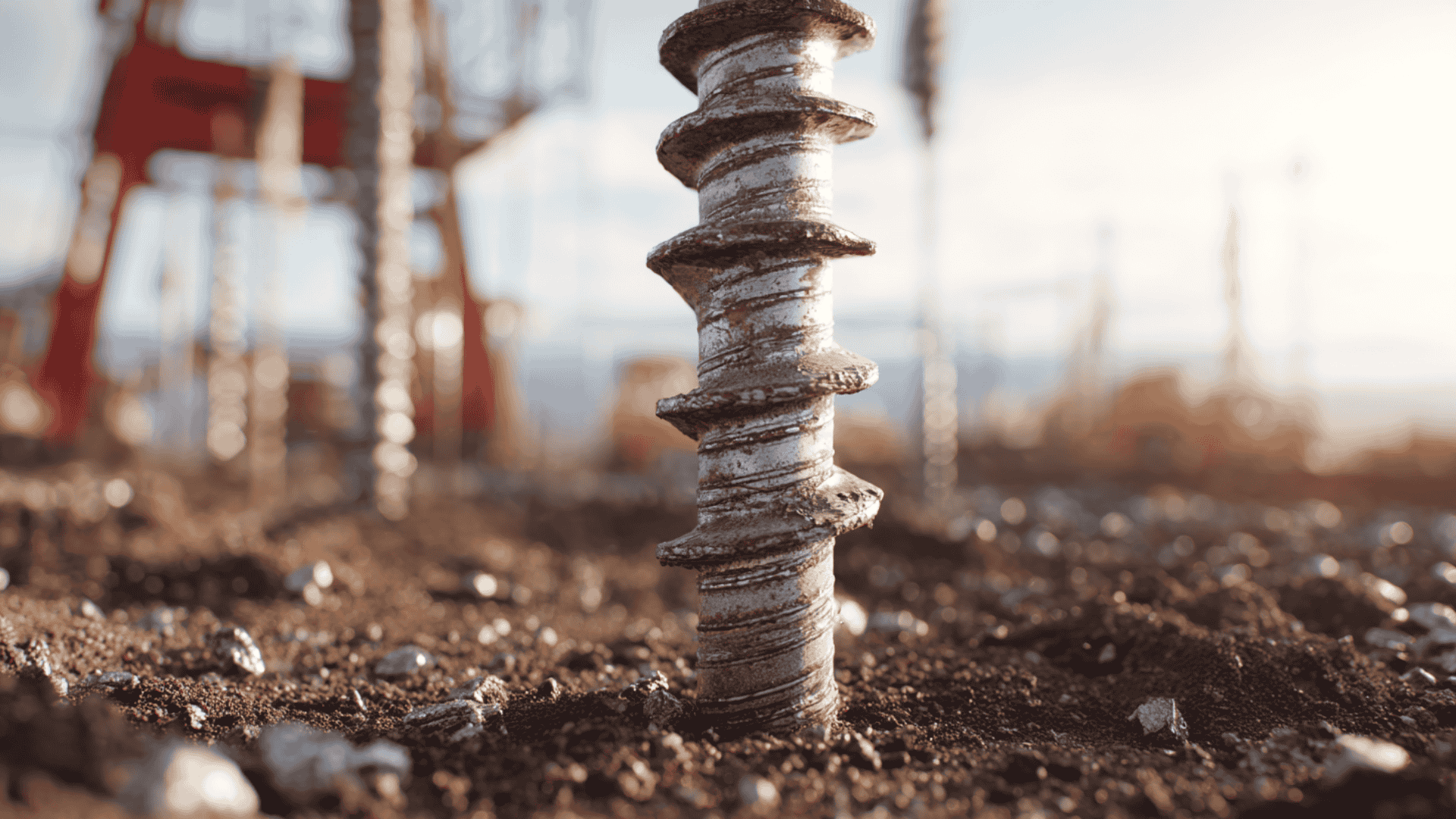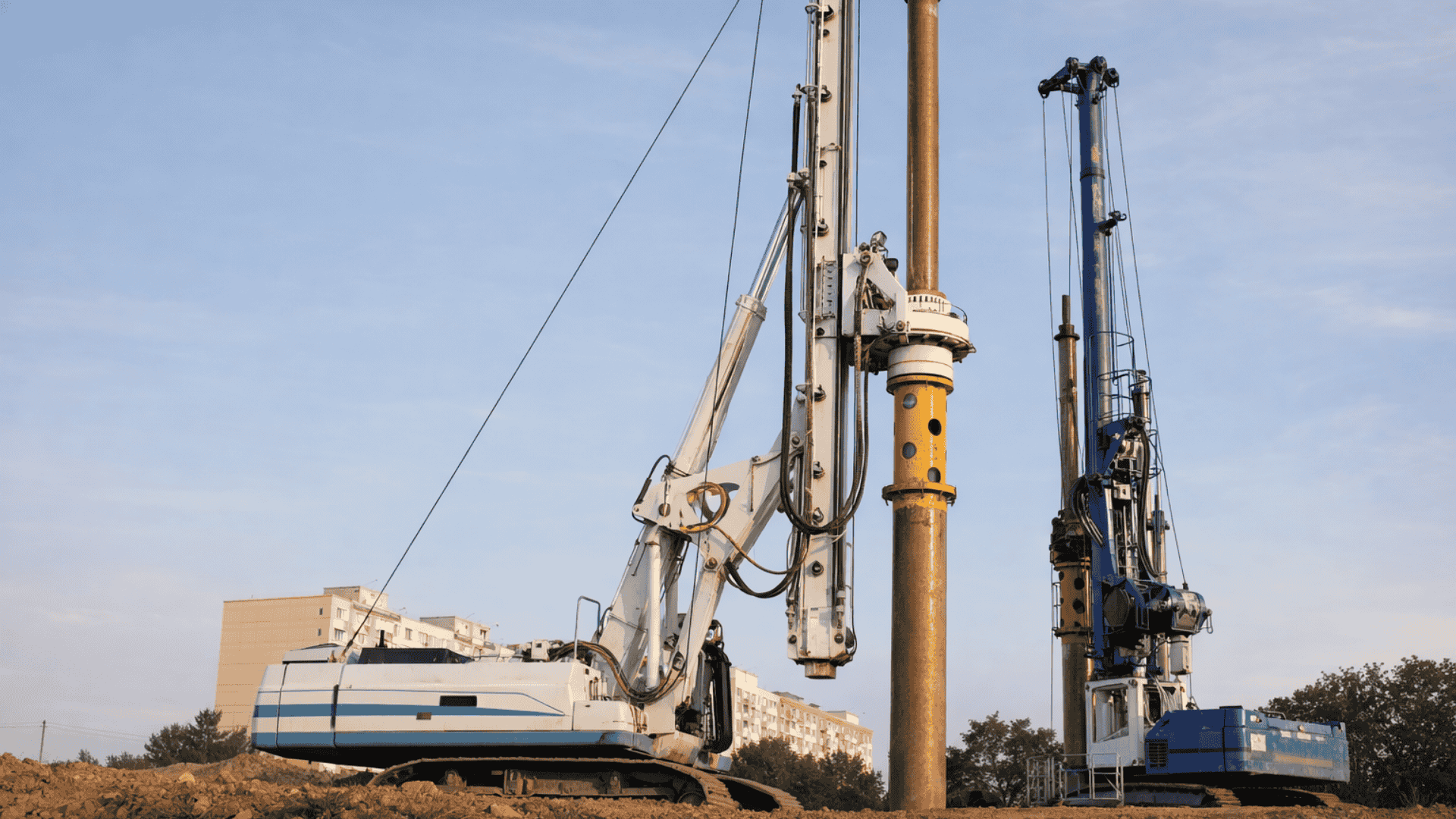
In foundation construction, the success of a structure begins below ground. Selecting the right drilling method ensures the foundation can safely support the intended load, minimize settlement, and adapt to challenging soil conditions.
The global demand for foundation drilling and equipment continues to grow. The drilling and foundation equipment market is projected to be valued at over $16,188 million by 2033, with expectations to expand sharply in the coming years as infrastructure investment accelerates worldwide.
Additionally, the pile foundation construction market is forecast to reach more than $9.2 billion in 2026, highlighting strong ongoing demand for deep foundation solutions.
Modern foundation projects, whether in energy, industrial, power, marine, or commercial sectors, increasingly demand precision, efficiency, and minimal environmental disruption.
This guide provides a comprehensive overview of pile drilling techniques, site and soil considerations, equipment requirements, and best practices, offering a roadmap for high‑quality, turnkey foundation solutions.
Key Takeaways:
Pile drilling method selection directly impacts foundation capacity, settlement control, construction safety, and long-term structural performance across project types.
Soil conditions, groundwater levels, access constraints, and load requirements determine the most efficient and technically suitable drilling technique.
Modern pile drilling prioritizes precision, real-time monitoring, and adaptability to reduce risk and maintain schedule certainty on complex sites.
Equipment choice, operator expertise, and quality control documentation are critical to achieving compliant, durable, and high-performing foundations.
Partnering with an engineering-led, turnkey foundation specialist streamlines execution, minimizes risk, and ensures consistent results from design through installation.
Understanding Pile Drilling
Pile drilling is the process of creating boreholes in the ground to install deep foundation elements that transfer structural loads to stable soil or rock layers. Unlike shallow foundations or driven piles, drilled piles provide customizable depth, diameter, and reinforcement, making them ideal for projects with challenging soil conditions, heavy loads, or restricted access.
Purpose of Pile Drilling
The primary goal of pile drilling is to create a stable foundation that can support vertical and lateral loads while minimizing settlement. Drilled piles are particularly beneficial when:
Soil layers are weak or variable, requiring deep penetration to reach load-bearing strata.
Nearby structures are vibration-sensitive, as drilled piles cause less disturbance than driven piles.
Large load demands necessitate reinforcement and customized pile dimensions.
When Drilling is Required
Drilling is typically chosen when:
Soil is too dense or rocky for driven piles.
Projects require high load capacity with engineered reinforcement.
Environmental constraints demand minimal noise, vibration, or soil displacement.
Structural design necessitates deep foundation solutions beyond shallow footings.
Understanding these factors ensures that engineers and developers can make informed decisions, aligning foundation design with project requirements and site conditions.
Site and Soil Considerations
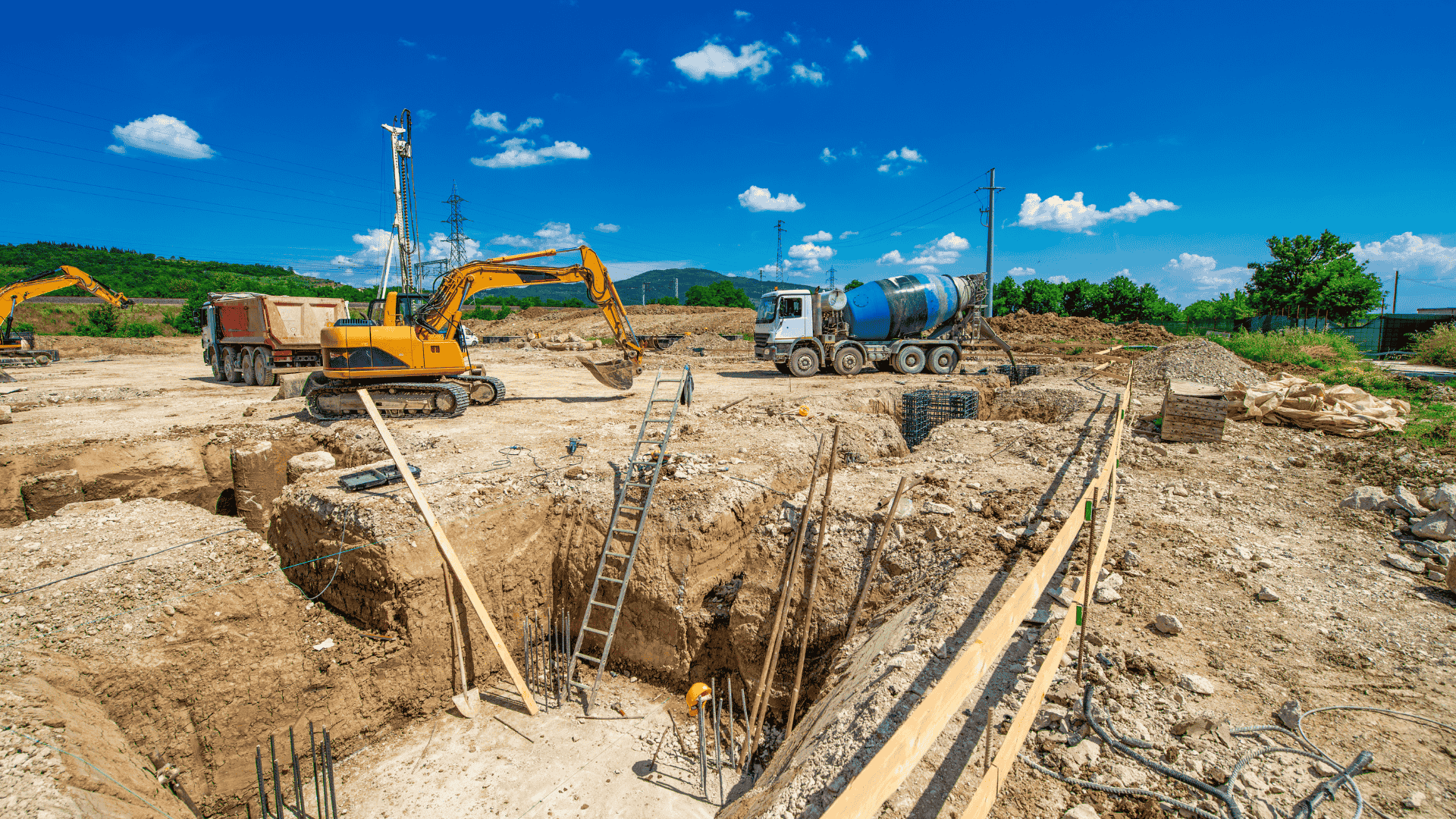
Before any pile drilling begins, a thorough site and soil assessment is critical. The success of a foundation depends not only on the drilling method but also on understanding the geotechnical conditions, environmental factors, and logistical constraints of the project site.
Geotechnical Assessment
A detailed geotechnical survey identifies soil composition, strength, compressibility, and groundwater conditions. Core steps include:
Soil sampling and lab testing to determine bearing capacity and settlement characteristics
Mapping soil stratification to identify weak layers or hard strata
Determining the optimum pile depth and type based on project loads
This assessment informs pile diameter, depth, reinforcement, and drilling technique, ensuring structural safety and long-term performance.
Soil Types and Their Impact on Drilling
Different soils require different drilling strategies, which may involve active drilling, borehole support, or, in some cases, eliminating drilling altogether through displacement systems:
Clay: Cohesive but prone to swelling or shrinkage; may require casing, slurry, or borehole stabilization during drilling
Sand and Silt: Non-cohesive soils that can collapse; continuous borehole support or specialized drilling techniques are often required
Caliche and Hard Soils: Dense layers that may require rotary or percussion drilling methods
Rock: Typically requires impact or rotary drilling with specialized tooling
Mud or Soft Organic Soils: Low bearing capacity and high compressibility; may require ground improvement or, where feasible, displacement systems such as helical piles that transfer load to deeper competent strata without pre-drilling
This clarification helps distinguish when drilling is essential versus when torque-installed, displacement-based foundations provide a more efficient and lower-risk alternative, particularly on soft, organic, or environmentally sensitive sites.
Groundwater and Dewatering Considerations
High water tables or saturated soils can complicate drilling:
Boreholes may collapse or require casing
Dewatering may be necessary to maintain dry and stable conditions
Groundwater can affect concrete curing and pile integrity
Site Access, Environmental, and Regulatory Constraints
Practical and regulatory factors also influence foundation installation method selection:
Restricted access: Urban, marine, or congested sites may favor compact drilling rigs or, where subsurface conditions allow, torque-installed helical piles that reduce or eliminate drilling altogether.
Environmental sensitivity: Minimizing soil spoil, vibration, and noise protects ecosystems; displacement-based systems are often selected to avoid excavation and spoil handling.
Permitting requirements: Local, state, or federal permits may dictate allowable methods, working hours, or spoil disposal, influencing whether drilled or displacement systems are feasible
By carefully evaluating site access, environmental constraints, and regulatory requirements alongside soil conditions, engineers and project owners can determine whether conventional drilling is necessary or whether low-impact, torque-installed systems provide a more efficient and compliant alternative, reducing risk and supporting project success.
Key Pile Drilling Methods
Selecting the right pile drilling method is crucial for efficiency, safety, and load-bearing performance. Foundation engineers must match the method to soil conditions, load requirements, and site constraints.
Below are the most common techniques used in modern construction:
1. Auger Drilling
Auger drilling is widely used for soft to medium soils and provides a continuous, controlled borehole. Two main types include:
Continuous Flight Auger (CFA): A hollow, continuous auger drills into the soil while concrete is pumped through the auger stem. Reinforcement is inserted immediately after concrete placement.
Hollow Stem Auger (HSA): The hollow-stem auger allows for soil sampling and reinforcement placement simultaneously.
Rotary Drilling
Rotary drilling is ideal for harder soils and deeper foundations. It uses rotating drill bits to cut or crush soil and rock.
Standard Rotary Drilling: Suitable for clay, sand, and gravel layers with moderate penetration resistance.
Air Rotary / Reverse Circulation Drilling: Uses air pressure to remove cuttings from the borehole efficiently.
Impact and Percussion Drilling
Percussion drilling is used when soils are highly compacted or rocky, where standard rotary or auger methods are insufficient. The drill bit is repeatedly lifted and dropped (percussed) to fracture hard soil or rock.
By understanding these methods, engineers can select the most effective solution for soil type, project requirements, and environmental constraints, ensuring safe, cost-effective, and timely foundation construction.
Equipment and Technology for Pile Drilling
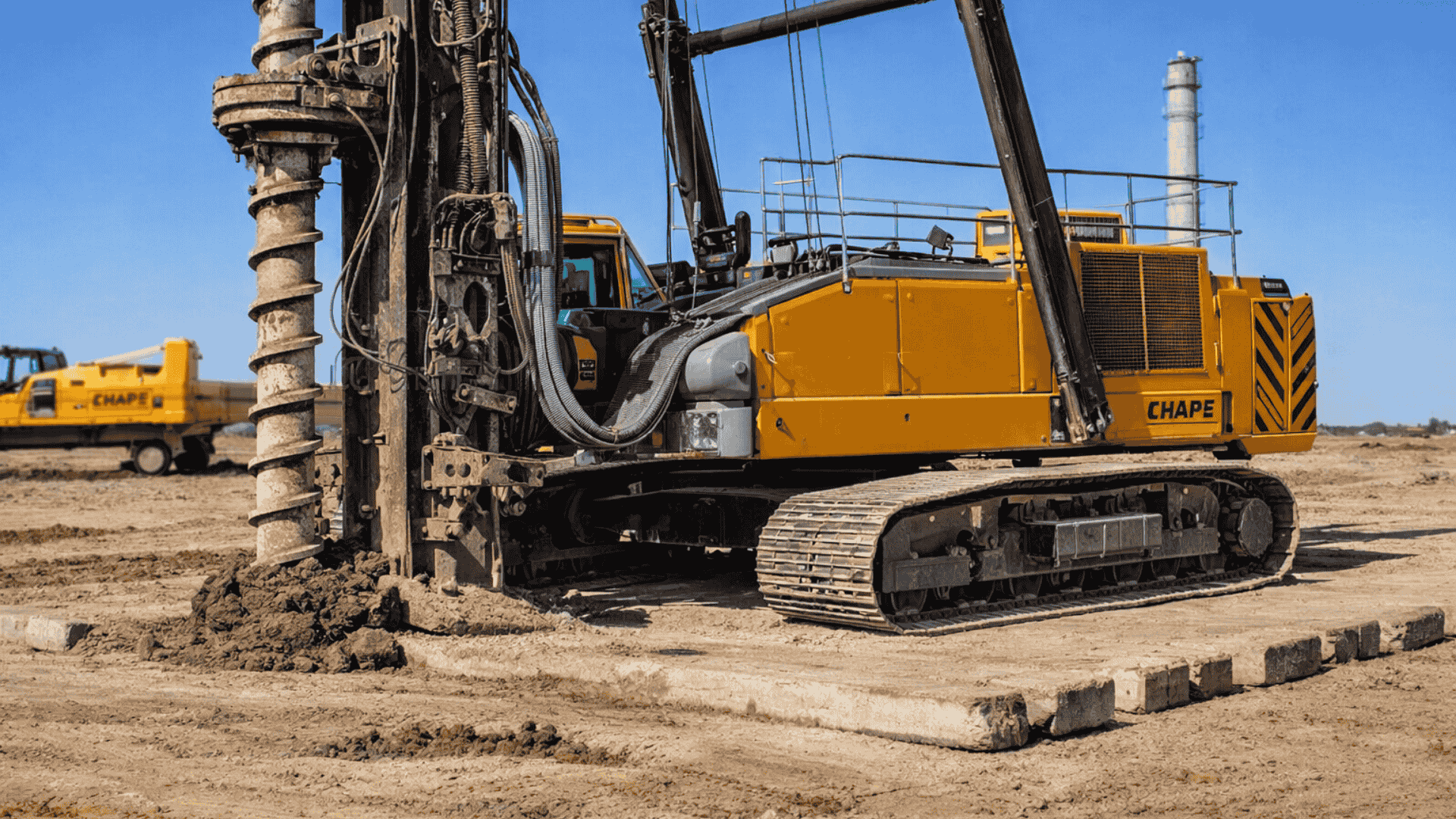
Modern pile drilling relies on advanced equipment and technology to ensure precision, efficiency, and safety. Choosing the right machinery and monitoring tools is critical to achieving design depth, verticality, and structural performance.
Drill Rigs
Different rigs are used depending on soil conditions, pile type, and site access:
Truck-Mounted Rigs: Mobile and versatile; suitable for moderate to large projects on accessible sites.
Tracked Rigs: Offer stability on uneven or soft terrain; ideal for remote or industrial sites.
Specialized Rigs: Designed for restricted-access, urban, or environmentally sensitive locations.
Torque Monitoring and Instrumentation
Torque monitoring and instrumentation are primarily associated with displacement-based foundation systems, such as helical or screw piles, rather than conventional bored piles created through drilling.
For helical and other torque-sensitive piles, real-time monitoring ensures installations meet engineered specifications:
Torque sensors measure installation resistance and provide a field-correlated indicator of axial capacity
Data logging creates verifiable installation records for quality assurance and engineering review
Remote monitoring allows engineers to observe installation performance without compromising site safety
While traditional pile drilling relies on borehole geometry, soil removal verification, and concrete or reinforcement placement controls, torque-instrumented displacement systems provide immediate, measurable feedback during installation.
When combined with appropriate engineering design and verification protocols, this instrumentation reduces uncertainty and supports schedule certainty on variable or constrained sites.
Step-by-Step Process of Pile Drilling
Executing a successful pile drilling program requires more than procedural sequencing. It demands engineering control at each stage to verify assumptions, manage risk, and document compliance. The following steps outline not only how pile drilling is performed, but also what is verified and why.
Step 1: Site Survey and Layout
What is verified:
Pile locations, offsets, elevations, and access align with P.E.-stamped foundation drawings.
Risk controlled:
Mislocated or misaligned piles that create eccentric loading, constructability conflicts, or redesign delays.
Acceptance data:
Survey control points
Layout verification records
Utility clearance documentation
Step 2: Borehole Preparation and Positioning
What is verified:
Drilling setup, rig positioning, and borehole support measures match site-specific soil and groundwater conditions.
Risk controlled:
Borehole collapse, unsafe working conditions, and deviation from planned pile geometry.
Acceptance data:
Rig setup and safety checklists
Casing or stabilization method confirmation
Pre-drilling inspection logs
Step 3: Drilling to Design Depth
What is verified:
Depth, verticality, and subsurface conditions encountered during drilling are consistent with geotechnical assumptions.
Risk controlled:
Inadequate embedment, reduced axial or lateral capacity, and unrecognized soil variability.
Acceptance data:
Drilling depth logs
Verticality measurements
Field observations of cuttings and strata changes
Step 4: Borehole Quality and Cleanliness Verification
What is verified:
The borehole meets specified diameter, depth, and cleanliness requirements prior to pile or reinforcement placement.
Risk controlled:
Reduced concrete bond, voids, necking, or compromised load transfer.
Acceptance data:
Borehole inspection records
Spoil removal verification
Engineer or inspector sign-off where required
Step 5: Installation of Pile or Reinforcement
What is verified:
Pile elements, reinforcement cages, or displacement systems are installed in accordance with design geometry and load assumptions.
Risk controlled:
Improper load transfer, misalignment, or capacity shortfall.
Acceptance data:
Reinforcement placement records
Concrete or grout volume logs (for drilled piles)
Torque logs and alignment checks (for helical or displacement systems)
Step 6: Load Testing and Performance Confirmation
What is verified:
Installed foundations perform as designed under applied loads.
Risk controlled:
Undetected capacity deficiencies, excessive settlement, or non-compliance with code or owner requirements.
Acceptance data:
Static compression, tension, or lateral load test results
Load–displacement curves
Engineer-reviewed test reports and acceptance criteria
Load testing is typically applied to high-risk structures, critical energy and industrial assets, first-of-kind soil conditions, or regulatory-driven projects, and is used to validate or calibrate design assumptions.
By integrating verification, risk control, and documented acceptance at every step, pile drilling transitions from a construction activity into a controlled engineering process, delivering predictable foundation performance and schedule certainty for complex projects.
5 Factors Affecting Drilling Efficiency and Accuracy
Even with the right equipment and method, several factors can influence the speed, precision, and reliability of pile drilling. Understanding these variables helps engineers and contractors anticipate challenges and optimize operations.
1. Soil Variability and Obstructions
Unexpected soil layers, boulders, or debris can slow drilling and affect borehole quality. Pre-drilling geotechnical surveys reduce surprises but cannot eliminate all variability. Quick adaptability to soil conditions ensures consistent pile alignment and depth.
2. Drill Rig Type and Operator Expertise
The capability of the rig (depth, torque, diameter) must match project requirements. Skilled operators are essential for precision drilling, borehole verticality, and equipment maintenance. Operator experience also impacts safety, efficiency, and risk management.
3. Water Table and Groundwater Pressure
High groundwater levels can cause borehole collapse or dilute concrete/grout. Proper dewatering techniques and casing installation maintain borehole stability and pile integrity.
4. Borehole Alignment and Verticality
Misalignment can reduce load-bearing capacity and compromise structural performance. Real-time monitoring and guidance systems ensure piles are plumb and positioned accurately.
5. Real-Time Monitoring and Adjustments
Using torque, depth, and vibration sensors allows instant feedback on drilling performance. Adjustments can be made on-the-fly to maintain design specifications and efficiency.
By proactively addressing these factors, engineers and contractors can maximize drilling efficiency, reduce delays, and maintain high-quality foundations, particularly when using advanced systems.
Safety and Risk Management in Pile Drilling
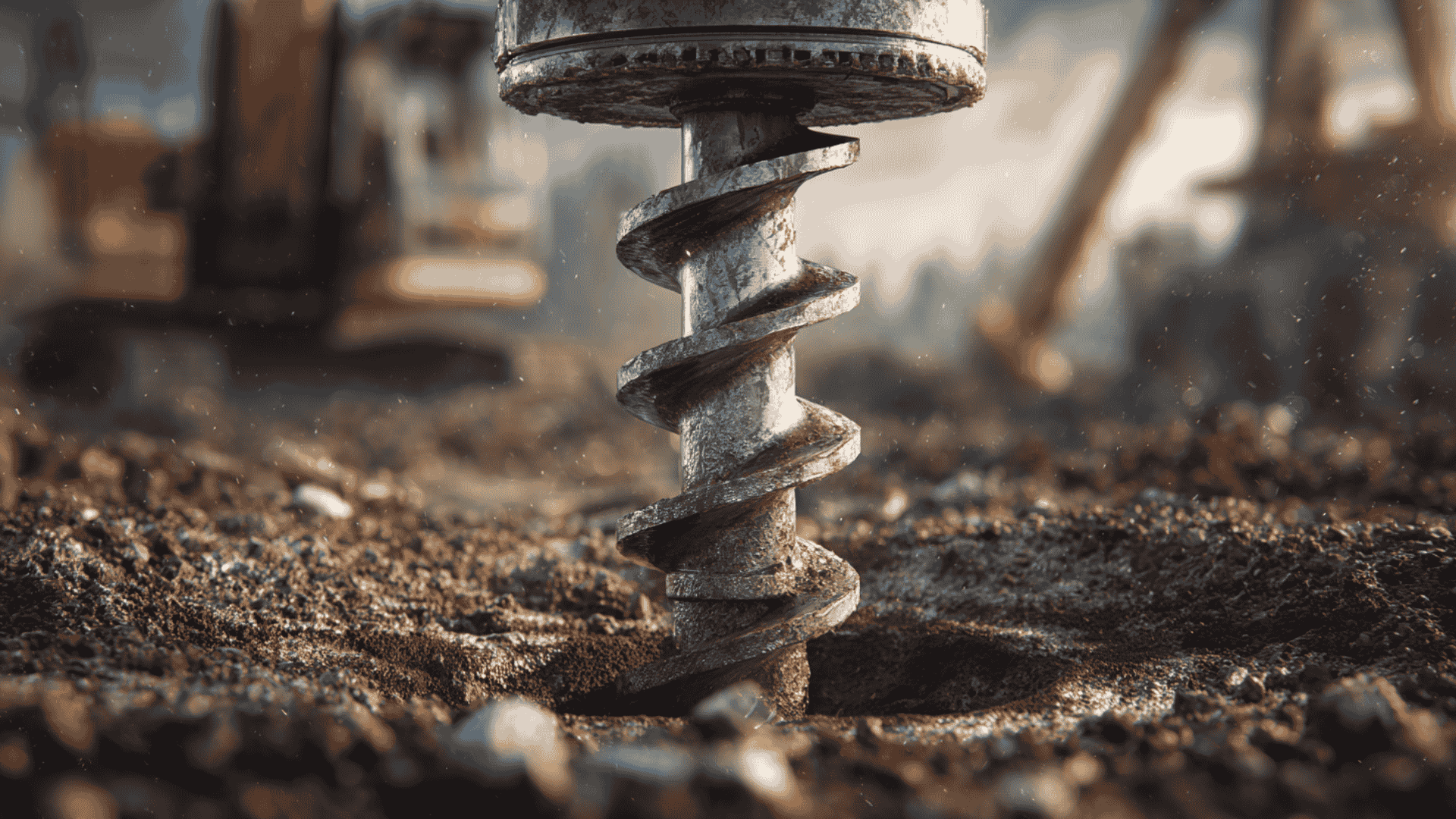
Pile drilling involves heavy machinery, deep excavations, and potentially hazardous soil conditions. Robust safety protocols and risk management practices are essential to protect personnel, equipment, and project timelines.
Site Safety Protocols and Training: Comprehensive site induction and operator training on equipment, emergency procedures, and hazard awareness. Regular safety drills and toolbox talks to reinforce best practices.
Stop Work Authority (SWA): All personnel are empowered to halt operations immediately if unsafe conditions arise. SWA is critical during unexpected soil failures, equipment malfunctions, or weather-related hazards.
Personal Protective Equipment (PPE) and Site Controls: Mandatory use of helmets, gloves, steel-toe boots, high-visibility clothing, and fall protection. Barricades, warning signage, and exclusion zones prevent unauthorized personnel from entering hazardous areas.
Risk Mitigation for Deep or Marine Drilling: Marine or offshore projects require stability monitoring, wave and tide considerations, and marine traffic management. Deep drilling operations are supported by redundant safety systems, including rig sensors, anchoring, and emergency evacuation plans.
Environmental and Regulatory Considerations
Modern foundation projects demand a balance between structural performance and environmental responsibility. Compliance with regulations and minimizing ecological impact are critical components of pile drilling.
Minimizing Soil Disturbance and Spoil: Drilling methods like helical piles reduce spoil generation by displacing soil rather than excavating it. Proper spoil management prevents contamination of surrounding areas and reduces cleanup costs.
Noise and Vibration Control: Traditional driven piles and percussion methods can generate significant noise and vibration. Selecting low-vibration methods mitigates disruption in urban, industrial, or sensitive environments.
Permitting Requirements and Compliance: Projects must comply with local, state, and federal regulations, including construction permits, environmental impact assessments, and occupational safety standards.
Protection of Wetlands and Marine Environments: For marine or riverside projects, drilling must prevent sedimentation, contamination, and habitat disruption. Using torque-monitored, low-impact helical piles minimizes seabed disturbance and avoids large-scale dredging.
By considering these environmental and regulatory factors from the start, engineers and contractors can choose the most appropriate drilling methods, maintain compliance, and deliver sustainable, low-impact foundations.
Best Practices for Efficient Pile Drilling
Efficient pile drilling requires careful planning, skilled execution, and continuous monitoring. Following best practices helps ensure foundations are structurally sound, cost-effective, and delivered on schedule.
Early Geotechnical Collaboration: Engage geotechnical engineers during the design phase to understand soil profiles and identify potential challenges. Early collaboration enables accurate pile sizing, depth determination, and method selection.
Correct Selection of Drilling Method: Choose a drilling method based on soil type, load requirements, and site constraints. Consider factors such as vibration sensitivity, spoil management, access restrictions, and environmental impact.
Continuous Monitoring and Documentation: Use torque, depth, and verticality sensors to monitor pile performance in real-time. Maintain detailed logs of drilling parameters, borehole quality, and installation data.
Integration with Installation and Load Verification: Coordinate drilling with pile installation, reinforcement placement, and load testing to avoid delays. Verify capacity and alignment before moving to the next pile.
Planning for Contingencies: Anticipate unexpected soil conditions, obstructions, or equipment malfunctions. Keep backup equipment, alternative drilling methods, and a skilled support team on standby.
Adhering to these best practices ensures efficient, accurate, and safe pile drilling.
Why TorcSill Is the Partner of Choice for Pile Drilling & Foundations
Selecting the right partner for pile drilling and foundation solutions can significantly impact project performance, schedule certainty, and lifecycle value. At TorcSill, we combine engineering expertise, advanced execution capability, and safety-first field practices to deliver dependable results across a wide range of foundation challenges.
Engineering-Driven Solutions: By understanding soil behavior and structural demands upfront, we tailor drilling methods, pile specifications, and installation sequencing to your site’s specific requirements.
Turnkey Execution, Reduced Risk: Unlike segmented service models, TorcSill’s turnkey approach brings design, drilling, pile installation, instrumentation, and load verification under one coordinated program.
Innovative, Low-Impact Techniques: Our torque-monitored helical piles offer low vibration, no spoil handling, and immediate load capacity, ideal for urban, sensitive, or restricted sites.
Safety & Compliance Are Built-In: Compliance with local, state, and federal standards is standard practice, ensuring both project and community protection.
Whether your project involves renewable energy infrastructure, industrial facilities, commercial developments, marine structures, or critical transportation assets, TorcSill delivers foundation solutions that align with performance expectations and budget requirements. Schedule a call with our engineer today.
Conclusion
Pile drilling is a critical step in foundation construction, directly influencing load capacity, structural stability, and long-term performance. Selecting the right drilling method, whether auger, rotary, percussion, or torque-monitored helical piles, depends on soil conditions, project requirements, and site constraints.
Careful attention to site assessment, equipment selection, safety protocols, environmental compliance, and best practices ensures that foundations are efficiently installed and reliably perform under design loads.
Need Expert Pile Drilling and Foundation Solutions for Your Project?
TorcSill delivers engineered, turnkey pile drilling and foundation systems for industrial, energy, marine, and commercial projects across the United States.
From geotechnical coordination and drilling to pile installation and load verification, our integrated approach reduces risk, improves constructability, and keeps projects on schedule, even in challenging soil and access conditions.
Talk to TorcSill’s foundation experts and get the right drilling solution for your project from the ground up.
FAQs
1. How is pile drilling verified when subsurface conditions differ from the geotechnical report?
When field conditions differ from pre-construction reports, verification is performed through real-time drilling data, visual inspection of cuttings, torque or penetration resistance tracking, and, if required, on-site geotechnical review. Design adjustments may include depth changes, method substitution, or additional load testing to confirm capacity.
2. Can pile drilling be performed during active facility operations?
Yes. With proper planning, pile drilling can be safely executed in operational facilities such as plants, ports, and substations. Low-vibration methods, restricted-access rigs, off-peak scheduling, and controlled exclusion zones help minimize disruption to ongoing operations.
3. How does pile drilling impact project schedules compared to driven pile installation?
Pile drilling often provides greater schedule predictability because it allows precise depth control, fewer noise or vibration stoppages, and easier adaptation to unexpected subsurface conditions, especially on constrained or regulated sites.
4. What documentation is typically required after pile drilling is completed?
Post-drilling documentation may include drilling logs, depth records, torque or resistance data, concrete or grout volumes, reinforcement placement records, and load test results. This information supports quality assurance, regulatory compliance, and future asset maintenance.
5. Are pile drilling methods suitable for seismic or high-wind regions?
Yes. Pile drilling can support foundations designed for seismic loads, uplift, and lateral forces when combined with proper engineering analysis, reinforcement detailing, and load testing to meet regional building and infrastructure codes.
6. How are unexpected obstructions handled during pile drilling?
Unexpected obstructions such as debris, boulders, or man-made materials are addressed through tooling changes, localized excavation, method modification, or redesign of pile location or depth, all coordinated with the project engineer to maintain structural integrity.
7. What factors influence long-term maintenance needs of drilled foundations?
Long-term performance depends on corrosion protection, groundwater chemistry, load conditions, and installation quality. Proper material selection, coatings, and documented installation data help reduce inspection and maintenance requirements over the structure’s lifecycle.