Steel, concrete, cranes, and then the ground quietly decides whether your project stays on schedule and on budget.
That’s why pile foundations show up everywhere in modern construction: high-rises, bridges, ports, industrial plants, and increasingly dense urban sites where shallow footings can’t reliably handle weak soils, high groundwater, heavy loads, or tight settlement limits.
When the stakes are this high, early decisions around piles aren’t a detail; they’re a budget-defining choice. Globally, the scale of infrastructure buildout is enormous (McKinsey estimates roughly $106 trillion in investment needed by 2040), which makes cost certainty in foundations more valuable than ever.
This guide is designed for the pre-construction and design phase, covering typical cost ranges, key cost drivers, differences across pile types, and practical budgeting insights to help avoid surprises once drilling begins.
Key Highlights
Pile foundation costs in 2026 vary widely based on soil conditions, pile type, depth, load requirements, and site access, making early geotechnical data essential for accurate budgeting.
Installed pile prices typically range from $50–$300 per linear foot, with total project costs spanning $30,000 to $10M+, depending on pile count, depth, and structural demands.
Driven, bored, helical, and specialized piles each offer distinct cost-performance tradeoffs, influenced by installation method, vibration limits, groundwater, and equipment needs.
Major cost drivers include depth to competent strata, pile diameter, mobilization costs, testing requirements, and regional labor/material prices, all of which heavily shape final foundation budgets.
TorcSill engineered helical pile systems help reduce cost risk by offering fast installation, immediate load capacity, and strong performance in poor soils or restricted-access sites, supporting efficient pre-construction planning.
What Is a Pile Foundation?
A pile foundation is a type of deep foundation system that uses long, slender structural elements, called piles, to safely support a structure by transferring loads past weak or compressible surface soils to stronger soil layers or rock at depth. Unlike shallow foundations, piles are designed to control settlement, bearing failure, and uplift, making them essential where ground conditions are unpredictable or loads are exceptionally high.
From a structural standpoint, piles act as load-carrying members that connect the superstructure to competent subsurface strata, ensuring long-term stability under vertical, lateral, and sometimes dynamic forces.
How Pile Foundations Transfer Loads
Pile foundations transfer loads in two primary ways, often working together:
End Bearing: The pile tip rests on a dense soil layer or bedrock, and the structural load is transferred directly to this strong stratum, similar to a column bearing on concrete.
Skin Friction (Shaft Resistance): Load is transferred along the length of the pile through friction and adhesion between the pile surface and surrounding soil, which is critical when competent bearing layers are very deep.
In practice, most piles rely on a combination of end bearing and skin friction, and their capacity is strongly influenced by soil profile, groundwater conditions, installation method, and pile material.
Typical Use Cases
Pile foundations are commonly selected when site or structural conditions exceed the limits of shallow foundations, including:
High-rise buildings where heavy vertical loads and strict settlement tolerances apply
Bridges and elevated structures subjected to large axial, lateral, and cyclic loads
Industrial and energy facilities supporting heavy equipment, tanks, or dynamic machinery
Waterfront, marine, and coastal structures where scour and fluctuating water levels are concerns
Poor-soil sites with soft clay, loose sand, fill, or high groundwater tables
Pile foundations are less about overengineering and more about engineering certainty; they’re chosen when ground conditions demand deeper, more reliable load paths and when long-term performance matters more than lowest upfront cost.
Average Pile Foundation Costs (2026 Overview)
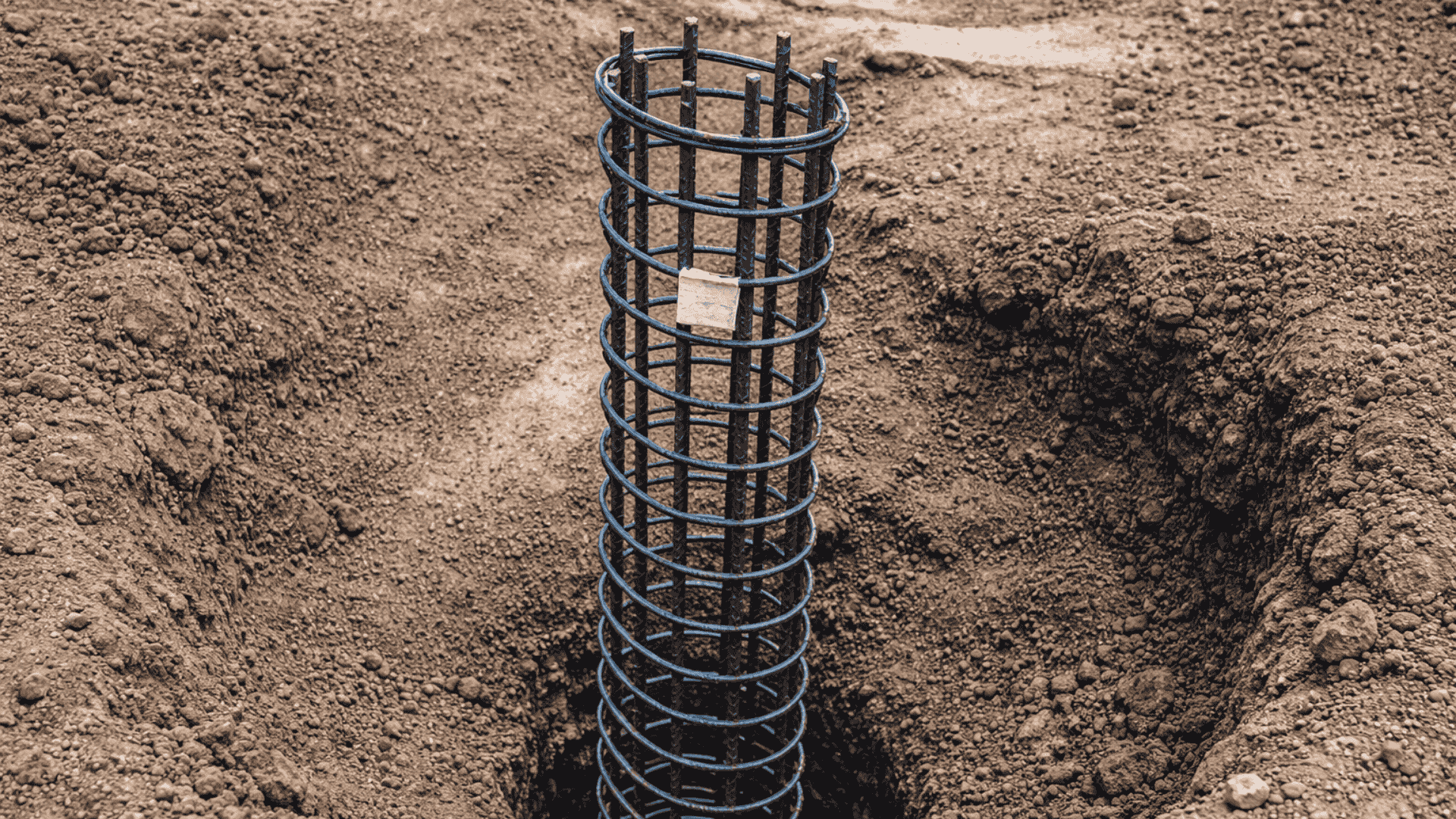
Pile foundation costs in the United States vary widely due to soil conditions, pile type, depth, access constraints, and structural load requirements. Understanding realistic cost ranges early helps reduce budget risk and prevents redesigns later in the project lifecycle.
A. Cost Per Pile (Installed)
Installed pile costs represent the combined price of materials, labor, equipment, and installation, excluding caps, pile caps, grade beams, and superstructure connections. These figures reflect common U.S. market conditions heading into 2026.
Typical Installed Cost Per Pile (U.S.)
Pile Category | Common Applications | Typical Depth Range | Average Installed Cost (Per Pile) |
|---|---|---|---|
Light Construction Piles | Residential homes, low-rise buildings, decks, and small commercial structures | 15–40 ft | $1,000 – $3,500 |
Helical (Screw) Piles | Poor soil sites, limited access areas, and retrofits | 15–50 ft | $1,200 – $3,000 |
Drilled Concrete Piers / Shafts | Mid-rise buildings, commercial structures | 20–80 ft | $2,000 – $6,000 |
Heavy Structural / Deep Foundation Piles | High-rises, bridges, and industrial facilities | 50–150+ ft | $4,000 – $25,000+ |
Cost drivers at the pile level include:
Depth to competent bearing strata or bedrock
Pile diameter and design load capacity
Installation method (driven vs drilled vs screwed)
Soil resistance, obstructions, and groundwater conditions
Mobilization costs and site access limitations
Deeper piles don’t just cost more in materials; drilling time, rig size, spoil handling, and testing requirements often multiply the total installation cost.
B. Total Project Cost Ranges
Total pile foundation costs reflect pile quantity, layout, load distribution, and testing requirements, not just unit pricing. Project scale and risk tolerance play a major role in overall budget planning.
Typical Total Pile Foundation Costs by Project Size (U.S.)
Project Scale | Typical Use Cases | Approximate Pile Count | Typical Total Cost Range |
|---|---|---|---|
Small Projects | Low-rise residential, small commercial buildings | 10–40 piles | $30,000 – $150,000 |
Mid-Scale Developments | Multifamily housing, offices, mixed-use buildings | 40–150 piles | $150,000 – $600,000+ |
Large Infrastructure & High-Rise Projects | Bridges, towers, ports, and industrial plants | 150–500+ piles | $1 million – $10+ million |
What pushes projects toward the high end of the range:
Deep piles extending to bedrock
Urban construction with vibration or noise limits
Marine or waterfront conditions
High load demands requiring large-diameter piles
Extensive load testing and quality assurance programs
On large projects, pile foundations can represent 5–28% of total costs, making early geotechnical coordination critical.
Pile Foundation Cost Breakdown
Pile foundation costs are composed of multiple interconnected elements. Knowing average costs for materials, labor, equipment, engineering, testing, and compliance helps you estimate more accurately and control risk early.
A. Materials
Materials typically include the pile structural elements (concrete, steel, timber, composites) and any reinforcement. These costs influence the baseline price before labor and equipment.
Material Type | Typical U.S. Cost Basis | Notes |
|---|---|---|
Concrete Piles | ~$30–$60 per linear foot | Material-only basis; excludes installation. |
Steel Piles (H-piles / Pipe) | ~$40–$70 per linear foot | Material-only; coating and grade can raise the price. |
Composite Piles | ~$50–$80 per linear foot | Material costs vary with resin/fiber mix. |
Timber Piles | Project-specific | Often the lowest material cost but limited to light loads. |
B. Labor
Labor costs depend heavily on installation method and crew expertise. Driven piles usually require smaller crews and shorter installation times, while bored or drilled piles demand larger, highly skilled crews.
In practice, labor is bundled into installed pricing. Across U.S. industry sources, typical installed pile costs, including labor, materials, and equipment, range from $50 to $180 per linear foot, depending on pile type and site conditions.
C. Equipment & Machinery
Heavy equipment, pile drivers, drill rigs, and cranes are essential and often rented or mobilized specifically for the job.
Equipment Cost Element | Typical U.S. Range |
|---|---|
Pile Driving / Drilling Rigs | Included in the installed cost per foot |
Mobilization & Demobilization | Project-specific (often $10,000–$100,000+) |
Equipment costs are typically reflected within installed per-foot rates because rigs, cranes, and support equipment are too project-specific to price standalone without context.
D. Engineering & Design
Engineering fees cover structural design, load analysis, layout, and foundation drawings. These depend on project complexity.
Engineering Item | Typical U.S. Cost Estimate |
|---|---|
Design Fees | ~1–3% of total foundation cost* |
Geotechnical Analysis | Often $1,000–$5,000+ per project* |
(* Engineering and design fees vary widely; direct average national figures are typically project-specific and quoted by firms.)
E. Testing & Quality Control
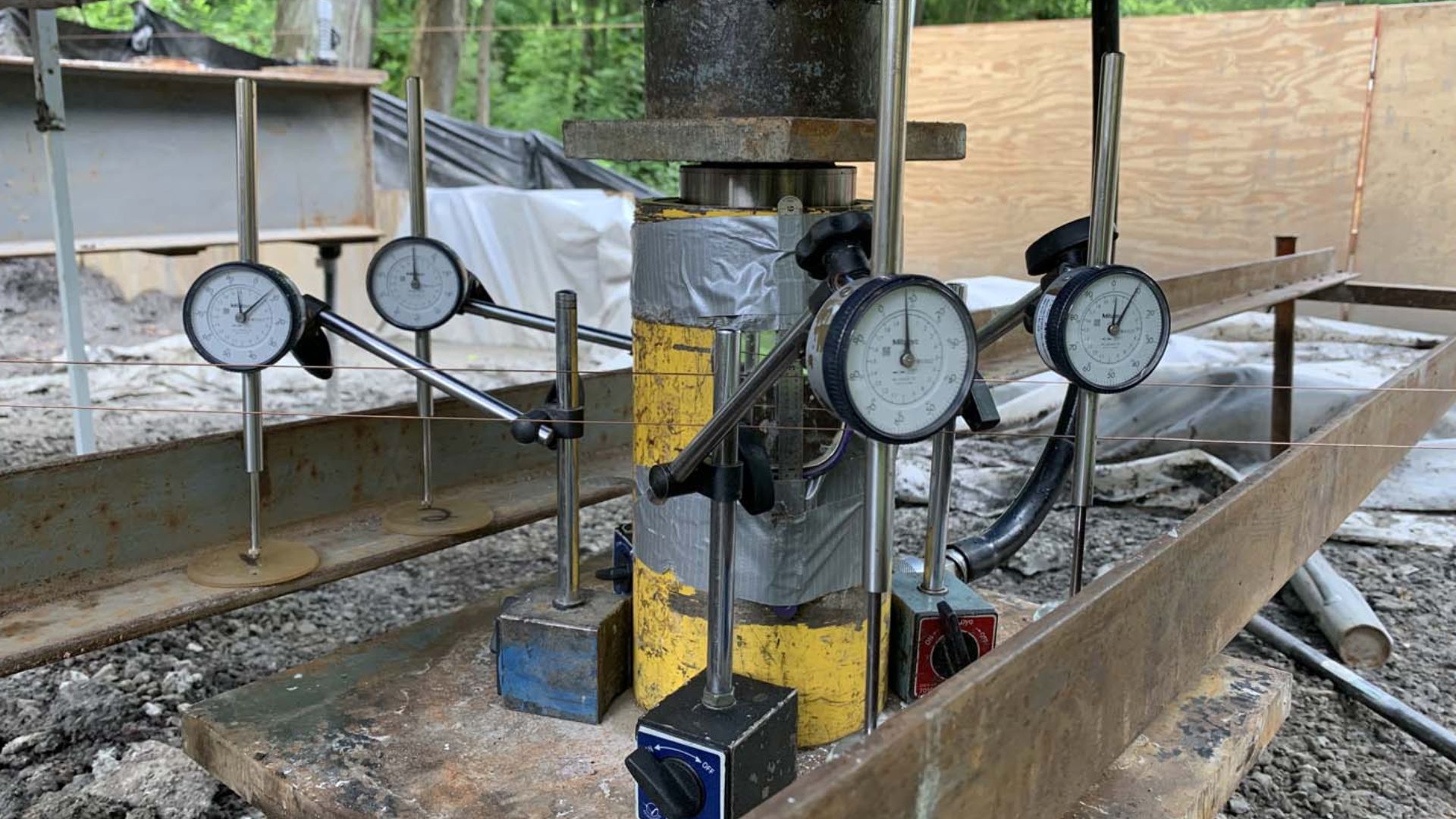
Testing ensures piles achieve design capacity. Common tests include static load testing and integrity (crosshole or low-strain).
Testing Type | Typical U.S. Cost Range |
|---|---|
Static Load Test | ~$10,000–$30,000+ per location* |
Dynamic Testing & Monitoring | Often bundled with contractor scope* |
(* Testing costs vary by test type and project specifications.)
F. Permits & Compliance
Permitting and compliance costs vary widely by jurisdiction but are unavoidable components of pile foundation work.
Local building and foundation permits in the U.S. commonly range from a few hundred dollars to over $1,000, depending on project value and municipality. Environmental compliance, such as sediment control, noise monitoring, or marine permitting, can add additional costs, particularly on waterfront or urban projects.
Geotechnical compliance documentation and special inspections may also be required under local building codes, contributing incremental but necessary expenses.
Types of Pile Foundations and Their Costs
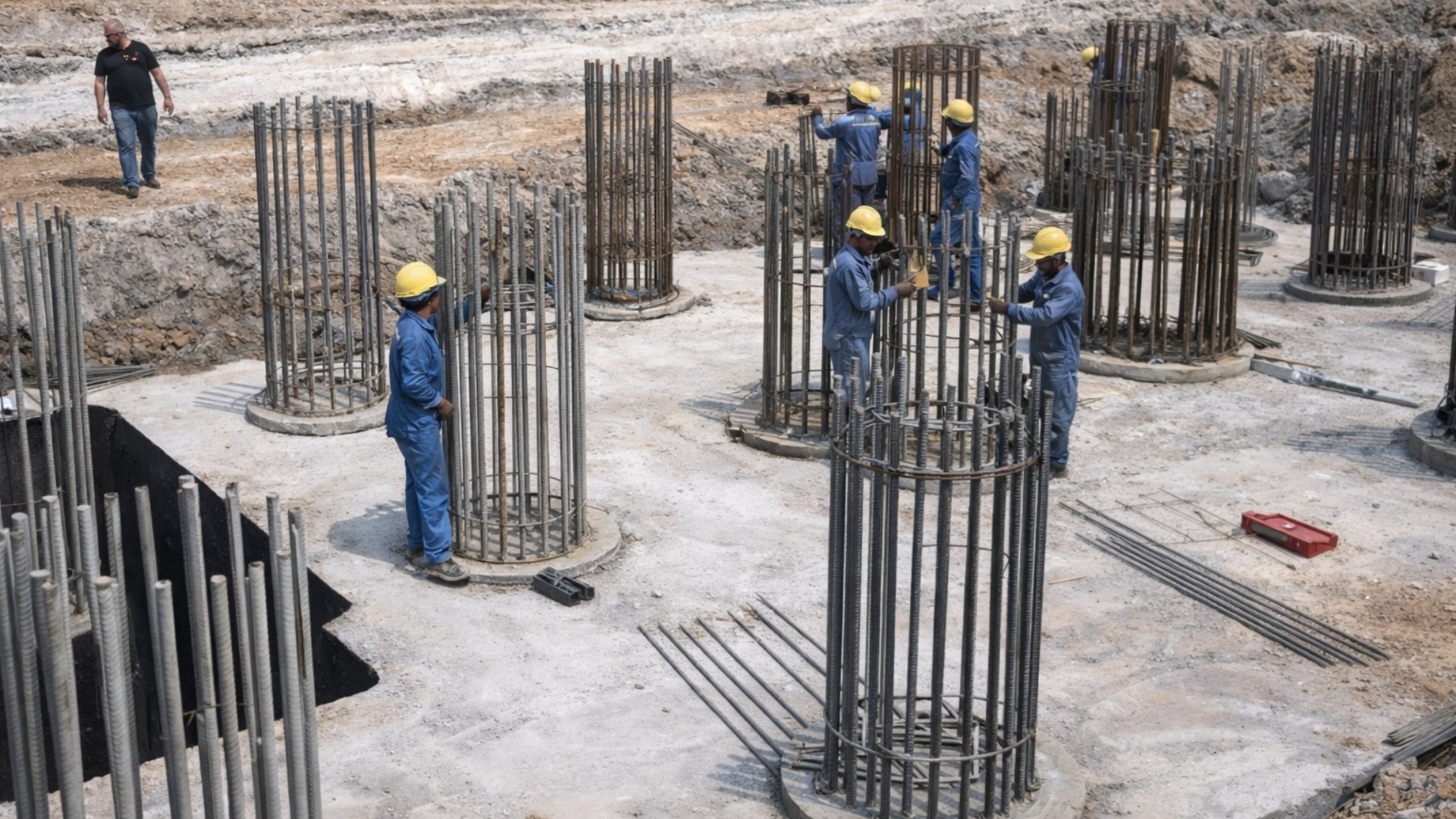
Pile foundation systems vary in cost, performance, and constructability. In the U.S., selecting the right pile type depends on soil conditions, structural loads, site access, and budget constraints.
A. Driven Piles
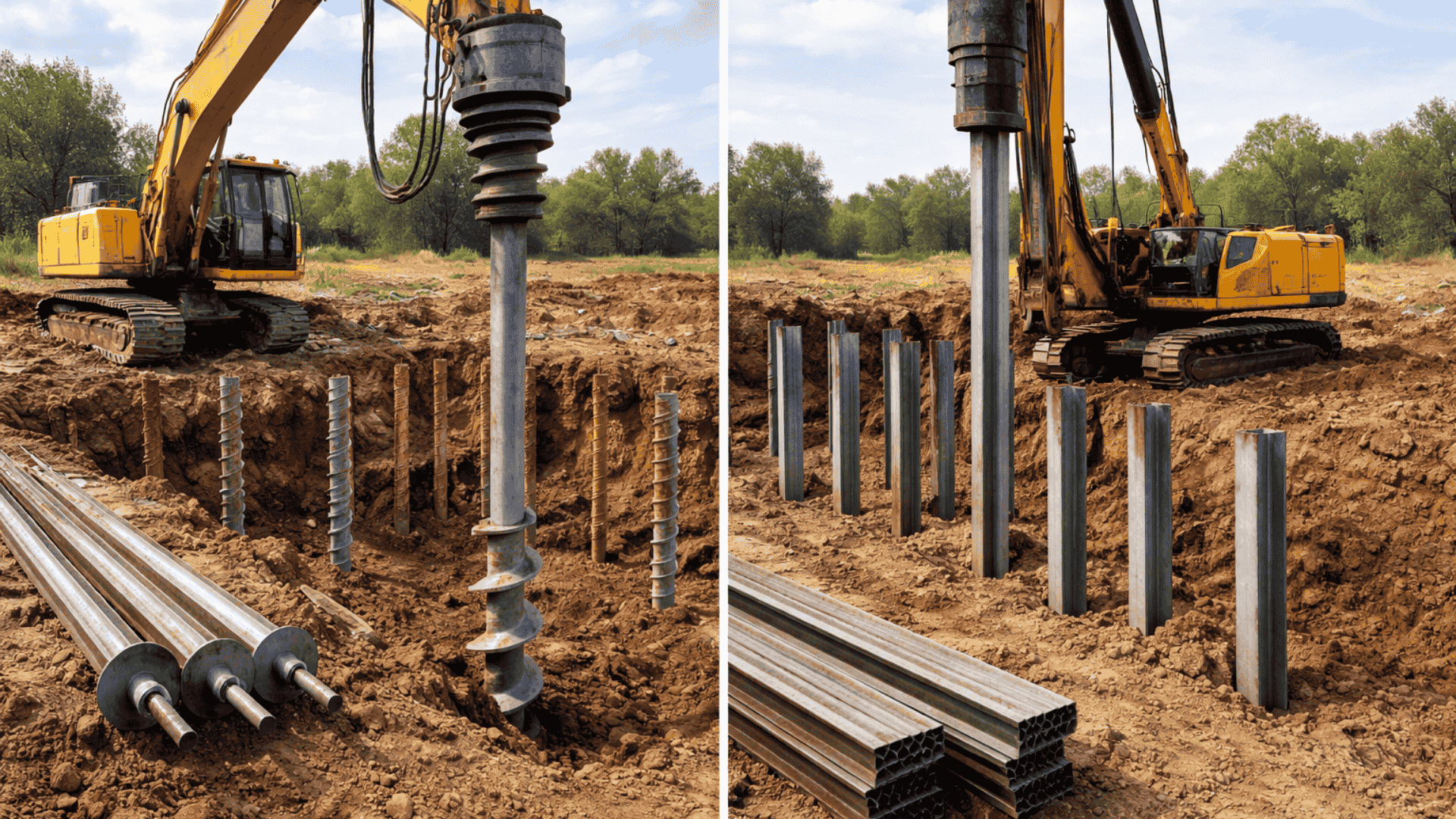
Driven piles are prefabricated elements installed by impact or vibration and are widely used for their speed and reliability.
Common types: Precast concrete piles, steel H-piles and pipe piles, and timber piles
Typical installed cost (U.S.): $50–$150 per linear foot
Best suited for: Bridges, high-load structures, and sites with good access and drivable soils
Cost considerations: Noise and vibration limits, pile damage risk, and steel market pricing
B. Bored (Cast-in-Situ) Piles
Bored piles are formed by drilling and casting concrete in place, making them ideal for urban or vibration-sensitive environments.
Common types: Drilled shafts and CFA (Continuous Flight Auger) piles
Typical installed cost (U.S.): $100–$300 per linear foot
Key advantages: Minimal vibration, flexible diameters, and high load capacity
Cost considerations: Slower installation, spoil removal, and groundwater control.
C. Screw / Helical Piles
Helical piles are steel piles installed by rotating them into the soil, offering fast installation and immediate load capacity.
Common applications: Light to mid-scale buildings, retrofits, and underpinning
Typical installed cost (U.S.): $2,000–$4,000 per pile
Key benefits: Rapid installation, minimal excavation, and clean sites
Limitations: Load capacity and performance in very dense or rocky soils.
D. Specialized Pile Systems
Specialized pile systems are used when standard methods are not feasible due to access, soil, or environmental constraints.
Common types: Micropiles and sheet piles (temporary or permanent)
Typical installed cost (U.S.): Often higher than standard piles due to complexity
Best suited for: Restricted access sites, seismic zones, or sensitive structures
Cost drivers: Specialized equipment, skilled labor, and design complexity
Every site is unique, and the right pile type can save time and money. Let TorcSill experts evaluate your soil, load, and access requirements to provide a tailored, cost-efficient solution.
Key Factors That Influence Pile Foundation Costs
Pile foundation costs are highly sensitive to site- and design-specific conditions. Even small changes in soil data, loads, or access can significantly shift final pricing. Understanding these factors early helps reduce surprises during construction.
Soil and geotechnical conditions, such as bearing capacity, stratification, groundwater level, and hidden obstructions, determine pile depth, type, drilling difficulty, and the likelihood of delays or redesigns.
Structural load requirements, including vertical, lateral, and uplift forces, directly affect pile diameter, spacing, reinforcement, and total pile count.
Pile depth and diameter compound costs by increasing concrete or steel volumes, drilling time, spoil removal, and the size and duration of equipment mobilization.
Site accessibility influences productivity through staging limitations, traffic control needs, headroom restrictions, and longer setup or relocation times for rigs.
Construction method selection impacts cost tradeoffs between speed, labor intensity, environmental controls, vibration limits, and local permitting constraints.
Regional cost factors such as labor rates, union rules, material sourcing, inspection requirements, and market demand can significantly shift overall foundation pricing.
How to Estimate Pile Foundation Costs Accurately
Accurate pile foundation estimates are built early, long before final drawings are issued. The most reliable budgets combine early technical data with realistic allowances for uncertainty and market movement.
A. Start with Early Geotechnical Investigation
Geotechnical data is the foundation of any reliable pile cost estimate.
Conduct soil borings and testing as early as possible
Identify bearing strata, groundwater levels, and soil variability
Use preliminary soil data to rule out unsuitable pile types
Update estimates as soon as refined geotechnical reports are available
Early investigation often costs little compared to the savings it generates by avoiding overly conservative or underdesigned foundations.
B. Use Preliminary Pile Layouts During Budgeting
Even a conceptual pile layout dramatically improves estimate accuracy.
Establish approximate pile type, spacing, and depth
Coordinate early with structural and geotechnical engineers
Apply realistic installed unit rates rather than generic averages
Adjust pile quantities based on load paths and building geometry
Concept-level layouts reduce guesswork and help identify major cost drivers early.
C. Include Allowances, Contingencies, and Escalation
Pile foundation estimates should always reflect uncertainty and market conditions.
Include design contingency to account for evolving loads and layouts
Add a construction contingency for subsurface variability and productivity risk
Account for material and labor escalation, especially for steel and fuel
Increase contingencies for poor soil, deep piles, or restricted sites
Ignoring contingency is one of the most common causes of foundation cost overruns.
How TorcSill Supports Cost-Efficient Pile Foundation Solutions
TorcSill provides engineered helical pile and anchoring systems designed to address foundation challenges in poor soils, constrained sites, and schedule-sensitive projects. Their solutions align closely with modern cost-control and constructability priorities in deep foundation work.
• Offers engineered helical pile systems designed for structural support across industrial, energy, marine, power, renewable, and commercial applications
• Provides a turnkey approach, including engineering, manufacturing, and installation, reducing coordination gaps that often lead to cost overruns
• Manufactures products in an ISO 9001:2015-certified facility using new steel, supporting consistent quality and predictable performance
• Helical piles deliver immediate load capacity, eliminating curing time and accelerating construction schedules
• Systems are well-suited for poor soil conditions, limited access sites, and vibration-sensitive environments, where traditional piles can become costly or impractical
• Proven use across demanding field conditions helps mitigate risk during early budgeting and design decisions
If you’re evaluating pile foundation options for challenging soil conditions or cost-sensitive projects, TorcSill’s engineered helical pile solutions offer a practical alternative worth considering.
Visit torcsill.com to explore their systems, services, and real-world applications.
Conclusion
Pile foundation costs are driven by soil conditions, structural loads, pile type, depth, site access, and regional pricing. Accurate budgeting depends on understanding these factors early and setting realistic expectations for installed costs, testing, and compliance requirements.
For contractors, developers, and engineers, the most effective approach is early alignment between geotechnical data, structural design, and budget planning. Projects that coordinate these elements from the outset reduce risk, avoid redesigns, and identify cost-saving opportunities before construction begins.
Successful pile foundation planning is less about minimizing unit cost and more about selecting the right foundation solution for long-term performance and constructability.
If your project involves poor soils, limited access, or tight schedules, TorcSill’s engineered helical pile solutions offer a reliable and cost-efficient alternative.
Contact TorcSill today to discuss your foundation needs and explore practical, engineered pile solutions.
Frequently Asked Questions (FAQ)
1. What factors most affect pile foundation costs?
Soil conditions, pile depth and diameter, structural load requirements, construction method, and site accessibility have the greatest impact on cost. Regional labor rates and testing requirements also play a role.
2. Which pile foundation type is the most cost-effective?
There is no universal answer. Helical or driven piles are often more economical for moderate loads and shallow depths, while bored piles are better suited for heavy loads or vibration-sensitive sites.
3. Why is a geotechnical investigation important for cost estimation?
Geotechnical data determines pile depth, capacity, and quantity. Without accurate soil information, foundations are often overdesigned, leading to higher construction costs.
4. Are helical piles cheaper than traditional piles?
Helical piles can be more cost-effective in poor soils or restricted sites due to faster installation and no curing time. However, they may not be suitable for very heavy structural loads.
5. How deep do pile foundations usually go?
Pile depths typically range from 20 to over 100 feet, depending on soil conditions and load demands. Deeper piles significantly increase material and installation costs.