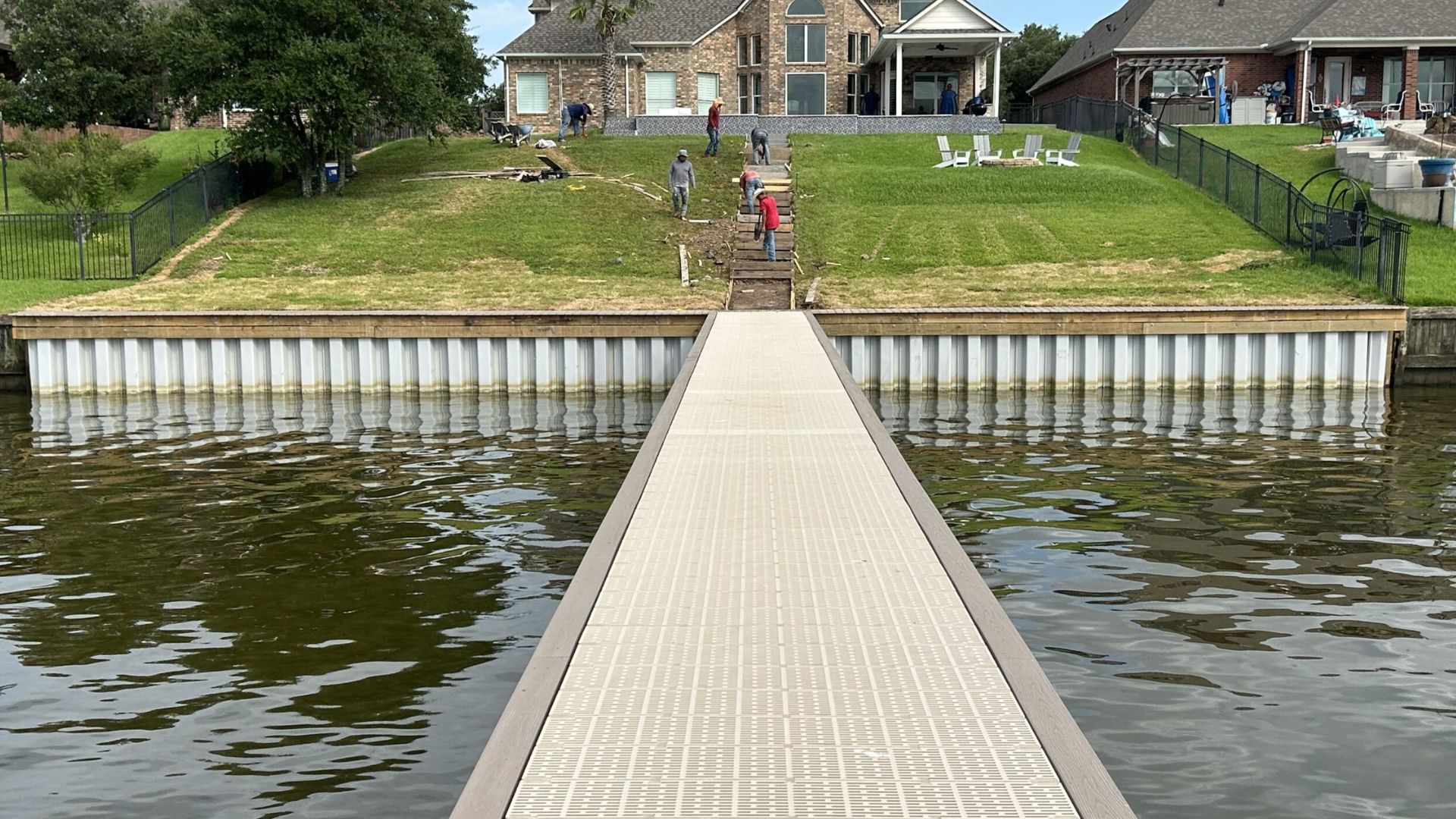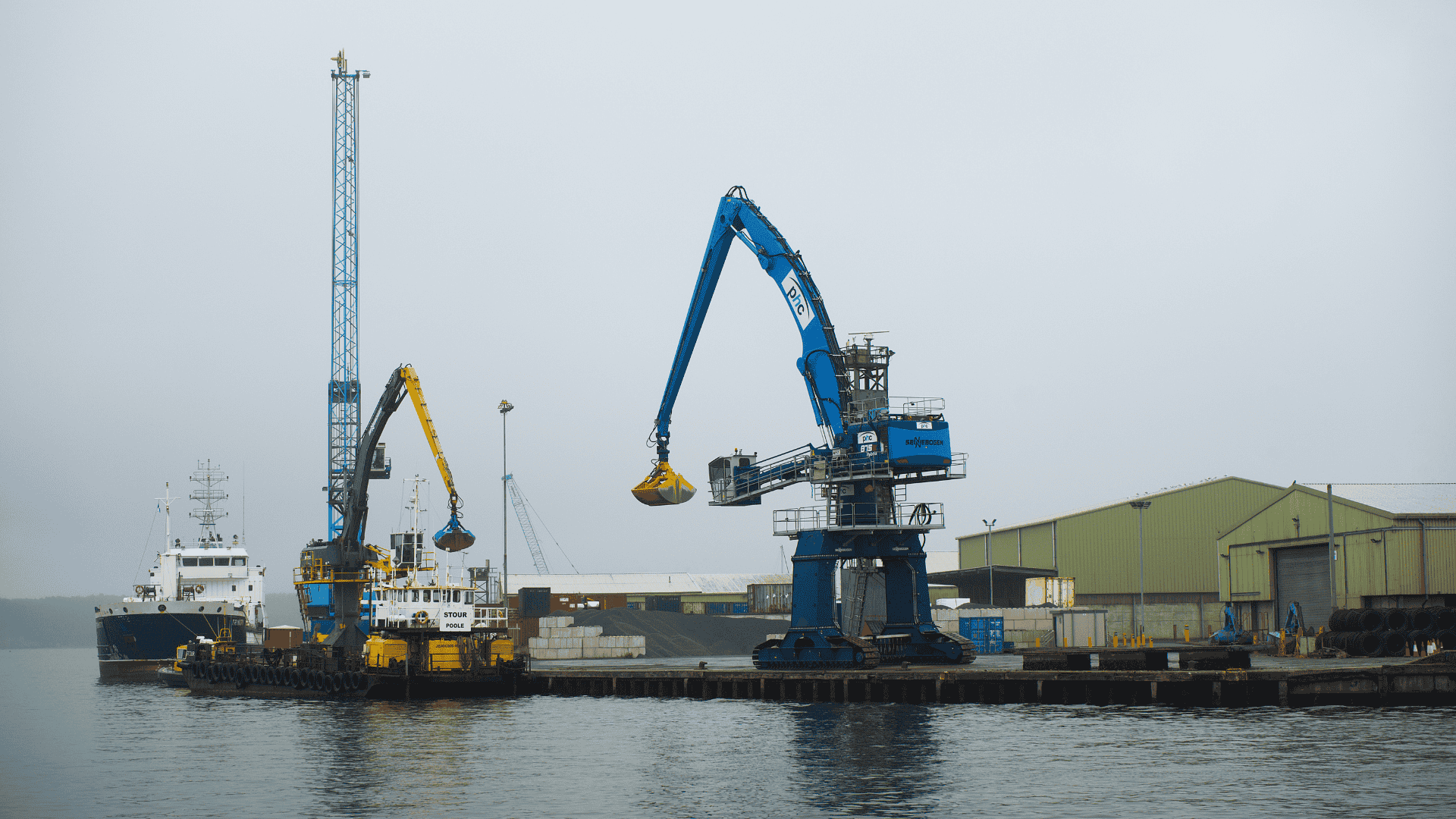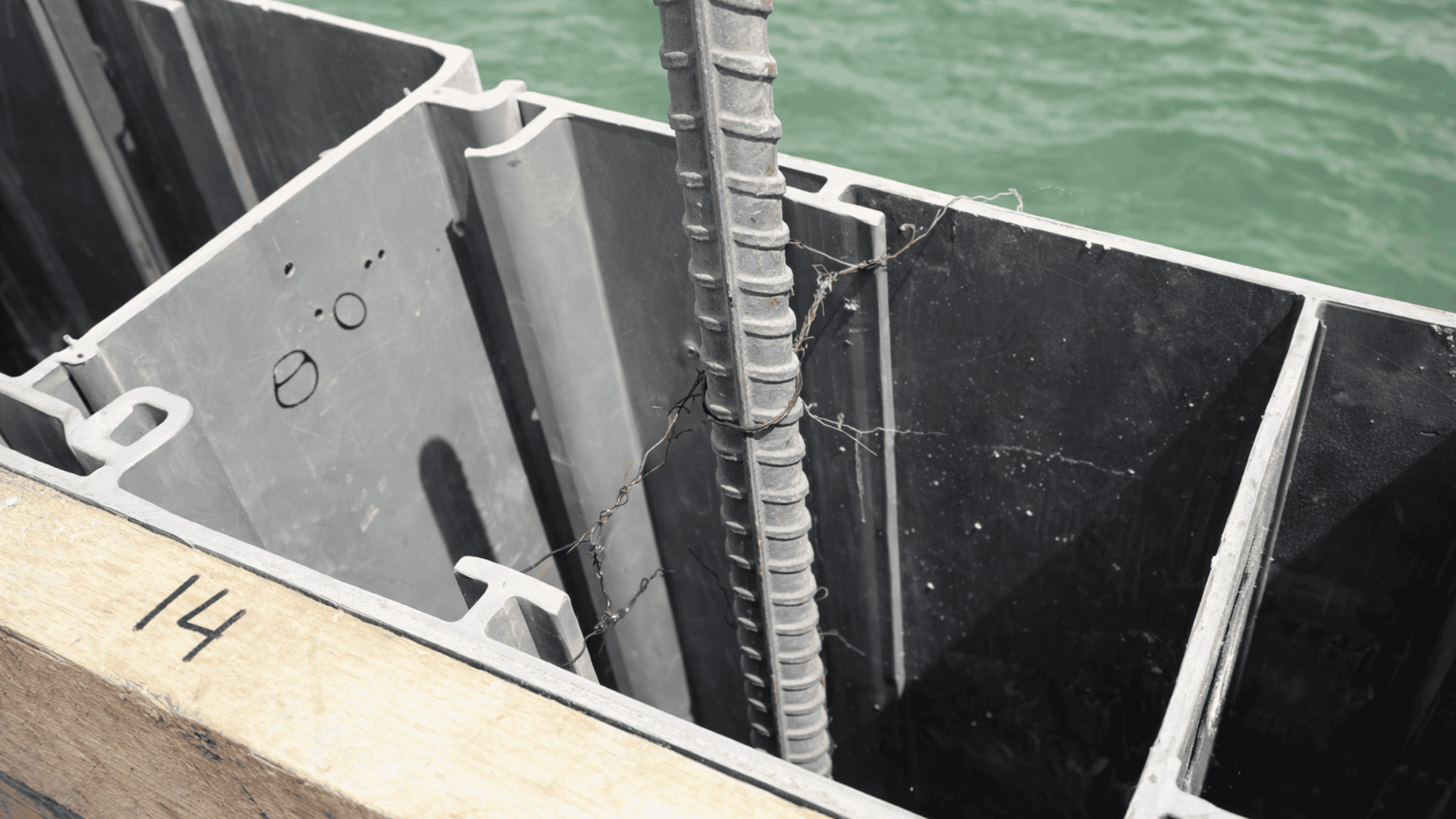
In coastal and waterfront structures, failure begins gradually, below the waterline. Scour at the toe, loss of backfill, increasing lateral pressure, and repeated wave loading slowly compromise seawall stability long before visible distress appears. Seawall installation exists to manage these forces by creating controlled load paths between soil, structure, and water.
In 2026, seawall installation is no longer a purely construction-driven activity. Engineers now evaluate wall type, foundation support, soil interaction, drainage, and installation sequencing as performance-critical decisions that directly influence service life and maintenance risk. Effective seawalls depend on how they are installed and verified in real site conditions.
This guide explains how modern seawalls are installed, what influences long-term performance, and why installation decisions play a central role in durable coastal and waterfront protection.
Key Takeaways
Modern seawall installation manages soil, wave, and lateral pressures to prevent erosion before visible distress occurs.
Seawall type, material, foundation, and tiebacks are critical decisions affecting long-term coastal protection and durability.
Engineered installation includes site prep, embedment, drainage, and monitoring to ensure performance under real conditions.
Factors like wave climate, soil variability, corrosion, and adjacent structures dictate the lifespan and effectiveness of seawalls.
TorcSill integrates design, fabrication, installation, and verification to deliver predictable, risk-aware seawall performance.
Relevance of Seawall Installation in 2026
Seawall installation in 2026 is driven by increasing coastal exposure, ageing waterfront assets, and higher expectations for long-term performance. Many existing seawalls were designed for historical water levels and loading conditions, leaving them vulnerable to progressive erosion, lateral soil loss, and structural instability under current environmental stresses.
Modern seawall installation now focuses on how the wall system performs as a whole, not just the wall face. Engineers assess soil retention, hydrostatic pressure relief, toe stability, and load transfer into supporting elements to ensure the structure can resist combined wave, surcharge, and earth pressures over time.
Key factors shaping seawall installation include:
Rising sea levels and storm intensity: Increased water levels and wave energy amplify lateral and uplift forces acting on seawalls, accelerating failure in under-designed systems.
Subsurface erosion and loss of backfill: Scour at the toe and internal soil migration remain leading causes of wall movement and collapse.
Ageing coastal infrastructure: Many existing seawalls are reaching the end of their design life and require replacement or structural upgrades.
Stricter regulatory and permitting requirements: Environmental controls and access limitations demand installation methods that minimise disturbance.
Greater emphasis on performance verification: Installation data and field observations are increasingly used to validate design assumptions before full service loading.
As a result, seawall installation in 2026 is a risk-managed engineering process where installation method, ground behaviour, and long-term durability must be aligned to deliver reliable coastal protection.
Types of Seawalls Used in Modern Coastal and Waterfront Projects
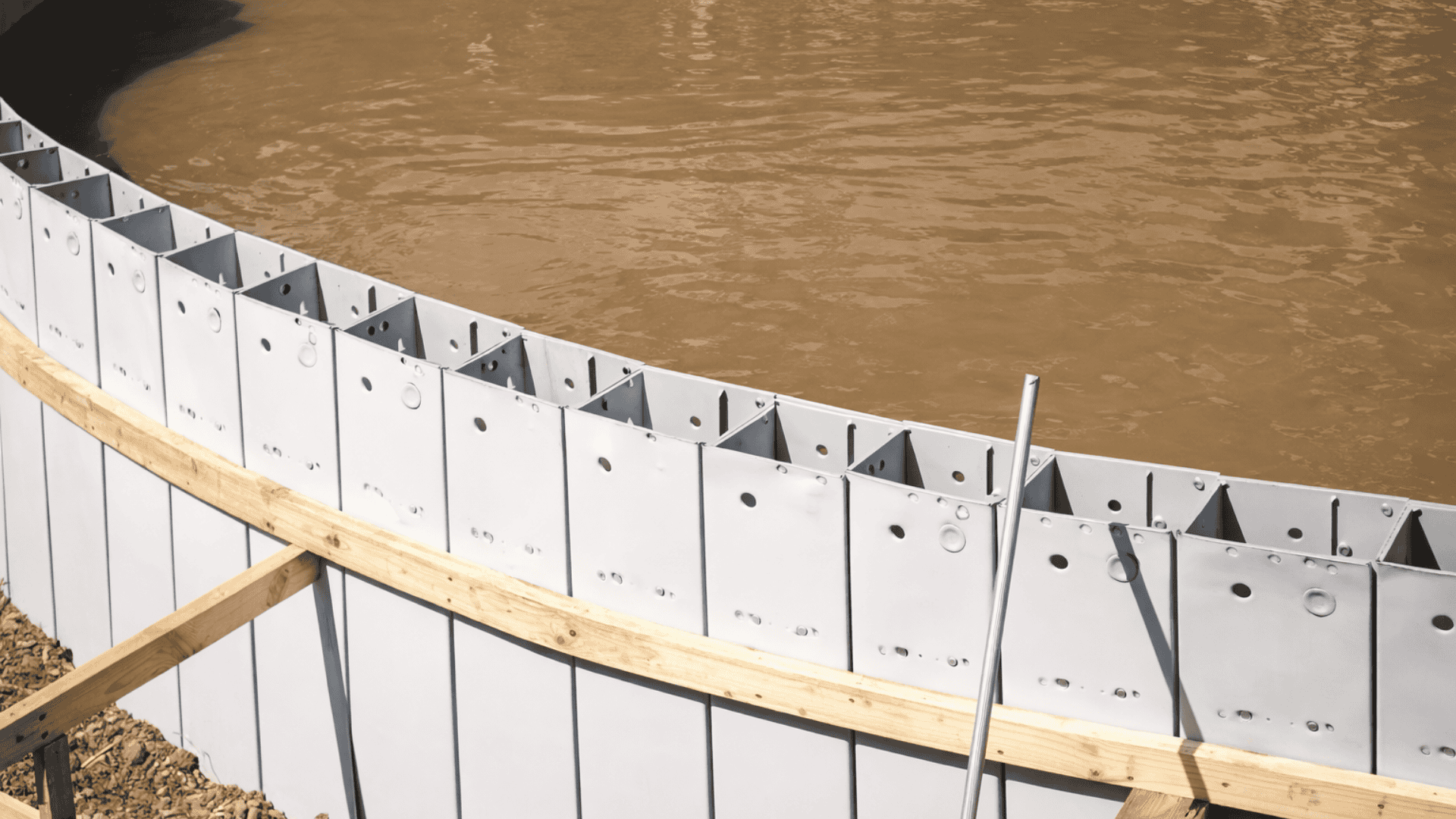
Seawalls are not one-size-fits-all structures. Their effectiveness depends on how wall geometry, materials, and foundation support interact with wave energy, soil conditions, and long-term exposure.
Seawall selection increasingly focuses on energy dissipation, constructability, and long-term maintenance behaviour, not just initial strength.
Below are the most commonly used seawall types and the conditions they are best suited for:
Vertical Seawalls
Vertical seawalls form a rigid, upright barrier between land and water. They are commonly used where space is limited and direct wave impact must be resisted.
Key characteristics:
Provide strong resistance in high-energy wave environments
Require robust foundation support to prevent overturning and sliding
Reflect wave energy, which can increase scour at the toe if not managed
Because wave forces act directly on the wall face, long-term performance depends heavily on foundation stability, toe protection, and tieback or anchoring systems where required.
Curved or Stepped Seawalls
Curved and stepped seawalls are shaped to reduce wave energy rather than resist it entirely. Their geometry redirects and dissipates wave forces upward or outward.
Key characteristics:
Reduce direct wave impact compared to vertical walls
Lower structural demand on wall sections
Help minimise splash-over and erosion at the base
These systems are often used in moderate to high wave environments where controlling energy transfer improves durability and reduces maintenance demands over time.
Rubble Mound Seawalls (Revetments)
Rubble mound seawalls use a sloped profile built from layered rock or concrete armour units to absorb wave energy gradually.
Key characteristics:
Dissipate wave energy through mass and friction
Adapt well to irregular shorelines and varying wave angles
Require sufficient footprint and material volume
From a performance standpoint, stability depends on correct stone sizing, filter layers, and foundation preparation to prevent settlement or material loss.
Breakwaters (As Part of a Seawall System)
Breakwaters are offshore structures designed to reduce wave energy before it reaches the shoreline or seawall.
Key characteristics:
Reduce wave height and energy reaching the shore
Often used in combination with onshore seawalls
Improve overall system performance rather than acting alone
While not seawalls themselves, breakwaters influence seawall design by reducing loading demands and erosion risk at the primary structure.
Common Seawall Materials and Performance Considerations
Material selection affects durability, corrosion resistance, constructability, and lifecycle cost. In modern projects, materials are evaluated alongside environmental exposure and maintenance expectations.
Concrete seawalls: Highly durable and suitable for high-energy environments, but require proper detailing to manage cracking, joints, and reinforcement corrosion.
Steel seawalls: Offer high strength and are common in commercial and industrial waterfronts. Long-term performance depends on corrosion protection, coatings, and embedment depth.
Vinyl seawalls: Corrosion-resistant and lightweight, often used in low to moderate energy environments. Structural capacity is lower than steel or concrete.
Composite panel seawalls: Provide a balance of strength and flexibility, performing well where water levels fluctuate and moderate movement is expected.
Timber seawalls: Primarily used for aesthetic or small-scale applications, with higher maintenance requirements due to decay and marine exposure.
Selecting the appropriate seawall type requires evaluating wave climate, soil conditions, foundation support, installation constraints, and long-term performance expectations together.
When coastal conditions and soil behaviour vary, engineered seawall solutions reduce uncertainty. TorcSill’s foundation support systems are designed for reliable performance in demanding marine environments. Early engineering involvement helps align system selection, installation, and long-term durability.
How Seawalls are Installed: An Engineered Construction Process
Seawall installation is not a single construction activity, but a sequence of engineered decisions that translate coastal design assumptions into a stable, long-term barrier against water and soil forces.
Engineers must account for wave loading, soil behaviour, scour risk, constructability constraints, and environmental exposure throughout the installation process.
Each stage is designed to manage uncertainty at the shoreline and ensure the seawall performs reliably over its service life.
Site Investigation and Design Development
Before construction begins, engineers assess both marine and subsurface conditions to define the seawall system.
This stage includes:
Reviewing geotechnical data to understand soil stratigraphy, bearing capacity, and erosion susceptibility
Evaluating wave climate, water levels, tidal range, and storm surge effects
Selecting seawall type, material, embedment depth, and support systems
Identifying risks such as scour potential, slope instability, or adjacent structure sensitivity
Design decisions at this stage directly influence installation methods and long-term stability.
Site Preparation and Access Planning
Shoreline conditions often limit access and working space, making preparation critical.
Key activities include:
Establishing safe access from land, water, or both
Preparing working platforms and temporary stabilization where required
Managing water control, turbidity, and environmental protection measures
Clearing obstructions while preserving shoreline stability
Poor preparation can compromise alignment, embedment depth, and construction quality.
Foundation Preparation and Embedment
Seawalls rely on adequate embedment to resist overturning, sliding, and erosion.
Depending on the system, this may involve:
Excavation or dredging to reach design grade
Driving or installing sheet piles, panels, or toe elements
Placing bedding layers or filter systems beneath revetments
Installing tiebacks, anchors, or deadmen where lateral support is required
Embedment depth and foundation support are critical to long-term performance, especially under storm loading.
Installation of Wall Elements
The seawall structure is then installed according to the selected system.
This may include:
Driving steel, vinyl, or composite sheet piles
Placing precast or cast-in-place concrete panels
Constructing stepped or curved wall geometries
Installing armour stone or concrete units for rubble mound systems
Alignment, verticality, and connection detailing are closely monitored to ensure load paths perform as designed.
Backfilling, Drainage, and Structural Integration
Once the wall is in place, controlled backfilling and drainage systems are installed.
This stage includes:
Placing engineered backfill in controlled lifts
Installing drainage layers, weep systems, or filters to relieve hydrostatic pressure
Integrating the seawall with grade beams, caps, or adjacent structures
Proper drainage reduces internal pressures that can otherwise lead to wall movement or failure.
Final Protection and Verification
The final phase focuses on erosion control and performance verification.
Activities may include:
Installing toe protection or scour aprons
Placing surface finishes or protective caps
Verifying alignment, embedment, and structural connections
Reviewing installation records against design assumptions
Verification ensures the seawall is prepared to perform under both daily and extreme loading conditions.
How Seawalls Protect Against Erosion in Practice
Seawalls protect shorelines by interrupting erosion mechanisms, not by eliminating coastal forces entirely. Their effectiveness depends on how they manage energy, soil movement, and water pressure together.
In practice, seawalls protect against erosion by:
Blocking direct wave attack on soil that would otherwise be eroded by repeated impact
Transferring wave and soil loads safely into the ground through embedment and foundation support
Reducing backfill loss by separating soil from moving water
Controlling scour and undercutting through toe protection and energy dissipation
Limiting long-term shoreline retreat by stabilising the land–water interface
When correctly designed and installed, seawalls slow erosion rates, control deformation, and protect adjacent structures—even though natural coastal processes continue around them.
Seawall performance ultimately depends on engineering decisions made during installation, where real site conditions determine whether erosion is resisted or allowed to undermine the structure over time.
Factors Influencing Long-Term Seawall Performance
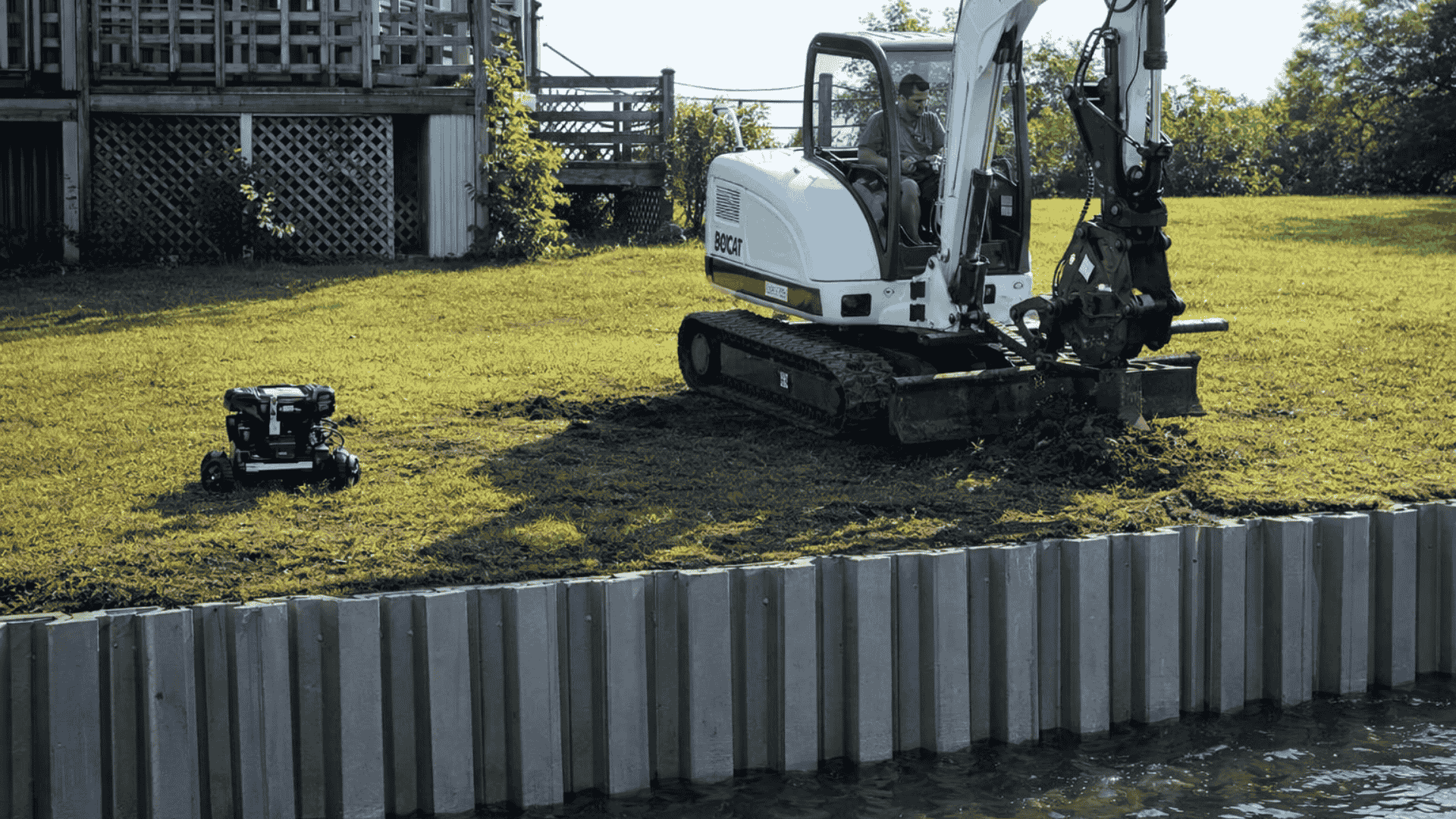
The long-term effectiveness of a seawall is determined less by its visible structure and more by how well subsurface conditions, loading behaviour, and environmental exposure were accounted for during design and installation.
Many seawall failures occur years after construction, once cumulative forces exceed what the system was engineered to resist.
Key factors that influence seawall performance over time include:
Subsurface Soil Conditions and Variability
Seawalls depend on the strength and stability of the soils they engage. Variations in soil type, density, or consolidation can lead to uneven settlement, rotation, or loss of embedment.
Long-term performance improves when:
Embedment depths account for weak or compressible layers
Design assumptions are validated against installation behaviour
Soil response under cyclic loading is considered
Ignoring subsurface variability is one of the most common causes of delayed seawall movement.
Embedment Depth and Toe Protection
Adequate embedment is critical to resisting overturning, sliding, and scour. Over time, wave action and currents can remove supporting material at the base of the wall.
Performance is directly influenced by:
Embedment below predicted scour depths
Toe protection sized for expected wave energy
Continued support under fluctuating water levels
Shallow embedment may perform initially but often leads to progressive instability.
Drainage and Hydrostatic Pressure Control
Water trapped behind a seawall can generate significant lateral pressure, especially during heavy rainfall or tidal fluctuations.
Long-term stability depends on:
Properly designed drainage layers or weep systems
Filter materials that prevent soil migration
Ongoing ability to relieve hydrostatic pressure
Poor drainage frequently causes bowing or cracking even when structural capacity is adequate.
Material Durability and Corrosion Exposure
Seawalls operate in aggressive environments where corrosion, abrasion, and chemical exposure are constant.
Durability is influenced by:
Material selection appropriate for salinity and exposure conditions
Protective coatings or corrosion allowances for steel elements
Concrete mix design and reinforcement protection
Material degradation reduces section capacity over time, affecting structural reliability.
Wave Climate and Extreme Loading Events
While seawalls are designed for typical conditions, extreme events often govern long-term performance.
Critical considerations include:
Wave height, period, and directionality
Storm surge and sea-level variability
Repeated cyclic loading rather than single peak events
Structures designed only for average conditions often fail during infrequent but severe storms.
Interaction with Adjacent Structures and Shoreline Systems
Seawalls rarely function in isolation. Adjacent foundations, utilities, or shoreline features influence load paths and deformation patterns.
Performance is affected by:
Differential movement between structures
Load transfer to or from neighbouring systems
Changes to shoreline geometry over time
Integrated engineering review helps prevent unintended stress concentrations or movement.
How TorcSill Supports Engineered Seawall Installation
Seawall failure is rarely caused by the wall alone. In most cases, loss of soil support, uncontrolled water pressure, and aging anchorage systems work together to compromise performance over time.
TorcSill supports seawall repair and preservation by addressing these underlying causes through an integrated, environmentally safe approach focused on soil stabilization, drainage control, and structural reinforcement.
Each phase of work is designed to restore seawall performance while minimizing disturbance to the surrounding environment:
1. Seawall condition assessment and soil evaluation: Engineers assess visible distress such as cracking, wall movement, soil depressions, staining, and corrosion, along with subsurface soil conditions behind the seawall. This evaluation identifies loss of soil mass, voids, and hydrostatic pressure buildup that threaten long-term stability.
2. Soil stabilization using proprietary repair materials: Advanced repair materials are injected behind and beneath the seawall to fill voids, stabilize loose soils, and strengthen weakened zones. These materials repair leaking cracks, prevent ongoing erosion, and restore soil strength to levels exceeding natural bedrock, preserving the existing structure rather than replacing it.
3. Hydrostatic pressure control: Integrated drainage solutions automatically relieve future water buildup behind the seawall. By controlling hydrostatic pressure, the system reduces the primary force responsible for cracking, bowing, and progressive seawall failure.
4. Seawall cap, panel, and surface repairs: High-strength epoxy and concrete repair materials are used to restore damaged caps and panels, improving structural integrity while extending the service life of the wall.
5. Anchoring system upgrades: Where existing anchors are outdated or have failed, retrofit anchoring systems are installed to improve lateral resistance and reconnect the seawall to stable soils. These systems are designed to work in coordination with the stabilized soil mass.
By combining soil stabilization, pressure relief, structural repair, and anchorage enhancement into a single engineered solution, TorcSill Foundations helps property owners preserve seawalls, reduce future maintenance risk, and restore predictable performance under ongoing waterfront and coastal loading.
Conclusion
Seawalls are essential for controlling erosion and lateral forces in coastal and waterfront areas, where soil variability and water dynamics challenge conventional retaining methods. Performance depends on wall type, foundation embedment, and load transfer mechanisms.
Early engineering review and monitoring during installation help manage subsurface uncertainty, adjust for site conditions, and ensure long-term stability.
Consult a TorcSill engineer to assess seawall design, foundation interaction, and installation data, ensuring reliable, durable protection against erosion and lateral pressures.
Frequently Asked Questions (FAQs)
What is the ideal foundation depth for a seawall?
Foundation depth depends on soil type, wave energy, and scour potential. Engineers assess these factors to ensure the wall resists erosion, settlement, and lateral pressures over decades.
Which materials are most resilient for coastal environments?
Concrete and steel offer long-term durability against high-energy waves, corrosion, and marine conditions. Material selection balances performance, maintenance, and environmental impact.
How does seawall geometry affect wave energy dissipation?
Curved or stepped walls reduce wave impact by redirecting or absorbing energy, minimizing reflection, overtopping, and long-term soil erosion behind the wall.
Can existing shorelines be retrofitted with seawalls?
Yes. Modern engineering allows installation of new walls or tieback anchors alongside or through older structures, stabilizing vulnerable areas without full reconstruction.
How do engineers monitor seawall performance over time?
Monitoring includes settlement surveys, wall alignment checks, and inspection of scour, corrosion, or joint integrity. This proactive oversight allows timely maintenance and risk reduction.