Coastal erosion isn’t abstract; it’s a measurable threat. In the United States, shoreline retreat and storm impacts contribute to hundreds of millions of dollars in annual property losses along waterfronts. For waterfront owners and developers, that risk translates into real costs, design challenges, and long-term exposure.
Bulkhead, engineered retaining structures along shorelines play a central role in arresting erosion, stabilizing land, and protecting upland property from waves, tides, and surge. When properly designed and executed, they can be the difference between a resilient waterfront and repeated, costly repairs.
This guide provides a clear, practical roadmap for U.S. coastal bulkhead projects. You’ll learn how to assess site conditions, navigate permitting, select materials, and plan construction and maintenance to achieve lasting performance with minimal environmental impact.
Key Highlights
Bulkheads provide essential shoreline protection by preventing erosion, stabilizing land, and shielding property from waves, tides, and storm-driven forces.
Bulkheads become mandatory when erosion threatens structures or space is too limited for sloped or nature-based shoreline solutions. They are optional only on low-energy coastlines where gradual stabilization can meet performance needs.
Selecting the right bulkhead type, timber, steel, concrete, or vinyl/composite, depends on site conditions, loads, budget, and durability goals.
Successful bulkhead construction relies on disciplined site assessment and engineered sequencing, including pile driving, anchoring, drainage, and controlled backfilling.
TorcSill marine foundation solutions strengthen new and aging bulkheads through waterside tiebacks, corrosion-resistant systems, and fast, low-disturbance installation.
What a Waterfront Bulkhead Is and How It Works?
A waterfront bulkhead is a shoreline-retaining structure designed to hold soil in place and prevent land loss at the water’s edge. Unlike sloped stabilization systems, bulkheads are typically vertical or near-vertical walls constructed from materials such as steel sheet pile, vinyl, concrete, or composite systems.
Functionally, a bulkhead:
Resists lateral earth pressure from the land behind it
Manages hydrostatic pressure through drainage systems (weep holes, granular backfill)
Protects upland areas from erosion, minor wave action, and fluctuating water levels
Creates a stable, usable edge for docks, walkways, and waterfront infrastructure
Bulkheads are structural elements, not just barriers. Their performance depends heavily on proper embedment depth, anchoring (or cantilever design), drainage, and scour protection at the toe.
When Bulkheads Are Required vs. Optional
Bulkheads are not always the first or preferred shoreline solution, but they become necessary under certain site constraints.
1. Bulkheads are typically required when:
Shoreline erosion threatens buildings, roads, or utilities
There is limited horizontal space for sloped or nature-based stabilization
A vertical shoreline edge is needed for docking, navigation, or access
Existing hardened shorelines must be repaired or replaced
Soil conditions make revetments or living shorelines impractical
2. Bulkheads may be optional when:
The site has low wave energy and sufficient space for gradual stabilization
Natural or hybrid solutions can meet performance and permitting goals
The shoreline is not supporting critical structures or loads
Bulkhead Types and Material Options
Choosing the right bulkhead system is a balance of site conditions, structural demand, durability expectations, regulatory constraints, and budget. Below is a clear breakdown of the most common bulkhead types used in U.S. coastal and waterfront projects, followed by a practical comparison.
Timber Bulkheads
Timber bulkheads are one of the oldest shoreline stabilization methods, typically constructed from pressure-treated wood or tropical hardwoods.
Where they work best
Low-energy shorelines (canals, sheltered bays, tidal creeks)
Residential properties with limited structural demand
Short-term or budget-constrained projects
Pros | Cons |
|---|---|
Lower upfront cost | Vulnerable to rot, marine borers, and UV exposure |
Easier to install with lighter equipment | Shorter service life compared to modern materials |
Readily available materials | Higher long-term maintenance and replacement costs |
Best use case: Small residential shorelines where loads are light and long-term durability is not the primary driver.
Steel Sheet Pile Bulkheads
Steel sheet pile bulkheads consist of interlocking steel panels driven into the ground to form a continuous retaining wall. They are among the strongest and most versatile bulkhead systems.
Where they work best
High-load environments
Commercial, marina, and industrial sites
Areas with deeper water and higher wave energy
Pros | Cons |
|---|---|
High structural capacity | Higher upfront cost |
Long service life when properly protected | Susceptible to corrosion without coatings or cathodic protection |
Suitable for anchored or cantilever designs | Requires heavier installation equipment |
Best use case: Projects requiring maximum strength, deeper embedment, or long design life.
Concrete Bulkheads
Concrete bulkheads may be cast-in-place or precast and are often used where rigidity, mass, and architectural finish are important.
Where they work best
Urban waterfronts
Public infrastructure and promenades
Locations requiring integrated esthetics or cap systems
Pros | Cons |
|---|---|
Excellent durability and resistance to rot | High construction cost |
Low routine maintenance | Less flexible in poor soils without deep foundations |
Can be architecturally finished or reinforced for heavy loads | Repairs can be complex if cracking or settlement occurs |
Best use case: Permanent installations where appearance, longevity, and structural rigidity are priorities.
Vinyl and Composite Bulkheads
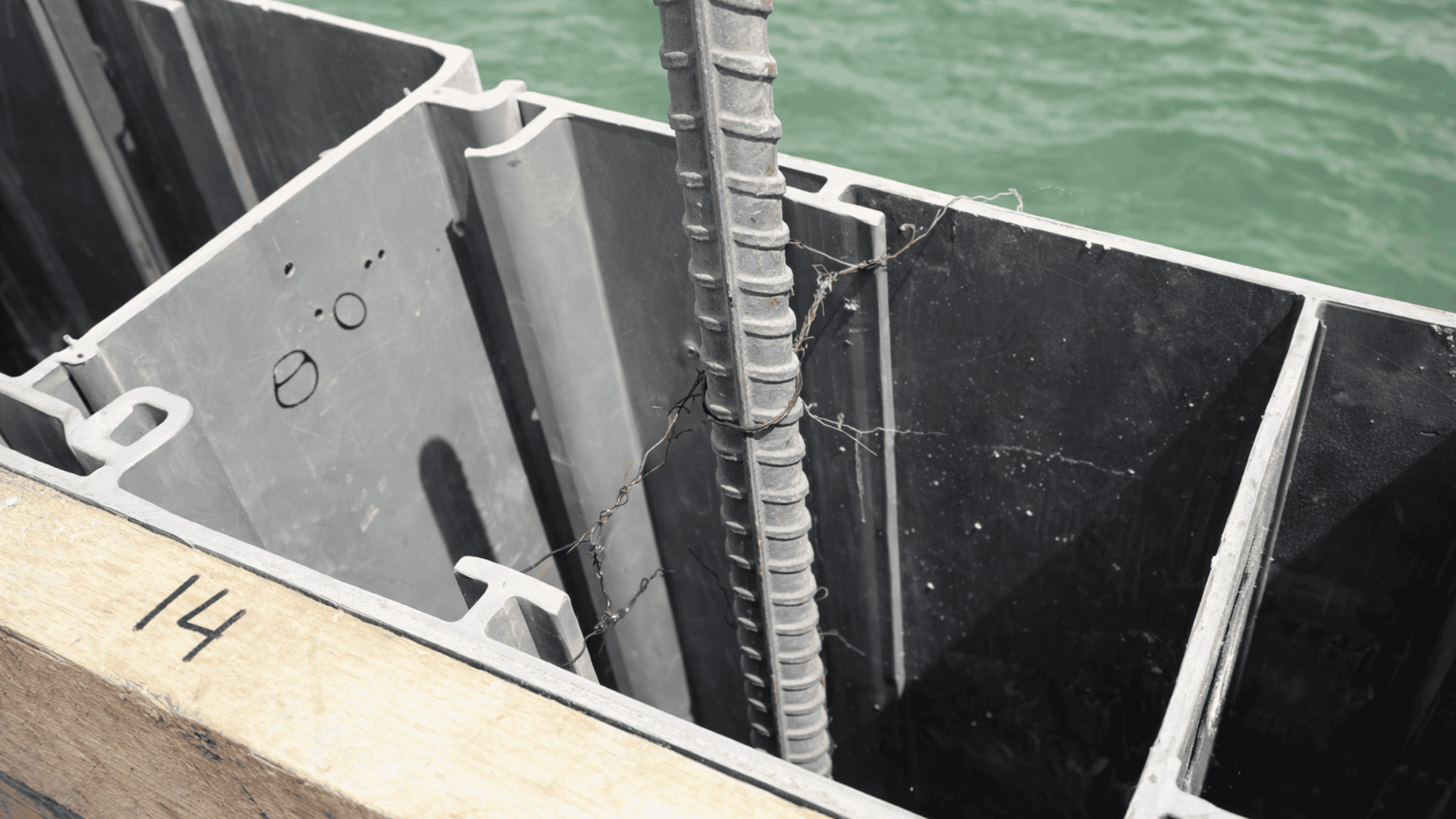
Vinyl and composite systems are modern alternatives designed to resist corrosion and biological degradation.
Where they work best
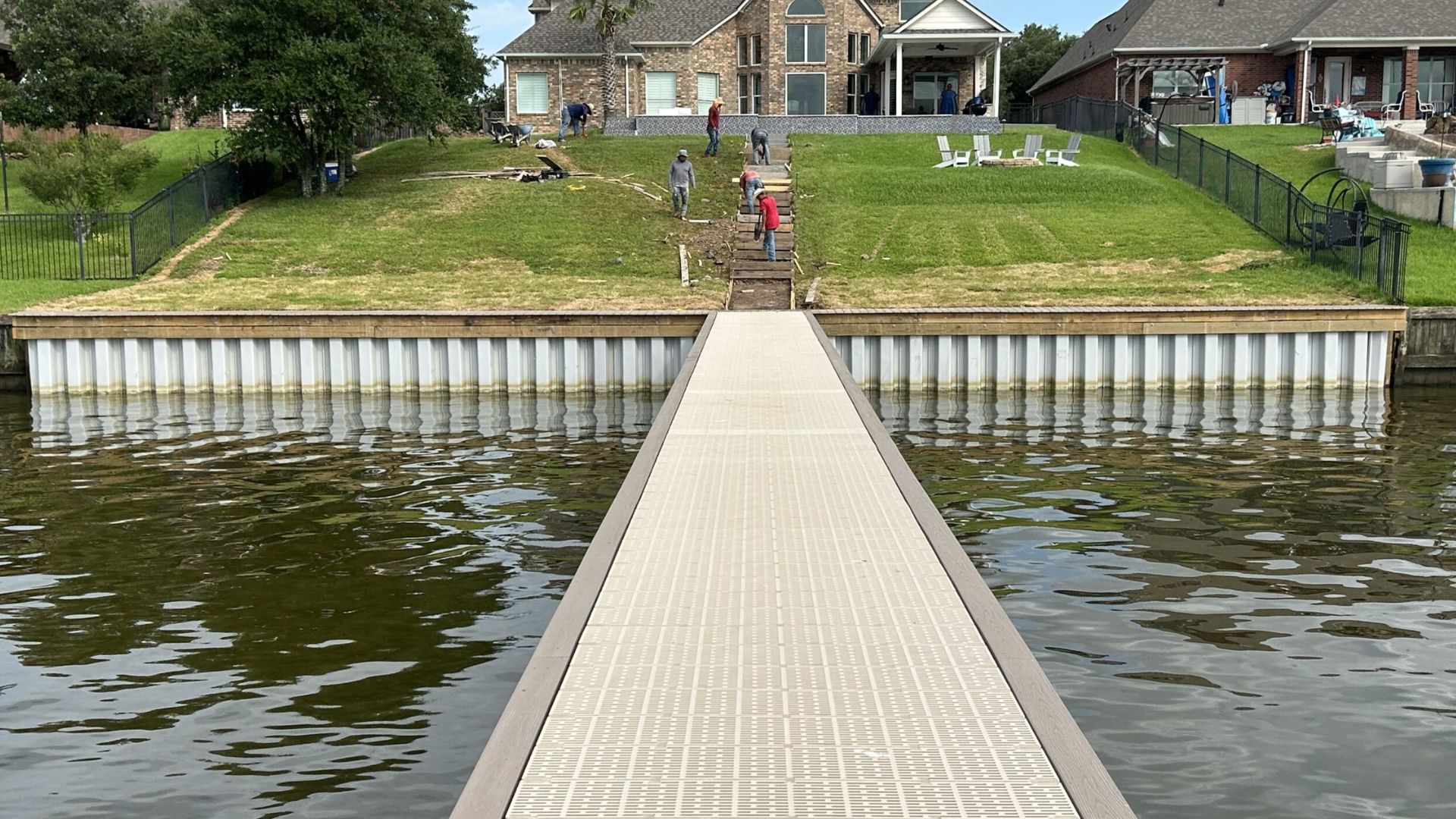
Residential and light commercial shorelines
Saltwater environments where corrosion is a concern
Projects prioritizing low maintenance
Pros | Cons |
|---|---|
Corrosion- and rot-resistant | Lower stiffness than steel |
Lightweight and easier to handle | Limited capacity for high-load or deep-water applications |
Lower maintenance requirements | May require closer tieback spacing or thicker sections |
Best use case: Residential or light commercial projects where longevity and low maintenance outweigh extreme structural demands.
Choosing the right bulkhead system matters. TorcSill offers custom marine piling and sheet piling solutions designed to withstand saltwater exposure and tidal forces, giving you structural confidence in any coastal environment.
Site Assessment & Engineering Design
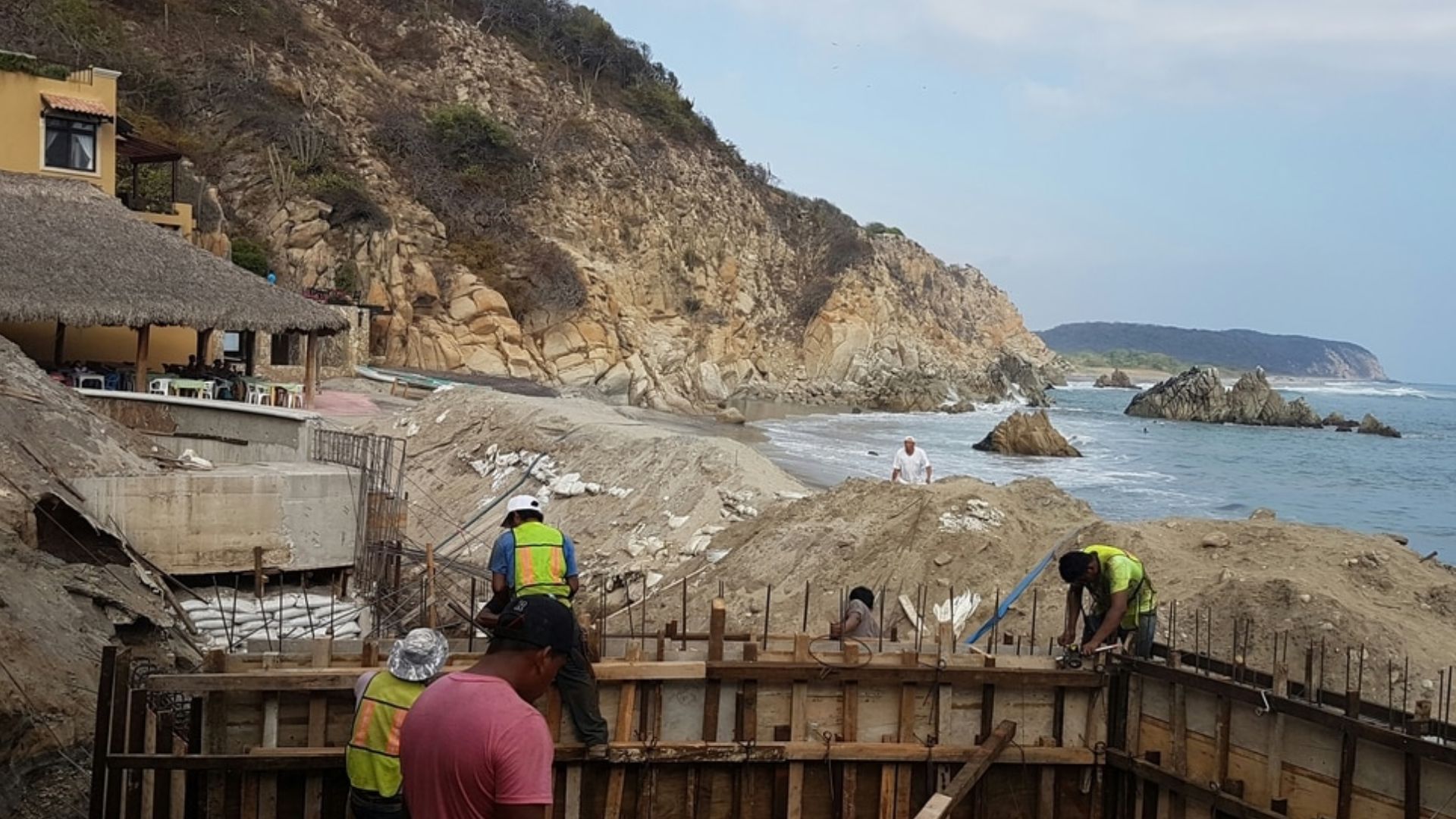
Effective bulkhead performance starts with a disciplined site assessment and a design that responds to real coastal forces, not assumptions. This phase determines whether a bulkhead will perform reliably for decades or become a recurring maintenance problem.
Key Site Factors
Understanding the physical and environmental conditions at the shoreline is the foundation of any successful bulkhead design.
Soil Type and Subsurface Conditions: Coastal soils often include loose sands, soft clays, organics, or undocumented fill, each affecting bearing capacity and lateral resistance. These conditions dictate wall type, embedment depth, and whether anchoring or ground improvement is required.
Wave and Tide Dynamics: Wave energy, tidal range, and vessel activity control external loading on the bulkhead. Designs must consider daily water-level changes as well as extreme storm and surge conditions that often govern structural requirements.
Water Table Conditions: A high or fluctuating water table increases hydrostatic pressure behind the wall and elevates the risk of piping or blowouts. Groundwater behavior should inform drainage design and backfill selection.
Storm Exposure: Shorelines exposed to hurricanes, nor’easters, or long fetch conditions require higher safety margins. Storm exposure often drives decisions on wall height, toe protection, and the use of hybrid stabilization systems.
Structural Engineering Considerations
Structural design ensures the bulkhead can safely resist applied loads while maintaining long-term stability and serviceability.
Stability and Embedment Depth: Proper embedment is essential to resist overturning, sliding, and global instability. Depending on soil strength and wall height, bulkheads may function as cantilevered systems or require anchors to reduce bending stresses.
Drainage and Hydrostatic Pressure Control: Effective drainage reduces forces acting on the wall and prevents sudden failures. Free-draining backfill, filter fabric, and relief systems must be coordinated with structural design.
Surcharge Loads: Loads from vehicles, buildings, equipment, or storage areas behind the wall can significantly increase structural demand. Even light surcharges must be explicitly accounted for in design calculations.
Freeze–Thaw Effects: In colder climates, freeze–thaw cycles can degrade backfill and exert additional pressures on the wall. Material selection and drainage design play a key role in minimizing seasonal movement and damage.
Bulkhead Construction Process
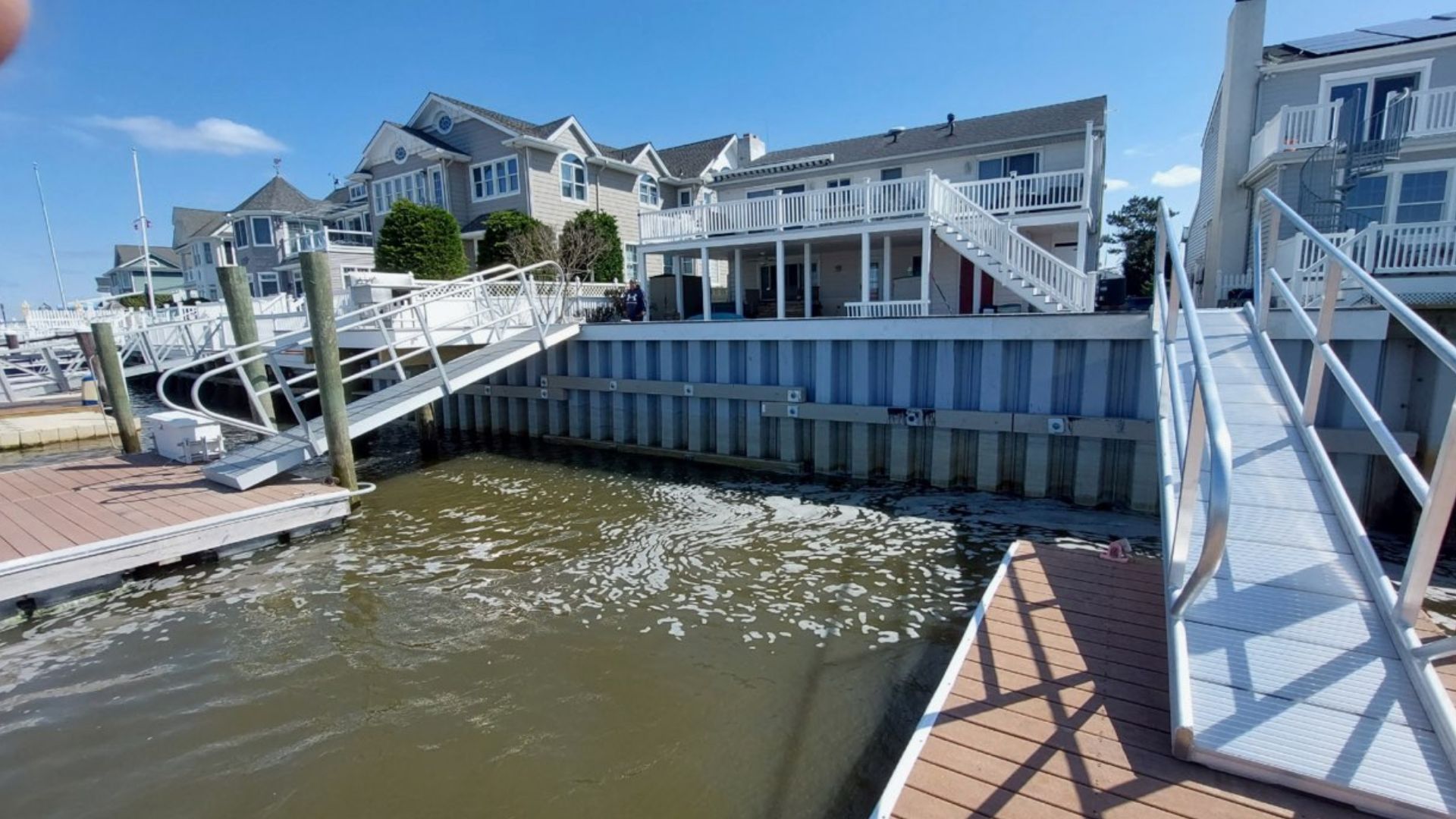
Bulkhead construction is a tightly sequenced process where mistakes early in the field can compromise long-term performance. A clear workflow helps control risk, maintain compliance, and keep the project on schedule.
Pre-Construction Preparations
Strong preparation minimizes delays, redesigns, and costly field changes once construction begins.
Surveys and layout: Boundary, topographic, and hydrographic surveys establish wall alignment, elevations, and tie-back locations. Accurate layout is critical for maintaining property limits and structural geometry.
Utility verification: Subsurface utility checks identify existing water, sewer, electrical, and communications lines that could conflict with pile driving or anchors.
Erosion and sediment control planning: Turbidity curtains, silt fencing, and construction sequencing are planned to meet permit conditions and protect adjacent waterways during work.
Installation Workflow
Bulkhead construction typically follows a defined sequence to ensure stability at each stage.
Clearing and grading
Vegetation, debris, and unstable soils are removed. Shoreline grades are prepared to allow equipment access and proper wall alignment.Pile driving or wall installation
Sheet piles (steel, vinyl, composite) or timber piles are driven to design depth using vibratory or impact hammers.
Alignment and plumbness are monitored continuously to avoid cumulative wall movement.
Tie-backs and anchoring systems
Anchors, deadmen, or anchor piles are installed and connected to the wall to resist lateral earth pressures. Load testing or verification is often performed before backfilling.Drainage system installation
Filter fabric, drainage boards, weep holes, and granular backfill are placed to relieve hydrostatic pressure and prevent soil migration.Backfill placement and compaction
Backfill is placed in controlled lifts and compacted to specified densities. Poor compaction at this stage is a common cause of future settlement and wall movement.Cap installation and finish work
Caps, wales, and protective finishes are installed, followed by final grading and site restoration.
Technology and Equipment
Modern tools and equipment improve accuracy, safety, and constructability, especially in challenging coastal environments.
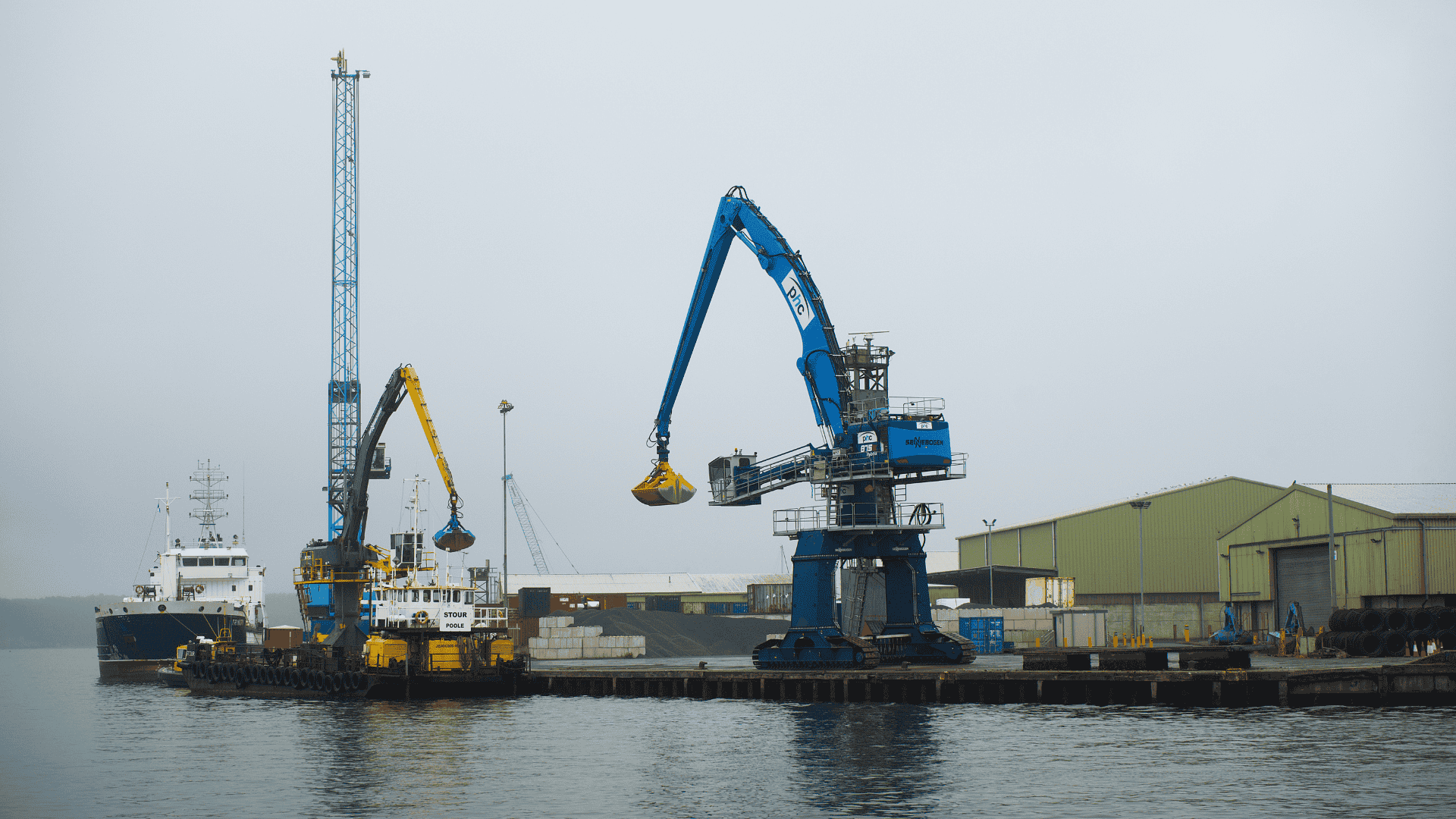
Barge-mounted equipment: Cranes, pile drivers, and excavators mounted on barges enable construction in deep water or where land access is limited.
Specialized pile driving systems: Vibratory hammers reduce noise and installation time, while press-in systems may be used in sensitive or urban settings.
Advanced soil analysis and monitoring: Instrumentation, settlement monitoring, and real-time data collection help verify design assumptions and control deformation during construction.
Bulkhead construction is not just about driving piles; it’s a coordinated process where preparation, sequencing, and quality control directly determine performance, durability, and regulatory compliance.
Simplify your waterfront construction with TorcSill’s marine engineering expertise, including waterside helical piles and specialized rig installations that minimize disruption and accelerate schedules.
Maintenance, Inspection & Longevity
A bulkhead’s service life depends as much on maintenance as on original design and construction. Regular inspections and timely repairs can extend performance by decades and prevent sudden, costly failures.
Routine Inspection Schedule
Consistent inspections help identify small issues before they escalate into structural problems.
Recommended frequency: Every 3–5 years, with additional inspections after major storms or flooding events.
What inspections should include: Visual alignment checks, surface condition review, drainage performance, and signs of soil loss behind the wall.
Documentation: Photographs and inspection notes establish a baseline for tracking movement, corrosion, or deterioration over time.
Common Issues to Monitor
Most bulkhead failures begin with visible warning signs that are often overlooked.
Corrosion: Steel components, tie rods, and connectors are especially vulnerable in saltwater and splash zones if protective systems degrade.
Rot and biological damage: Timber elements may deteriorate due to moisture exposure or marine borers.
Scour at the base: Loss of supporting material at the toe can undermine embedment and trigger wall rotation or collapse.
Tie-back failures: Corroded or overstressed anchors reduce lateral resistance and often present as wall bowing or cracking caps.
Cracking and spalling: Concrete walls may develop cracks or surface loss that expose reinforcement and accelerate deterioration.
Repair vs. Replacement
Not all bulkhead issues require full replacement, but delaying the right decision increases risk.
Repair Is Typically Appropriate When | Full Replacement Is Often Necessary When |
|---|---|
Damage is localized, and structural capacity remains intact | The wall has rotated, settled, or lost embedment |
Corrosion or rot is superficial and accessible | Anchoring systems have failed or are inaccessible |
Drainage or toe protection can be restored without wall movement | Material degradation compromises overall structural integrity |
Routine inspection and proactive maintenance are the most cost-effective ways to maximize bulkhead lifespan.
Common Challenges and How to Avoid Them
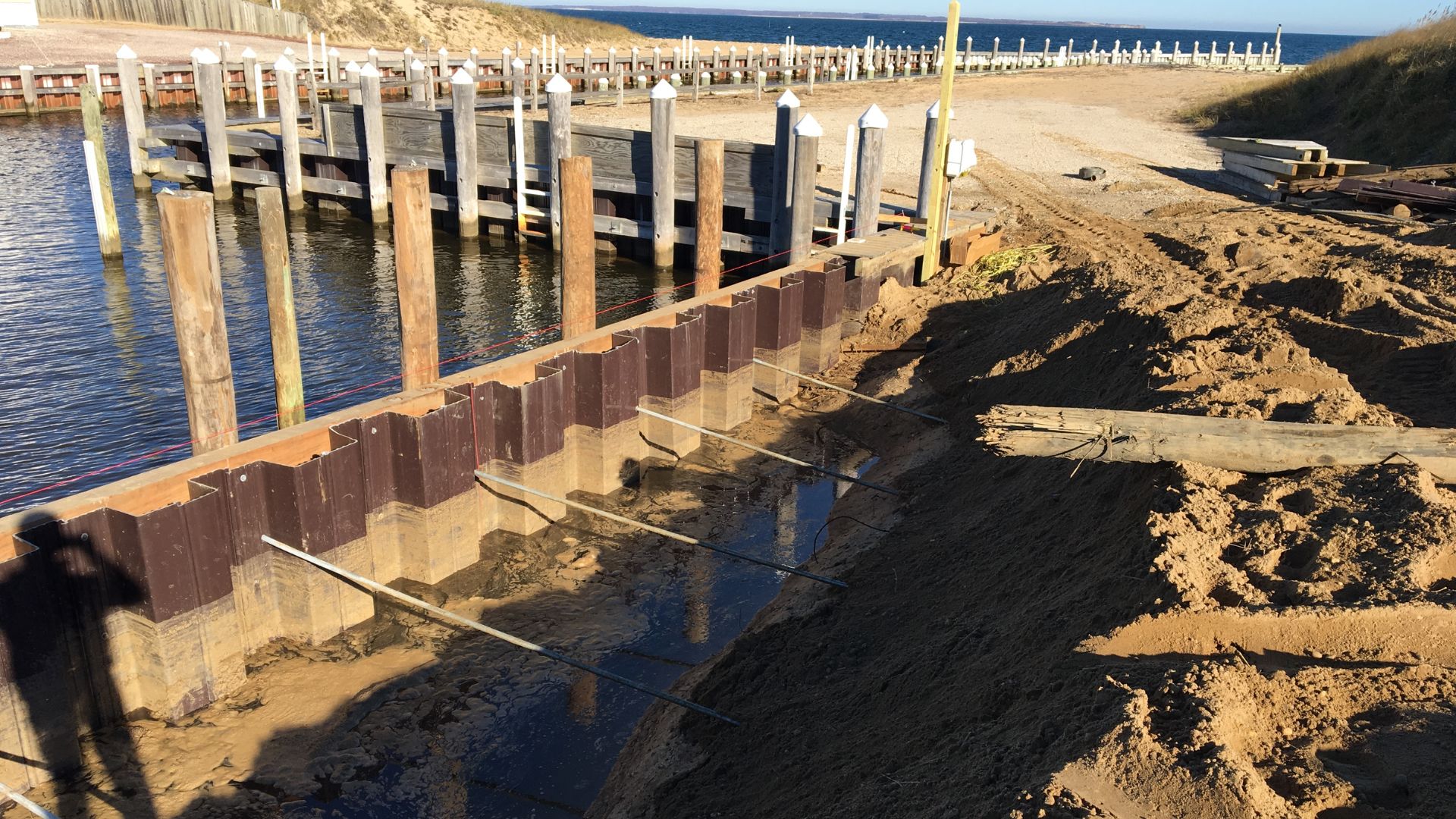
Many bulkhead failures stem from avoidable design and construction errors rather than extreme coastal events. Addressing these challenges early improves durability, safety, and life-cycle performance.
Common Challenge | Why It Causes Problems | How to Avoid It |
|---|---|---|
Poor drainage design | Traps hydrostatic pressure behind the bulkhead, leading to bowing, cracking, or sudden wall failure | Use free-draining backfill, properly sized weep systems, and filter layers to relieve water pressure |
Inadequate embedment depth | Reduces resistance to overturning and sliding, especially during storms or high water levels | Base embedment on geotechnical data, account for toe scour, and verify pile depth during installation |
Corrosion and material degradation | Accelerates loss of structural capacity in marine environments | Select materials suited to salinity and exposure, specify corrosion protection, and plan routine inspections |
Construction sequencing mistakes | Introduces loads before the wall is fully supported, causing misalignment or overstress | Follow the engineered construction sequence, install anchors and drainage before full backfilling, and maintain field oversight |
Most bulkhead failures are preventable. Addressing these common challenges during design and construction significantly improves long-term performance and reduces costly repairs.
How TorcSill’s Marine Foundation Solutions Support Bulkhead & Seawall Projects
TorcSill provides marine-specific foundation and seawall stabilization solutions designed to strengthen existing bulkheads and support new waterfront structures, with an emphasis on waterside access, reduced disturbance, and long-term performance.
Efficient Seawall Repair & Installation: TorcSill Marine’s seawall remediation and installation services work from the water side with a minimally invasive process that preserves landscaping and existing shore features while repairing or strengthening bulkheads and seawalls.
Waterside Product Suite: Their services include supplemental and custom tiebacks and stainless-steel products designed for both new installations and reinforcing existing seawalls (bulkheads), helping improve lateral resistance and structural integrity.
Faster & Cost-Effective Installation: TorcSill Marine emphasizes installations that can be completed in 1–2 business days from the waterside, helping reduce disruption and potentially decrease overall project cost and schedule compared with traditional shore-side excavation and support methods.
Extended Service Life: By preserving the existing wall and stabilizing failing sections early, TorcSill’s approach can extend the life of a seawall or bulkhead by up to 20 years, a valuable complement to routine maintenance and inspection practices recommended in this guide.
Corrosion Protection: Anchors used in TorcSill Marine systems are protected with ArmorGalv® corrosion-resistant coatings, offering durability in saltwater environments, a key consideration for longevity in coastal bulkhead projects.
Broad Application Range: Their marine services serve residential, commercial, golf course, and marina shorelines, aligning well with the diverse shoreline settings bulkheads often protect.
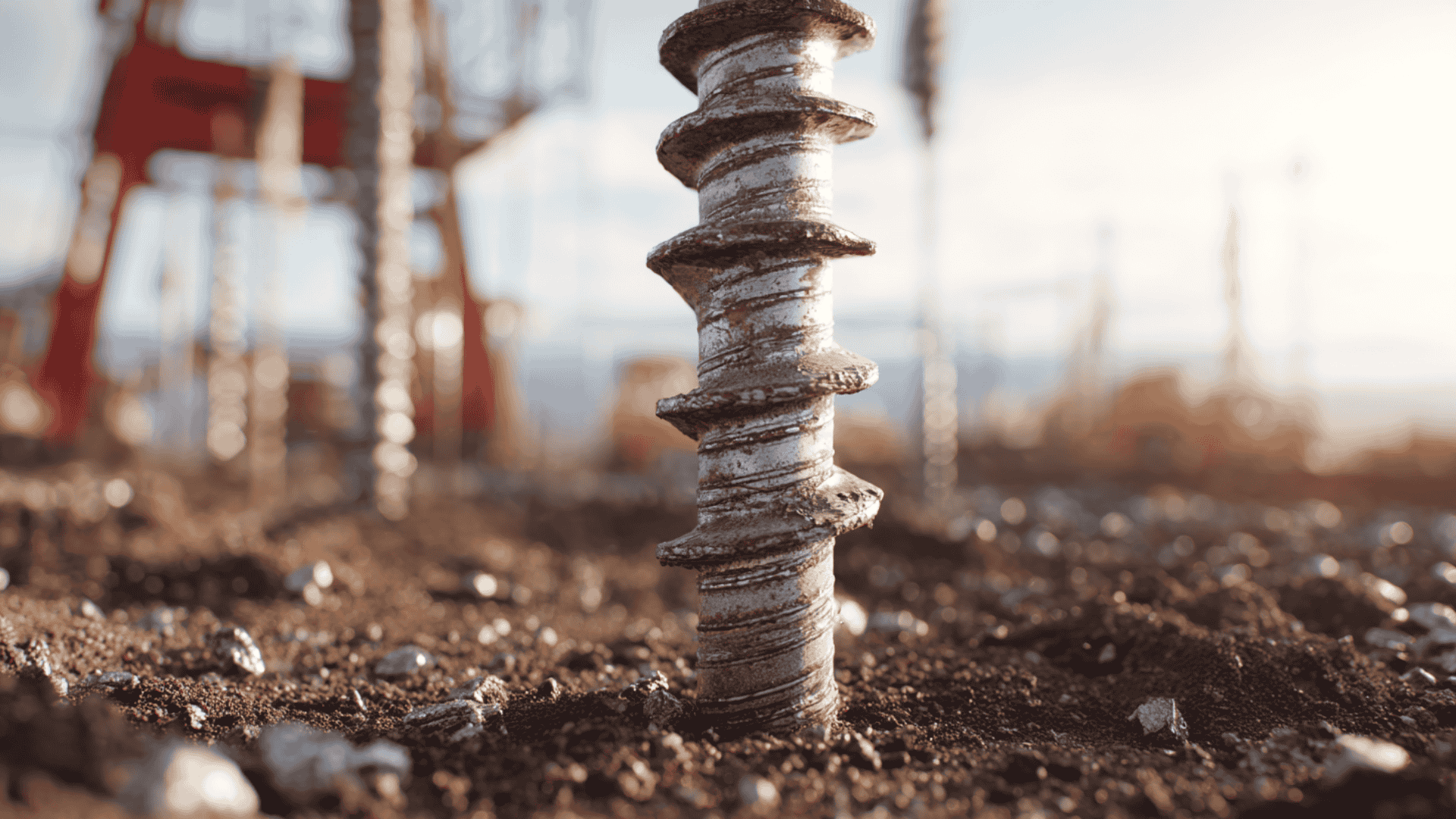
Explore TorcSill’s marine foundation systems to see how their engineered helical solutions and seawall stabilization products may fit into your waterfront project planning and execution.
Conclusion
Resilient waterfront bulkheads depend on getting the fundamentals right, site-specific design, appropriate materials, sound engineering, regulatory awareness, and proactive maintenance. Projects that account for soil conditions, water forces, corrosion exposure, and future coastal change consistently outperform those driven by short-term cost alone.
For bulkhead and seawall projects that require dependable anchoring, stabilization, or marine foundation support in challenging coastal soils, working with experienced specialists can reduce risk and extend service life. TorcSill provides marine seawall and foundation solutions designed specifically for waterfront environments.
Planning a new bulkhead or reinforcing an existing seawall? Contact TorcSill to explore marine foundation and stabilization solutions aligned with long-term coastal performance and durability goals.
Frequently Asked Questions (FAQ)
1. How long does a waterfront bulkhead typically last?
Bulkhead lifespan depends on material, design, and maintenance. Timber walls may last 10–25 years, while steel, concrete, and composite systems can perform for 40–75+ years when properly designed and maintained.
2. When is a bulkhead required instead of a living shoreline?
Bulkheads are typically required where space is limited, loads are high, or a vertical shoreline edge is necessary for access, navigation, or infrastructure protection. Many projects must still evaluate softer or hybrid options during permitting.
3. Can existing bulkheads be reinforced instead of replaced?
In many cases, yes. Localized repairs, improved drainage, or supplemental anchoring can restore stability if the wall has not experienced major rotation or loss of embedment.
4. What causes bulkheads to fail prematurely?
Common causes include poor drainage, inadequate embedment depth, corrosion of structural components, and construction sequencing errors. Most failures are preventable with proper engineering and inspections.
5. How often should bulkheads be inspected?
Routine inspections are recommended every 3–5 years, with additional checks after major storms. Early identification of corrosion, scour, or movement can significantly extend service life.