Choosing the wrong repair method can make this worse. Sealing a wall without addressing drainage or foundation issues often traps water, increases pressure, and accelerates failure instead of stopping it.
The risk is growing. Around 40% of the world’s population lives within 100 km of the coast, and a global satellite study published in Nature Climate Change found that about 24% of sandy beaches worldwide are actively eroding. As coastal pressure increases, seawall repairs must be method-specific and failure-aware, because a poorly chosen fix can shorten a wall’s lifespan rather than extend it.
Key Highlights
Seawall failure is usually multi-factor, driven by erosion, hydrostatic pressure, tidal forces, corrosion, and aging materials, not just visible cracks.
Repair vs. replacement depends on structural integrity, with minor cracking and localized damage being repairable, while leaning walls, deep cracks, and foundation failure typically require full replacement.
Choosing the right repair method is critical, as techniques like patching, anchoring, grouting, and drainage upgrades each solve different problems and fail when applied incorrectly.
Common repair mistakes come from misdiagnosis, such as ignoring subsurface erosion, using cosmetic fixes for structural issues, or overlooking marine exposure effects.
TorcSill enhances long-term seawall performance with engineered helical piles, anchoring systems, soil stabilization, and marine-grade solutions that address root causes rather than surface symptoms.
What Causes Seawall Damage and Failure?
Seawall failures are rarely the result of a single defect. Most occur when multiple structural and environmental stressors compound over time, gradually reducing the wall’s ability to resist lateral and vertical forces. Understanding these causes is critical to diagnosing problems correctly and selecting a repair method that actually works.
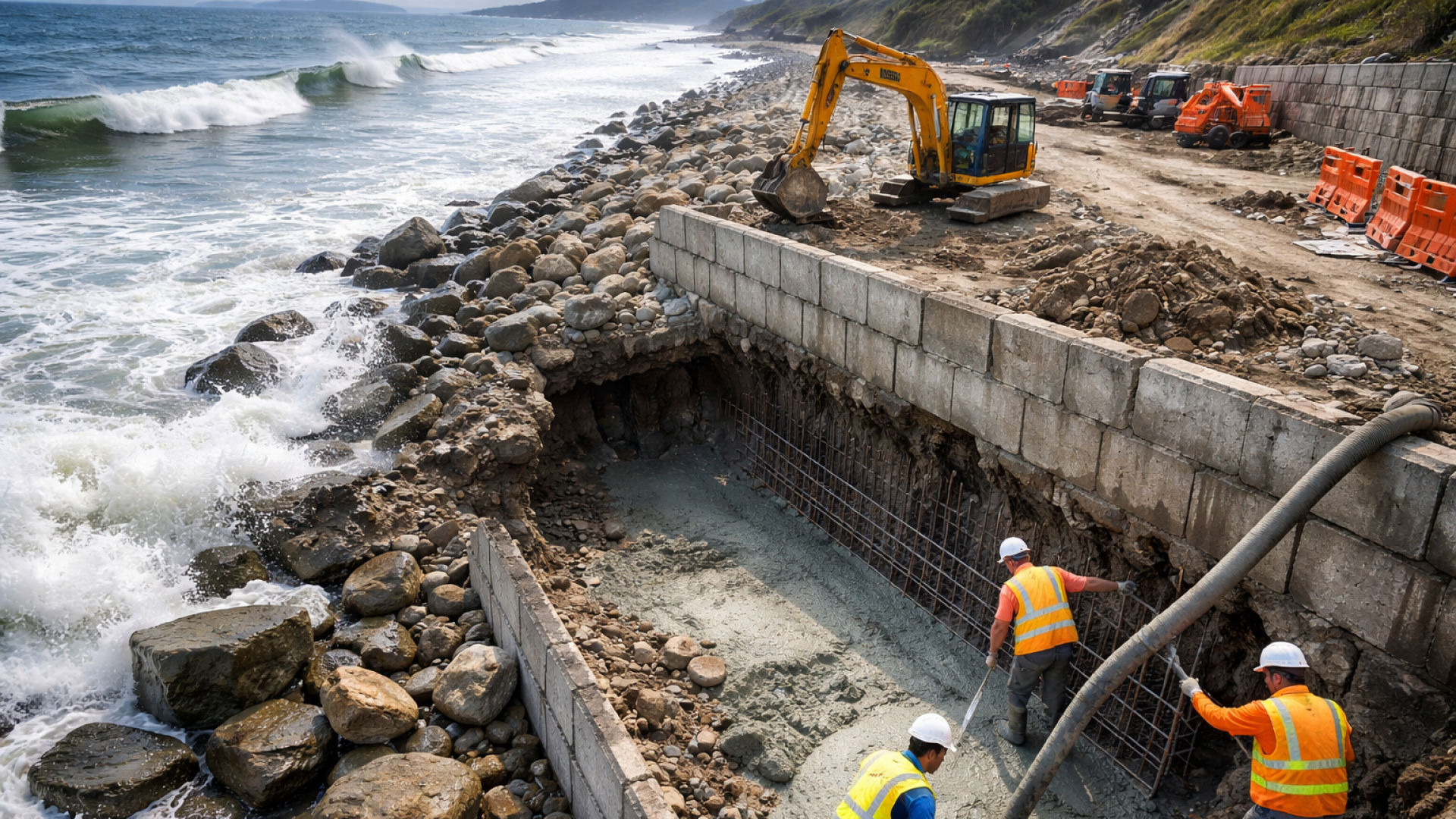
Soil Erosion and Loss of Backfill: Erosion is one of the most common and dangerous failure drivers. Wave action, tidal currents, and storm surge can wash out soil at the toe of the wall or pull fine particles from behind it. As backfill is lost, the wall loses passive support, leading to settlement, tilting, cracking, or complete overturning.
Hydrostatic Pressure Buildup: When water infiltrates the soil behind a seawall and cannot drain properly, hydrostatic pressure builds. This pressure significantly increases the lateral load on the structure. Walls without functional weep holes, drainage layers, or relief systems are especially vulnerable, often showing horizontal cracking or outward bowing before failure.
Tidal Forces and Wave Impact: Daily tidal cycles and wave energy apply repeated dynamic loading to seawalls. Over time, this constant loading fatigues materials, widens existing cracks, and accelerates scour at the base. During storms, short-term wave forces can exceed what the wall was ever designed to handle, especially for older structures.
Corrosion of Steel Reinforcement: In reinforced concrete seawalls, saltwater intrusion leads to corrosion of steel rebar. As steel corrodes, it expands, causing internal cracking and concrete spalling. This not only weakens the wall structurally but also opens new pathways for water intrusion, accelerating deterioration.
Aging Materials and Poor Original Design: Many seawalls were built decades ago using outdated design assumptions, lower-quality materials, or minimal drainage considerations. Over time, material fatigue, freeze–thaw cycles, and chemical exposure degrade performance.
Effective seawall repair starts with identifying which of these forces is driving the damage. Treating surface symptoms without addressing underlying causes often shortens the wall’s remaining service life instead of extending it.
When Seawall Repair Is Possible/When Replacement Is the Better Option
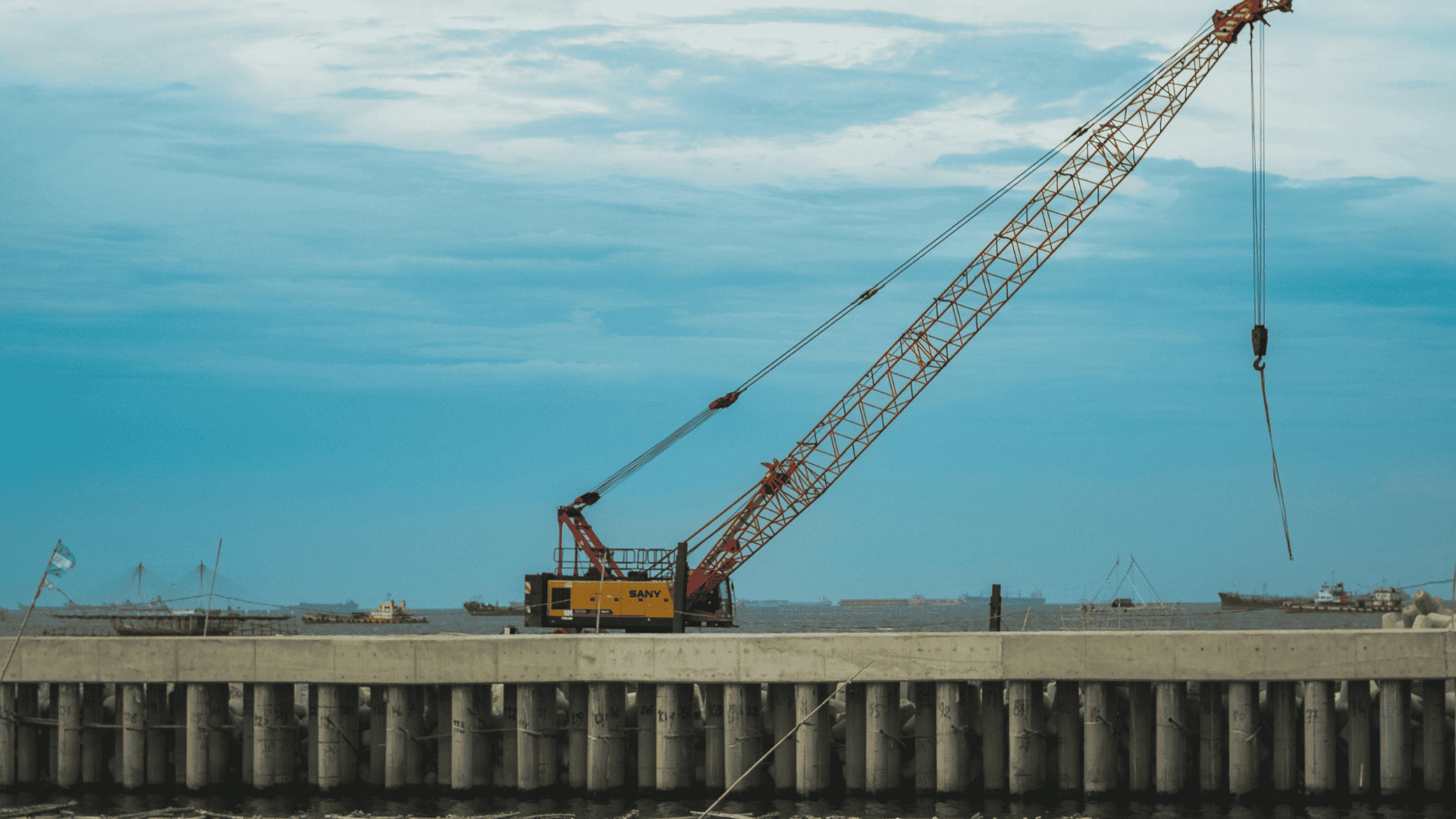
Not every damaged seawall needs to be torn out, but not every wall can be saved either. The key is distinguishing surface-level deterioration from structural compromise. Making the wrong call can waste money and shorten the lifespan of the shoreline protection.
When Seawall Repair Is a Viable Option
Repair is typically appropriate when the wall’s primary structural system is still intact, and damage is localized rather than systemic. Common indicators include:
Minor cracking with no active movement or displacement
Limited backfill loss that can be stabilized and re-compacted
Functional foundation and toe with minimal scour
Deterioration confined to the surface (spalling, joint failure, seal loss)
Drainage issues that can be corrected without rebuilding the wall
In these cases, targeted repairs, combined with improved drainage and soil stabilization, can restore performance and extend service life.
Structural Red Flags That Point to Replacement
Replacement becomes the safer and more cost-effective choice when core load-resisting components are compromised. Warning signs include:
Significant wall rotation, leaning, or horizontal displacement
Deep or widening cracks that indicate active structural movement
Extensive foundation or toe failure from long-term erosion
Severe corrosion of reinforcement or tieback systems
Repeated repairs that fail within short timeframes
At this stage, repairs often treat symptoms rather than causes, increasing the risk of sudden or catastrophic failure.
Professional inspections are essential to making the repair-versus-replace call. Engineers evaluate soil conditions, drainage performance, material integrity, and structural alignment, often using probes, test pits, and non-destructive testing. Load assessments then compare current conditions against design demands, including hydrostatic pressure, soil loads, and wave forces.
If the wall can safely carry these loads with reasonable intervention, repair makes sense. If not, replacement allows the structure to be rebuilt to modern standards and site-specific conditions.
5 Key Factors That Influence Seawall Repair Method Selection
There is no universal fix for seawall damage. The right repair method depends on a combination of structural, environmental, and practical factors. Ignoring any one of these can lead to a repair that underperforms or fails prematurely.
1. Seawall Material
The wall’s construction material largely dictates which repair techniques are feasible. Concrete seawalls may allow for crack injection, surface restoration, or structural strengthening, while steel sheet piles often require corrosion control or section reinforcement. Timber seawalls face biological decay and fastener failure, limiting repair options, and vinyl systems are typically repaired by stabilizing soil and anchors rather than the wall face itself.
2. Water Exposure: Saltwater vs. Freshwater
Saltwater environments accelerate corrosion, chemical attack, and material degradation. Repairs in marine settings must account for chloride intrusion, tidal cycling, and wave energy, often requiring higher-grade materials and protective coatings. Freshwater seawalls generally experience slower material degradation but can still suffer from freeze-thaw damage and fluctuating water levels.
3. Degree of Erosion and Settlement
Surface damage alone may be repairable, but significant erosion at the toe or settlement behind the wall changes the equation. Loss of supporting soil increases structural demand and often requires ground stabilization, backfill replacement, or foundation reinforcement in addition to wall repairs.
4. Access Constraints: Marine vs. Land-Based Repair
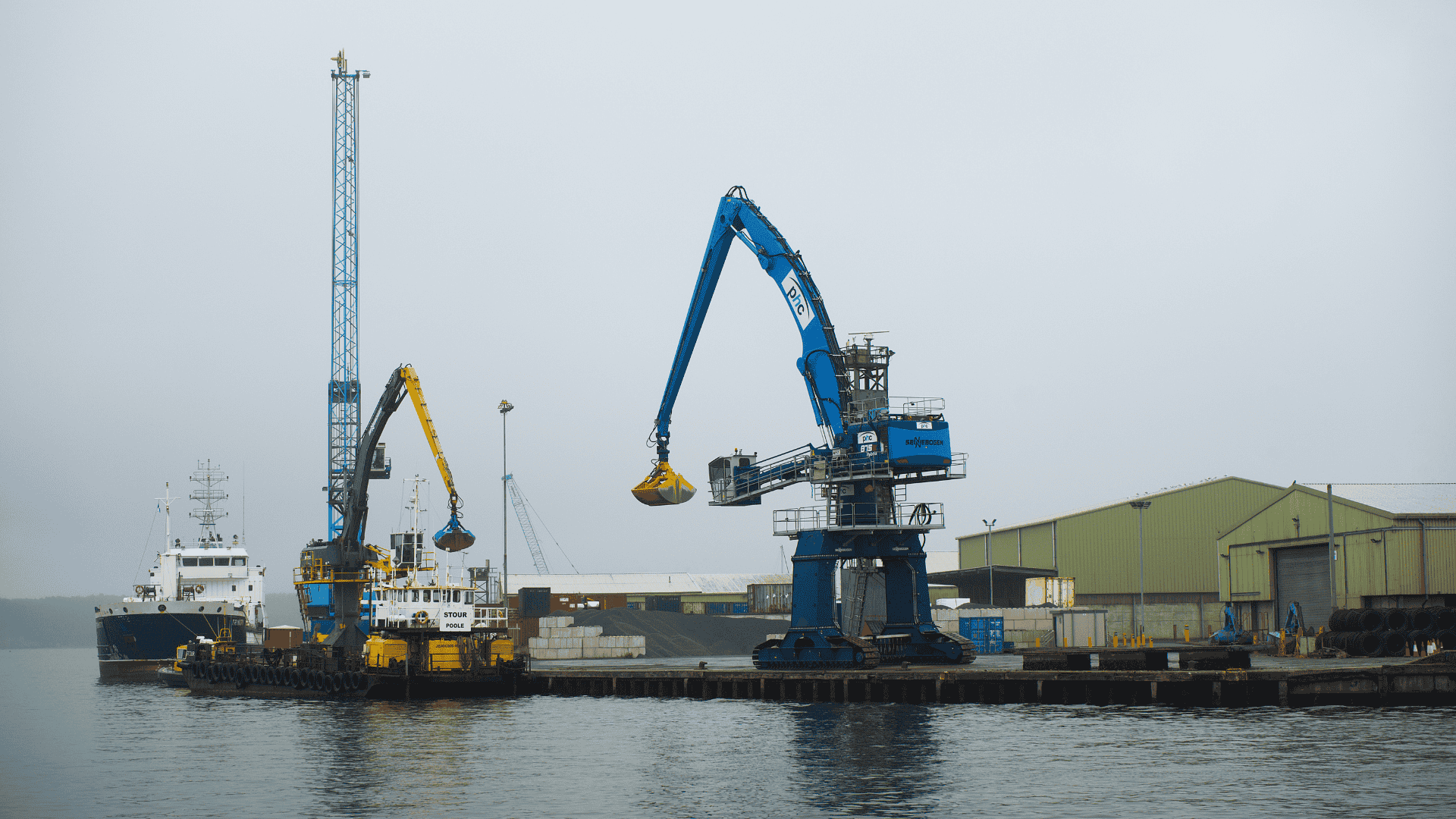
Access affects both feasibility and cost. Land-based repairs are typically simpler and less expensive, while marine-access repairs may require barges, divers, or specialized equipment. These constraints can limit repair options and influence scheduling, permitting, and overall project complexity.
5. Budget and Long-Term Maintenance Goals
Short-term budget constraints often favor localized repairs, but long-term performance should drive the final decision. Some methods offer lower upfront cost but higher maintenance, while others require more investment upfront but significantly extend service life. Aligning the repair approach with ownership goals, temporary stabilization versus long-term protection, is critical.
Every seawall is unique. Get an evaluation from TorcSill experts to match the best repair method, whether tiebacks, soil stabilization, or waterside installation, to your site conditions.
Seawall Repair Methods Explained
Seawall repair methods range from localized surface treatments to full structural reinforcement systems. Each technique solves a specific problem and fails when applied outside its intended purpose. Understanding what each method actually does is essential to selecting a repair that performs long-term.
1 Concrete Patching and Crack Repair
Concrete patching restores damaged areas by sealing cracks and replacing deteriorated material. It is commonly used to limit water intrusion and slow surface-level decay.
Best for: Surface deterioration, hairline to moderate cracking, localized spalling
How it works
Cracks are cleaned and sealed using epoxy or polyurethane materials
Spalled or delaminated concrete is removed and replaced
Surface coatings may be added for protection
Pros
Low upfront cost
Quick installation with minimal site disruption
Improves esthetics and slows further surface damage
Cons
Does not address soil loss, drainage issues, or structural movement
Short service life if the underlying causes remain untreated
2. Seawall Tieback and Anchor Repair
Tiebacks and anchors stabilize seawalls by transferring lateral forces into competent soil behind the wall, restoring structural balance.
Best for: Leaning walls, lateral displacement, reduced structural capacity
How it works
New anchors or tiebacks are installed through or attached to the wall
Loads are redistributed away from the failing face
Often combined with backfill stabilization and drainage improvements
Pros
Addresses the root cause of lateral movement
Significantly extends seawall lifespan
Restores structural safety and load resistance
Cons
More invasive than surface repairs
Requires land access behind the wall
Higher cost than patching or cosmetic fixes
3. Pressure Relief and Drainage Improvements
Drainage upgrades reduce the water pressure exerted on the wall, one of the most common contributors to cracking and rotation.
Best for: Walls affected by water buildup and hydrostatic pressure
How it works
Installation or clearing of weep holes
Addition of drainage layers and filter fabric
Controlled water discharge away from the structure
Pros
Reduces lateral loading on the wall
Improves the performance of existing repairs
Cost-effective when applied early
Cons
Ineffective if the wall has already lost structural capacity
Must be properly designed to prevent soil washout
4. Grouting and Soil Stabilization Behind Seawalls
Grouting fills voids created by erosion and washout, restoring soil continuity behind the wall.
Best for: Voids, sinkholes, and loss of backfill support
How it works
Cementitious or chemical grout is injected into voids
Stabilizes loose soil and eliminates cavities
Often paired with drainage or anchoring systems
Pros
Improves backfill support
Reduces risk of further settlement or sinkholes
Minimally disruptive compared to excavation
Cons
Does not repair cracks or structural damage in the wall itself
Effectiveness depends on soil conditions and grout design
5. Seawall Cap and Coping Replacement
The cap protects the wall by limiting water entry from above and shielding reinforcement near the surface.
Best for: Deteriorated or cracked wall tops
How it works
Damaged caps are removed and replaced
New caps may include improved reinforcement and water-shedding design
Pros
Prevents vertical water infiltration
Extends durability of the wall face
Improves safety and appearance
Cons
Primarily protective and cosmetic
Ineffective without addressing deeper structural issues
6. Sheet Pile or Panel Reinforcement Systems
This method installs a secondary retaining system either in front of or behind the existing seawall.
Best for: Walls with reduced load capacity or severe erosion exposure
How it works
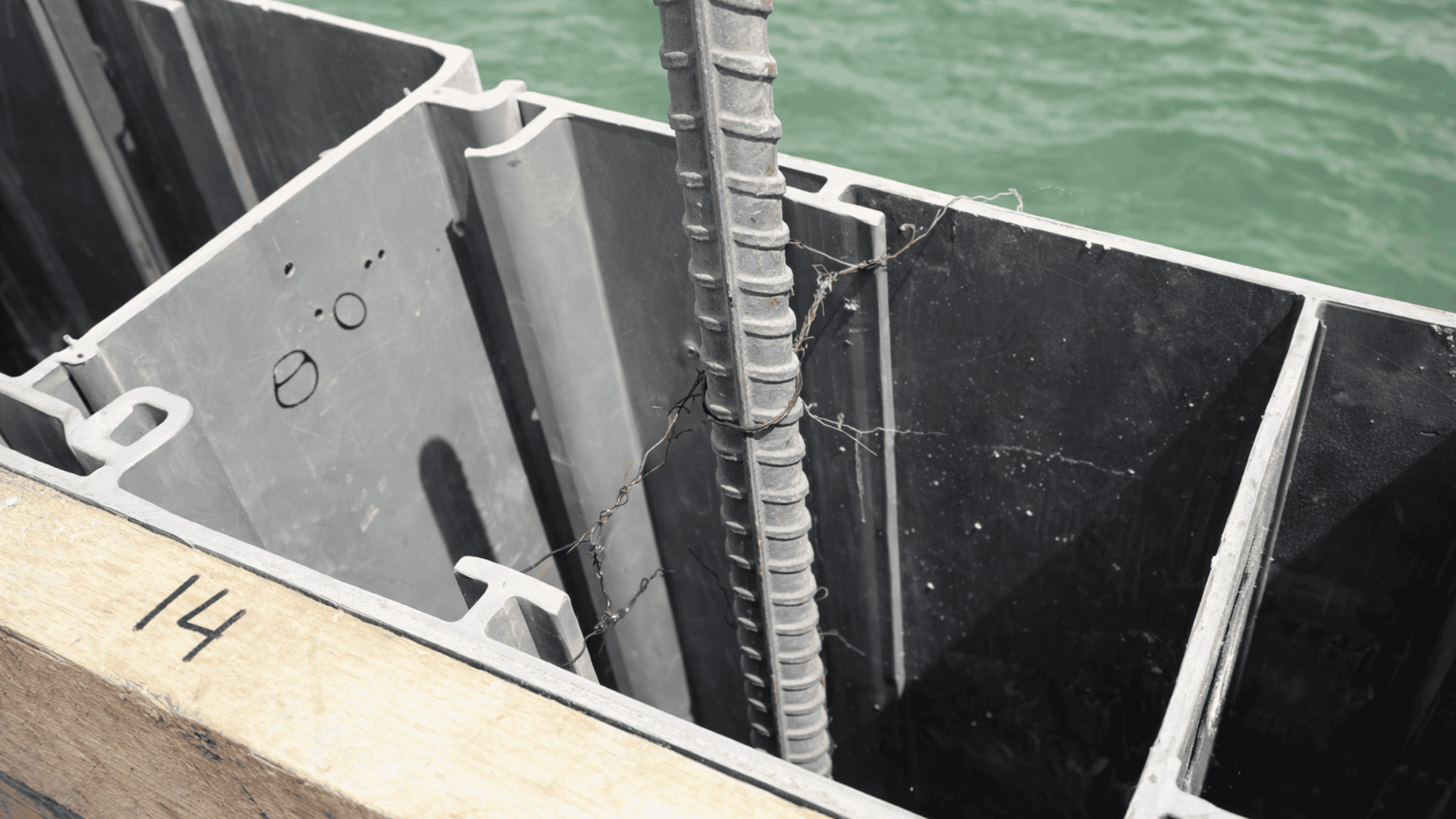
Steel, vinyl, or composite panels are driven into stable soil
The existing wall is relieved of part of its structural demand
Panels resist both soil pressure and wave energy
Pros
Significantly increases load resistance
Improves long-term erosion protection
Can avoid full demolition
Cons
Higher cost than localized repairs
Requires detailed engineering analysis and permitting
7. Hybrid Repairs Using Helical Anchors or Micropiles
Hybrid systems combine deep foundation elements with wall stabilization to restore capacity without removing the existing structure.
Best for: Structurally compromised walls where replacement is undesirable
How it works
Helical anchors or micropiles transfer loads to deeper, competent soil
Systems are customized to site conditions
Often used in limited-access or sensitive areas
Pros
High load capacity with minimal disturbance
Effective where conventional repairs fall short
Extends service life without full replacement
Cons
Specialized design and installation required
Higher upfront cost compared to basic repairs
No seawall repair method is universally “best.” The most successful projects pair the right technique with the specific failure mechanism, often combining multiple methods to achieve lasting performance.
Common Mistakes in Seawall Repair Projects
Most seawall repair failures are not caused by bad materials, but by misdiagnosis. Identifying hidden conditions, respecting marine exposure, and aligning repairs with structural reality are essential to achieving long-term performance.
Common Mistake | What Goes Wrong | Why It’s Risky | Better Approach |
|---|---|---|---|
Ignoring subsurface erosion | Repairs focus only on visible cracks or surface damage | Hidden soil loss continues, leading to settlement or sudden failure | Investigate backfill and toe conditions with probing, test pits, or geotechnical review |
Choosing cosmetic repairs for structural failures | Patching, caps, or coatings are used on leaning or moving walls | Masks symptoms without restoring load capacity | Match the repair method to the failure mechanism (anchors, reinforcement, stabilization) |
Skipping professional inspections | Decisions are based on visual assessment alone | Structural damage and drainage failures go undetected | Use qualified marine or geotechnical professionals to assess loads and conditions |
Underestimating marine exposure effects | Standard materials or methods are used in harsh environments | Accelerated corrosion, material degradation, and early repair failure | Specify marine-grade materials and designs suited to saltwater and tidal conditions |
Once you know where cash flow analysis can go wrong, the next step is using tools that help prevent these errors. This is where TorcSill’s capabilities become especially valuable.
How TorcSill Supports Seawall Repair and Stabilization
TorcSill provides engineered solutions specifically designed to address structural instability, soil loss, and long-term performance issues commonly associated with failing seawalls, using methods that avoid full replacement where possible.
TorcSill offers helical pile and anchoring systems used to stabilize seawalls by transferring loads into competent soil, helping correct leaning walls and resist lateral forces caused by erosion and hydrostatic pressure.
TorcSill specializes in marine and waterfront seawall solutions, with installation methods that can be performed from the water side, reducing disruption to properties, landscaping, and infrastructure behind the wall.
TorcSill’s systems are designed to extend the service life of existing seawalls, making them suitable for repair scenarios where structural capacity needs to be restored without demolition.
It also provides soil stabilization solutions that address backfill loss and voids behind seawalls, helping reduce erosion and improve overall wall support.
TorcSill emphasizes minimally invasive and environmentally conscious repair approaches, which can be advantageous in regulated coastal and tidal environments where extensive excavation is restricted.
These capabilities align closely with modern seawall repair strategies that focus on addressing root causes, such as soil instability and structural movement, rather than relying on cosmetic surface fixes alone.
Conclusion
Effective seawall repair is not about quick fixes; it’s about protecting structural integrity, managing risk, and controlling long-term costs. Surface repairs alone often fail when underlying issues such as erosion, hydrostatic pressure, or loss of load capacity remain unaddressed.
The most reliable solutions focus on stabilizing soils, restoring structural support, and selecting repair methods matched to site conditions and exposure. When chosen correctly, these approaches extend service life, reduce repeat repairs, and deliver better long-term value than cosmetic treatments.
If your seawall shows signs of movement, backfill loss, or declining performance, engineered stabilization may be the right next step. TorcSill provides specialized seawall and marine stabilization solutions designed for long-term protection. Contact TorcSill to evaluate your seawall and identify a repair strategy built to last.
FAQ
1. Are cosmetic seawall repairs enough to stop failure?
Cosmetic repairs can slow deterioration, but do not restore structural capacity. If the wall is moving or losing support, structural stabilization is required for long-term performance.
2. How long do seawall repairs typically last?
Longevity depends on the repair method and underlying conditions. Surface repairs may last only a few years, while structural repairs can extend a seawall’s life by decades when properly designed.
3. Can seawalls be repaired without full demolition?
Yes. Many seawalls can be stabilized using anchoring, soil stabilization, or reinforcement systems without removing the existing structure, depending on condition and access.
4. Do seawall repairs require permits?
In most coastal and tidal areas, permits are required, especially for in-water work. The scope of repair and environmental impact determines the level of regulatory review.
5. How does saltwater affect seawall durability?
Saltwater accelerates corrosion and material degradation. Repairs in marine environments must use materials and designs suited for high chloride exposure and tidal cycling.