Cracks in floors, walls that shift, or porches pulling away all trace back to unstable soil and foundation movement, problems that cost homeowners billions annually in repairs. Helical piers solve that by anchoring structures deep into load-bearing soil, making them a go-to solution for both new builds and foundation repair.
With foundation repair services reaching roughly $11.8B by 2025 and continuing to grow into 2026, understanding helical pier costs and trends is more important than ever. Current pricing heading into 2026 often falls roughly between $1,500–$4,000 per installed pier, but a range this wide means it pays to know what you’re getting quoted.
By the end, you’ll be equipped to make informed decisions without the guesswork.
Key Highlights
Although costs average $1,500–$4,000 per pier, the final price depends primarily on how deep the piers must go to reach load-bearing soil, the single biggest cost variable.
Typical stabilization needs 5–10 piers, pushing total project costs into the mid-five figures. Larger or heavier structures require more piers and higher-capacity steel.
Accurate pricing includes materials, installation labor, torque verification, engineering plans, soil testing, permits, and site restoration, which is why cheaper quotes often skip essential steps.
Tight crawlspaces, interior installations, rocky soils, and high torque resistance significantly increase labor hours, equipment use, and installation time, directly impacting total project cost.
TorcSill provides engineered layouts, high-capacity piles, consistent quality control, and immediate load capacity, making costs more predictable and performance more reliable, especially in challenging soils.
What Are Helical Piers?
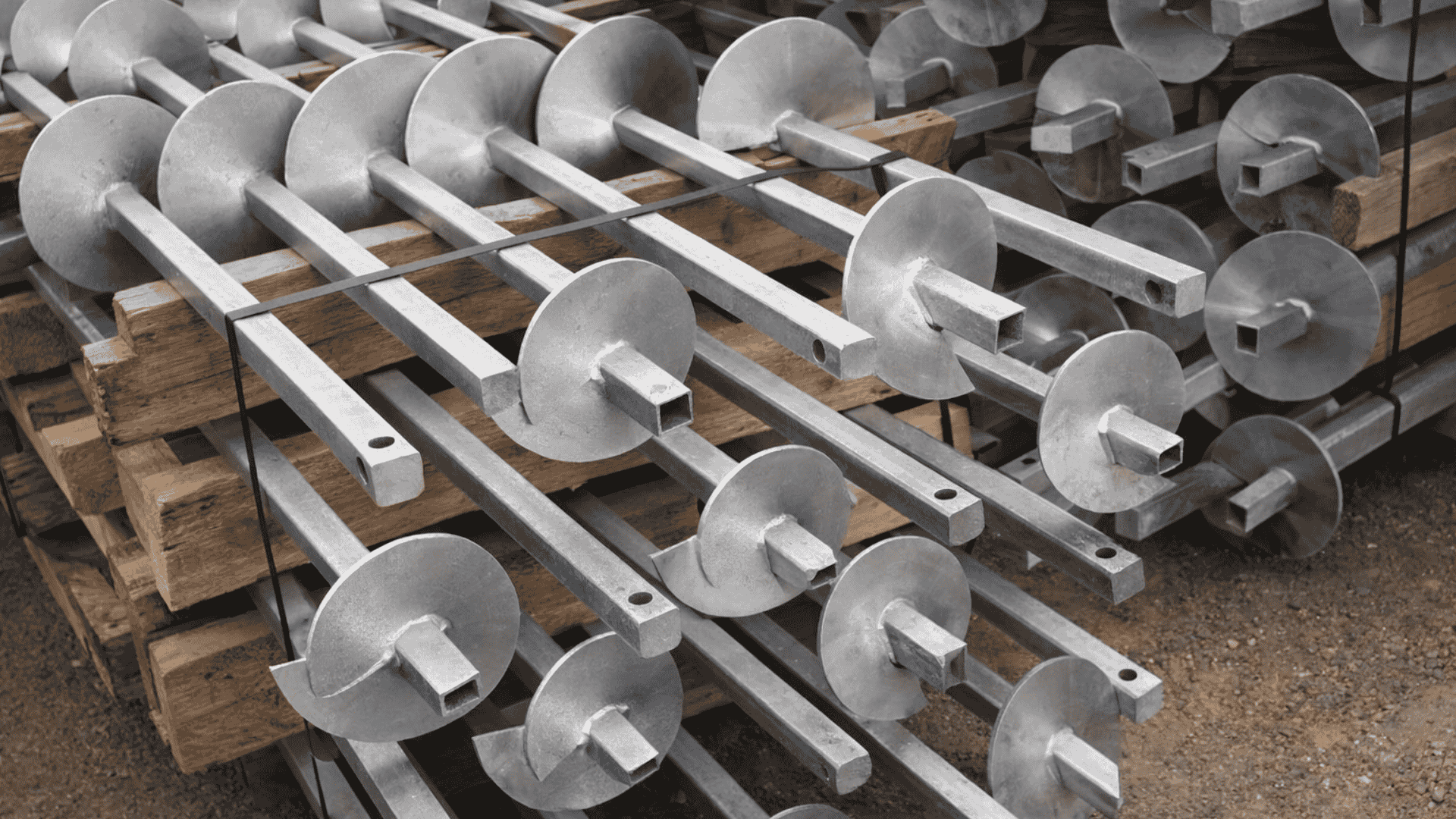
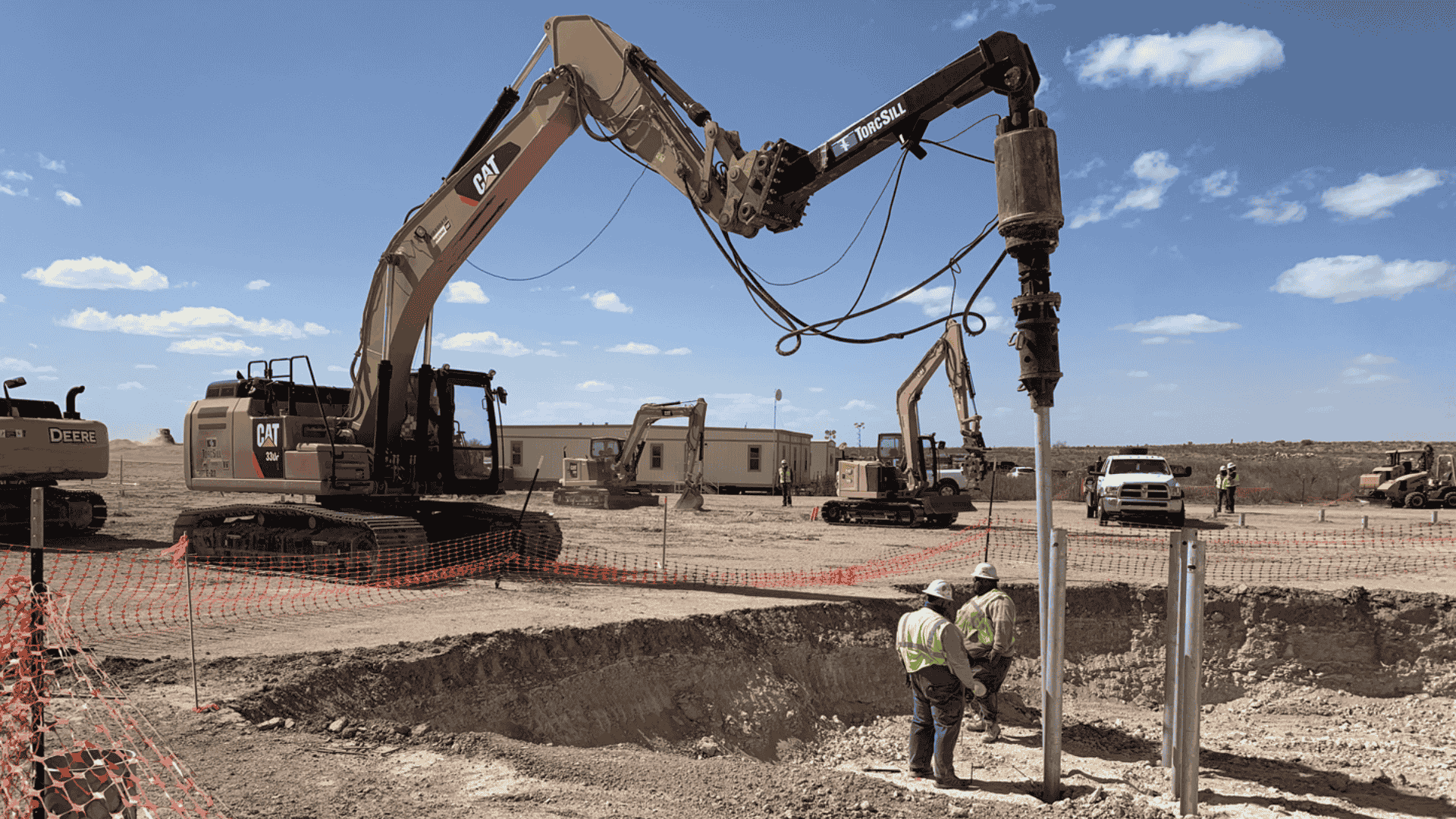
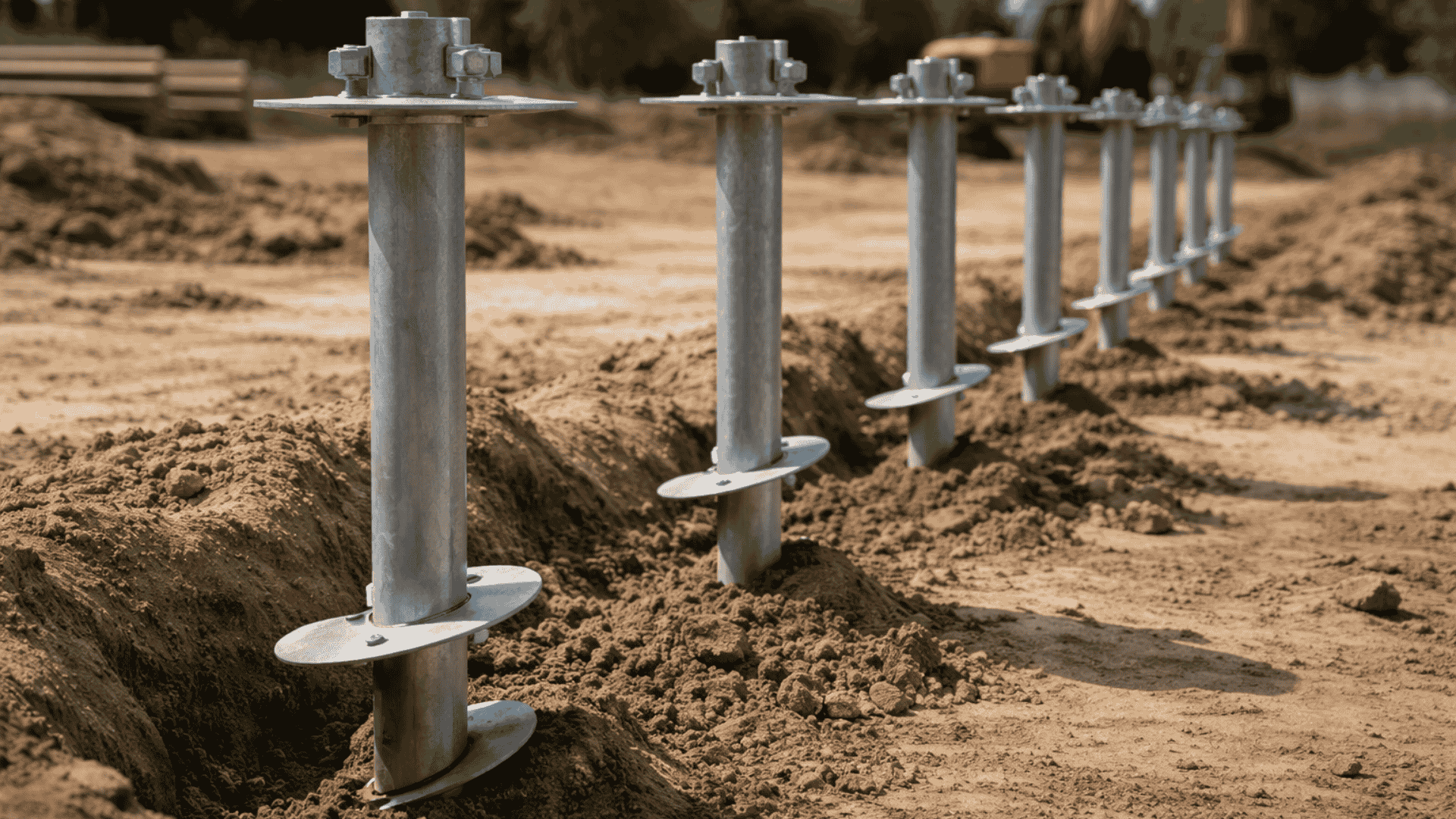
Helical piers are deep foundation systems designed to transfer structural loads from unstable surface soil to stronger, load-bearing layers below. They consist of steel shafts fitted with one or more helical (screw-shaped) plates welded near the bottom. During installation, the pier is mechanically rotated into the ground, much like a screw, until it reaches soil capable of supporting the required load.
Once installed, the pier can either stabilize an existing foundation or support new construction, providing immediate load-bearing capacity without the need for curing time.
Common Names
Helical piers are often referred to by several interchangeable names, including:
Screw piles
Torque anchors
While terminology varies by contractor or engineer, the system and function remain essentially the same.
Typical Applications
Helical piers are versatile and used across residential and commercial projects, including:
Home foundations – correcting settlement, lifting sunken slabs, or preventing future movement
Decks and porches – supporting structures without extensive excavation
Additions and remodels – stabilizing new loads next to existing foundations
Commercial structures – warehouses, retail buildings, signage, and light industrial foundations
Because they’re installed with minimal disturbance and perform well in a wide range of soil conditions, helical piers are often chosen when traditional footings or concrete piers aren’t practical or reliable.
Average Helical Pier Costs
Helical pier costs vary based on whether they’re used for foundation repair or new construction, as well as the number of piers required. The table below summarizes typical national cost ranges reported by multiple construction and home-improvement cost guides.
A. Per-Pier Cost Breakdown
Application Type | Typical Installed Cost (Per Pier) | Notes |
|---|---|---|
Foundation repair (existing homes) | $2,000 – $4,000+ | Higher due to deeper installation, heavier loads, and specialized equipment |
New construction foundations | $300 – $500 | Lower loads and easier access reduce labor and depth requirements |
Decks & light structures | $300 – $500 | Often shallow installs with fewer engineering requirements |
B. Total Project Cost Estimates
Project Size | Number of Piers | Estimated Total Cost |
|---|---|---|
Small repair job | 3–5 piers | $6,000 – $20,000 |
Average home underpinning | 8–12 piers | $16,000 – $32,000 |
Large foundation project | 15+ piers | $30,000+ |
Notes on Cost Ranges
Most homes needing stabilization require 5–10 helical piers, putting many projects in the $15,000–$30,000 range.
Costs increase with poor soil conditions, greater depth, limited access, and higher structural loads.
Foundation repair is significantly more expensive than new construction because the structure must be supported and sometimes lifted during installation.
Cost Breakdown: What You’re Really Paying For
Helical pier pricing isn’t a single line item, it’s a combination of materials, labor, and supporting services. Breaking these down helps explain why quotes can vary so widely from one project to another.
A. Materials Costs
Material pricing is driven mainly by steel usage, pier depth, and load requirements. Deeper or higher-capacity systems require more steel and specialized components.
Material Component | Typical Cost Range | What This Covers |
|---|---|---|
Helical pier shafts | ~$15–$30 per linear foot | Standard galvanized or bare steel shafts used for most residential projects |
Helical plates (screw sections) | Included in per-foot cost (varies by size) | Larger or multiple helices increase load capacity and cost |
Foundation brackets & caps | $100–$400+ per pier | Connects the pier to the footing, slab, or beam |
Specialty materials | Variable | High-capacity piers, corrosion protection, or custom brackets |
Deeper installations and higher load requirements mean more steel, which directly raises material costs.
B. Labor Costs
Labor is often the largest cost variable, influenced by installation depth, soil resistance, and jobsite access. More difficult installs require more time, skill, and equipment.
Labor Component | Typical Cost Range | Key Influencing Factors |
|---|---|---|
Installation labor (per pier) | ~$500–$2,000+ | Depth, torque resistance, soil conditions |
Equipment & machinery | Often bundled into labor | Hydraulic drive heads, skid steers, and excavators |
Crew expertise | Reflected in the labor rate | Certified installers and experienced crews reduce the risk of failure |
Labor costs rise when access is limited (tight crawlspaces, interior installs) or when piers must be installed to significant depths to reach stable soil.
C. Additional Components & Soft Costs
Beyond materials and labor, most projects include supporting services that ensure the system is properly designed, permitted, and restored after installation.
Additional Cost Item | Typical Cost Range | Purpose |
|---|---|---|
Soil testing / geotechnical report | $500–$2,000 | Determines soil capacity and required pier depth |
Engineering design & consultation | $300–$1,500+ | Load calculations, pier layout, stamped plans |
Permits & inspections | $100–$500+ | Required by many municipalities |
Landscaping & site restoration | $200–$2,000 | Repairing disturbed soil, concrete, or landscaping |
While material costs are relatively predictable, labor, depth, and engineering requirements usually account for the largest swings in total price. Skipping proper testing or engineering may lower upfront costs, but it often leads to repeat settlements or failed repairs later.
Key Factors That Affect Helical Pier Pricing
Helical pier costs can vary significantly, even for similar homes, because every site and structure is different. The factors below are the primary drivers behind why one project costs a few thousand dollars more (or less) than another.
A. Soil Conditions & Installation Depth
Soil conditions determine how deep piers must be installed to reach stable, load-bearing layers, and depth is one of the biggest cost drivers.
Clay and expansive soils often require deeper piers due to shrink–swell movement
Rocky soils may increase labor time or require specialized equipment
Sandy or loose soils typically require deeper embedment for adequate load resistance
Frost depth and regional building codes can mandate minimum installation depths, increasing material and labor costs in colder climates
Deeper piers mean more steel, more labor, and a higher total cost.
B. Structure Size & Load Requirements
The size and weight of the structure directly affect how many piers are needed and how strong each pier must be.
Larger homes and multi-story buildings require more piers
Heavier loads demand larger-diameter shafts or multiple helical plates
Additions and remodels may require higher-capacity piers to support new loads
Bigger or heavier structures need more and stronger support, which raises both material and engineering costs.
C. Access & Site Preparation
How easy it is to reach the installation area plays a major role in labor time and pricing.
Tight crawlspaces, interior installs, or limited yard access slow down crews
Obstacles like decks, patios, landscaping, or fencing may need partial removal
Restricted access can require smaller or specialized equipment, increasing labor hours
The harder it is to access the foundation, the more time and money the job requires.
D. Regional Cost Differences
Helical pier pricing also reflects where the project is located, not just what’s being installed.
Labor rates are typically higher in urban and high-cost metro areas
Local permitting, inspection fees, and engineering requirements vary by jurisdiction
Remote or rural locations may face equipment transport or travel surcharges
Two identical projects can cost very different amounts depending on local labor markets and regulations.
Helical pier pricing isn’t one-size-fits-all. Soil conditions, structural loads, access challenges, and location work together to determine the final cost, making site-specific evaluation essential for accurate estimates.
When soil conditions, depth, and load requirements vary, engineered solutions help eliminate cost guesswork. TorcSill’s helical pile systems are designed to perform in challenging ground conditions while delivering predictable load capacity. Early engineering involvement can simplify both design and budgeting.
Helical Pier Installation Process (Step-by-Step)
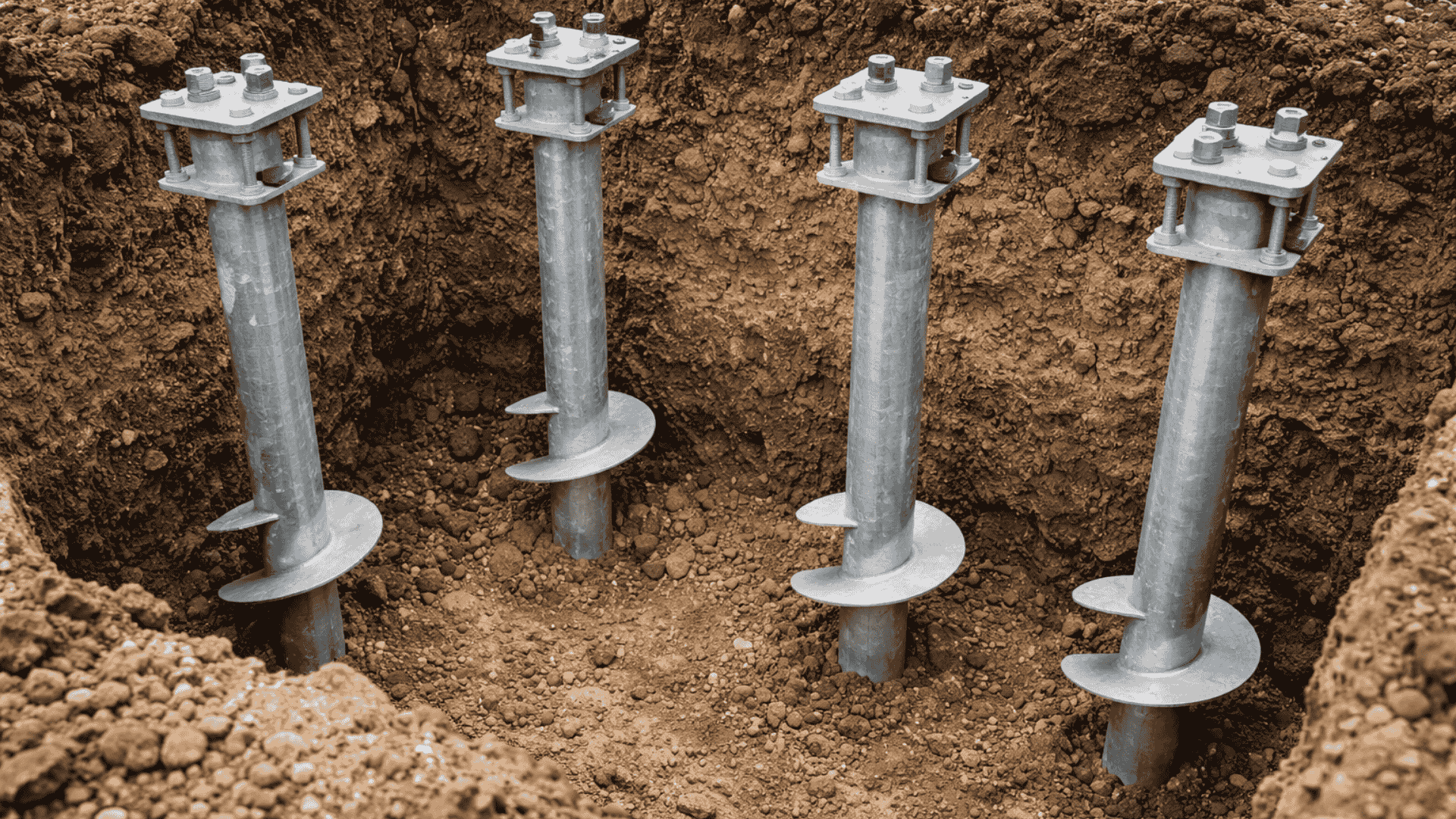
Installing helical piers is a precise, engineered process designed to ensure long-term foundation stability. While timelines vary by project size and access, most residential installations follow the steps below.
1. Site Evaluation & Soil Testing
Every project starts with understanding the ground and the structure it supports.
Contractors perform an initial foundation inspection to identify settlement and load points
Soil borings or test pits may be taken to assess soil type and bearing capacity
Results help determine the required pier depth and capacity
Proper soil evaluation prevents under-designed systems and future movement.
2. Engineering & Permits
Engineering ensures the system is built to handle the structure’s actual loads.
A structural or geotechnical engineer designs the pier layout and load ratings
Calculations define the number, spacing, and type of piers
Required permits and inspections are obtained from the local building authority
Engineered plans protect both the structure and the homeowner, and are often required for warranties.
3. Equipment Setup
Before installation begins, the site is prepared for safe and efficient access.
Hydraulic drive equipment and machinery are positioned near installation points
Access paths may be cleared or protected to minimize property damage
Interior or tight-access installs use compact, low-clearance equipment
Proper setup reduces labor time and limits disruption to the property.
4. Pier Installation
This is the core of the process where the piers are installed into stable soil.
Piers are rotated (screwed) into the ground using hydraulic torque motors
Installation continues until target depth or engineered torque values are achieved
Torque readings provide real-time confirmation of load-bearing capacity
Achieving the correct torque ensures the pier can support the required load.
5. Connection to the Structure
Once installed, the piers are integrated with the foundation.
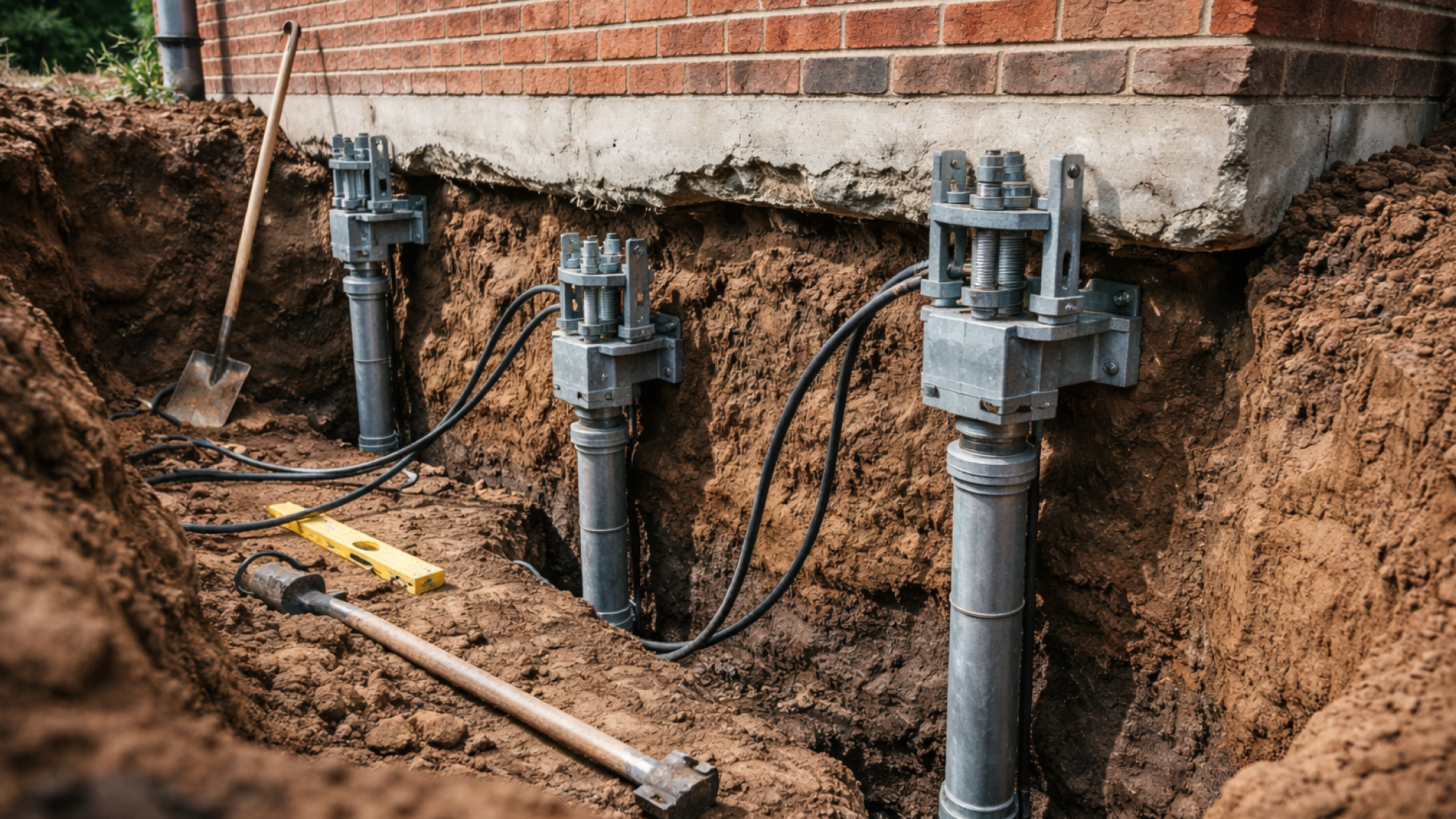
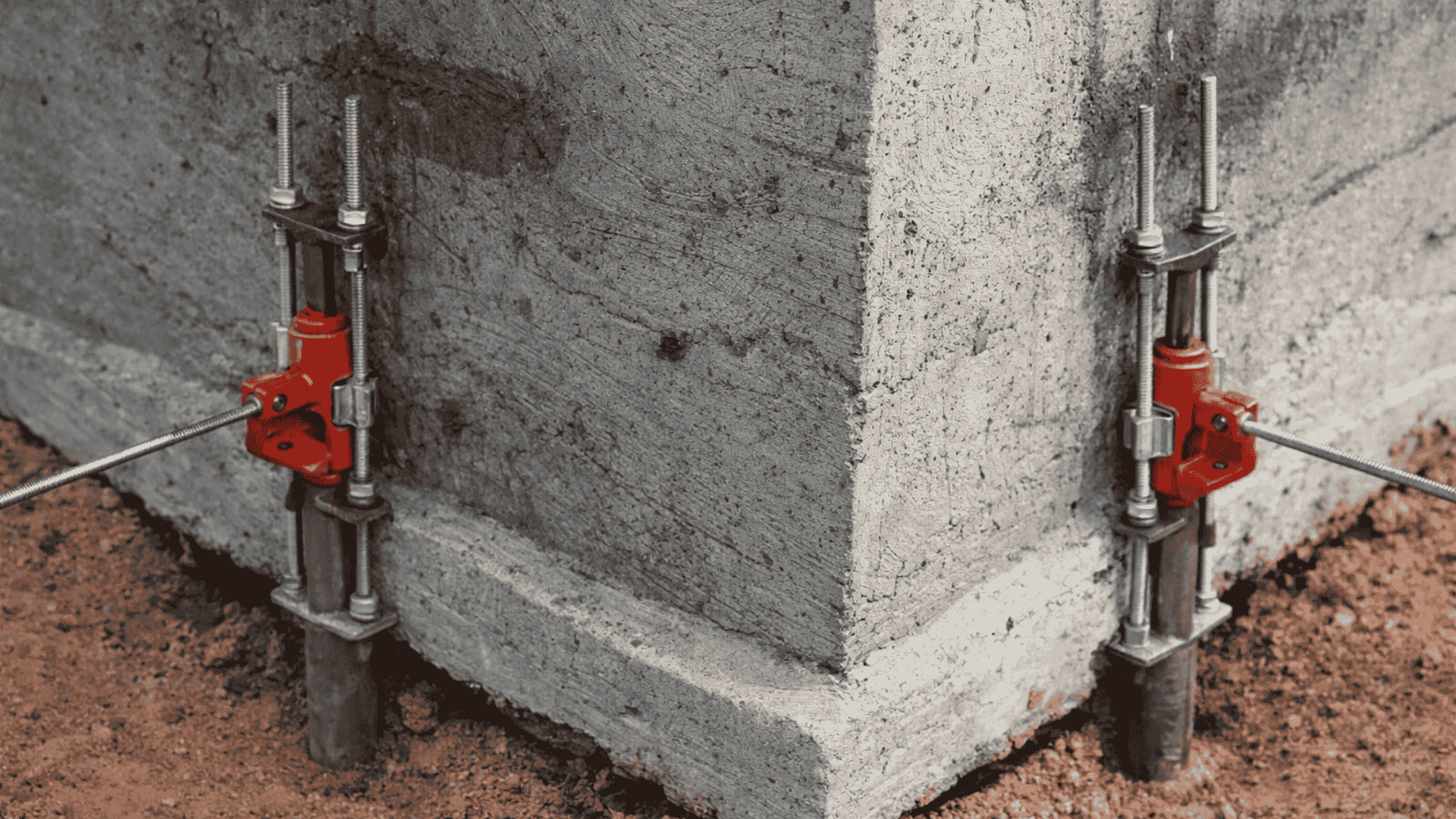
Steel brackets are attached to the footing, slab, or beam
If required, the structure may be gently lifted (jacked) to correct settlement
Load is transferred from the structure to the piers
Proper load transfer stabilizes the foundation and prevents further movement.
6. Final Inspection & Site Cleanup
The project concludes with verification and restoration.
Installations are inspected for code and engineering compliance
Final torque and load data may be documented
Soil, concrete, and landscaping are restored as closely as possible to original condition
Inspection and cleanup ensure long-term performance and a finished, professional result.
When installed correctly, helical piers provide immediate load-bearing support with minimal disruption, making them one of the most reliable foundation stabilization solutions available.
How TorcSill Supports Accurate Helical Pier Costing & Installation Planning
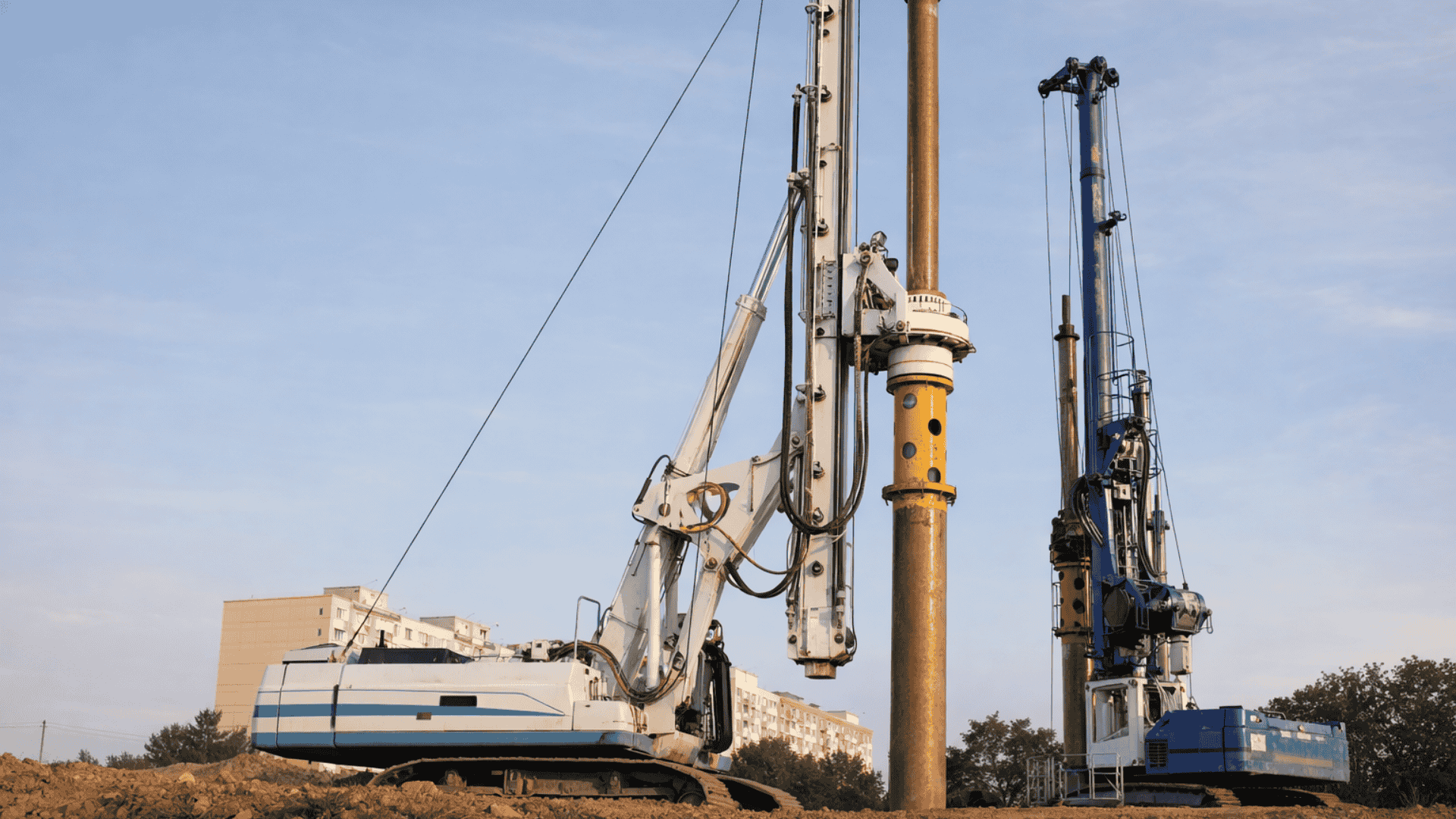
TorcSill is a global expert in engineered helical pier systems, their own branded helical piers (called “TorcSills”) are high-quality, customizable steel foundation solutions used in a wide range of demanding applications from industrial and energy to commercial and marine environments.
Engineered Foundation Solutions: TorcSill emphasizes full engineering, manufacturing, and installation capabilities for deep foundation systems, highlighting their expertise across all stages, from design through construction.
Immediate Load Capacity & Efficient Installation: The helical pile systems are designed to provide immediate load capacity upon installation, eliminating the need for concrete cure time and reducing project schedules, something that directly relates to why helical piers can be a time-effective solution.
Sustainable and Low-Impact Construction: TorcSill highlights “no spoils, no vibration” installation and reduced carbon footprint versus traditional foundations. This mirrors our discussion on site impact and restoration costs by showing how modern helical foundations can minimize soil disturbance and environmental impact.
Proven Technology in Challenging Conditions: The helical piles boast high load capacities (up to ~320 kips) and installation depths to significant depths (e.g., up to ~130 ft), features that demonstrate how engineered piers handle difficult soils and heavy structural demands.
Vertically Integrated Quality Standards: TorcSill’s products are manufactured in an ISO 9001:2015-certified facility, backed by professional engineering licenses across multiple states, ensuring consistent quality and technical support.
Broad Industry Application: While much of this guide focuses on residential and light commercial use, TorcSill’s presence in energy, industrial, power, and marine sectors illustrates how helical pier technology scales across projects, from homes to heavy-duty infrastructure.
Conclusion
Helical piers are a long-term foundation solution when they’re properly engineered, correctly installed, and matched to soil and load conditions. As this guide shows, accurate pricing isn’t just about cost per pier; it’s about design, depth, and installation quality that prevent future movement and repeat repairs.
For projects with challenging soils or demanding load requirements, working with an experienced provider matters. TorcSill delivers engineered helical pile systems designed for reliable, long-term performance.
Contact TorcSill to discuss your project and explore engineered helical pier solutions built to last.
FAQs
1. Can helical piers lift a settled foundation?
Yes. Helical piers can be used to stabilize and, in many cases, lift a settled foundation. The amount of lift depends on structural condition, soil resistance, and safety limits.
2. How long does installation take?
Most residential installations take 1–3 days, depending on the number of piers, access, and depth. Because there’s no curing time, load transfer is immediate.
3. Do helical piers work in all soil types?
Helical piers perform well in many soil types, including clay, sandy, and expansive soils. Extremely rocky conditions may require alternative solutions or specialized equipment.
4. Are permits and engineering always required?
In many regions, permits and engineering plans are required, especially for foundation repair. Even when not required, engineering is strongly recommended for long-term performance and warranty protection.
5. Is the cheapest helical pier quote a good deal?
Not always. Lower quotes often reduce depth, pier count, or engineering. Comparing total scope, design details, and warranties is more important than focusing on price alone.