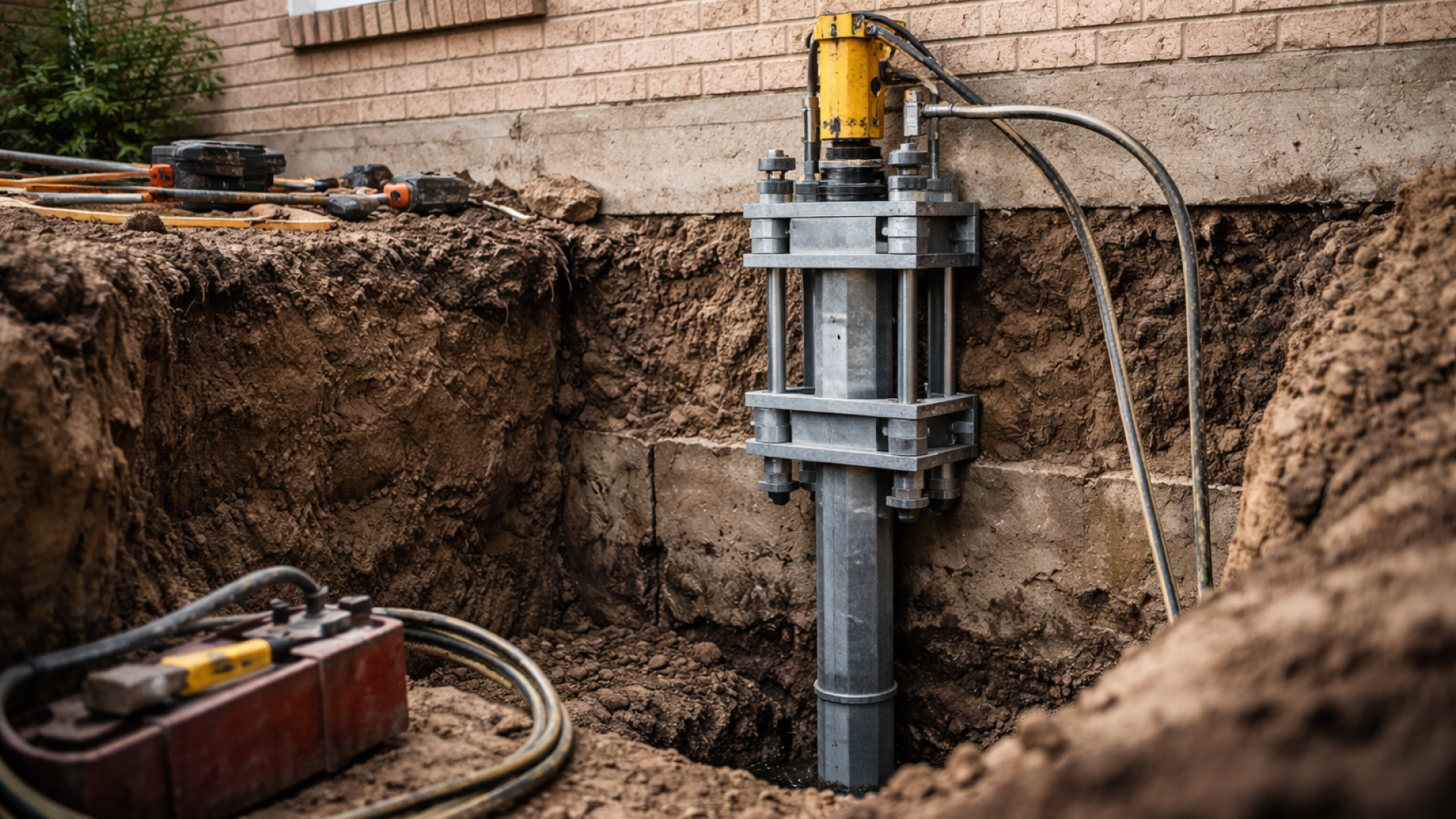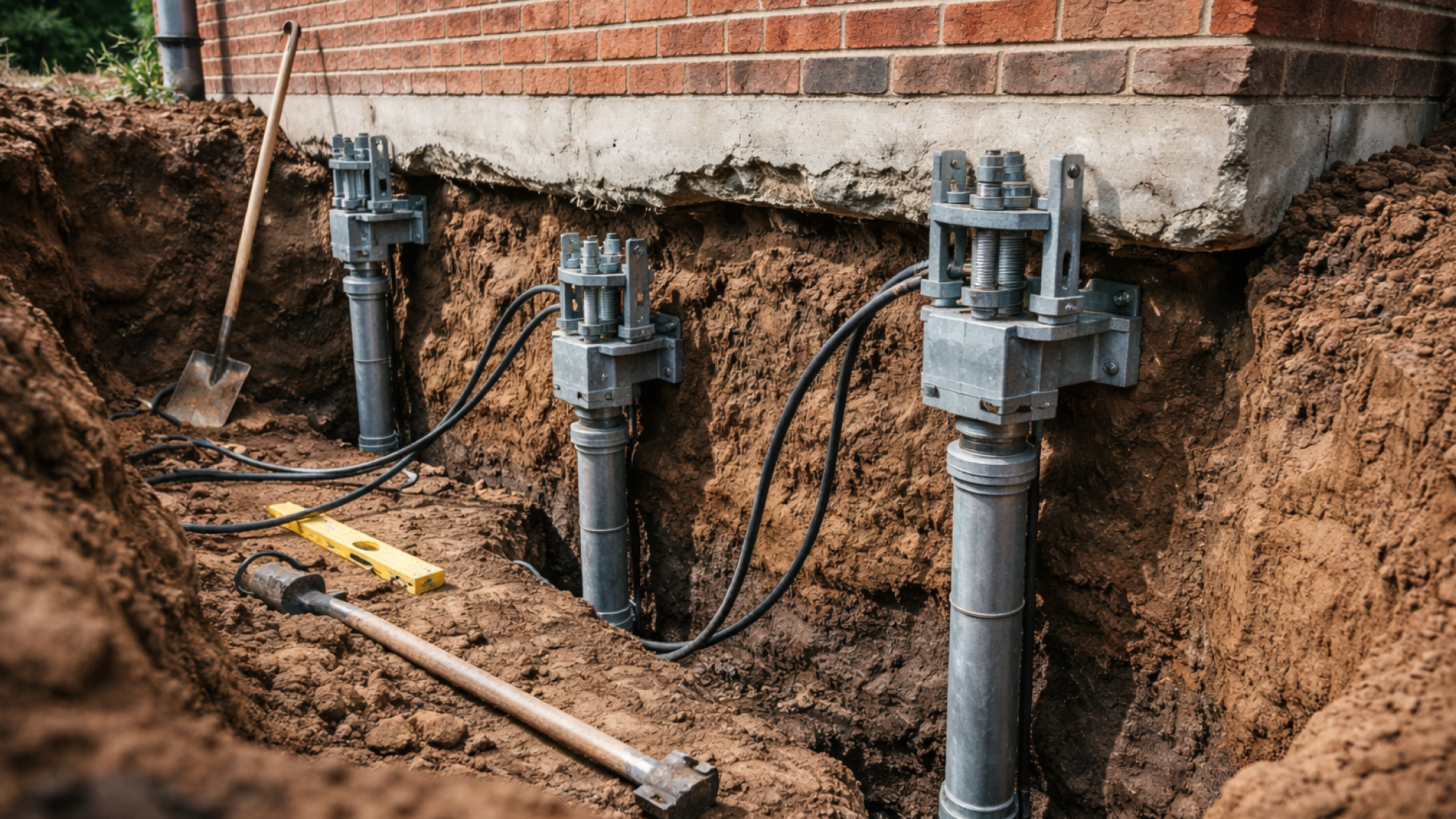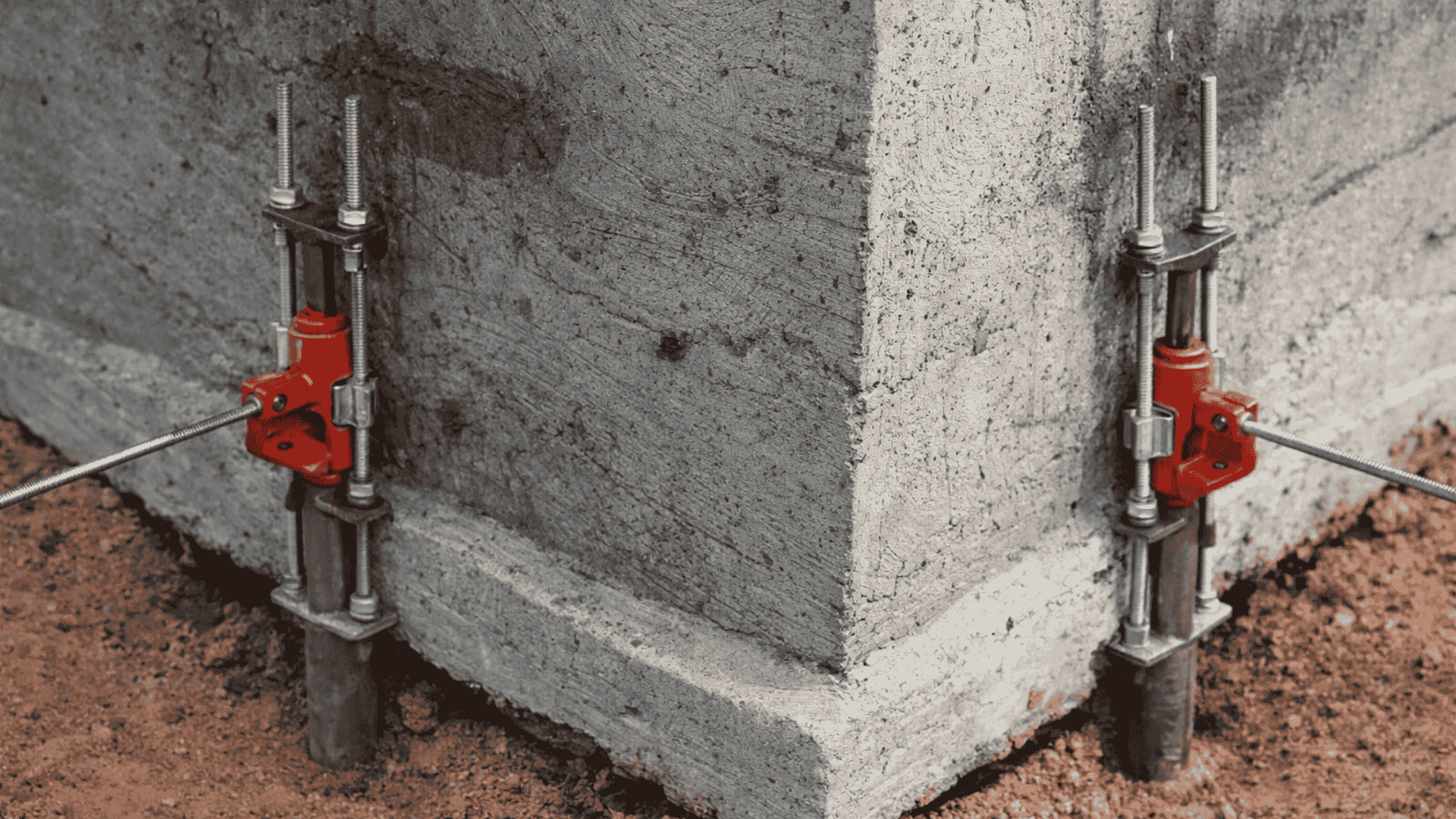
When pier installation is poorly planned or executed, the consequences can be significant. Inadequate embedment, improper alignment, or failure to verify capacity can lead to excessive settlement, loss of structural integrity, costly remediation, or even premature foundation failure.
Thus, proper pier installation is a critical factor in the long-term performance, safety, and reliability of foundation systems. As global infrastructure and construction activity expand, the demand for engineered deep foundation solutions is growing across energy, industrial, power transmission, and commercial sectors.
For example, the global pile foundation construction market is projected to continue strong growth, with an estimated size of $9.28 billion in 2026 and further expansion through 2035, reflecting increased deep foundation deployment worldwide.
Modern pier installation methods have evolved to address these challenges through improved engineering, specialized equipment, and real-time quality control.
This guide outlines the pier installation process step by step, highlighting best practices that improve safety, quality, and constructability.
Key Takeaways
Proper pier installation ensures structural stability, load transfer efficiency, and long-term performance, reducing the risk of settlement or foundation failure.
Helical, driven, drilled, and concrete piers serve different applications; selection depends on soil conditions, load requirements, and site constraints.
Pre-installation planning, including geotechnical investigation, load review, and permitting, is critical to safe, predictable, and compliant foundation construction.
Real-time torque monitoring, alignment verification, and documented quality control ensure installed piers meet design specifications and performance requirements.
Turnkey solutions, like TorcSill’s integrated engineering, manufacturing, and installation services, optimize safety, schedule certainty, and foundation performance on complex sites.
What Is a Pier Foundation?
A pier foundation is a deep foundation system designed to transfer structural loads from a structure to competent soil or rock layers located below weak or compressible surface soils.
By extending deeper into the ground, pier foundations provide stability, reduce settlement, and improve load performance in conditions where shallow foundations are not feasible or reliable.
Pier foundations are commonly used in projects that demand high load capacity, strict performance tolerances, or long-term durability, particularly in energy, industrial, power, marine, and commercial infrastructure applications.
How Pier Foundations Transfer Load
Pier foundations transfer structural loads through one or a combination of the following mechanisms:
End-bearing resistance, where the pier bears directly on a dense soil layer or bedrock
Skin friction (shaft resistance), where the load is distributed along the surface area of the pier embedded in the soil
The governing load transfer mechanism depends on subsurface conditions, pier geometry, embedment depth, and the engineering design criteria for the project.
4 Common Types of Pier Foundations
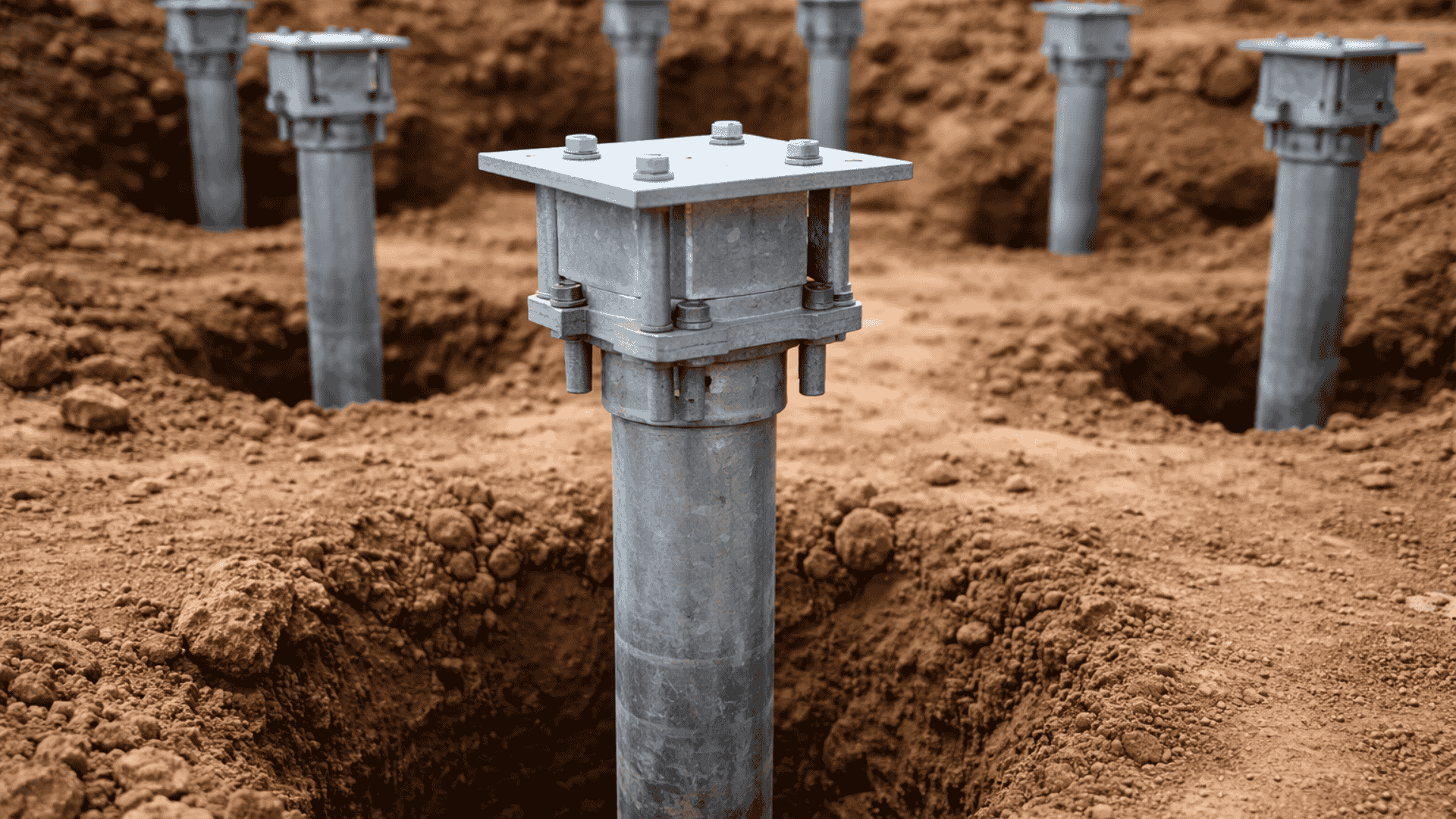
Pier foundation systems are typically classified by installation method, geometry, and material, rather than treated as entirely separate technologies. The following categories reflect how piers are commonly specified and constructed in practice, while avoiding overlap between method and material.
1. Helical Piers (Steel Screw Piles)
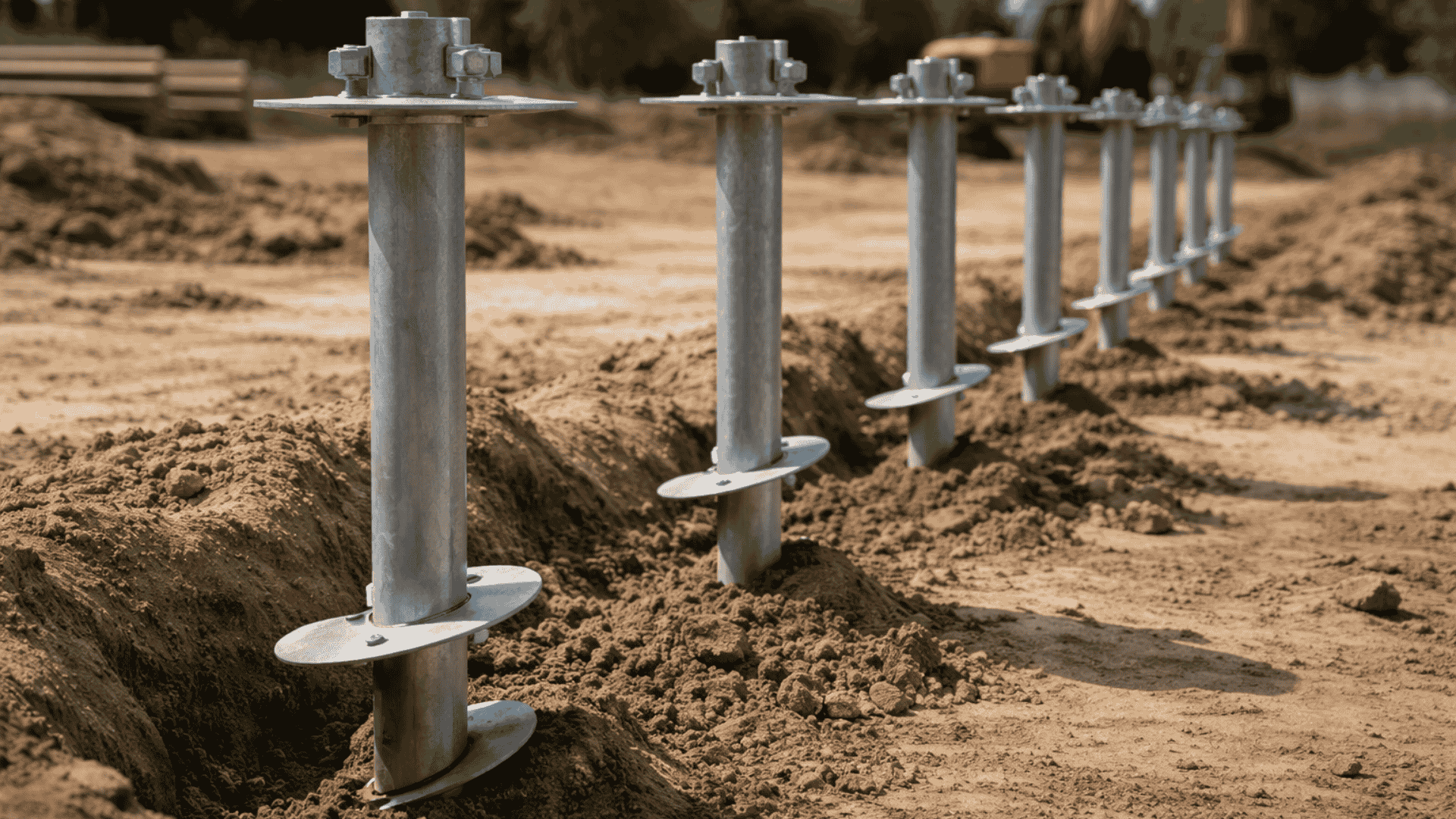
Helical piers (also known as helical piles or screw piles) are steel foundation elements with one or more helical bearing plates welded to a central shaft. They are installed by rotating the pier into the ground using hydraulic torque motors.
Key characteristics include:
Predictable load capacity correlated to installation torque
Minimal soil disturbance and no spoils
Immediate load-bearing capability after installation
High adaptability to restricted-access or environmentally sensitive sites
Helical piers are widely used for utility-scale energy projects, substations, industrial equipment supports, and retrofits where speed, precision, and performance verification are critical.
2. Driven Piers (Displacement Piles)
Driven piers are steel or precast concrete elements installed by impact hammers or vibratory drivers, displacing soil laterally during installation.
Key characteristics include:
High axial load capacity in suitable soil conditions
Rapid installation in open, marine, or industrial environments
Increased noise and vibration during installation
Potential displacement effects in surrounding soils
Driven systems are commonly selected for marine structures, heavy industrial facilities, and large civil infrastructure projects where access and vibration impacts can be managed.
3. Drilled Piers Caissons (Cast-in-Place Concrete, Non-Displacement)
Drilled piers, often referred to as caissons, are cast-in-place concrete foundations defined by their installation method and geometry, not by material alone. Installation involves drilling or excavating a shaft to the required depth, placing reinforcement, and filling the excavation with concrete.
Key characteristics include:
Large-diameter, high-capacity foundation options
Highly customizable reinforcement layouts
Spoils generation and disposal requirements
Concrete curing time before structural loading
Drilled piers are commonly used for heavily loaded structures where subsurface conditions are well-characterized, and construction schedules allow for excavation control and curing.
4. Precast and Shallow Concrete Piers (Material-Based Category)
Concrete piers can also be classified by material and fabrication method, rather than installation technique. These include precast concrete piers or relatively shallow cast-in-place concrete elements used where deep foundations are not required.
Concrete piers may be precast or cast-in-place and are typically used in light commercial or low-rise construction.
Key characteristics include:
Relatively straightforward construction methods
Dependence on excavation, formwork, and site access
Sensitivity to weather and groundwater conditions
Longer installation timelines compared to steel pier systems
These systems are typically used for light commercial, low-rise, or non-critical structures with moderate load demands and predictable soil profiles.
Pre-Installation Planning and Engineering
Successful pier installation begins well before equipment arrives on site. Pre-installation planning and engineering establish the technical foundation for safe installation, predictable performance, and long-term reliability.
Inadequate upfront planning is one of the most common causes of installation delays, capacity shortfalls, and costly field modifications.
Importance of Geotechnical Investigations
A comprehensive geotechnical investigation is essential for selecting the appropriate pier type, depth, and installation method. Subsurface data provides insight into:
Soil stratigraphy and variability
Shear strength, density, and compressibility
Groundwater conditions
Presence of obstructions or fill materials
For helical pier systems, soil data is used to estimate expected installation torque and verify that target capacities are achievable within practical embedment depths.
Reviewing Soil Reports and Load Requirements
Engineering teams must review geotechnical reports alongside structural load requirements, including:
Axial compression loads
Uplift (tension) loads
Lateral loads and moments
Load combinations and safety factors
These inputs define the governing design case and ensure the selected pier system meets both serviceability and ultimate limit state criteria.
Engineering Design and Pier Selection
Based on site and load data, engineers develop a foundation design that specifies:
Pier type and material grade
Shaft size and configuration
Helix diameter, number, and spacing (for helical piers)
Design embedment depth or target installation torque
Corrosion protection and service life requirements
Engineered pier systems allow designs to be optimized for performance, constructability, and cost while maintaining compliance with applicable codes and standards.
Site Constraints, Access, and Safety Planning
Site conditions play a critical role in determining installation feasibility and sequencing. Planning should account for:
Equipment access and working clearances
Overhead or underground utilities
Proximity to existing structures
Ground bearing capacity for installation equipment
Safety planning, including job hazard analyzes and equipment-specific procedures, is integrated at this stage to reduce field risks and unplanned interruptions.
Permitting and Regulatory Considerations
Pier installation may be subject to local, state, or federal permitting requirements, particularly for energy, marine, or environmentally sensitive projects. Pre-installation planning should address:
Environmental permits and site restrictions
Utility owner approvals
Inspection and testing requirements
Documentation and reporting obligations
Early coordination with regulatory agencies and stakeholders helps prevent delays and ensures installation activities remain compliant throughout construction.
Site Preparation and Layout
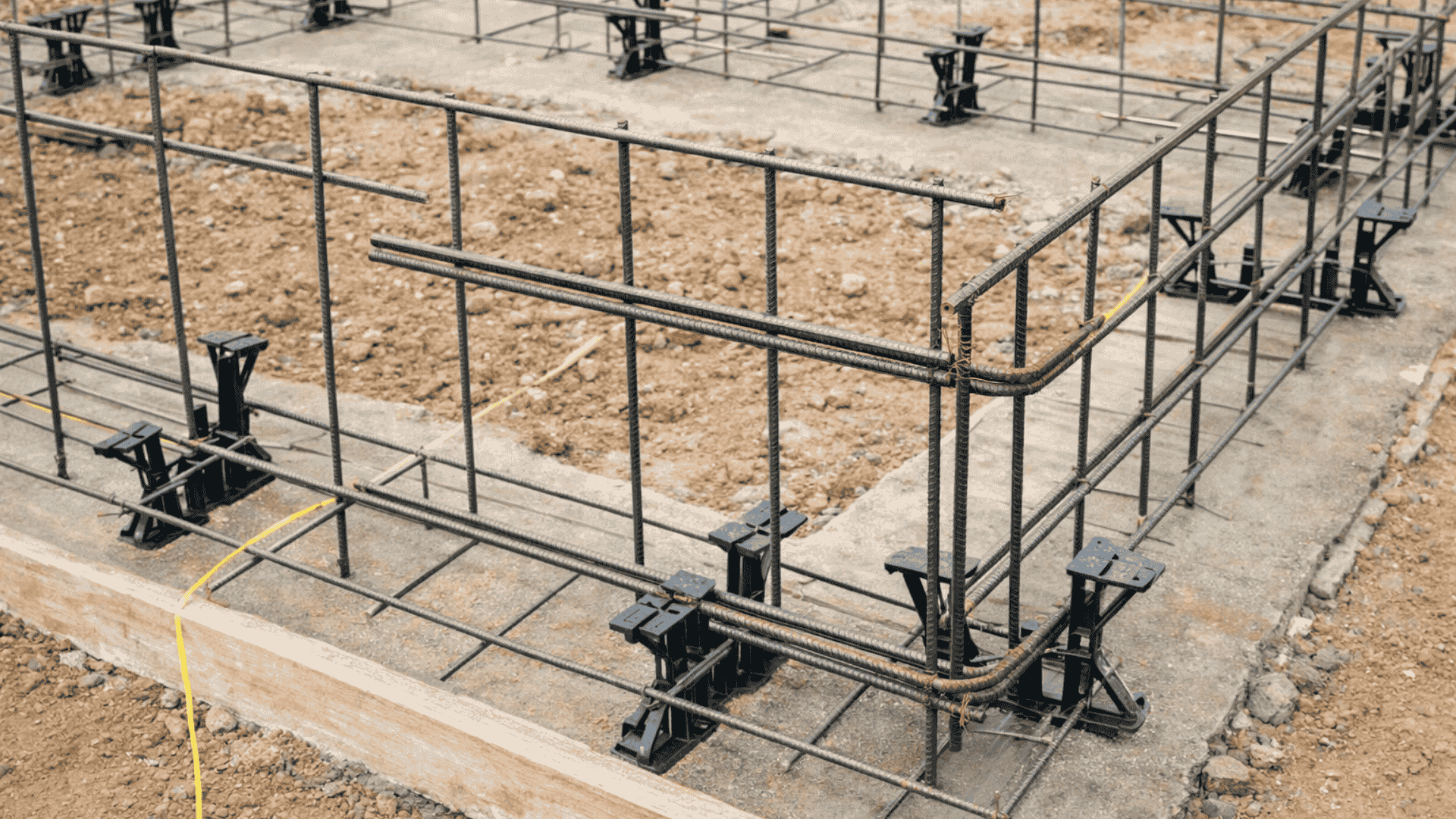
Proper site preparation and layout are essential to achieving accurate pier placement, efficient installation, and compliance with engineered design requirements. Errors at this stage can lead to misaligned foundations, rework, schedule delays, and compromised structural performance.
Surveying and Pier Location Verification
Before installation begins, pier locations must be clearly established based on approved construction drawings and engineering layouts. This typically includes:
Survey control and benchmarking
Layout of pier centerlines and offsets
Verification of elevations and tolerances
Accurate surveying ensures piers are installed at the correct spacing, alignment, and position to properly support the superstructure.
Utility Clearance and Hazard Identification
Subsurface and overhead hazards must be identified prior to mobilization. This process includes:
Utility locates and documentation review
Coordination with utility owners
Identification of overhead lines, pipelines, or existing foundations
Confirming utility clearances reduces the risk of service disruptions, safety incidents, and unplanned design changes during installation.
Equipment Staging and Access Planning
Efficient installation depends on proper equipment staging and access planning. Considerations include:
Entry and exit routes for installation equipment
Crane, skid-steer, or excavator working envelopes
Ground bearing capacity for equipment loads
Sequencing to avoid congestion or interference with other trades
Well-planned access reduces idle time and supports consistent installation productivity.
Environmental Protection Measures
Many pier installations occur in environmentally sensitive areas or active facilities. Site preparation should include measures to protect:
Adjacent structures and pavements
Drainage systems and waterways
Vegetation and surface soils
Spill containment and erosion control zones
Helical pier systems offer advantages at this stage due to their low-impact installation and minimal disturbance, helping projects remain compliant with environmental requirements.
Step-by-Step Helical Pier Installation Process
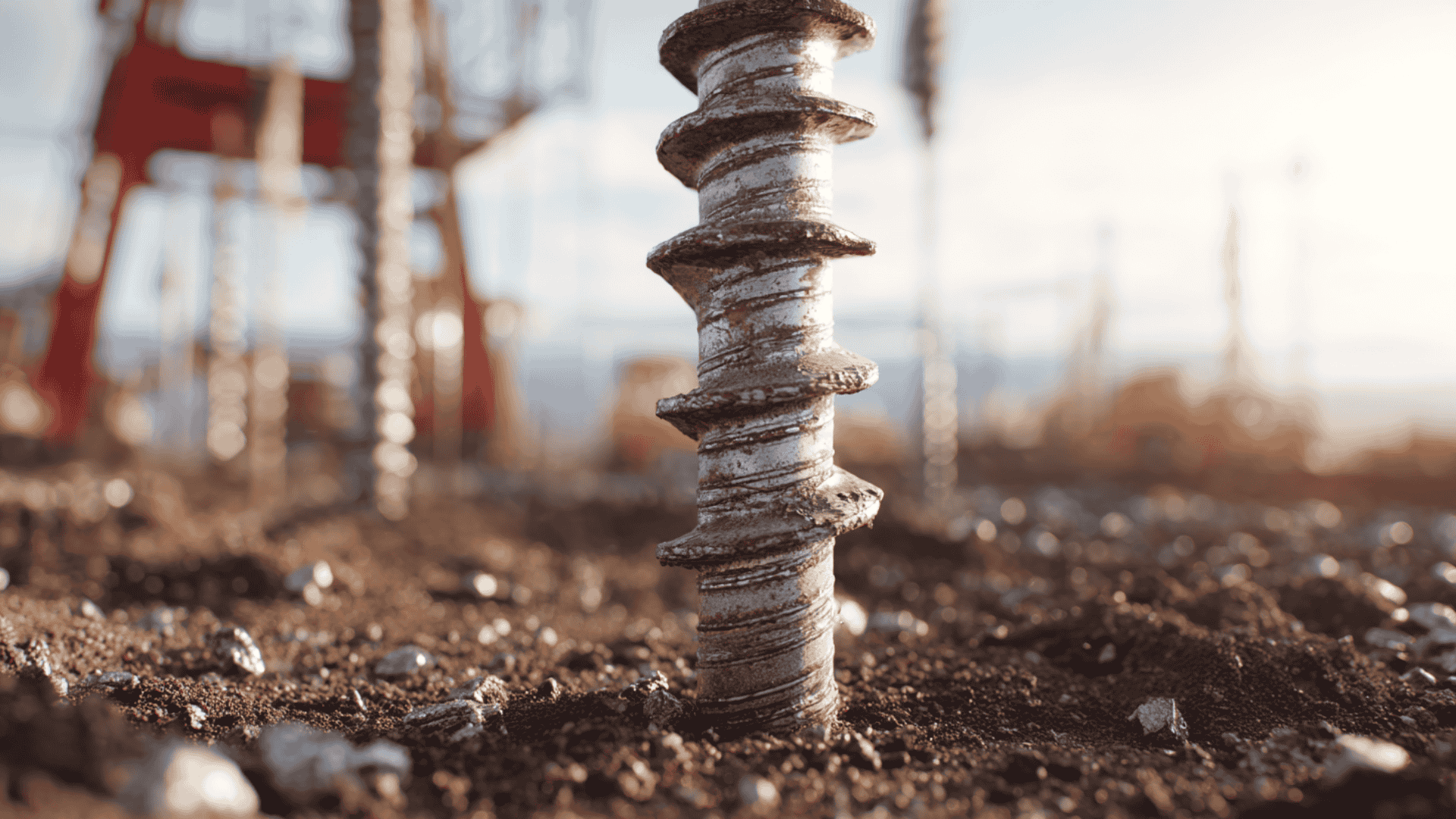
The helical pier installation process is a controlled, engineered operation designed to achieve predictable load capacity with minimal site disturbance. While installation torque provides a powerful real-time verification tool, final capacity acceptance is grounded in engineered design calibrated to geotechnical data and, where warranted, supplemented by load testing.
Following a defined step-by-step procedure ensures compliance with design requirements, installation accuracy, and long-term foundation performance.
Step 1: Positioning and Alignment
Installation begins by positioning the helical pier at the surveyed location and aligning it to the specified orientation. Proper alignment is critical to ensure:
Vertical or battered installation angles meet design tolerances
Load transfer occurs as intended
Structural connections align with the superstructure
Alignment is verified before and during installation to prevent eccentric loading, bending demand, or capacity reduction.
Step 2: Pier Advancement to Design Depth and/or Torque
Once aligned, the pier is advanced into the ground using controlled rotational force from hydraulic torque motors. Installation continues until one or more engineered acceptance criteria are satisfied:
Target installation torque, correlated to the required axial capacity and calibrated using site-specific geotechnical data
Minimum embedment depth specified by design to ensure bearing in competent strata
A combined depth-and-torque criterion, commonly used on variable or layered sites
Real-time monitoring allows installers and engineers to confirm that subsurface conditions align with design assumptions and to adjust installation as needed.
Step 3: Verification of Load Capacity
For helical systems, installation torque serves as the primary field verification indicator of axial load capacity. Torque readings are continuously recorded to confirm that:
Design capacity has been achieved or exceeded
Installation performance is consistent across multiple piers
Anomalies or deviations are identified and addressed immediately
On critical structures, highly variable soils, uplift-controlled designs, or regulatory-driven projects, torque verification is often supplemented by static load testing to directly validate performance and reduce project risk.
This layered verification approach balances constructability with the level of assurance required for industrial, energy, marine, and power infrastructure.
Step 4: Cutting to Elevation and Termination
After meeting design acceptance criteria, the pier shaft is cut to the required elevation. Termination components are then installed, which may include:
Bearing plates or caps
Brackets or adapters
Custom structural interfaces
Accurate termination ensures proper load transfer and compatibility with the supported structure.
Step 5: Structural Connection Installation
The final step involves installing the engineered structural connection that integrates the pier with the superstructure. Connections are designed to accommodate:
Compression, tension, and lateral loads
Construction tolerances
Long-term service conditions
Once connections are installed, helical piers are typically ready for immediate loading, enabling accelerated construction schedules while maintaining verified, defensible foundation performance.
Best Practices for Safe and Effective Pier Installation
Adhering to proven, engineering-driven best practices during pier installation enhances safety, ensures compliance with design intent, and delivers repeatable foundation performance across complex commercial, industrial, and energy projects.
Follow P.E.-Stamped Installation Requirements: Pier installation should be executed strictly in accordance with P.E.-stamped drawings, geotechnical recommendations, and project-specific installation criteria. Deviations should be evaluated and approved through formal engineering review.
Continuous Torque and Performance Monitoring: Torque data should be tracked and recorded for each pier to confirm that design capacities are achieved and installation conditions align with geotechnical assumptions.
Qualified Crews and Controlled Equipment: Pier installation should be performed by trained, experienced crews using calibrated and well-maintained equipment. Certified operators, consistent procedures, and equipment controls reduce variability in installation outcomes and improve safety and productivity.
Documentation and As-Built Verification: Maintain installation logs, torque records, alignment verification, and as-built drawings. This documentation provides traceability, supports project closeout requirements, and gives owners confidence in long-term foundation performance.
Safety Protocols and Stop-Work Authority: Clear job hazard analyses, equipment exclusion zones, and stop-work authority for field personnel help prevent incidents and protect workers, equipment, and adjacent structures.
Common Installation Challenges and How to Avoid Them
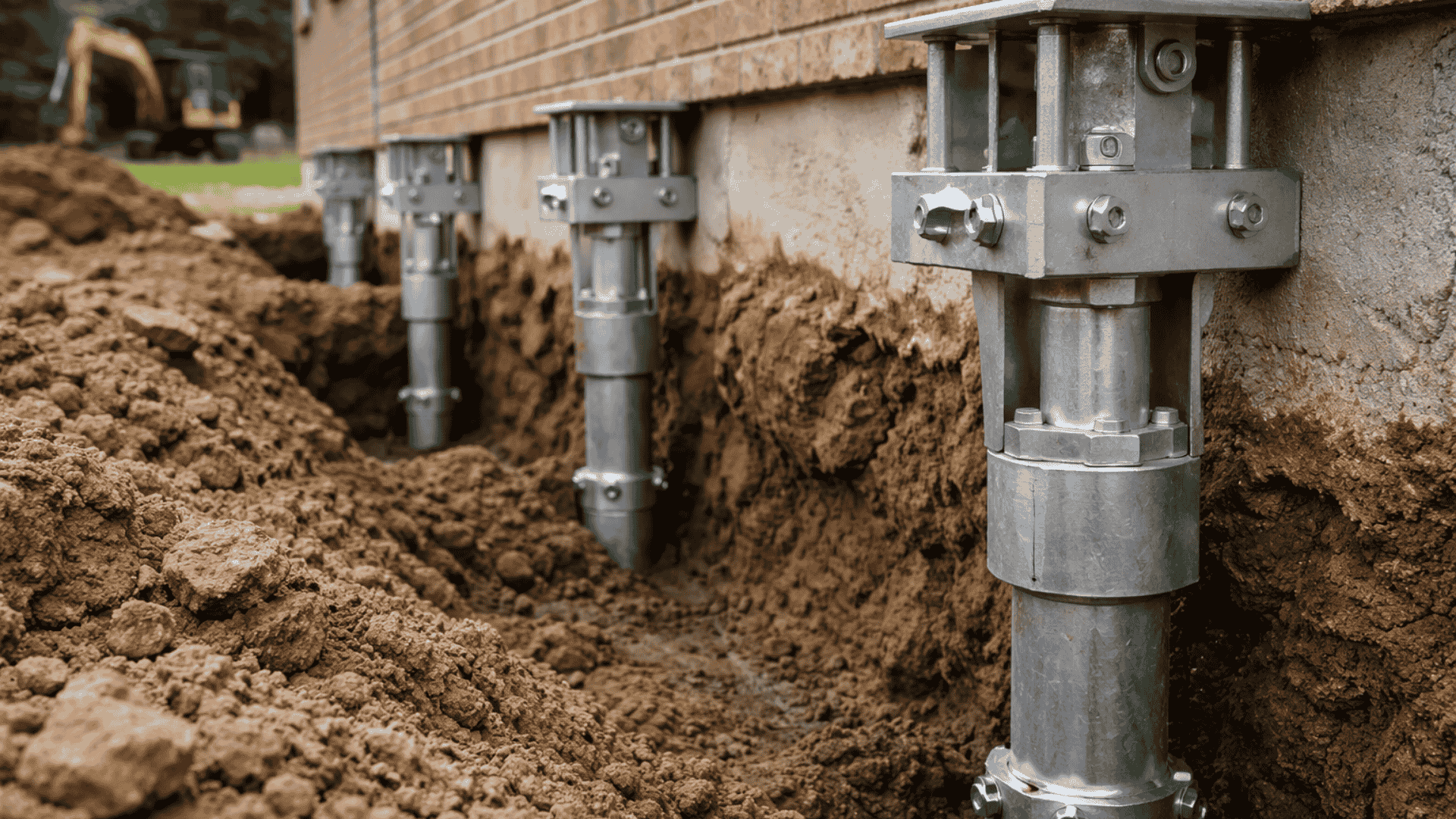
Even with proper planning, pier installation can encounter challenges related to subsurface variability, site conditions, and execution. Recognizing these issues early and knowing how to mitigate them helps maintain the schedule, quality, and structural performance.
Variable Soil Conditions
Challenge: Unexpected changes in soil stratigraphy can affect capacity, embedment depth, or installation torque.
How to avoid it:
Conduct thorough geotechnical investigations
Use pier systems adaptable to changing soil conditions
Monitor installation data in real time and adjust as needed
Helical piers are particularly effective in managing soil variability due to their torque-based capacity verification.
Obstructions and Refusal
Challenge: Debris, cobbles, or buried structures can cause premature refusal or misalignment.
How to avoid it:
Review historical site information and utility records
Adjust pier locations slightly when permitted by design
Pre-drill or use specialized tooling when necessary
Early identification of obstructions prevents damage to equipment and delays.
Misalignment or Improper Spacing
Challenge: Incorrect pier positioning or alignment can lead to load eccentricity and structural complications.
How to avoid it:
Verify layout using survey controls
Check alignment continuously during installation
Enforce tolerance requirements outlined in design documents
Accurate placement ensures proper load transfer and simplifies structural connections.
Inadequate Torque or Embedment
Challenge: Failure to achieve the required torque or depth can result in insufficient load capacity.
How to avoid it:
Confirm equipment capacity prior to mobilization
Install according to the engineered torque and depth criteria
Extend embedment or modify pier configuration if needed
Real-time monitoring allows corrective action before installation is complete.
Pier Installation in Challenging Environments
Many infrastructure projects require pier installation in environments that present logistical, geotechnical, or environmental constraints. Selecting the right pier system and installation approach is critical to maintaining safety, performance, and schedule in these conditions.
Soft or Unstable Soils
Challenge: Low-strength or compressible soils can lead to excessive settlement or instability.
Best practices:
Extend piers to competent bearing strata
Use systems that rely on deep load transfer
Verify capacity through real-time performance monitoring
Helical piers are well-suited for soft soils due to their ability to bypass weak layers and achieve capacity at depth.
High Groundwater Tables
Challenge: Groundwater complicates excavation and concrete placement for traditional foundation systems.
Best practices:
Use installation methods that do not require dewatering
Avoid open excavations where possible
Implement corrosion protection measures as needed
Helical pier installation is largely unaffected by groundwater, offering a significant advantage over drilled or cast-in-place systems.
Coastal and Marine Environments
Challenge: Tidal action, saltwater exposure, aggressive soils, and limited access increase construction complexity and place long-term durability demands on foundation systems.
Best practices:
Define design life and exposure class during engineering, aligning material selection and protection measures with project service life requirements
Incorporate corrosion protection strategies, such as protective coating systems, increased sacrificial steel thickness, or corrosion-resistant alloys
Apply cathodic protection where required, particularly for permanent marine or splash-zone installations
Minimize environmental disturbance, including turbidity and seabed disruption
Select installation methods compatible with marine access equipment, such as barges, cranes, or limited-footprint platforms
Helical and driven pier systems are commonly selected in coastal and marine environments due to their constructability and adaptability. When properly engineered for corrosion and exposure conditions, these systems provide predictable structural performance and long-term durability for ports, substations, coastal energy infrastructure, and marine facilities.
TorcSill: Turnkey Helical Pier Foundation Solutions
For infrastructure owners and project teams seeking a single partner for engineered pier solutions, TorcSill provides full-service helical pier systems that combine engineering, manufacturing, and installation.
Key advantages of working with TorcSill include:
Integrated Engineering & Design: Multi-disciplinary teams design pier solutions optimized for constructability, load capacity, and environmental conditions.
Certified Manufacturing: ISO 9001:2015 certified production ensures consistent quality and durable steel components.
Immediate Load Capacity: Helical piers allow for construction to continue immediately after installation, accelerating schedules.
Low Environmental Impact: Minimal soil disturbance, reduced vibration, and elimination of concrete spoils support sustainable and sensitive-site construction.
TorcSill combines technical expertise and field experience to ensure engineered pier systems meet performance, safety, and schedule requirements on complex projects. Schedule a call today to get started.
Conclusion
The pier installation process plays a critical role in the performance, safety, and longevity of foundation systems. From early geotechnical evaluation and engineering design to installation, testing, and documentation, each step must be executed with precision and adherence to best practices.
Ultimately, successful pier installation depends on selecting the right foundation system, following engineered procedures, and working with experienced teams capable of delivering consistent, verifiable results in even the most challenging environments.
Need Expert Pier Installation for Complex or Sensitive Sites?
TorcSill delivers engineered helical pier solutions backed by integrated design, manufacturing, drilling, and installation services. With nationwide crews and a safety-first, low-impact approach, TorcSill supports infrastructure projects that demand performance, precision, and schedule certainty.
Get in touch with our engineers for a turnkey pier installation solution designed for your site conditions and load requirements.
FAQs
1. How long does a typical pier installation take?
Installation time depends on pier type, site conditions, and load requirements. Helical piers can often be installed in hours per pier, whereas drilled or concrete piers may take days, including curing time. Site access and soil conditions are the main schedule factors.
2. Can pier foundations be used for seismic-resistant structures?
Yes, pier foundations, including helical, driven, and drilled piers, can be designed for seismic loads. Engineers consider soil liquefaction, lateral forces, and overturning moments to optimize pier size and spacing for earthquake-prone regions.
3. Are pier foundations reusable or adjustable after installation?
Helical piers are partially adjustable; they can sometimes be extended, lifted, or realigned after initial installation without complete removal. This is not typically possible with concrete or driven piers.
4. What are the maintenance requirements for installed piers?
Pier foundations generally require minimal maintenance. Periodic inspection for corrosion, settlement, or connection integrity is recommended, particularly for piers exposed to marine or industrial environments.
5. How do pier foundations perform in frost-prone areas?
Piers can be designed to extend below frost lines to prevent heaving or settlement. Helical piers’ deep embedment and steel construction make them particularly effective in cold climates.