Selecting the right foundation system is one of the most critical decisions in any commercial construction project, especially as the U.S. construction industry remains a multi‑trillion‑dollar economic engine.
Total U.S. construction spending is projected to reach about $2.65 trillion by 2029, with nonresidential and commercial building activity continuing to grow despite economic headwinds.
The foundation serves as the structural interface between the building and the ground, transferring loads safely into the soil while ensuring long‑term stability, performance, and code compliance.
Foundation choice also plays a major role in controlling project costs and schedules. While shallow foundations may offer lower upfront costs on suitable sites, deep foundation systems are often required where soil conditions, load demands, or environmental factors exceed shallow bearing limits.
In this post, let's have a look at the types of commercial building foundations and understand the strengths, limitations, and ideal applications of each foundation.
Key Takeaway:
Proper foundation selection is critical for commercial buildings, ensuring structural safety, load support, and long-term performance under diverse site conditions.
Shallow foundations suit strong soils and low- to mid-rise buildings, while deep foundations handle heavy loads, poor soils, or urban constraints.
Helical piles, drilled shafts, and driven piles provide efficient load transfer, minimal settlement, and adaptable solutions for challenging commercial sites.
Early geotechnical investigation, integrated design-build, and quality-controlled installation reduce risk, prevent delays, and optimize lifecycle costs.
TorcSill delivers turnkey engineered solutions, combining design, manufacturing, and installation for reliable commercial foundations across varied soils and project complexities.
Shallow Foundations for Commercial Buildings
Shallow foundations are commonly used in commercial construction where near-surface soils have sufficient bearing capacity to support structural loads without excessive settlement.
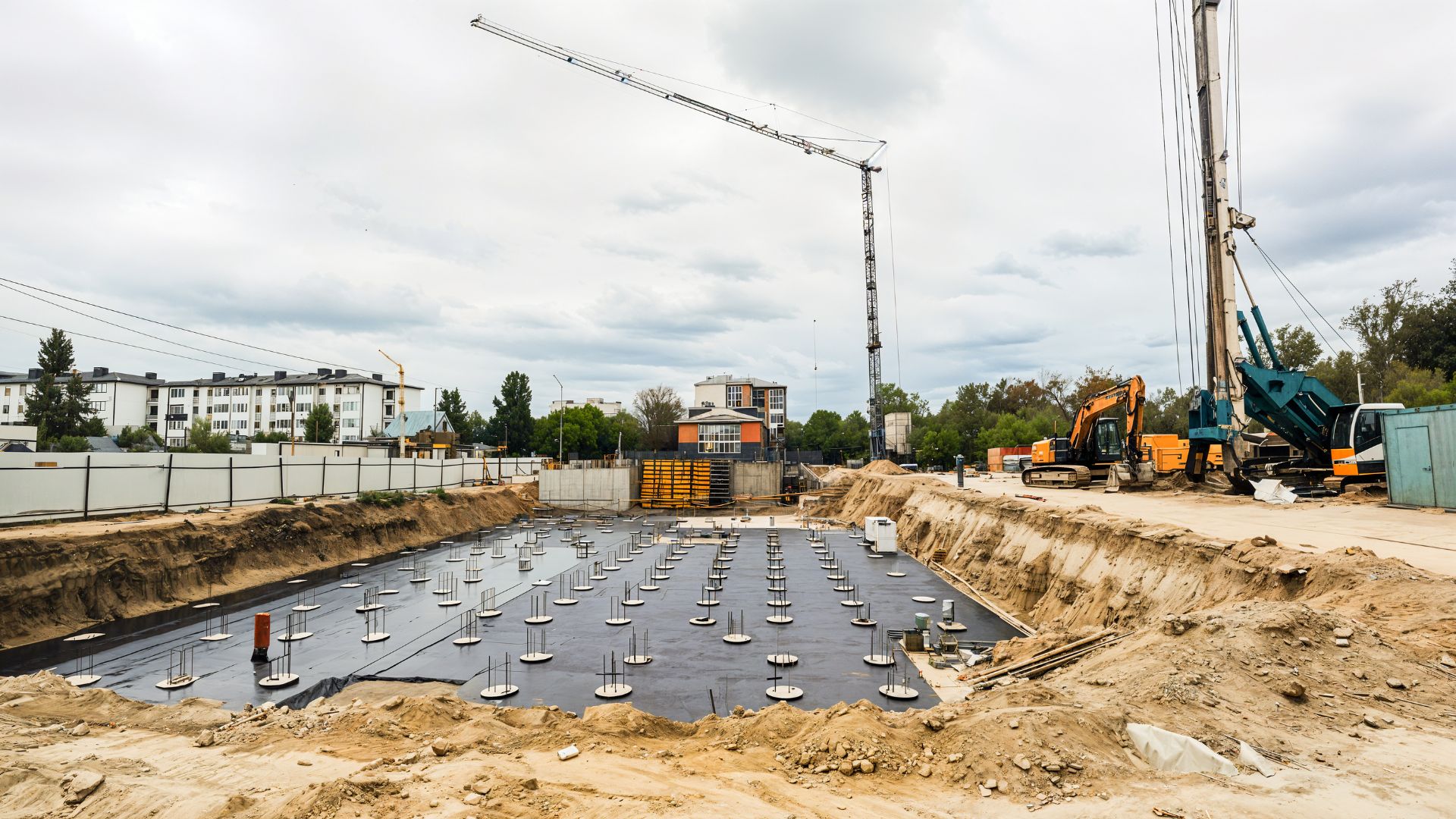
These systems transfer building loads directly to the soil at relatively shallow depths and are typically more economical and faster to construct than deep foundations when site conditions allow.
Shallow foundations are most effective for low- to mid-rise commercial buildings, provided soil strength and groundwater conditions are favorable.
1. Spread Footings
Spread footings are one of the most widely used shallow foundation types in commercial construction. They distribute structural loads over a larger area of soil to reduce bearing pressure and prevent excessive settlement.
Spread footings are usually constructed from reinforced concrete and placed beneath individual columns or piers.
Typical applications include:
Low- to mid-rise office buildings
Retail centers and strip malls
Light industrial and warehouse facilities
Key advantages:
Simple design and construction
Cost-effective where soil bearing capacity is adequate
Minimal specialized equipment required
Limitations to consider:
Not suitable for weak or highly compressible soils
Larger footing sizes may be required for heavy loads
Sensitive to differential settlement if soil conditions vary
2. Strip Footings
Strip footings are continuous concrete footings placed beneath load-bearing walls. They are commonly used in commercial buildings with repetitive wall layouts and relatively uniform loading conditions. Strip footings help distribute wall loads evenly along their length.
Common commercial uses include:
Retail buildings with masonry load-bearing walls
Low-rise commercial and mixed-use structures
Ancillary building components and perimeter walls
Key benefits:
Efficient load distribution for continuous walls
Straightforward formwork and placement
Economical for structures with consistent wall loading
Design considerations:
Require uniform soil conditions along the wall length
Less adaptable to highly variable subsurface profiles
May need increased width in areas of higher load demand
3. Mat (Raft) Foundations
Mat foundations, also known as raft foundations, consist of a large reinforced concrete slab that supports multiple columns and walls across the entire building footprint. They are typically used when soil bearing capacity is low, but deep foundations are not economically or technically justified.
Mat foundations are often selected when:
Individual spread footings would overlap
Soil conditions are weak or variable across the site
Differential settlement control is a primary concern
Advantages of mat foundations include:
Improved load distribution across poor soils
Reduced differential settlement
Can serve as both a foundation and a floor slab
Potential drawbacks:
Higher concrete and reinforcement quantities
Increased formwork and construction complexity
Requires careful structural and geotechnical coordination
Deep Foundations for Commercial Buildings
Deep foundations are used when near-surface soils cannot safely support commercial building loads or when structural, environmental, or site constraints demand load transfer to deeper, more competent strata.
These systems extend well below ground level and rely on end-bearing, skin friction, or a combination of both to achieve the required capacity. Deep foundations are common in high-rise developments, industrial facilities, urban construction, and projects with poor or variable soil conditions.
1. Driven Pile Foundations
Driven pile foundations consist of prefabricated elements installed into the ground using impact hammers or vibratory equipment. Loads are transferred through end-bearing at a competent layer, skin friction along the pile shaft, or a combination of both.
Common pile materials include:
Steel H-piles and pipe piles
Precast concrete piles
Timber piles (limited commercial use)
Typical commercial applications:
High-rise buildings and multi-story commercial structures
Waterfront and coastal developments
Heavy industrial facilities
Key advantages:
High load-carrying capacity
Immediate load support after installation
Proven performance in a wide range of soil conditions
Limitations and considerations:
Noise and vibration during installation
Potential impacts to nearby structures
Requires specialized driving equipment and access
2. Drilled Shafts (Caissons)
Drilled shafts, also known as caissons, are cast-in-place deep foundations formed by drilling a hole to the required depth and filling it with reinforced concrete. They are commonly used where high axial and lateral loads must be supported with minimal vibration.
Construction characteristics:
Large diameters, often ranging from 24 to 120 inches
Installed using augers, drilling rigs, or casing systems
Can be socketed into rock for increased capacity
Advantages for commercial projects:
High axial and lateral load capacity
Minimal vibration compared to driven piles
Well-suited for sites near existing structures
Design and construction challenges:
Sensitive to groundwater conditions
Requires strict quality control during drilling and concrete placement
Longer installation durations compared to driven systems
3. Helical Pile Foundations
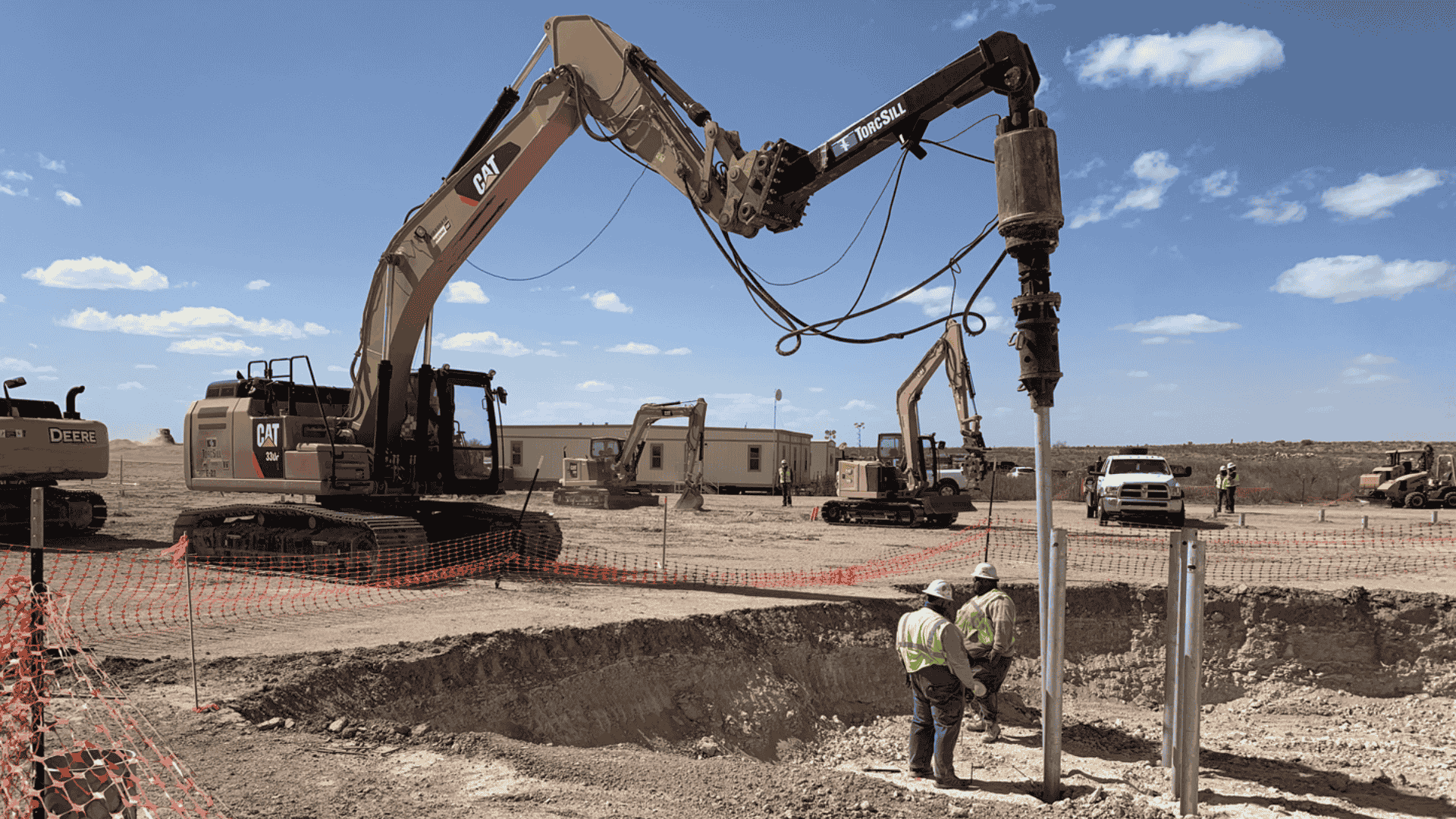
Helical pile foundations consist of steel shafts with one or more helical plates that are rotated into the ground. Load capacity is achieved through the bearing of the helices in competent soil layers and friction along the shaft.
Key characteristics of helical piles:
Installed using hydraulic torque motors
Capacity is correlated to installation torque
Can be installed in limited-access or low-clearance areas
Ideal commercial applications include:
Urban infill projects
Expansions and retrofits of existing buildings
Sites with vibration or noise restrictions
Primary benefits:
Fast installation with minimal disruption
Immediate load-carrying capability
Predictable performance in suitable soils
Design considerations:
Requires detailed soil data for optimal helix placement
Less effective in very dense gravel or hard rock
Engineering oversight is critical for load verification
5 Key Factors Influencing Commercial Foundation Selection
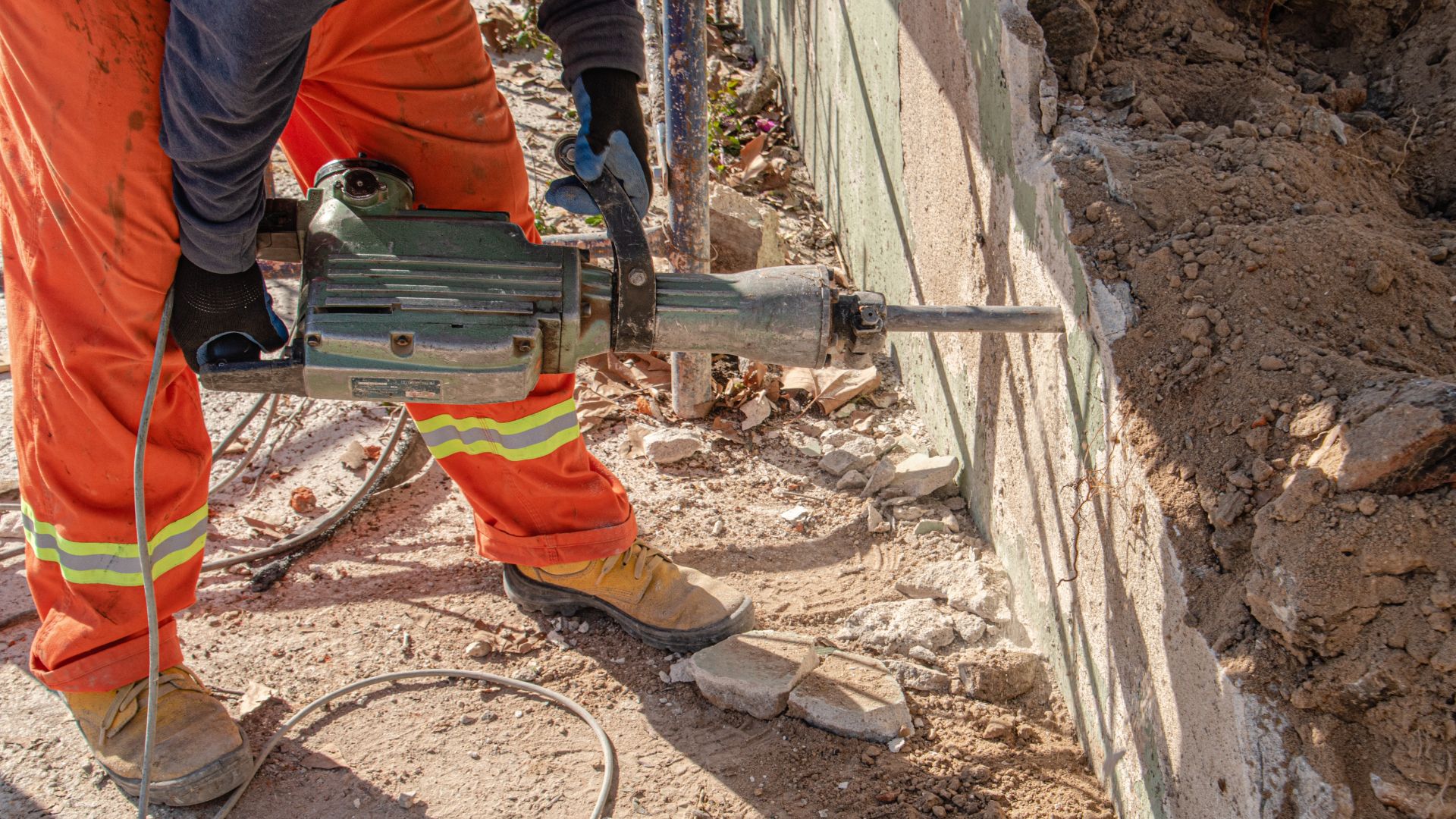
Selecting a commercial foundation system requires balancing site-specific conditions, structural requirements, and project constraints. Here are some factors that can influence the selection:
1. Soil Conditions and Bearing Capacity
Subsurface conditions are often the primary driver of foundation selection. Soil strength, density, and variability determine how loads are transferred to the ground and whether shallow or deep foundations are feasible.
A thorough geotechnical investigation helps identify settlement risks and load-bearing limitations, reducing uncertainty during construction.
Key soil-related considerations include:
Soil type and stratification across the site
Allowable bearing capacity and settlement tolerances
Presence of soft, expansive, or compressible soils
Groundwater levels and seasonal variability
2. Building Loads and Structural Demands
Commercial buildings impose higher and more complex loads than residential structures. Foundations must safely support vertical loads while resisting lateral forces from wind, seismic activity, and operational equipment.
Structural system type and building height strongly influence foundation design.
Typical load-related factors include:
Column and wall load magnitudes
Lateral and uplift force requirements
Dynamic or vibration-sensitive equipment loads
Compatibility with the superstructure design
3. Site Constraints and Access Limitations
Many commercial projects, especially urban or redevelopment sites, face restricted access, limited working space, and nearby structures. These conditions can affect equipment selection, installation methods, and construction sequencing.
Common site constraints include:
Tight site boundaries or limited staging areas
Proximity to existing buildings or utilities
Noise and vibration restrictions
Overhead or underground obstructions
4. Seismic, Wind, and Environmental Considerations
Regional environmental forces significantly influence foundation performance requirements. In seismic zones, foundations must accommodate lateral movement and energy dissipation, while wind-dominated regions require systems capable of resisting uplift and overturning.
Environmental exposure further impacts material selection and detailing.
Key environmental factors include:
Seismic zone classification and lateral demand
Wind loads and overturning forces
Floodplain or coastal exposure
Frost depth and climate-related soil behavior
5. Budget, Schedule, and Lifecycle Costs
While initial construction cost is important, foundation selection should consider the full project lifecycle. Systems that reduce installation time, minimize risk, or improve long-term performance often deliver greater overall value.
Cost-related considerations include:
Upfront material, labor, and equipment costs
Construction speed and schedule certainty
Risk of delays or remediation
Long-term maintenance and durability
Special Foundation Systems for Commercial Projects
In many commercial developments, standard shallow or deep foundation systems alone may not fully address structural, geotechnical, or construction challenges. Special foundation systems are often used to accommodate complex loading conditions, irregular building layouts, phased construction, or difficult site constraints.
These systems are typically customized and require close coordination between geotechnical engineers, structural designers, and foundation contractors.
1. Pier and Beam Foundations
Pier and beam systems use a series of vertical piers, either shallow or deep, connected by horizontal beams that support the building structure. This approach elevates the superstructure above grade and helps distribute loads efficiently.
Common commercial applications include:
Buildings on expansive or highly variable soils
Commercial structures requiring elevated floor systems
Projects in flood-prone or uneven terrain
Key advantages:
Improved ventilation beneath the structure
Reduced soil-structure interaction in expansive soils
Flexibility in accommodating differential movement
2. Grade Beams and Pile Caps
Grade beams and pile caps are structural elements that connect individual foundation components and distribute loads across multiple piles or piers. They play a critical role in load transfer and structural continuity.
Typical uses include:
Connecting deep foundation elements in commercial buildings
Supporting walls and columns where shallow foundations are not feasible
Managing load eccentricities and lateral forces
Benefits include:
Enhanced load distribution and stability
Improved resistance to lateral and seismic forces
Structural redundancy and durability
3. Combined Pile–Mat Foundations
Combined pile-mat systems integrate deep foundation elements with a mat foundation to optimize load distribution and control settlement. This hybrid approach is often used for heavily loaded commercial structures where neither system alone is sufficient.
When combined systems are used:
High-rise or heavily loaded buildings
Sites with soft soils overlying competent layers
Projects requiring stringent settlement control
Key advantages:
Reduced number of piles compared to pile-only systems
Improved performance under differential settlement
Efficient use of materials and construction resources
4. Temporary Foundations for Phased Construction
Temporary foundation systems are used to support structures or equipment during construction phases. These systems may later be removed, modified, or incorporated into the permanent foundation design.
Common applications include:
Temporary support for cranes or heavy equipment
Phased commercial developments
Construction in tight or congested sites
Key considerations:
Design for short-term loads and safety factors
Ease of installation and removal
Compatibility with permanent foundation elements
Cost Comparison of Commercial Foundation Types
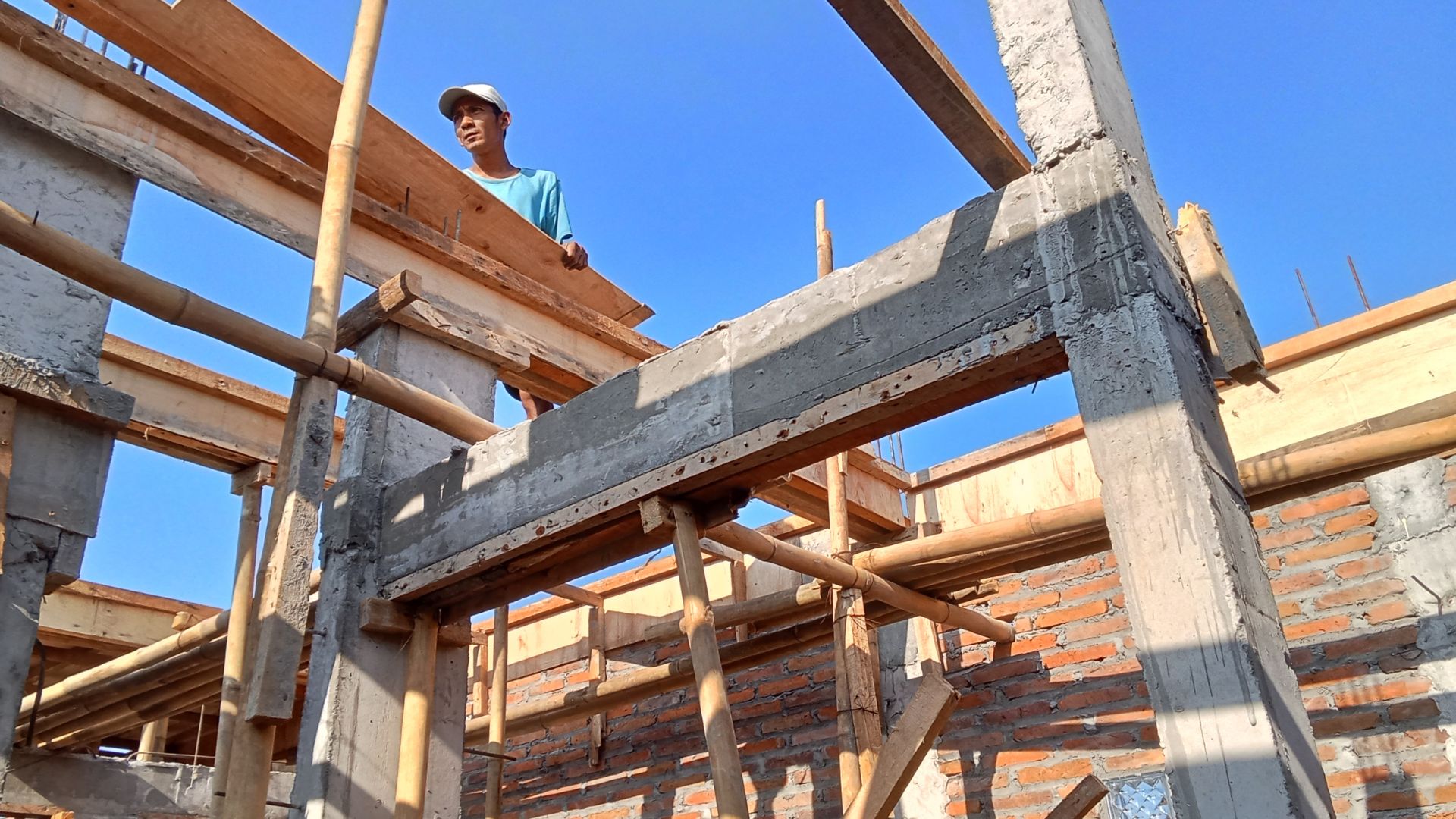
Foundation selection has a direct impact on both upfront construction costs and long-term lifecycle expenses. Understanding the cost dynamics of shallow, deep, and specialized foundation systems helps project teams make informed decisions that balance budget, performance, and schedule requirements.
Initial Construction Costs
Shallow Foundations: Typically, the most cost-effective when soil conditions are adequate. Spread footings, strip footings, and mats require less material and simpler construction methods. However, larger mat foundations can be expensive in weak soils.
Deep Foundations: Driven piles, drilled shafts, and helical piles involve higher upfront costs due to specialized equipment, labor, and materials. Installation complexity increases with depth and soil difficulty.
Special Foundations: Hybrid or temporary systems, such as combined pile–mat foundations or pier and beam systems, may carry higher initial costs due to engineering, formwork, and material requirements.
Equipment and Labor Considerations
Shallow Foundations: Require minimal heavy machinery; typical labor and formwork costs are moderate.
Deep Foundations: Depend on cranes, pile drivers, or hydraulic torque systems, requiring skilled operators and precise monitoring.
Special Foundations: Often demand both specialized equipment and closely coordinated labor teams, increasing complexity and cost.
Long-Term Maintenance and Lifecycle Costs
Shallow Foundations: Lower initial cost, but may incur higher remediation costs if soil conditions are misjudged.
Deep Foundations: Offer long-term stability, reduced settlement risk, and minimal maintenance under challenging site conditions.
Special Foundations: Provide tailored performance advantages, especially in difficult environments, which can offset higher upfront costs through avoided damage and downtime.
Value Engineering Opportunities
Selecting the right foundation type for site conditions and building loads can optimize materials, reduce labor time, and streamline construction schedules.
Hybrid or combined systems may reduce the total number of deep foundation elements required while controlling settlement.
Early geotechnical investigations and foundation planning allow for efficient designs that minimize unnecessary costs while ensuring performance.
Conclusion
Effective foundation design relies on thorough geotechnical investigations, accurate load calculations, and adherence to building codes and engineering standards. Proper installation practices, quality control, and proactive risk management ensure that foundations perform reliably over the building’s lifecycle.
By integrating these practices with innovative foundation technologies, developers and contractors can minimize settlement, control costs, and deliver safe, durable commercial structures.
Need the Right Foundation for Your Commercial Project?
Selecting the proper foundation is critical to long-term performance, safety, and cost-efficiency. TorcSill delivers engineered, turnkey foundation solutions tailored to your site conditions and structural requirements.
Get started today to ensure your commercial project rests on a foundation built for performance and longevity.
TorcSill: Comprehensive Engineered Foundation Solutions
TorcSill combines multidisciplinary engineering, ISO 9001:2015 certified manufacturing, and nationwide construction services to deliver foundation systems tailored to complex commercial requirements.
This means foundation design, analysis, manufacturing, and installation are coordinated under one expert team rather than siloed across multiple contractors.
What TorcSill brings to commercial foundation projects:
Engineering & Design Services: Licensed professional engineers provide customized foundation design, soil analysis, and load calculations to meet stringent performance and code requirements.
Manufacturing Excellence: All structural components are produced in‑house under strict quality controls (ISO 9001:2015 and AWS D1.1 certified), ensuring consistency and reliability across projects.
Nationwide Construction Services: TorcSill’s nationwide teams handle installation across diverse environments, urban settings, challenging soils, or restricted access sites, minimizing delays and disruption.
By offering a full spectrum of engineered foundation options, backed by longstanding industry experience and rigorous quality controls, TorcSill delivers solutions that help commercial projects stay on budget, on schedule, and structurally sound.
Schedule a call with our engineers to get started.
FAQs:
1. How do soil types influence the choice of foundation for commercial buildings?
Soil composition affects bearing capacity, settlement potential, and lateral resistance. Clay, silt, sand, and gravel behave differently under load, and weak or expansive soils often require deep or hybrid foundations to ensure stability.
2. What factors determine whether a shallow or deep foundation is more suitable?
Key factors include building load, soil strength, groundwater level, environmental conditions, and site constraints. Shallow foundations are ideal for strong, uniform soils, while deep foundations are necessary for high loads, poor soils, or tight urban sites.
3. Can commercial foundations be adapted for phased or temporary construction?
Yes. Temporary or phased foundations, such as modular piers or temporary pile supports, can safely carry construction loads and be removed or integrated into the permanent system without compromising long-term performance.
4. What role do environmental hazards play in foundation design?
Flood-prone areas, coastal exposure, seismic activity, and frost depth impact foundation selection. Foundations may need to be elevated, corrosion-resistant, or designed to resist lateral forces and settlement from soil movement.
5. How do engineers ensure foundation performance in vibration-sensitive areas?
In urban or sensitive sites, low-vibration installation methods like drilled shafts or helical piles are preferred. Load testing and monitoring during construction verify that performance meets design criteria without impacting nearby structures.