Friction pile foundations are a critical deep foundation solution used when surface soils lack the strength to support structural loads and no shallow, competent bearing layer is available.
Unlike end‑bearing piles, which transfer loads directly to a firm stratum such as bedrock, friction piles rely primarily on skin friction between the pile surface and surrounding soil to carry loads safely into the ground.
Across the United States and North America, deep foundation systems (including pile foundations) continue to grow as a foundational technology in heavy construction and infrastructure development.
The North American pile foundation construction market is expected to reach $3,6281.7 million by 2033, with the U.S. accounting for the majority share of this demand due to infrastructure renewal, urban expansion, and energy sector growth.
In this post, let's understand everything about friction pile foundation, including its types, capacity, and more.
Key Takeaways:
Friction piles transfer loads through skin friction along the shaft, ideal for deep, weak, or variable U.S. soil conditions.
Types include driven, cast-in-place, drilled shafts, and helical piles, each selected based on soil, load, and installation requirements.
Load capacity depends on soil shear strength, pile length, diameter, surface area, and installation method, verified with testing procedures.
Friction piles excel in high-rise, industrial, marine, energy, and bridge projects where end-bearing piles are uneconomical or impractical.
Proper design, geotechnical investigation, installation monitoring, and long-term settlement management ensure safe, reliable, and cost-effective foundation performance.
What Is a Friction Pile Foundation?
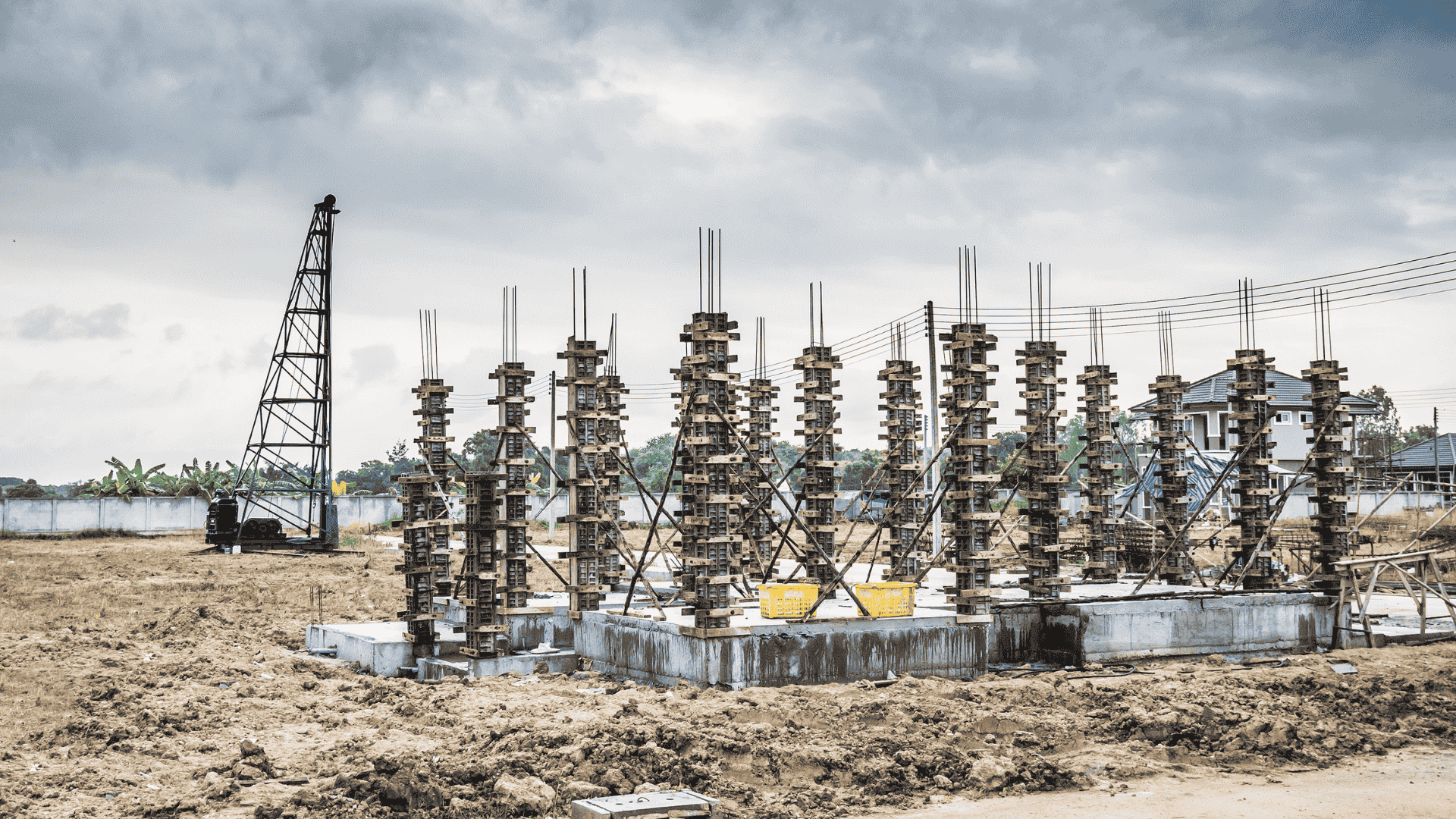
Friction piles are long, slender structural elements, typically made of steel, concrete, or timber, that develop load capacity through adhesion and friction between the pile surface and the soil.
Unlike end-bearing piles, which terminate in a dense soil layer or rock, friction piles may extend through multiple soil strata without reaching a clearly defined bearing layer.
A friction pile foundation is a type of deep foundation system in which structural loads are transferred to the surrounding soil primarily through surface friction along the length of the pile, rather than through direct bearing at the pile tip.
These piles are embedded deeply into soil layers that may be weak near the surface but capable of mobilizing sufficient shear resistance when engaged over a large contact area.
In U.S. foundation engineering practice, friction piles are commonly used when:
Bedrock or dense bearing layers are located at excessive depths
Soil strength increases gradually with depth
Project constraints limit pile diameter but allow increased pile length
How Friction Piles Transfer Load
Friction pile foundations rely on pile–soil interaction to safely transfer structural loads into the ground. Unlike shallow foundations, which distribute loads over a broad area at the surface, friction piles engage the surrounding soil along their full embedded length.
Understanding these load transfer mechanisms is essential for accurate design, settlement control, and long-term performance.
Role of Pile–Soil Interaction
The performance of a friction pile is governed by how effectively the pile interacts with the surrounding soil mass. When a load is applied at the pile head, the pile attempts to move downward.
This movement mobilizes shear resistance along the pile shaft, as the soil resists relative displacement between the pile surface and the soil.
Key factors influencing pile–soil interaction include:
Soil type and shear strength
Effective stress levels with depth
Pile surface roughness and material
Installation method and resulting soil disturbance
Proper mobilization of this interaction allows the pile to develop its full frictional capacity without excessive settlement.
Skin Friction vs. Point Bearing
In friction pile design, skin friction is the primary load-carrying mechanism. Shear stresses develop at the pile–soil interface and accumulate along the length of the pile. In contrast, point bearing refers to resistance developed at the pile tip.
For friction piles:
Skin friction provides the majority of axial load resistance
Point bearing is often conservative or ignored in design
Capacity increases with pile length and surface area
While some end-bearing resistance may exist, U.S. design practice typically does not rely on tip resistance unless confirmed through subsurface exploration and load testing.
Vertical (Axial) Load Transfer Mechanisms
Axial loads are transferred progressively from the pile head downward. As load increases:
Skin friction is mobilized near the pile head first
Load is gradually transferred deeper as the upper soil reaches its shear capacity
Full mobilization occurs along the pile length at higher loads
This behavior helps distribute stress efficiently across multiple soil layers, reducing localized overstressing and improving foundation stability in deep soft soil profiles.
Lateral Load Resistance and Group Effects
In addition to vertical loads, friction piles often resist lateral loads from wind, seismic forces, wave action, or equipment loads. Lateral resistance is provided by:
Passive soil pressure acting against the pile
Bending stiffness of the pile section
Fixity conditions near the ground surface
When piles are installed in groups, group effects become critical. Closely spaced piles can influence each other’s stress zones, reducing individual pile capacity and increasing settlement if not properly accounted for. Designers must evaluate:
Pile spacing and layout
Load sharing within the pile group
Combined axial and lateral loading behavior
Accurate modeling of these interactions is essential for large-scale infrastructure, marine structures, and industrial foundations commonly found across U.S. projects.
4 Types of Friction Pile Foundations
Friction pile foundations can be constructed using several pile types and installation methods. The choice depends on soil conditions, load requirements, construction constraints, and project-specific performance criteria. In U.S. practice, both driven and drilled systems are commonly used to develop reliable frictional resistance.
1. Driven Piles
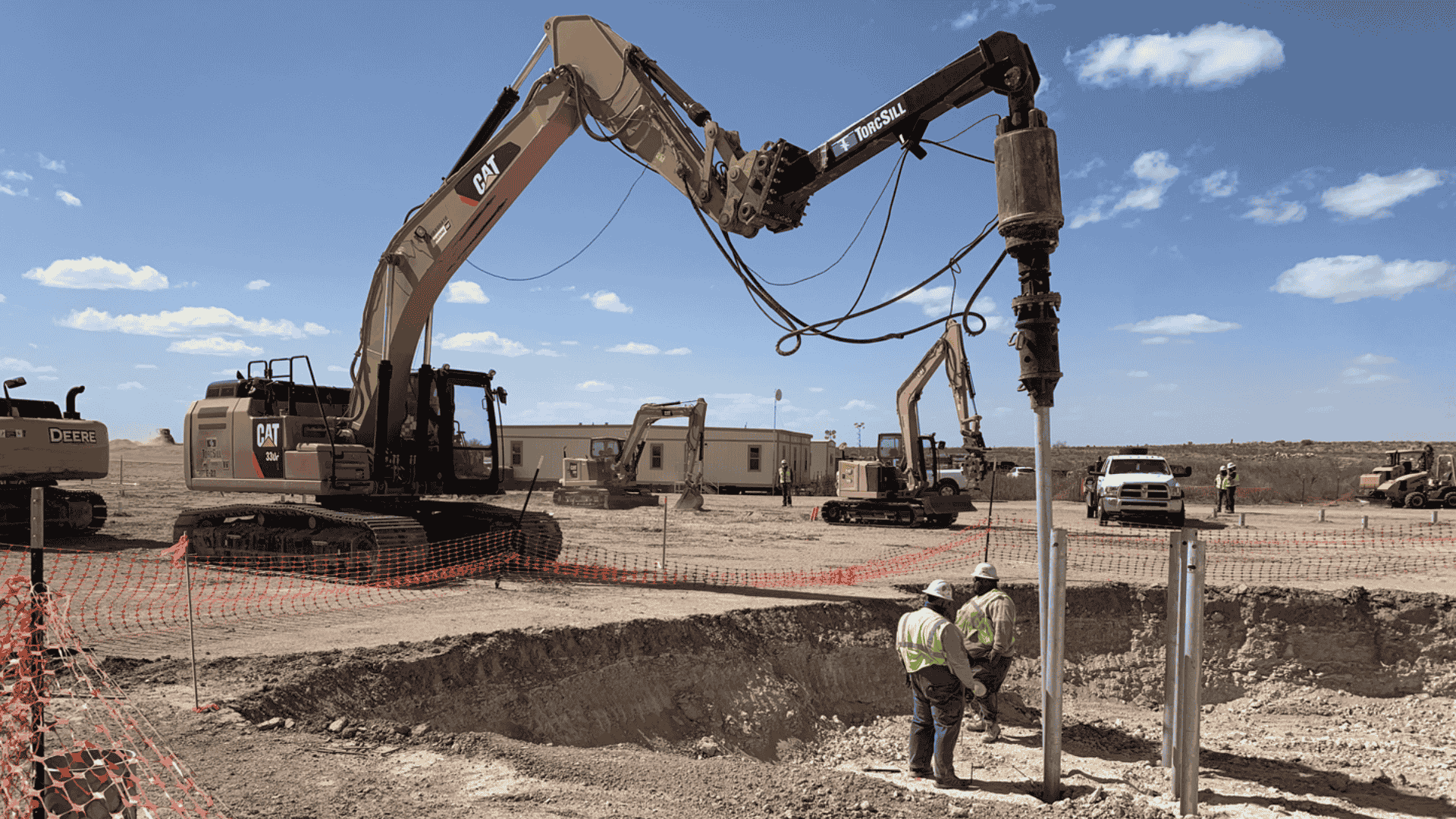
Driven piles are installed by impact hammers or vibratory equipment, displacing soil as they penetrate the ground. This displacement often increases surrounding soil density, enhancing skin friction capacity.
Steel H-Piles: Steel H-piles are widely used in infrastructure and industrial projects due to their high strength and ease of installation. While traditionally associated with end-bearing applications, H-piles can function effectively as friction piles when driven to sufficient depths in cohesive or granular soils.
Precast Concrete Piles: Precast concrete piles are factory-manufactured and driven to design depth. Their rough surface texture provides excellent frictional resistance, particularly in clays and silts.
Timber Piles: Timber piles are typically used for lighter loads and temporary or low-rise structures. When permanently submerged below the groundwater table, timber piles can provide long-term performance through skin friction in soft soils.
2. Drilled Shafts (Bored Piles)
Drilled shafts are constructed by excavating a hole and filling it with reinforced concrete. These piles develop friction along the shaft surface, particularly when constructed with roughened excavation walls.
Drilled shafts are often selected when:
Vibration must be minimized
Large diameters are required
Installation noise restrictions exist
Their performance depends heavily on construction quality and soil stability during drilling.
3. Cast-in-Place Concrete Piles
Cast-in-place piles are formed by placing concrete into a drilled or driven casing. These piles can be tailored in length and diameter to optimize frictional resistance and are commonly used in commercial and industrial foundations.
4. Helical Piles Acting as Friction Piles
Helical piles are typically known for end-bearing resistance developed at their helix plates. However, in certain soil profiles, particularly deep soft soils, helical piles can act primarily as friction piles, with load resistance developed along the shaft.
This occurs when:
Helices are placed in weaker soils
Shaft length is significant
Skin friction contributes meaningfully to total capacity
Helical piles are often used for rapid installation, retrofit projects, and sites with limited access.
Friction Pile Capacity and Design Considerations
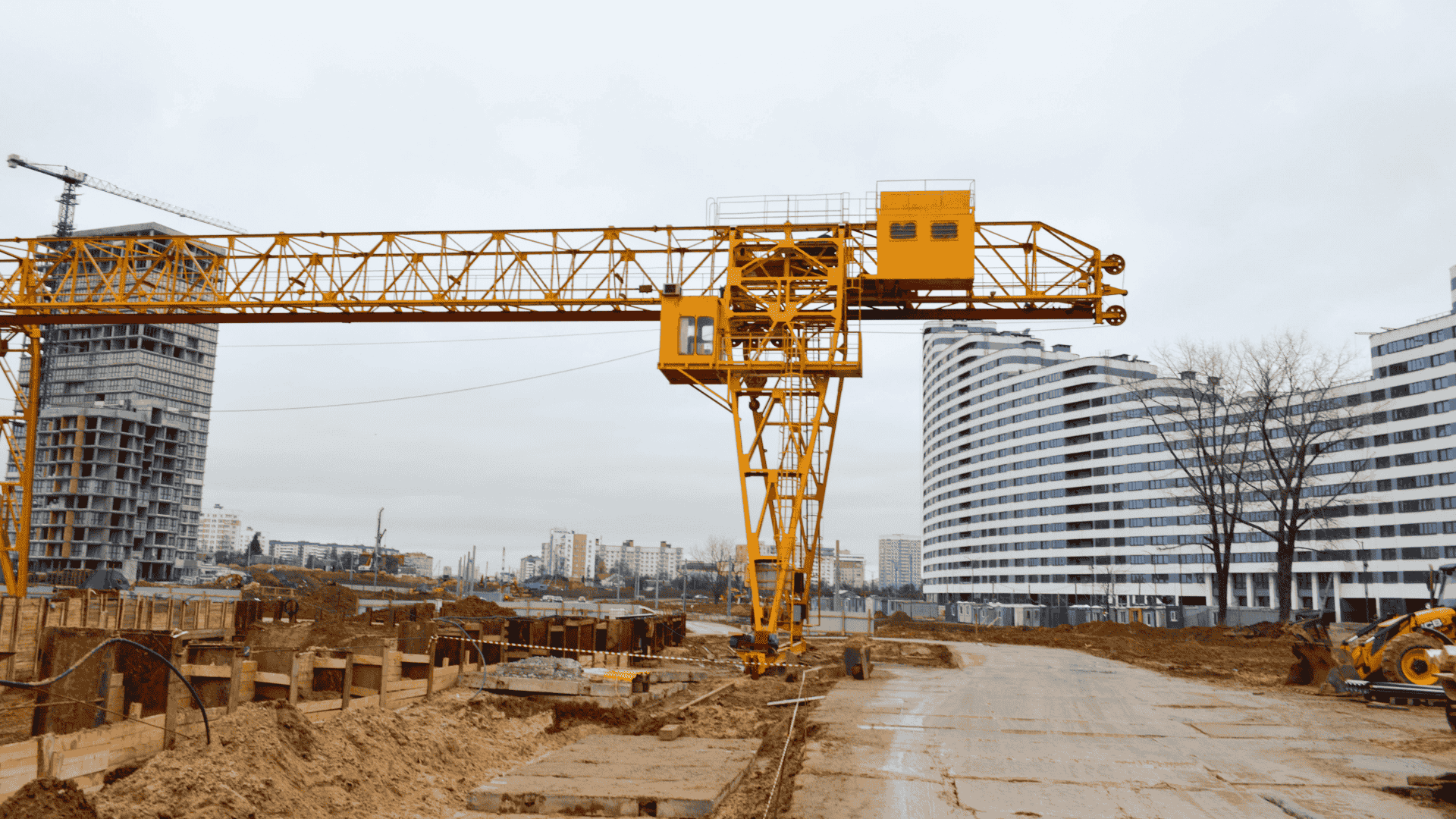
The load-carrying capacity of a friction pile foundation depends on how effectively shear resistance is mobilized along the pile–soil interface. Accurate capacity estimation is essential for controlling settlement, ensuring structural safety, and meeting U.S. design code requirements for deep foundations.
Factors Affecting Friction Pile Capacity
Several interrelated factors influence the axial capacity of a friction pile:
Soil Shear Strength: Skin friction is directly related to the shear strength of the surrounding soil. In cohesive soils, this is governed by undrained shear strength, while in granular soils, it depends on effective stress and friction angle.
Pile Surface Area and Roughness: Longer piles with larger surface areas develop greater frictional resistance. Rougher pile surfaces, such as cast-in-place concrete or precast piles, typically mobilize higher skin friction than smooth steel piles.
Pile Length and Diameter: Increasing pile length allows resistance to be mobilized over more soil layers. Larger diameters increase surface area but may introduce construction challenges and higher costs.
Installation Method: Driven piles often develop higher friction due to soil densification and increased lateral stresses. Drilled piles may experience reduced capacity if soil relaxation or disturbance occurs during excavation.
Estimating Allowable and Ultimate Capacities
Friction pile capacity is generally calculated by summing the frictional resistance developed along the pile shaft. Engineers estimate ultimate capacity based on soil parameters and then apply safety factors to determine allowable capacity.
Common approaches include:
Empirical methods based on soil testing results
Analytical methods using shear strength and effective stress profiles
Correlations with Standard Penetration Test (SPT) or Cone Penetration Test (CPT) data
Load test data, when available, is often used to calibrate or confirm design assumptions.
Safety Factors and Design Codes
In U.S. practice, friction pile design follows established codes and standards, including:
International Building Code (IBC)
AASHTO LRFD Bridge Design Specifications
API standards for energy and offshore structures
Safety factors account for uncertainties in soil properties, installation variability, and long-term performance. Depending on the code and project type, designers may use either Allowable Stress Design (ASD) or Load and Resistance Factor Design (LRFD) methodologies.
Proper application of these design principles ensures friction pile foundations provide adequate capacity, controlled settlement, and long-term reliability under service and ultimate load conditions.
Advantages and Limitations of Friction Piles
Understanding both the advantages and limitations helps engineers and project stakeholders determine when friction piles are the most appropriate foundation solution.
Advantages | Limitations |
|---|---|
Suitable for Deep, Weak Soils | Dependence on Accurate Soil Data |
Flexible Design Options | Potential for Long-Term Settlement |
Effective Load Distribution | Sensitivity to Construction Quality |
Capability to Support Heavy Loads | Pile Group Interaction Effects |
By balancing these advantages and limitations, engineers can determine whether friction piles offer the most reliable and cost-effective solution for a given project.
Applications of Friction Pile Foundations
Friction pile foundations are widely used across the United States in projects where subsurface conditions make shallow foundations impractical and end-bearing piles uneconomical.
High-Rise Buildings in Soft Soil Regions
In urban areas with deep clay or loose sand deposits, friction piles are commonly used to support high-rise and mid-rise structures. By transferring loads gradually along the pile length, these foundations help control settlement while accommodating large structural loads.
Typical locations include:
Coastal cities
River basin developments
Redeveloped industrial and waterfront sites
Coastal and Marine Structures
Friction piles are extensively used in coastal and marine environments where soil profiles consist of soft marine sediments or layered sands and silts. These foundations are well-suited for resisting both vertical loads and lateral forces from waves, currents, and vessel impacts.
Common applications include:
Piers and wharves
Docks and bulkheads
Marine terminals and waterfront infrastructure
Industrial Facilities and Heavy Equipment Foundations
Industrial sites often require foundations capable of supporting heavy static and dynamic loads. Friction pile systems provide the necessary capacity and stiffness for large machinery, processing units, and storage facilities, particularly when sites are located on fill or compressible soils.
Energy Infrastructure
Friction piles play a critical role in energy-sector projects, including:
Electrical substations
Oil and gas terminals
Pipeline supports and pump stations
Renewable energy facilities in soft soil regions
Their ability to perform reliably under variable loading and environmental conditions makes them a dependable choice for energy infrastructure.
Best Practices for Friction Pile Design and Installation
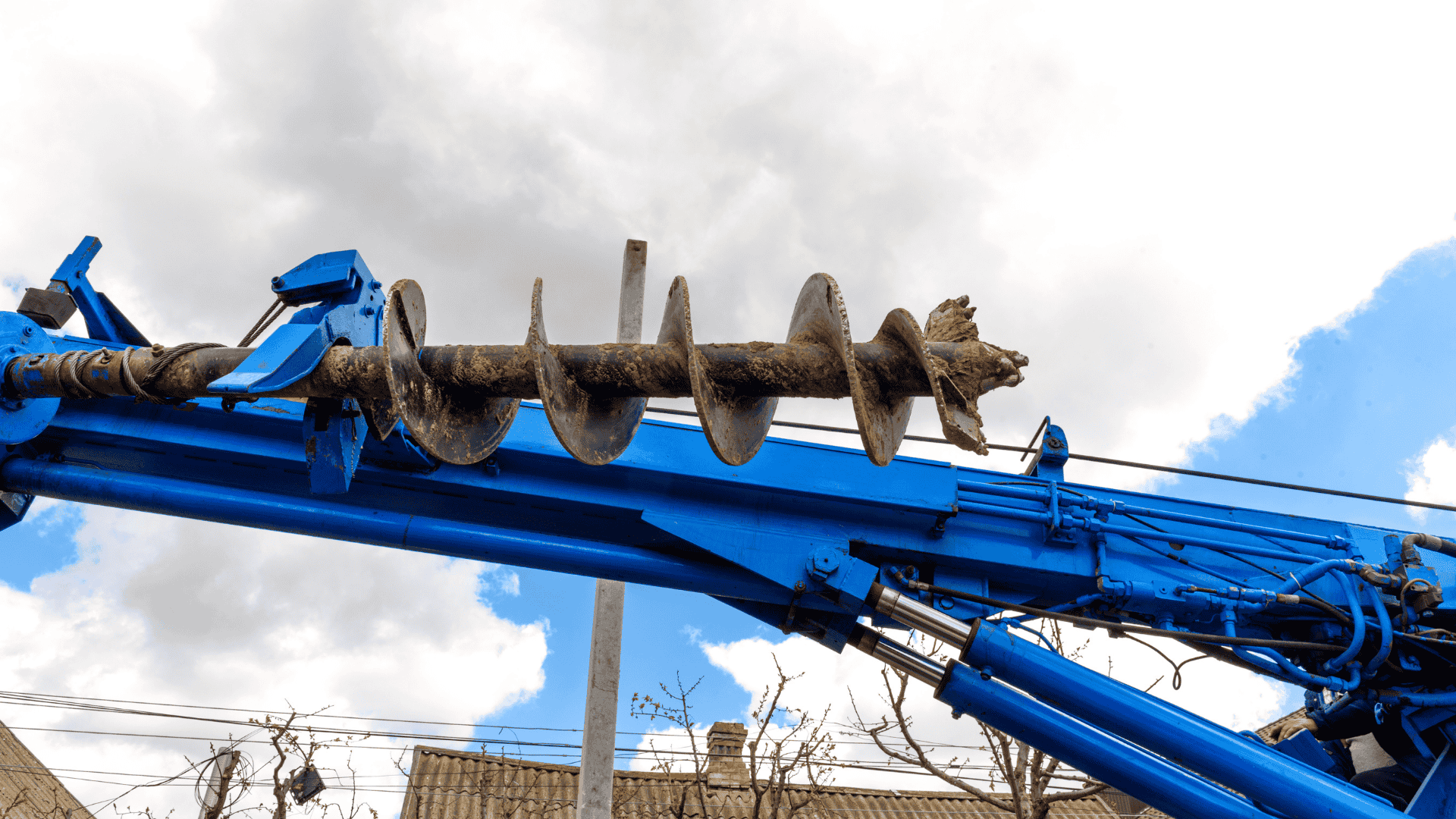
Adhering to best practices helps ensure the foundation performs as intended under both short-term and long-term loading conditions.
Importance of Geotechnical Investigation
A thorough geotechnical investigation is the foundation of any friction pile design. Subsurface exploration should provide sufficient data on soil stratigraphy, shear strength, compressibility, and groundwater conditions.
Best practices include:
Adequate number and depth of borings
Use of laboratory testing to supplement field data
Correlation of soil parameters with in-situ tests such as SPT or CPT
Accurate soil data reduces uncertainty in capacity estimates and settlement predictions.
Selecting the Right Pile Type and Installation Method
Pile selection should be based on soil conditions, load requirements, environmental constraints, and constructability. Engineers must evaluate whether driven, drilled, cast-in-place, or helical piles provide the most reliable frictional resistance for the site.
Key considerations include:
Soil disturbance during installation
Vibration and noise restrictions
Access and equipment limitations
Durability requirements in aggressive environments
Quality Control During Installation
Construction quality directly affects friction pile performance. Continuous monitoring during installation helps ensure piles meet design assumptions and specifications.
Quality control measures often include:
Verification of pile length and embedment
Monitoring driving resistance or drilling parameters
Inspection of concrete placement and curing
Documentation of installation records
These measures are critical for achieving consistent load capacity across pile groups.
Managing Settlement and Long-Term Performance
For projects in soft or compressible soils, settlement management is a key design objective. Designers should consider time-dependent behavior such as consolidation and creep.
Best practices include:
Evaluating pile group settlement
Incorporating load testing to validate performance
Implementing long-term monitoring where required
By following these best practices, friction pile foundations can deliver reliable performance and long service life, even in challenging soil conditions.
Common Design and Construction Mistakes to Avoid
Even well-planned friction pile foundations can underperform if key design or construction issues are overlooked. Many failures or serviceability problems stem from preventable mistakes related to soil characterization, pile detailing, or installation control.
Underestimating Soil Variability
One of the most common errors is assuming uniform soil conditions across a site. In reality, many U.S. project sites, especially coastal, riverine, and reclaimed areas, exhibit significant variability with depth and across short distances.
Consequences include:
Overestimated pile capacity
Differential settlement within pile groups
Inconsistent performance between piles
Adequate site investigation and conservative design assumptions are critical to managing this risk.
Inadequate Pile Length or Surface Area
Insufficient pile embedment can prevent full mobilization of skin friction. This often occurs when pile lengths are shortened to reduce costs without fully evaluating load transfer requirements.
Best practice is to ensure:
Adequate pile length in competent frictional soils
Sufficient surface area to develop required capacity
Proper consideration of weak or compressible layers
Poor Installation Monitoring
Failure to monitor pile installation can lead to reduced capacity and long-term performance issues. For driven piles, improper hammer energy or refusal criteria can limit friction development. For drilled piles, poor excavation control can disturb the surrounding soils.
Installation records should always document:
Driving resistance or torque values
Drilling conditions and soil behavior
Deviations from design assumptions
Ignoring Group Pile Interaction Effects
Designing piles as isolated elements without accounting for group behavior can lead to excessive settlement or overstressed soil zones. Closely spaced piles may reduce each other’s effective friction capacity.
Group effects must be evaluated for:
Load sharing
Settlement compatibility
Combined axial and lateral loading
Avoiding these common mistakes significantly improves the reliability and performance of friction pile foundations.
TorcSill: Engineered Solutions for Friction Pile Foundations
When dealing with deep, weak, or variable soils, TorcSill provides comprehensive foundation solutions that combine engineering, manufacturing, and installation expertise. Their systems are designed to deliver reliable load capacity, controlled settlement, and long-term performance for a wide range of projects, including industrial facilities, energy infrastructure, bridges, and coastal developments.
Why Choose TorcSill?
Custom-Engineered Foundations: Solutions tailored to project-specific soil conditions and structural requirements.
Innovative Friction Pile Systems: Steel, concrete, and helical piles designed to maximize skin friction and load capacity.
Full-Service Support: From geotechnical evaluation to pile installation and long-term performance monitoring.
By using advanced engineering and construction techniques, TorcSill ensures that friction pile foundations perform efficiently, even in the most demanding soil conditions.
Explore more about TorcSill’s deep foundation solutions. Schedule a call today.
Conclusion
When designed and constructed correctly, friction pile foundations deliver reliable load capacity, controlled settlement, and long-term performance for infrastructure, industrial, coastal, and energy-sector projects across the United States.
Need Expert Friction Pile Solutions?
For reliable deep foundation systems in challenging soils, trust the engineering, manufacturing, and installation expertise of TorcSill. Explore our full range of foundation solutions today.
Schedule a call with our engineer today.
FAQs
1. How long does it take to install friction piles compared to end-bearing piles?
Installation time varies with pile type, soil conditions, and equipment. Driven piles can be installed quickly, while drilled or cast-in-place piles take longer due to excavation, reinforcement, and curing.
2. Can friction piles be used for retrofitting existing structures?
Yes. Helical or mini-piles are often used for foundation underpinning or load transfer upgrades in existing buildings, bridges, and industrial facilities without major demolition.
3. How do environmental conditions affect friction pile performance?
High groundwater, aggressive soils, or corrosive marine environments can reduce long-term durability. Selecting appropriate materials and coatings, or concrete with additives, mitigates these risks.
4. Are friction piles suitable for seismic zones?
Yes. When designed with proper lateral resistance and group effects in mind, friction piles can perform effectively under earthquake-induced loads and soil liquefaction conditions.
5. What maintenance is required for friction pile foundations?
Direct maintenance is minimal, but periodic inspection of settlements, adjacent structures, and corrosion monitoring (for steel piles) ensures long-term stability and performance.