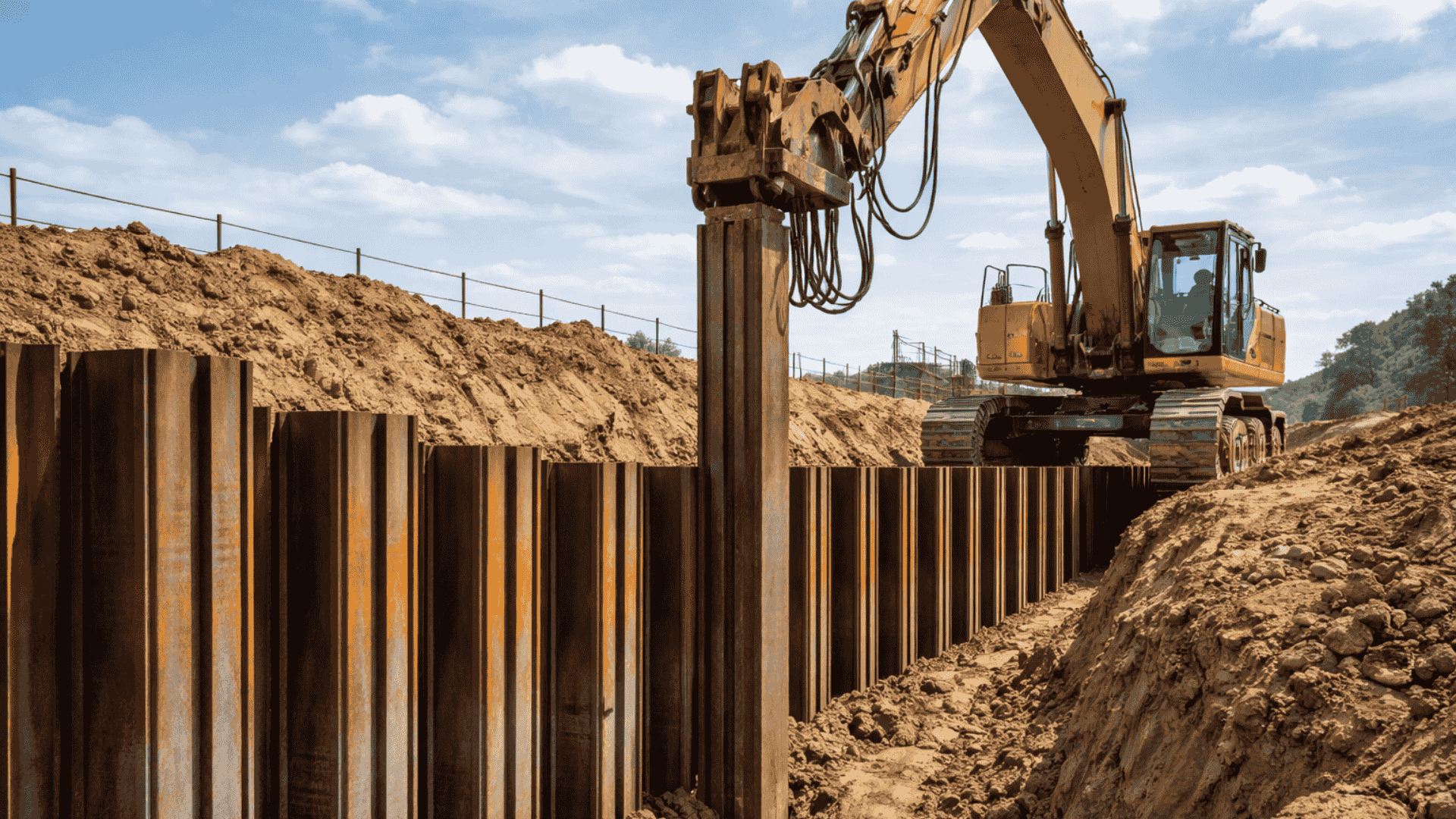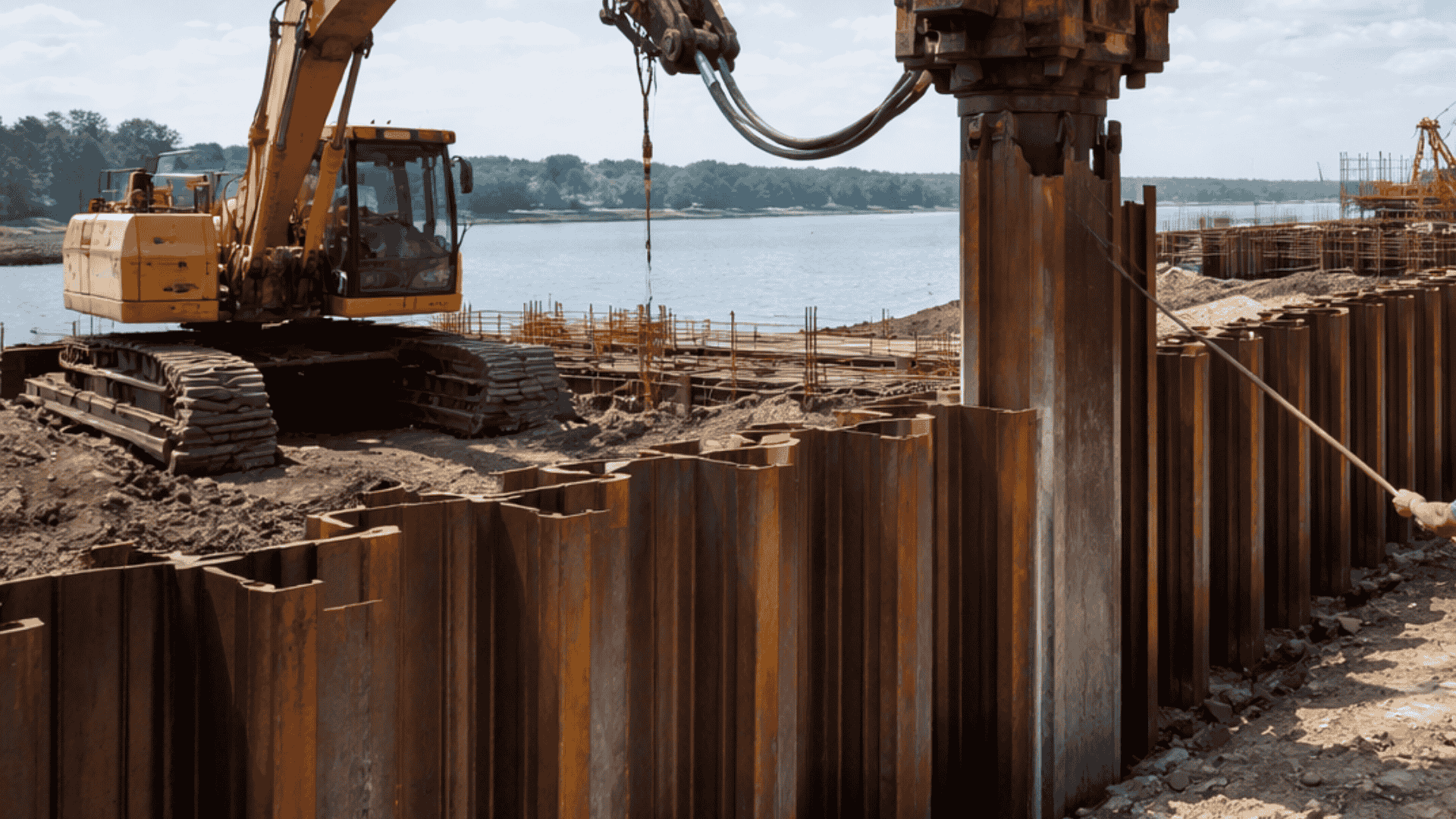
Sheet piles may look straightforward, but the way they’re installed can determine whether a project runs smoothly or turns into a costly problem. The right installation method improves alignment, limits vibration, protects nearby structures, and keeps schedules on track, while the wrong one can cause refusal, noise complaints, or rework.
Sheet piling is also gaining attention for its sustainability benefits. According to the research, more than 900 million tons of steel are recycled each year, significantly reducing carbon emissions compared with new steel production, one reason steel sheet piles are frequently reused across multiple projects.
This guide provides a clear, practical overview of sheet pile installation methods, including impact driving, vibratory driving, press-in systems, and supporting techniques, along with proven tips and best practices to help you choose the right approach for your site conditions and project constraints.
Key Highlights
Sheet pile installation methods play a decisive role in structural stability, construction efficiency, and project cost control
Soil conditions, groundwater levels, wall depth, and site constraints must be evaluated early to avoid installation risks and delays
Vibratory, impact, press-in, jetting, and combination methods each serve specific ground and site conditions with distinct trade-offs
Proper equipment selection, safety measures, and environmental controls are critical for successful and compliant installation
TorcSill’s engineered sheet piling solutions, certified manufacturing, and large-scale installation capabilities support reliable execution across civil, marine, and industrial projects
What Are Sheet Piles?
Sheet piles are structural sections designed to interlock with one another and form a continuous wall. They are driven into the ground to retain soil, water, or both, creating a stable barrier that resists lateral pressures. Their primary purpose is ground support and containment, making them essential where excavation, shoreline protection, or groundwater control is required. Sheet piles can function as temporary works during construction or as permanent structural elements.
Common Materials Used in Sheet Piles
Sheet piles are manufactured from several materials, each selected based on structural demands, environmental conditions, and project lifespan:
Steel Sheet Piles: The most widely used option due to their high strength, durability, and ability to be reused. Steel sheet piles perform well in deep excavations, high load conditions, and marine environments.
Vinyl (PVC) Sheet Piles: Lightweight and corrosion-resistant, vinyl sheet piles are commonly used for light-duty applications such as small retaining walls, flood control, and landscaping projects.
Timber Sheet Piles: Traditionally used for temporary works or low-load applications, timber sheet piles are economical but have limited durability and load capacity compared to modern materials.
Composite Sheet Piles: Made from fiber-reinforced polymers or hybrid materials, composite piles offer corrosion resistance and long service life, often used in environmentally sensitive or marine settings.
Key Applications
Sheet piles are used across a wide range of construction sectors due to their versatility and speed of installation:
Civil Engineering Projects: Retaining walls, deep excavations, basements, underground structures, and road or rail infrastructure support.
Marine and Coastal Works: Seawalls, quay walls, cofferdams, port structures, riverbank protection, and erosion control.
Industrial and Commercial Projects: Foundations for plants and warehouses, containment walls, temporary excavation support, and flood defense systems.
By combining structural efficiency with adaptability, sheet piles remain a core solution in modern construction where ground and water control are critical.
5 Factors to Consider Before Choosing an Installation Method
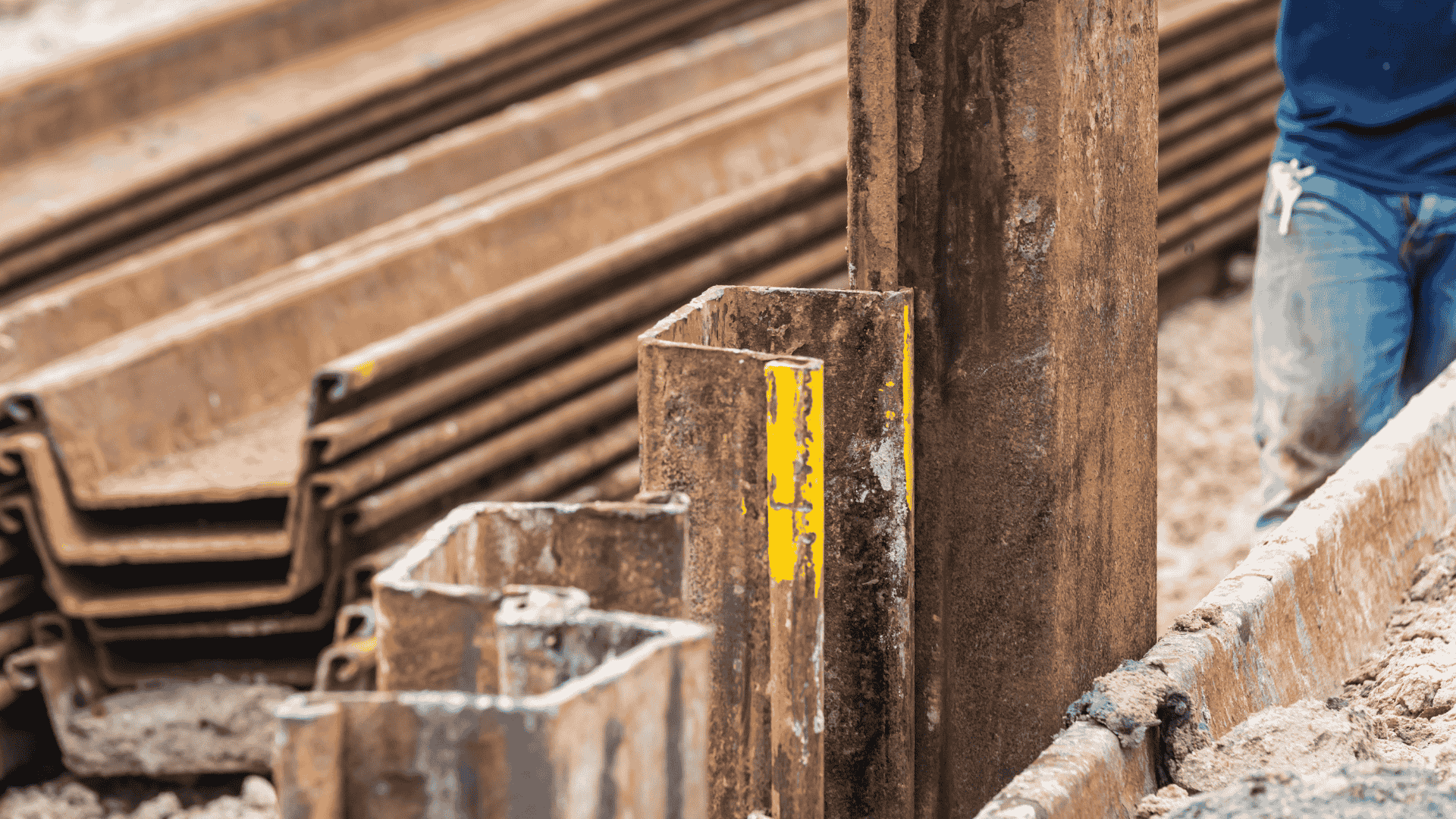
Selecting the right sheet pile installation method is a critical planning decision. Site conditions, performance requirements, and practical constraints all influence which technique will deliver safe, efficient, and cost-effective results.
1. Soil Type and Bearing Capacity
Soil conditions have the greatest impact on installation feasibility.
Soft clays and loose sands generally allow easier driving with vibratory or press-in methods.
Dense sands, gravels, or soils with cobbles may cause refusal, requiring impact driving or predrilling.
Bearing capacity must be sufficient to resist wall loads and prevent excessive settlement or rotation.
A detailed geotechnical investigation helps identify friction, obstructions, and expected driving resistance before equipment selection.
2. Water Table and Drainage Conditions
High groundwater levels increase hydrostatic pressure and influence wall design and installation sequencing.
Below-water installations may require cofferdams, tremie concrete, or specialized marine equipment.
Poor drainage soils can slow installation and increase the risk of soil displacement or instability.
Proper dewatering or seepage control measures should be planned alongside the installation method.
3. Project Depth and Wall Height
Deeper excavations and taller sheet pile walls demand higher bending resistance and driving energy.
Shallow or temporary works may be suitable for lighter piles and vibratory methods.
Deep excavations or permanent structures often require heavier sections, impact hammers, or staged driving to achieve design embedment and alignment.
4. Environmental and Site Constraints
Surrounding conditions can limit which installation methods are acceptable.
Urban sites often impose strict limits on noise and vibration, favoring press-in or low-vibration techniques.
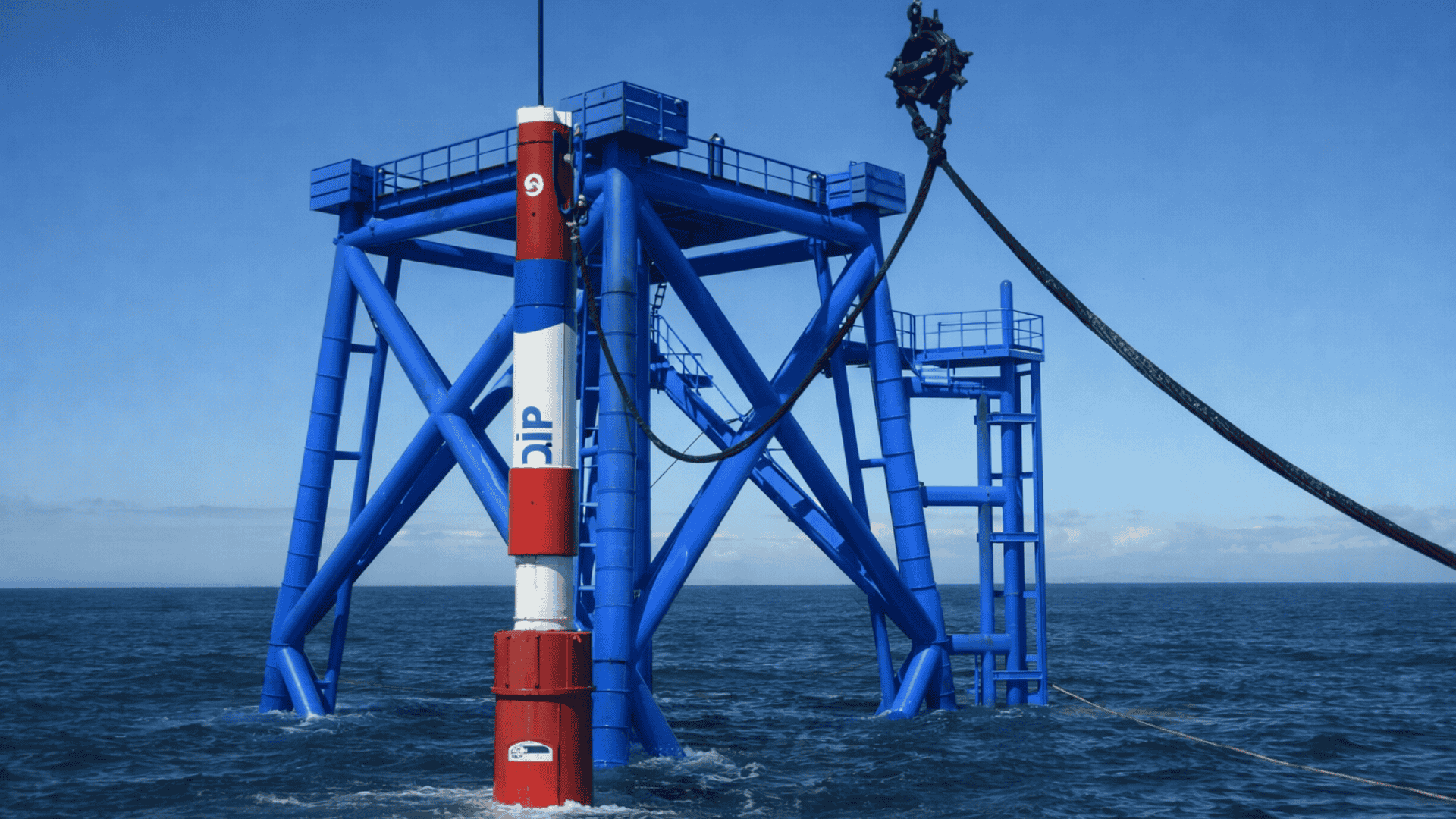
Marine environments require corrosion considerations, tidal planning, and floating or crane-mounted equipment.
Restricted access sites may limit pile length, equipment size, or driving angles.
5. Equipment Availability and Cost Considerations
The most technically suitable method must also be practical and economical.
Availability of hammers, vibratory drivers, press-in systems, and cranes can influence method selection.
Mobilization, fuel consumption, production rate, and maintenance costs all affect overall project budgets.
Balancing performance requirements with available resources helps minimize delays and cost overruns.
Avoid costly delays and rework. Work with TorcSill to select the right sheet pile method based on soil, site constraints, and project goals. Learn how.
Sheet Pile Installation Methods
Sheet pile installation methods vary based on soil conditions, environmental constraints, and structural requirements. Understanding how each method works and where it performs best helps ensure safe installation, proper embedment, and long-term performance.
1. Driving with Vibratory Hammers
Vibratory hammers use high-frequency vertical vibrations to reduce soil resistance around the sheet pile, allowing it to sink under its own weight and applied force.
Best Suited For
Sandy soils
Silts and loose granular materials
Advantages
Faster installation rates compared to impact driving
Lower noise levels than drop hammers
Minimal soil displacement and reduced disturbance to surrounding areas
Limitations
Less effective in very dense soils, gravels, or soils with obstructions
May struggle to achieve final embedment without supplemental methods
2. Impact (Drop) Hammer Driving
An impact hammer delivers repeated vertical blows to the top of the sheet pile, driving it into the ground through direct force.
Best Suited For
Dense soils and compacted layers
Heavy-duty or deep sheet pile installations
Advantages
High driving energy allows penetration of hard or resistant soils
Effective for achieving full design depth
Suitable for permanent and high-load applications
Limitations
High noise and vibration levels
Slower production compared to vibratory methods
May require mitigation measures in sensitive areas
3. Press-in or Hydraulic Installation
Hydraulic press-in systems push sheet piles into the ground using static force, often reacting against previously installed piles.
Best Suited For
Urban or confined sites
Projects with strict noise and vibration limits
Advantages
Extremely low vibration and noise
High precision and excellent alignment control
Minimal impact on adjacent structures
Limitations
Slower installation rates
Higher equipment and mobilization costs
Limited effectiveness in very hard or obstructed soils
4. Jetting Method
High-pressure water jets are used to loosen or fluidize soil at the pile tip, reducing resistance and allowing easier pile penetration.
Best Suited For
Soft soils
Clay and sand formations
Advantages
Reduces driving resistance
Speeds up installation in suitable soils
Can lower the required driving energy
Limitations
Ineffective in dense soils or gravel
Can cause soil instability or erosion if not controlled
Not suitable in areas with high groundwater flow or environmental restrictions
5. Combination Methods
Combination methods use two or more techniques, such as vibration with jetting or press-in, followed by impact driving, to overcome challenging soil conditions.
When and Why They Are Used
To start piles in dense surface layers and complete embedment at depth
To balance speed with noise or vibration limits
To manage variable soil profiles across the site
Combination approaches are often the most practical solution when a single installation method cannot meet both technical and environmental requirements.
Equipment Used in Sheet Pile Installation
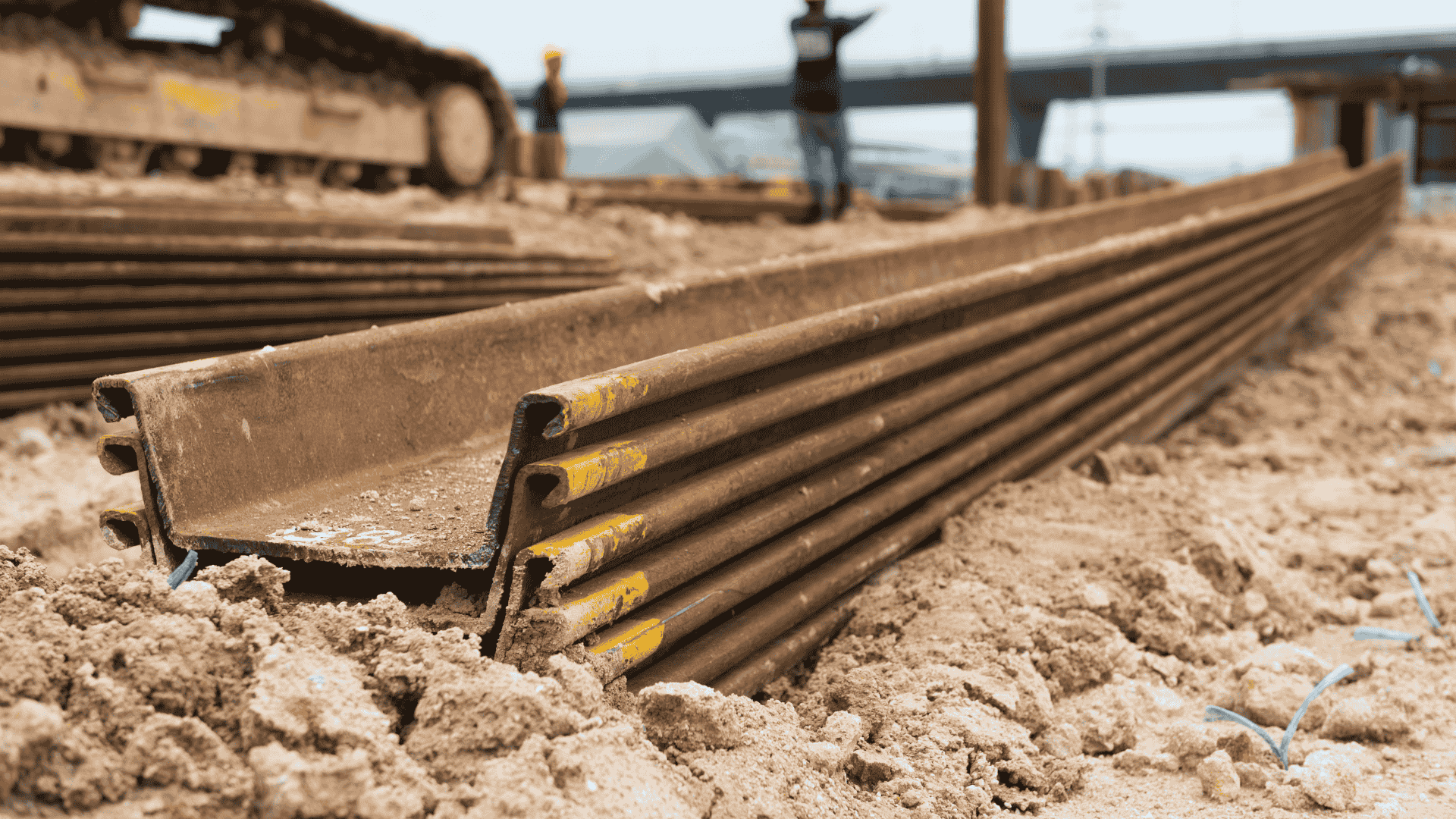
The effectiveness of sheet pile installation depends on using the right equipment for the site conditions, pile type, and project scale. Each piece of equipment plays a specific role in achieving proper alignment, embedment depth, and productivity.
Vibratory Hammers: Used to install sheet piles by generating high-frequency vibrations that reduce soil resistance. Commonly applied in sandy and granular soils where fast installation and lower noise levels are required.
Impact Hammers: Drive sheet piles through repeated vertical blows. Best suited for dense or compacted soils and deep installations where high driving energy is necessary.
Hydraulic Presses: Install sheet piles using static hydraulic force rather than impact or vibration. Ideal for urban and vibration-sensitive areas where precise placement and minimal disturbance are critical.
Cranes: Used for lifting, positioning, and supporting sheet piles and driving equipment. Essential for large-scale, deep, or marine projects requiring long or heavy piles.
Excavators: Often fitted with vibratory hammers or used for handling and alignment. Well-suited for small to medium projects or sites with restricted access due to their mobility and flexibility.
Equipment is selected based on project scale, soil type, pile material, site accessibility, and environmental restrictions to ensure safe, efficient, and cost-effective installation.
Common Challenges in Sheet Pile Installation
Sheet pile installation comes with several practical challenges that can impact timelines, costs, and structural integrity if not properly managed.
Challenge | Brief Overview | Potential Impact | Mitigation Measures |
|---|---|---|---|
Subsurface Obstructions | Hidden boulders, debris, or buried structures can interfere with pile driving and alignment. | Driving refusal, pile damage, delays, misalignment | Pre-drilling, obstruction removal, trial driving, and combination methods |
Ground Heaving or Settlement | Soil displacement during driving can cause upward or downward ground movement. | Damage to nearby structures, loss of stability, misalignment | Staged driving, controlled installation methods, and soil improvement |
Noise and Vibration Concerns | Pile installation can generate noise and vibrations that affect surrounding buildings and occupants. | Regulatory non-compliance, complaints, and potential structural damage | Press-in methods, vibration monitoring, and restricted work hours |
Corrosion and Maintenance of Steel Piles | Exposure to moisture, chemicals, and marine environments accelerates steel corrosion. | Reduced service life, increased maintenance costs | Protective coatings, cathodic protection, corrosion allowances |
Safety Considerations During Installation
Sheet pile installation involves high-risk activities, including heavy lifting, vibration, and working near excavations or water. Addressing safety requirements at every stage of installation helps prevent accidents and ensures compliance with regulations.
1. Worker Protection and PPE
Proper personal protective equipment (PPE) is the first line of defense against common site hazards during sheet pile installation.
Hard hats, high-visibility clothing, safety boots, and gloves
Eye and face protection during pile handling and driving
Hearing protection when operating near vibratory or impact hammers
Regular safety briefings and toolbox talks
2. Equipment Handling and Vibration Risks
Heavy equipment and dynamic driving forces create significant safety risks if not properly managed.
Use of trained and certified operators only
Proper lifting, rigging, and pile alignment procedures
Clearly defined exclusion zones around active driving areas
Continuous vibration monitoring to protect workers and nearby structures
3. Environmental Protection Measures
Installation activities can affect surrounding environments, especially in urban or waterfront locations.
Silt curtains and turbidity controls when working near waterways
Spill prevention and containment for fuels and hydraulic fluids
Noise barriers and controlled work hours in urban areas
By integrating these safety measures into daily operations, contractors can reduce risk, protect the environment, and maintain smooth project execution.
Choosing the Right Method for Your Project
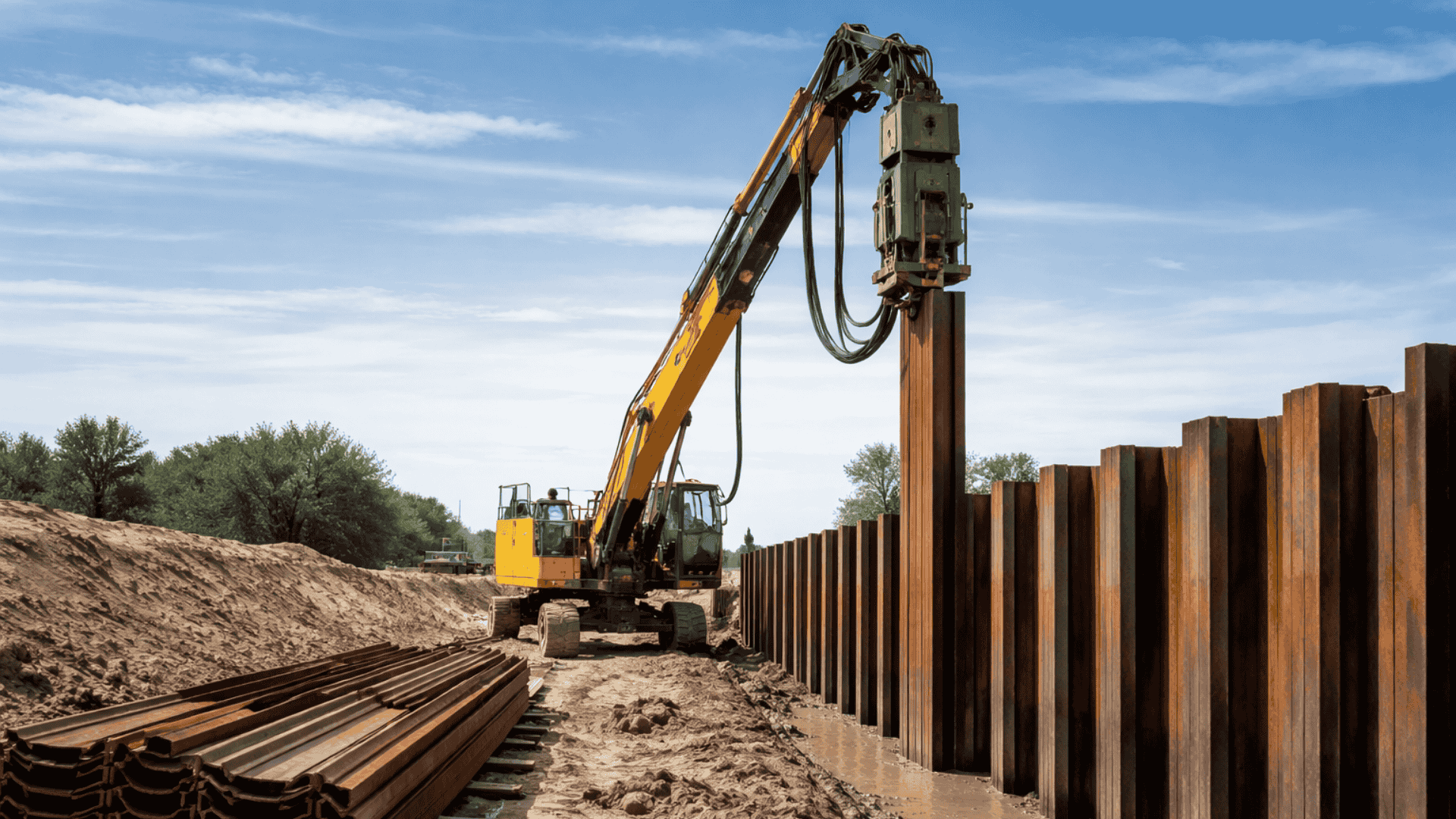
Selecting the appropriate sheet pile installation method is a strategic decision that directly affects safety, cost, schedule, and long-term performance. A well-informed choice balances technical requirements with site limitations and project objectives.
1. Decision-Making Factors
The most suitable installation method depends on a combination of ground conditions, environmental constraints, and structural demands.
Evaluate soil type, density, and variability through geotechnical investigations
Consider site constraints such as nearby structures, access limitations, and noise or vibration restrictions
Align the method with project goals, including speed of installation, budget, and permanence of the structure
2. Consulting Engineers and Contractors
Early collaboration with experienced professionals helps reduce uncertainty and avoid costly changes during construction.
Engage geotechnical and structural engineers to assess soil behavior and design requirements
Consult specialty piling contractors for practical insights on equipment availability and constructability
Review installation methods during the planning stage rather than after construction begins
3. Real-World Method Selection Examples
Examining real project scenarios helps clarify how installation methods are chosen in practice.
Urban basement excavation projects often rely on press-in methods to control vibration near adjacent buildings
Marine and waterfront developments frequently use vibratory hammers for speed, with impact hammers for final embedment
Projects with variable soil profiles may adopt combination methods to address changing ground conditions across the site
Choosing the right installation method early, supported by expert input and site-specific data, leads to safer execution, improved efficiency, and better project outcomes.
How TorcSill Supports Sheet Pile and Earth Retention Projects
TorcSill delivers engineered sheet piling and foundation solutions that support civil, marine, and industrial construction needs. Their services align closely with projects requiring reliable earth retention, excavation support, and water control.
Provides engineered sheet piling systems for cofferdams, bulkheads, quay walls, marine structures, and excavation support
Offers integrated design, geotechnical evaluation, and structural engineering tailored to site-specific conditions
Manufactures sheet piling products in ISO 9001:2015 certified facilities, ensuring quality, strength, and durability
Supports large-scale and complex installations through extensive equipment fleets and nationwide execution capability
Emphasizes site-sensitive and environmentally responsible installation practices, particularly in urban and waterfront areas
TorcSill’s engineering-led approach and execution capability make its solutions well-suited for projects where performance, constructability, and environmental considerations are critical.
Conclusion
Selecting the right sheet pile installation method is essential for achieving efficient construction, cost control, and long-term structural safety. Soil conditions, site constraints, and environmental factors must be carefully evaluated to avoid delays, rework, and performance issues.
By balancing cost, efficiency, and structural reliability, project teams can deliver durable and safe sheet pile systems. Early planning and expert input play a key role in making the right choice.
Planning a sheet pile project? Contact us today for expert support on installation methods, design, and execution tailored to your site conditions.
FAQs
1. How long do steel sheet piles last?
With proper design, corrosion protection, and maintenance, steel sheet piles can last several decades. In marine or aggressive environments, coatings or cathodic protection are commonly used to extend service life.
2. How do soil conditions affect sheet pile installation methods?
Soil type and density determine the resistance encountered during driving. Soft soils allow vibratory or press-in methods, while dense or compacted soils typically require impact hammers or combination techniques.
3. When is press-in sheet piling preferred over other methods?
Press-in methods are preferred in urban or vibration-sensitive areas where noise and ground movement must be minimized. They offer precise installation but are generally slower and more costly.
4. Can sheet piles be installed below the water table?
Yes, sheet piles are commonly installed below the water table for cofferdams, marine structures, and flood control. Proper planning is required to manage groundwater pressure and seepage during installation.
5. What are the main safety risks during sheet pile installation?
Key risks include heavy equipment handling, vibration exposure, falling objects, and unstable ground conditions. These risks are managed through PPE, exclusion zones, trained operators, and monitoring.